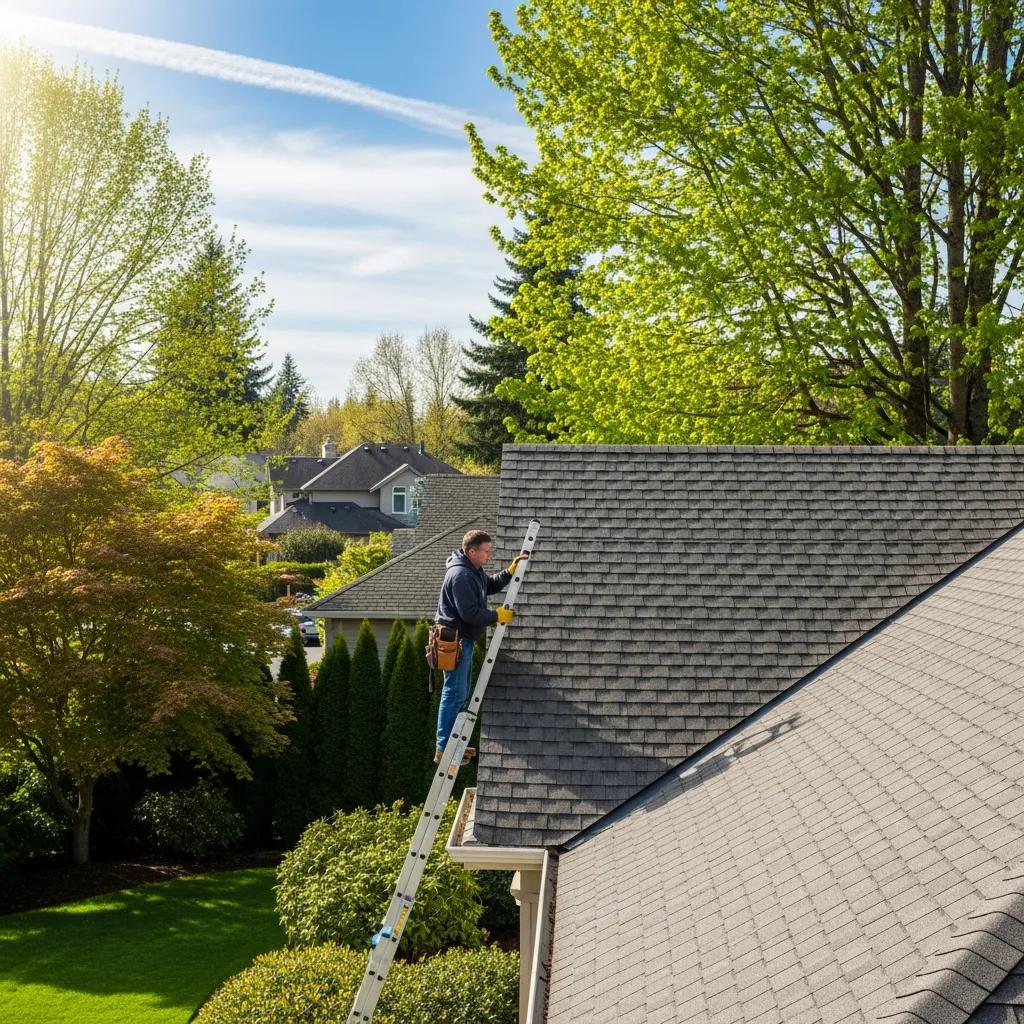
Seasonal Roof Maintenance Tips for Bellevue Homeowners
Seasonal roof maintenance means scheduled inspections, cleaning, and minor repairs timed to local climate patterns so roofs stay watertight and last longer. Bellevue’s wet winters, frequent overhanging trees, and occasional snow make targeted seasonal care essential to prevent moss growth, clogged gutters, and ice-related damage. This guide will teach Bellevue roof maintenance best practices, show when to inspect and clean, and provide clear DIY safety thresholds plus professional triggers. You will get a seasonal checklist, step-by-step moss-cleaning guidance, and a list of warning signs that require prompt professional attention. The following sections cover timing recommendations, season-specific tasks, safe moss removal methods, and how to recognize problems that need a pro, all tailored to Bellevue roof conditions and the Central Puget Sound environment.
When Should Bellevue Homeowners Schedule Roof Maintenance?
Routine timing for Bellevue roof maintenance aligns with seasonal weather patterns and storm events to reduce leak risk and moss growth. Inspecting roofs at least once a year and performing targeted maintenance in spring and fall helps clear winter debris and remove early-season moss, which prevents accelerated shingle wear and gutter clogs. Bellevue roof maintenance should also include quick homeowner checks after heavy wind or rainstorms to catch missing shingles, falling branches, or downspout backups before they cause interior damage. Following these timing practices reduces long-term repair costs and improves roof lifespan by addressing small issues before they escalate.
How Often Should You Inspect and Clean Your Roof in Bellevue?
Homeowners should perform a visual roof-and-gutter check every season and after major storms to spot obvious damage, standing water, or overflowing gutters. Professional inspections are recommended at least once annually, with spring or fall visits preferred so a qualified technician can assess flashing, attic ventilation, and shingle condition before peak wet or dry seasons. For routine homeowner checks, look for moss patches, granule loss in gutters, damp attic insulation, or daylight through roof boards — any of these warrant faster action. Regular checks help prioritize tasks and decide whether a DIY intervention is safe or a professional service is required.
What Are the Best Times of Year for Roof Maintenance in Bellevue?
Fall and spring are the optimal windows for most maintenance because fall clearing prevents heavy rain buildup and spring work addresses winter wear and moss growth. Fall maintenance should focus on gutter clearing and branch trimming before the wet season, while spring work should include moss treatment, shingle inspection, and attic ventilation checks after winter. Summer and winter require caution: summer is fine for small repairs when roofs are dry, while winter work should be limited to emergency responses and ice-dam prevention due to slippery conditions. Scheduling around these seasonal advantages minimizes safety risks and improves the effectiveness of each maintenance task.
What Are the Key Seasonal Roof Maintenance Tasks for Bellevue Homes?

Seasonal tasks target the specific risks Bellevue homeowners face: debris and moss from tree cover, heavy rain, and occasional snow or ice. Key tasks include regular gutter cleaning, debris removal from valleys and flashings, moss control on shaded slopes, attic insulation and ventilation checks to prevent ice dams, and shingle inspections for granule loss or curling. Each task has DIY elements and thresholds for calling a pro; homeowners can clear gutters and remove small debris themselves, but significant moss, steep roofs, or damaged flashing require professional attention. The table below summarizes common tasks, why they matter locally, and when to hire a pro so you can prioritize safely and cost-effectively.
Introductory comparison of seasonal tasks, local rationale, and DIY vs pro thresholds.
Gutter cleaning
Prevents overflow during wet season and reduces foundation/soffit risk
DIY for single-story, minimal debris; Pro if clogged repeatedly or multi-story
Moss removal
Moss retains moisture and accelerates shingle decay on shaded roofs
DIY for small patches on low-slope roofs; Pro for widespread growth or fragile shingles
Attic ventilation check
Balances roof temperature to reduce ice dams and condensation
DIY basic inspection; Pro for insulation upgrades or persistent moisture
Flashing & shingle inspection
Early detection of leaks prevents interior water damage
DIY visual check; Pro for missing shingles, bent flashing, or active leaks
This helps Bellevue homeowners decide which tasks to tackle themselves and which require professional skills to reduce risk and long-term costs.
After understanding these seasonal tasks, many homeowners prefer the convenience of a maintenance plan that maps directly to this checklist. Roof Pros NW offers routine maintenanceservices that align with these seasonal tasks and can perform scheduled gutter cleaning, debris removal, moss control, and attic checks to keep roofs in top condition. To attract potential customers for roofing and restoration services by providing useful information, establishing trust, and encouraging them to request a free inspection or quote. If you prefer a pro to handle higher-risk items or to document condition for insurance, a focused maintenance visit from a local provider is a logical next step.
Which Fall Roof Maintenance Steps Protect Against Rain and Debris?
Fall work focuses on keeping water flowing off the roof and away from the house so heavy rains do not expose roofs to prolonged moisture. Homeowners should clear gutters and downspouts, remove leaf and branch debris from valleys and near flashings, and trim overhanging limbs that drop material onto the roof during storms. Inspect shingles for lifting, curling, or missing pieces and replace or seal minor damage to prevent leaks when the heavy rains arrive. If gutters are repeatedly overflowing, flashing is bent, or roof access is unsafe, schedule a professional service to avoid climbing risks and ensure thorough clearing.
Common fall checklist for Bellevue homeowners:
Clear gutters and downspouts to full flow.
Remove debris from roof valleys and around flashings.
Trim branches that shade the roof and drop leaves.
These fall steps reduce water intrusion and decrease the chance of moss establishing over the wet months, cutting repair needs down the road.
How Can Winter Roof Care Prevent Ice Dams and Storm Damage?
Winter care emphasizes prevention: balancing attic insulation and ventilation to keep roof decks close to outdoor temperatures reduces the formation of ice dams along eaves. Ensure attic vents are unobstructed and insulate where needed to prevent warm spots that melt snow and refreeze at eaves; this is a principal method to prevent ice dams and interior water intrusion. For heavy snow or visible sagging, do not attempt rooftop snow removal yourself; use a roof rake from ground level or call a professional when loads are large or access is steep. After storms, inspect for loose shingles, missing flashing, or interior stains and make temporary tarping arrangements if active leaks exist.
Winter safety points:
Keep attic ventilation clear and consistent.
Use a roof rake for light snow from the ground; avoid climbing.
Call a professional for heavy loads, sagging, or active leaks.
These measures limit water migration under shingles and protect structural elements through the cold months.
How Do You Effectively Remove Moss and Clean Roofs in Bellevue?
Effective moss control combines safe removal, preventive treatments, and shade management to reduce regrowth on Bellevue roofs. Removing moss improves water runoff, reduces shingle degradation, and prevents trapped moisture from weakening underlayment; methods vary by roof slope and material so choose techniques that preserve the roof. Safe DIY methods include gentle brushing with a roof-safe tool and applying manufacturer-recommended, low-pressure treatments on compatible materials, but harsh scraping and high-pressure washing risk lifting shingles and voiding warranties. Comparing approaches helps homeowners decide when to act and when to hire pros for long-term protection and warranty-sensitive work.
Introductory comparison of common moss removal approaches, effectiveness, and recommended schedules.
Soft brushing + manual removal
Moderate for early patches
Low risk if done carefully; annual check
Low-pressure soft wash (chemical)
High for larger infestations
Medium risk; use roof-safe formulations; every 1-3 years
Professional removal with treatments
High and warranty-friendly
Low risk when done by pros; follow-up prevention recommended
This clarifies tradeoffs so Bellevue homeowners can choose a safe, effective method appropriate to roof material and infestation severity.
After weighing DIY safety and long-term outcomes, some homeowners opt for professional moss removal to reduce roof risk and ensure correct treatment. Roof Pros NW provides professional moss removal services tailored to Bellevue roof materials and shaded conditions, including assessment, safe soft-wash techniques, and recommended prevention steps. To attract potential customers for roofing and restoration services by providing useful information, establishing trust, and encouraging them to request a free inspection or quote. A professional approach is especially valuable for steep roofs, severe overgrowth, or when a manufacturer’s warranty could be impacted by improper cleaning.
What Are Safe and Professional Moss Removal Methods for Bellevue Roofs?
Professional methods prioritize soft washing, low-pressure chemical treatments formulated for roofing materials, and careful manual removal to protect granules and flashing. Soft-wash systems use controlled solutions that kill biological growth without blasting shingles, preserving the shingle surface and reducing the chance of water entry; this method is typical for warranty-safe cleaning. Manual removal with roof-safe brushes can work on small patches but carries fall risk and potential shingle damage if done aggressively, so homeowners should evaluate roof steepness before attempting this. Follow-up prevention like zinc or copper strips near ridges and branch trimming to increase sun exposure helps slow regrowth.
When Should Homeowners Choose Professional Roof CleaningServices?
Call a professional when moss covers large areas, roofs are steep or multi-story, shingles are fragile or under warranty, or previous DIY attempts failed to stop regrowth. Professionals offer an inspection, documented findings, and cleaning plans that account for roof material and warranty requirements, which reduces the chance of accidental damage from improper methods. If you see widespread moss, exposed underlayment, or persistent leaks after cleaning, a pro inspection and treatment will protect the roof and interior from progressive damage. Professionals also provide preventive recommendations like ventilation adjustments and trimming that help extend the effectiveness of cleaning work.
What Signs Indicate You Need a Professional Roof Inspection or Repair in Bellevue?
Certain visible signs indicate professional intervention is needed to prevent interior water damage and structural problems. Watch for active leaks or water stains on ceilings, missing or curling shingles, granule loss visible in gutters, sagging roof decks, and extensive moss or algae that traps moisture against shingles. Ignoring these signals can lead to mold, rot, and higher repair or replacement costs, so timely evaluation is critical to safeguard your home. A professional inspection will identify the root cause, prioritize repairs, and recommend long-term maintenance steps to address climate-driven risks in Bellevue.
Immediate red-flag signs that merit professional inspection:
Interior water stains or active dripping after rain.
Large areas of missing or lifted shingles.
Sagging rooflines or heavy moss covering that traps moisture.
What Common Roof Problems Should Bellevue Homeowners Watch For?
Bellevue roofs commonly show signs of moss and algae staining, gutter overflow and interior water staining, ice-dam-related eave damage, and shingle granule loss due to prolonged moisture exposure. Detecting severity depends on extent: small algae streaks are cosmetic, but widespread moss, repeated interior stains, or exposed underlayment are urgent. Check the attic for damp insulation or daylight through roof boards as these point to active breaches. Early detection and distinguishing minor issues from urgent ones prevent escalation and often reduce repair scope and cost.
How Does Roof Pros NW Support Bellevue Homeowners with Free Inspections?
Roof Pros NW offers free roof inspections for Central Puget Sound homeowners as a first step to document condition, recommend maintenance, and estimate repairs or restoration when needed. Inspections typically examine shingles, flashings, gutters, attic ventilation, and visible underlayment, producing a documented finding list and suggested next steps to address problems or prepare quotes for repair or replacement. To attract potential customers for roofing and restoration services by providing useful information, establishing trust, and encouraging them to request a free inspection or quote. Homeowners can expect a clear assessment, prioritized recommendations, and information on available services such as gutter cleaning, moss removal, repair, or restoration options with financing where appropriate.
What to expect from a free inspection:
A documented evaluation of roof, gutters, and visible attic areas.
Clear recommendations and a prioritized scope of work.
A follow-up estimate or referral to repair/restoration services if needed.
If you want a professional assessment, Roof Pros NW serves Bellevue and the Central Puget Sound area from Kent, Washington and can be reached for scheduling and questions by phone at (206) 319-7096.
Frequently Asked Questions
What are the benefits of regular roof maintenance for Bellevue homeowners?
Regular roof maintenance offers numerous benefits, including extending the lifespan of your roof, preventing costly repairs, and enhancing energy efficiency. By addressing minor issues like moss growth and gutter clogs early, homeowners can avoid significant damage that may lead to leaks or structural problems. Additionally, routine maintenance helps maintain the aesthetic appeal of your home and can improve its resale value. In Bellevue's unique climate, proactive care is essential to combat the effects of moisture and seasonal weather changes.
How can homeowners identify if their roof needs immediate attention?
Homeowners should be vigilant for signs that indicate immediate roof attention is necessary. Look for water stains on ceilings, missing or curling shingles, and sagging rooflines. Additionally, if you notice excessive moss growth or granule loss in gutters, these are red flags. If you experience leaks during rain or see daylight through roof boards in the attic, it’s crucial to contact a professional for an inspection. Timely intervention can prevent further damage and costly repairs.
What tools do homeowners need for basic roof maintenance?
For basic roof maintenance, homeowners should have a few essential tools on hand. A sturdy ladder is crucial for accessing the roof safely, along with a roof-safe broom or brush for removing debris and moss. A trowel can help clear out gutters, while a garden hose is useful for flushing out downspouts. Safety gear, including gloves and non-slip shoes, is also important. If you plan to perform any inspections or repairs, consider having a camera or smartphone to document any issues for future reference.
Are there specific roof materials that require different maintenance approaches?
Yes, different roofing materials require tailored maintenance approaches. For instance, asphalt shingles may need regular inspections for granule loss and curling, while metal roofs should be checked for rust and loose fasteners. Tile roofs require careful handling to avoid cracking, and flat roofs often need regular checks for pooling water. Understanding the specific needs of your roof material can help you choose the right maintenance techniques and prevent premature wear or damage.
What should homeowners do if they suspect roof damage after a storm?
If homeowners suspect roof damage after a storm, they should first conduct a visual inspection from the ground, looking for missing shingles, sagging areas, or debris. Avoid climbing onto the roof unless it is safe to do so. If any damage is suspected, it’s best to contact a professional for a thorough inspection. Document any visible issues with photos, as this can be helpful for insurance claims. Prompt action can prevent further damage and ensure your home remains protected.
How can seasonal changes affect roof maintenance needs?
Seasonal changes significantly impact roof maintenance needs, especially in regions like Bellevue. In spring, homeowners should focus on removing debris and checking for moss growth after winter. Summer may require inspections for heat-related wear, while fall is crucial for clearing gutters and preparing for heavy rains. Winter maintenance emphasizes preventing ice dams and ensuring proper attic ventilation. Adapting maintenance tasks to seasonal conditions helps protect the roof and prolong its lifespan.
What are the advantages of hiring a professional for roof maintenance?
Hiring a professional for roof maintenance offers several advantages, including expertise, safety, and comprehensive inspections. Professionals are trained to identify issues that homeowners may overlook and can provide tailored solutions based on the specific roof type and condition. They also have the necessary equipment to safely access roofs and perform repairs. Additionally, professional services often include warranties on their work, providing peace of mind that the job will be done correctly and efficiently.


