Asphalt Shingles vs Composition Shingles: Key Differences Explained
When it comes to roofing materials, the terms “asphalt shingles” and “composition shingles” are often used interchangeably, leaving many homeowners unsure about the actual differences. While asphalt shingles are a type of composition shingle, not all composition shingles are made from asphalt. This subtle but important distinction can have a big impact on your roof’s appearance, durability, lifespan, and cost—especially in regions like the Pacific Northwest where persistent rain and moss growth challenge roofing materials.
Why does understanding the difference between asphalt shingles and composition shingles matter? Because your roof is one of the most critical elements protecting your home from water damage, wind, and other environmental hazards. Choosing the right option for your budget, climate, and long-term value can help extend the life of your roof, improve curb appeal, and prevent costly repairs in the future. For instance, while asphalt shingles may be more affordable upfront, synthetic composite shingles offer enhanced durability and better resistance to the moisture and moss issues common in the Pacific Northwest.
This guide will break down everything you need to know about these two popular roofing materials. You’ll learn how they’re made, how they perform under different weather conditions, what they cost, and how long they last. By the end, you’ll have a clear understanding of their key differences and which one might be the better fit for your home.
What Are Asphalt Shingles and Composition Shingles?
Asphalt shingles are one of the most common roofing materials in North America, widely appreciated for their affordability and ease of installation. Made from a base material (either organic felt or fiberglass) coated with asphalt and topped with mineral granules, asphalt shingles are designed to protect homes from weather while offering variety in textures and colors. They are typically available in two main styles: traditional three-tab shingles and thicker, more dimensional architectural shingles, which provide a premium, layered appearance.
Composition shingles, on the other hand, represent a broader category of roofing materials. The term “composition” refers to shingles made from a variety of materials combined to enhance performance and appearance. Traditional asphalt shingles can technically be considered a type of composition shingle, but the term is often used to describe modern synthetic composite shingles. These cutting-edge options are crafted from polymers, rubber, or recycled plastics and are designed to replicate high-end materials like cedar shakes or slate. The result is a roofing material that combines premium aesthetics with improved durability.
Homeowners in the Pacific Northwest often find themselves drawn to architectural asphalt shingles because of their stylish design and ability to hold up against the area’s notorious wet conditions. Composite shingles, however, are frequently seen as a more advanced choice. Their innovative materials resist cracking, warping, and moss growth, making them particularly well-suited for climates with heavy rainfall and high humidity. Whether you prefer the budget-friendly appeal of asphalt shingles or the luxury and longevity of composite shingles, both options can protect your home effectively when installed and maintained correctly.
For more details about different roofing options, check out explore roofing services for additional insights.
Comparing Costs: Asphalt Shingles vs Composite Shingles
When it comes to roofing expenses, asphalt shingles are typically the go-to option for homeowners on a budget. Their upfront costs are among the lowest in the industry, making them a popular choice for those seeking an affordable roofing solution. A standard asphalt shingle roof is relatively inexpensive to install, and three-tab shingles are often the most cost-effective of the bunch. Architectural asphalt shingles, while slightly more expensive than basic three-tab options, still remain competitive in price compared to other premium roofing materials.
Composite shingles, in contrast, come with a higher initial price tag. This is largely due to the advanced technology and high-quality materials used in their production. Manufactured to mimic premium materials like cedar shakes or natural slate, composite shingles provide both style and strength. While the upfront investment for composite shingles can be significant, this cost often balances out over time. These shingles require less maintenance and offer a longer lifespan, which can reduce repair and replacement expenses down the line.
Homeowners in the Pacific Northwest who face frequent moss growth, heavy rain, and wind-related wear may find that composite shingles provide better long-term value. The reduced maintenance and extended durability help justify the added cost over the life of the roof. Asphalt shingles remain a great option for those seeking a more budget-conscious solution, but the long-term savings offered by composite shingles may appeal to property owners aiming for durability and low maintenance.
For homeowners weighing their roofing investment, understanding the roof replacement benefits can provide helpful context for the decision.
Durability and Lifespan: What to Expect
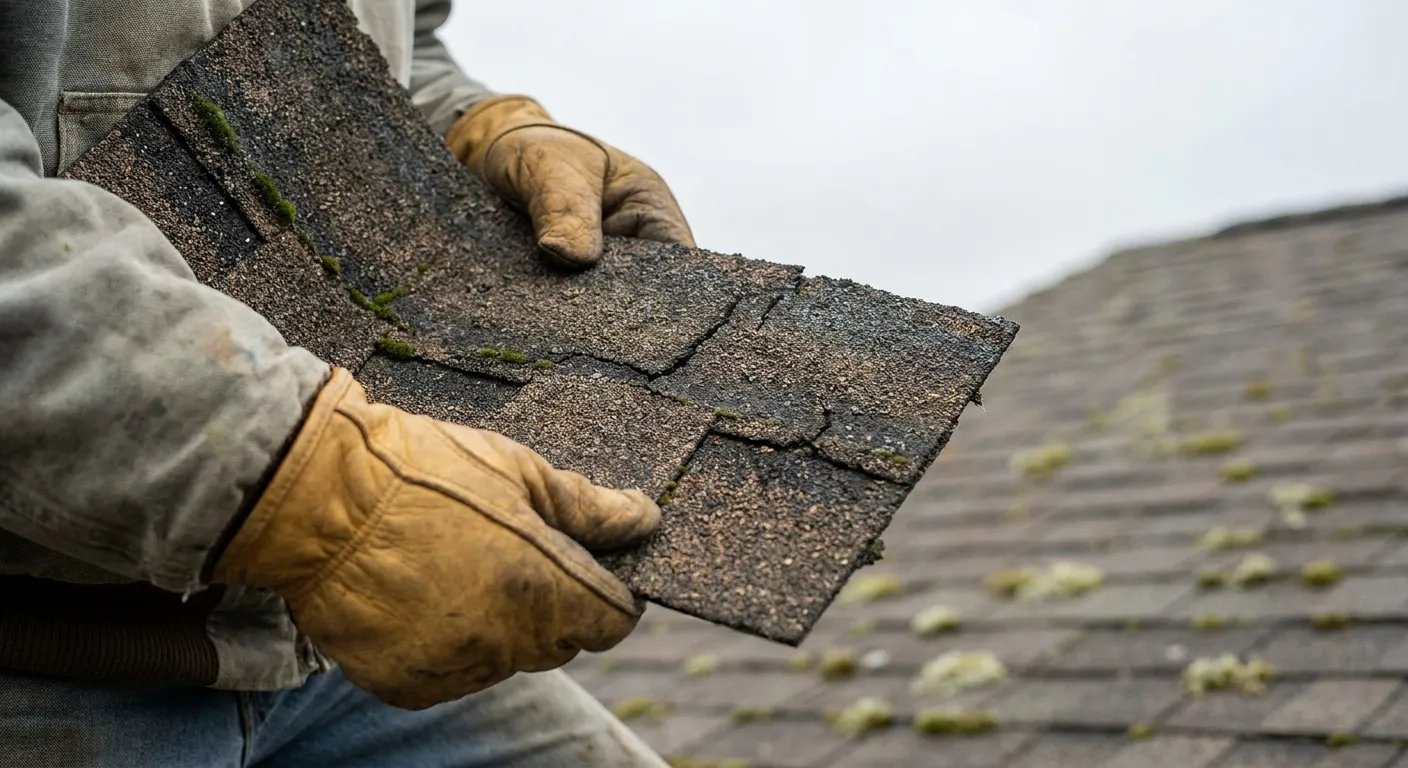
Durability is a key factor when choosing roofing materials, especially in a region like the Pacific Northwest, where roofs endure constant rain, wind, and moss growth. Standard asphalt shingles generally last between 20 to 30 years when properly installed and maintained. While this lifespan is respectable for a budget-friendly option, it does come with certain limitations. The consistent moisture of the Pacific Northwest can accelerate wear and tear on asphalt shingles, leading to issues like algae growth, curling, or cracking.
In contrast, composite shingles offer superior durability and longevity. Thanks to their synthetic construction, these shingles are highly resistant to moisture, warping, and moss growth. Many composite options are also designed to withstand high winds and heavy rainfall, making them an excellent choice for homes dealing with the challenges of Pacific Northwest weather. Composite shingles often boast a lifespan of 40 to 50 years or more, making them a long-term investment.
Another aspect to consider is weather resistance. The Pacific Northwest’s frequent rains and high humidity create an environment where asphalt shingles may degrade faster. Composite shingles, however, are engineered to endure these conditions without compromising their appearance or structural integrity. Their superior moisture resistance reduces the likelihood of mold or algae development, a common concern for local homeowners.
Whether you choose asphalt or composite shingles, regular upkeep is essential for maximizing their lifespan. Explore our seasonal roof maintenance tips to ensure your roof remains in peak condition.
Aesthetic Appeal and Design Versatility
The look of your roof significantly contributes to your home’s curb appeal, resale value, and overall aesthetic. Asphalt shingles offer a wide range of options for those seeking an attractive yet cost-effective solution. While traditional three-tab shingles present a simple, flat look, architectural asphalt shingles provide a more dynamic and dimensional appearance. These shingles mimic the texture of wood shakes or slate, offering homeowners a stylish option without breaking the bank.
For those looking to elevate their home’s appearance, composite shingles deliver unmatched design versatility. As premium roofing materials, composite shingles are crafted to closely replicate the look of natural slate, cedar shakes, or even other high-end finishes. Unlike the original materials they imitate, composite shingles resist cracking, moisture damage, and fading over time, allowing them to maintain their beauty for decades. The added curb appeal can also increase property value, making them a popular choice for homeowners focused on long-term investments.
Additionally, composite shingles come in a broad array of colors and finishes, allowing homeowners to customize their roof to match their home’s architectural style. Whether you’re drawn to sleek modern lines, classic natural textures, or bold color palettes, composite shingles provide the flexibility to achieve your vision.
To explore how high-quality roofing materials can enhance your home, check out roofing Redmond, WA for expert advice.
Installation and Maintenance Requirements
The installation process for asphalt shingles is well-understood and relatively straightforward. Many roofers are experienced in working with these materials, which can help keep labor costs manageable. However, achieving optimal results still depends on choosing a skilled professional. Incorrect installation can lead to early wear, leaks, and reduced lifespan, especially in a climate as wet as the Pacific Northwest.
Composite shingles, though more intricate to install, share the same need for professional craftsmanship. Their advanced materials require precision during application to ensure proper weather sealing and longevity. While this complexity may slightly increase the cost of installation, the result is a highly durable roof designed to withstand the rigors of local weather.
Maintenance requirements also differ between the two materials. Asphalt shingles are more susceptible to damage over time and may need occasional repairs to address issues like curling, cracking, or moss buildup. Composite shingles, meanwhile, demand less maintenance thanks to their resistance to these common issues. For Pacific Northwest homeowners, the lower upkeep associated with composite shingles can result in significant savings over the years.
Professional services, like those offered by Roof Pros NW, are essential for quality installations. Learn more about precision roof installation services in the region.
Energy Efficiency and Sustainability Considerations
Energy efficiency and sustainability are increasingly important factors for homeowners considering roofing materials. Standard asphalt shingles have a moderate level of energy efficiency, reflecting some heat and helping to moderate indoor temperatures. Darker shingles, however, tend to absorb heat, which may not be ideal for all homes during warmer months.
Composite shingles often surpass asphalt shingles in energy performance. Many are designed with reflective properties or include added insulation to improve heat regulation within the home. This can lead to lower energy bills, particularly during extreme weather conditions.
From a sustainability perspective, both materials have options to consider. Asphalt shingles are partially recyclable, though they often end up in landfills after their useful life. Composite shingles, however, are frequently made from recycled materials and are often fully recyclable themselves, adding to their eco-friendly appeal.
For homeowners interested in sustainable options, working with Bellevue roofing contractors ensures access to eco-conscious roofing solutions.
Choosing the Best Material for Your Needs
When deciding between asphalt shingles and composite shingles, several factors come into play. Budget is a primary concern for many homeowners, with asphalt shingles providing an affordable solution for good performance. Composite shingles, while more expensive upfront, deliver long-term value through extended durability, reduced maintenance, and exceptional aesthetics.
Weather conditions in the Pacific Northwest also influence the decision. Homeowners looking for maximum resistance to rain, moss, and wind may find composite shingles to be the better investment due to their resilience against moisture and cracking.
Ultimately, working with a knowledgeable contractor is crucial when weighing these options. To find the ideal balance of performance, aesthetics, and value, consult how to choose the best roofing company for help selecting the right partner for your project.
Schedule Your Roof Leak Inspection Today
If you’ve been dealing with a roof leak or even suspect one, don’t wait for the damage to spread. Roof Pros NW specializes in fast, effective leak inspections and repairs to keep your home safe and dry. A small issue can quickly grow into a costly problem, so addressing leaks early is key.
When you choose a professional roof leak inspection with us, you’ll benefit from:
- Accurate diagnostics to locate the leak and underlying damage
- Expert recommendations for cost-effective repair options
- Preventing further structural damage to your home
- Peace of mind knowing your roof is in trusted hands
- Flexible scheduling to make it convenient for you
Leaky roofs don’t fix themselves, and small repairs today can save you from major expenses down the road. Let Roof Pros NW help you take the first step toward a secure, watertight roof.
Click here to book your roof leak inspection today.
Conclusion
When it comes to choosing between asphalt shingles and composite shingles, the decision ultimately depends on your budget, aesthetic preferences, and the demands of your local climate. Asphalt shingles remain a popular choice for their affordability and straightforward installation, making them ideal for homeowners looking for a cost-effective option. Composite shingles, while more expensive upfront, offer unparalleled durability, long-term value, and design flexibility, especially for homes in the Pacific Northwest’s challenging weather conditions.
Understanding the specific benefits of each material helps ensure your roof not only protects your home but also enhances its curb appeal and long-term performance. Asphalt shingles provide a great balance of cost and reliability, while composite shingles excel in resisting moisture, moss growth, and wear, which are common in rainy climates. Either option can be a smart investment when installed by a skilled professional and maintained with regular care.
If you’re unsure which material is the best choice for your home, working with an experienced roofing contractor is the key. A professional can evaluate your home’s unique needs, offer recommendations tailored to your budget and goals, and provide quality installation to maximize your roof’s lifespan. Regular maintenance and inspections are also essential to keep your roof performing at its best; whether you choose asphalt or composite shingles, proactive care can help prevent costly issues down the line.
To get expert advice that is specific to your home, contact Roof Pros NW. Whether you are planning a roof replacement or need help comparing options, their team provides trusted solutions for homeowners in the Pacific Northwest. Schedule a consultation or explore roofing services to get started on your next roofing project.
Understanding the difference between asphalt shingles and composition shingles is key to making the best roofing material choice for your home. While the terms are often used interchangeably, they refer to different products with unique features. These key takeaways clarify the confusion, compare their performance, and highlight essential factors to consider when choosing between them.
- Asphalt shingles are a type of composition shingle: The term "composition shingles" includes asphalt shingles, which are made from a fiberglass or organic base coated with asphalt and granules. However, modern "composite shingles" increasingly refer to synthetic materials like polymers, rubber, and recycled plastics.
- Synthetic composite shingles offer advanced durability: Unlike traditional asphalt shingles, composite shingles are designed to resist cracking, fading, and weather damage, making them ideal for extreme climates and longer-lasting roofs.
- Asphalt shingles are more budget-friendly upfront: Traditional asphalt shingles are typically less expensive than synthetic composite shingles, making them a popular roofing choice for cost-conscious homeowners.
- Composite shingles mimic premium materials: Modern composite shingles are crafted to replicate the look of high-end materials like slate or cedar shake, providing improved curb appeal with less maintenance.
- Lifespan varies between the two materials: Asphalt shingles typically last 20-30 years, while composite shingles can last 40-50 years or more, offering greater long-term value despite the higher installation cost.
- Pacific Northwest weather impacts performance: Heavy rain and moss growth common in the region can shorten the lifespan of asphalt shingles, while synthetic composites resist moisture and moss buildup better.
- Both materials require professional installation for best results: Whether you choose asphalt or composite shingles, proper installation by a reputable contractor like Roof Pros NW ensures optimal performance and warranty coverage.
With these differences in mind, the rest of this article will dive deeper into cost, durability, weather resistance, and aesthetic considerations to help you decide which roofing material best fits your needs, budget, and long-term goals.
Frequently Asked Questions
How much does a typical roof inspection cost?
The cost of a roof inspection depends on factors like roof size, complexity, and accessibility. Contact Roof Pros NW for an accurate estimate tailored to your specific roof needs.
What should I ask before hiring a roofing contractor?
Ask about their licensing, insurance, experience, and customer reviews. Inquire about material options, warranties, and request a detailed written estimate. It’s important to choose a contractor like Roof Pros NW who is transparent and reliable.
Is a small roof leak worth repairing, or should I just replace the roof?
It’s often more cost-effective to repair small leaks promptly to prevent further damage. Roof Pros NW can assess your roof’s condition and recommend whether repair or replacement is needed.
Does homeowners insurance typically cover roof leaks or storm damage?
Homeowners insurance often covers roof damage from storms but might not cover wear-and-tear leaks. Review your policy details or contact your insurer for specific coverage information regarding roof leaks.
When and how should I expect to pay a roofer?
Payments often occur in stages: an initial deposit, progress payments, and final payment upon completion. Always receive a written contract detailing the payment schedule. Discuss this with Roof Pros NW during your consultation.
