Emergency Roof Repair Kent WA: What to Do Now
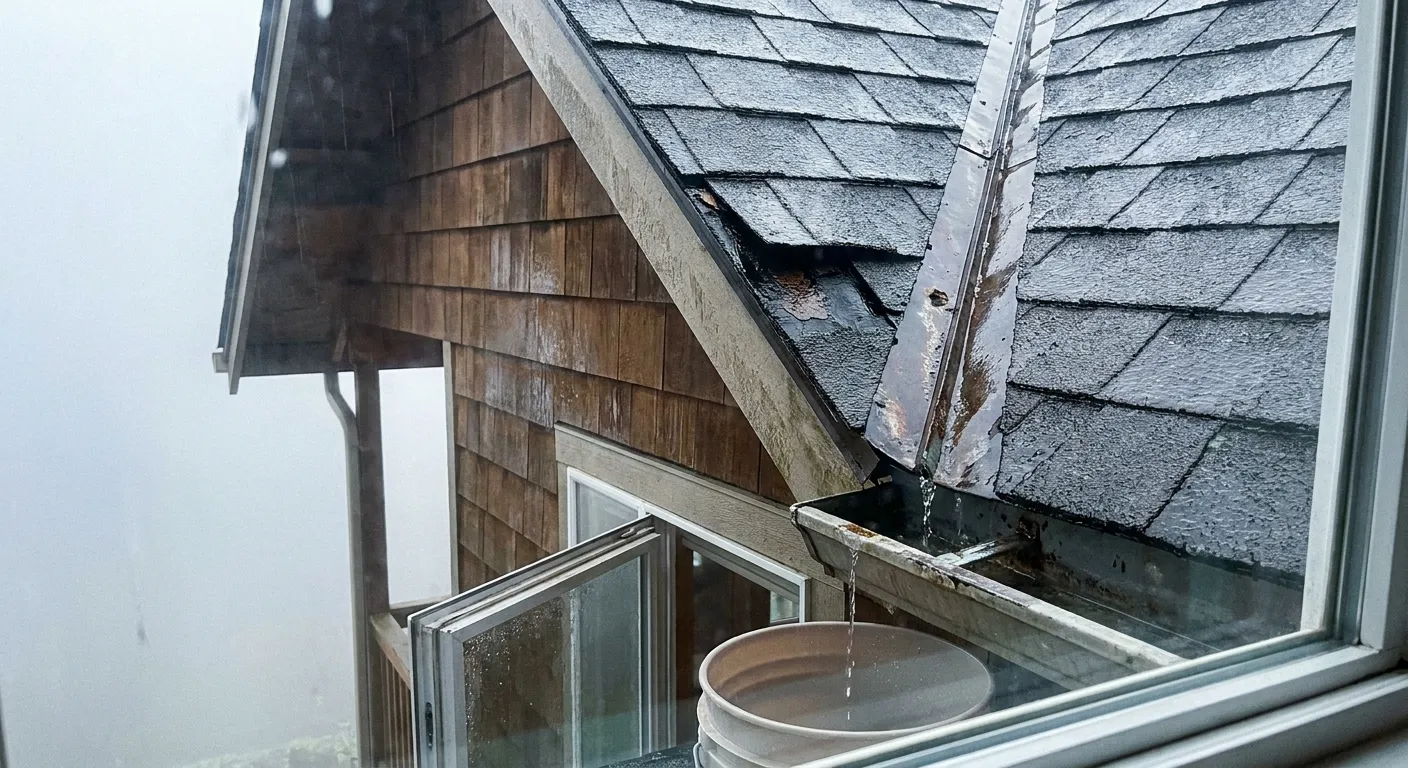
A roof leak can go from a few drops in a bucket to damaged ceilings, wet insulation, and electrical concerns faster than many homeowners expect. During a Puget Sound rainstorm, water does not need a large opening to get inside. Wind-driven rain can work beneath lifted shingles, through damaged flashing, or around areas hit by fallen limbs. When water is actively entering your home, the first hour matters.
Emergency roof repair in Kent WA is about more than fixing what you can see from the ground. It starts with protecting people, belongings, and the interior of the home while stopping additional water from entering. Move furniture and electronics away from the leak, place buckets under drips, and use towels to contain spreading water when it is safe to do so. If water is near electrical outlets, light fixtures, or your breaker panel, avoid touching the area and take extra care.
Kent, Seattle, and nearby King and Pierce County communities face long wet seasons, strong winds, and heavy moisture that put roofs under steady stress. A roof may look mostly intact after a storm while hiding missing shingles, loose flashing, punctures, or damaged decking underneath. A small active roof leak can also travel along framing or insulation before it appears as a ceiling stain somewhere else in the house. That is why quick leak containment and a professional evaluation are important after storm damage.
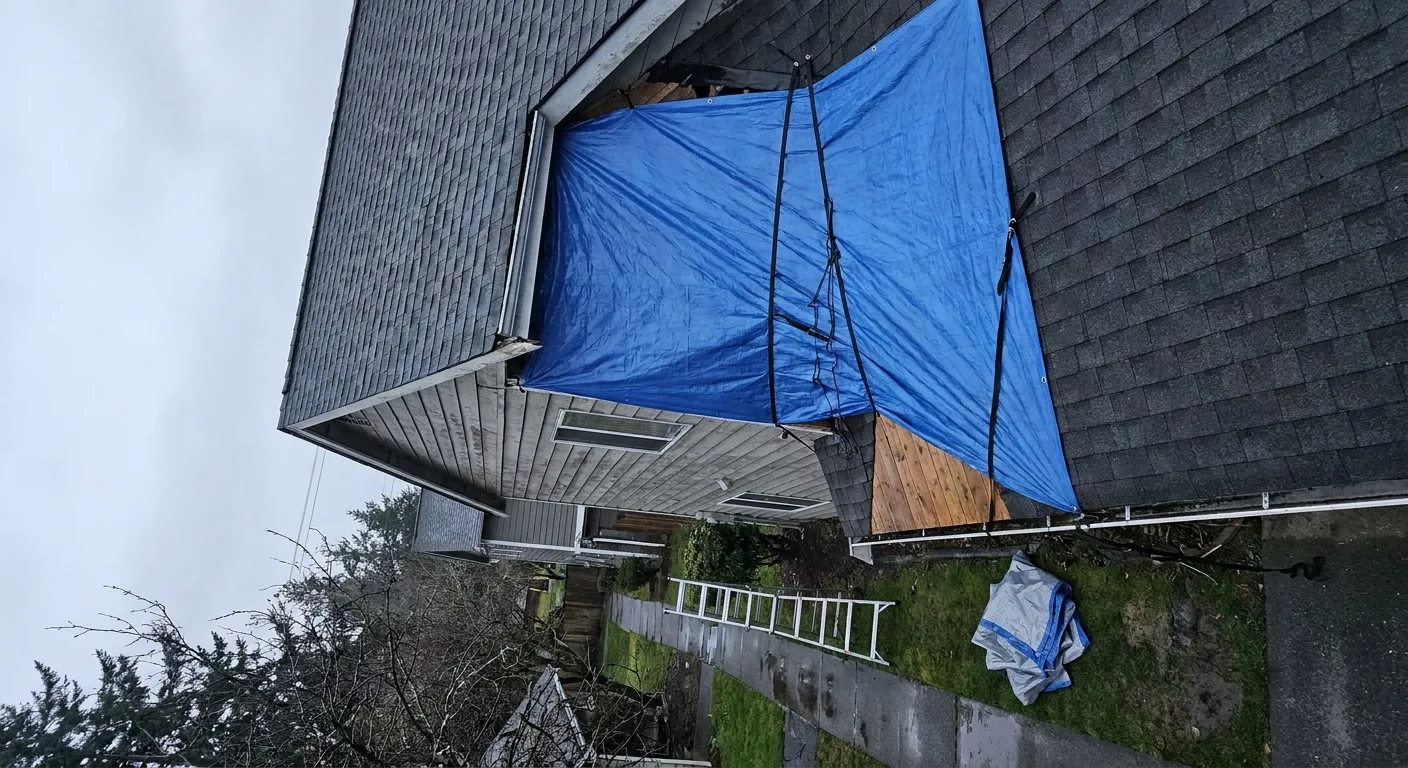
In many cases, a temporary roof tarp is the safest first response. Emergency tarping can cover an exposed section of roofing and help limit further water intrusion until weather conditions allow for a complete repair. It is a protective step, not a permanent solution. The underlying problem still needs to be identified, whether it involves wind damage, aging materials, damaged flashing, or fallen tree roof damage. Prompt roof repair services in Kent can help address the source of the leak before repeated moisture causes more extensive damage.
It is also helpful to document what happened. Take photos or videos of interior leaks, ceiling stains, visible roof damage, and affected belongings when it is safe to do so. This record may support an insurance claim and shows that you took reasonable steps to prevent additional loss. Avoid climbing onto a wet or storm-damaged roof yourself, especially during high winds or lightning.
This guide explains what qualifies as a roofing emergency, what to do while waiting for help, and how emergency roof tarping and permanent repairs work. You will also learn when storm damage may call for a full inspection, a targeted repair, or a roof replacement, so you can make a clear decision when your home needs protection most.
What Counts as an Emergency Roof Leak in Kent WA?
An emergency roof repair Kent WA situation involves active water entering a building, storm damage that exposes the roof, or interior moisture that is spreading quickly. For homeowners, property managers, and property owners in Kent, Seattle, and nearby Puget Sound communities, the priority is to protect people and limit further water intrusion damage.
A roof problem becomes urgent when it can damage ceilings, insulation, flooring, framing, or electrical systems. A leak does not need to be large to require attention. Water can travel along roof decking and framing before it appears inside, so the visible drip may be away from the true source.
Signs the Leak Needs Same-Day Help
Call for help promptly when you notice:
- Water dripping through a ceiling, wall, or light fixture
- A growing ceiling stain, sagging drywall, or a ceiling bulge
- Missing shingles, torn roofing, or damaged flashing after a storm
- A branch or tree limb on the roof
- A visible hole, exposed roof decking, or wind-lifted materials
- Water entering an attic, upper floor, or commercial unit
Even a small drip can point to a larger issue under the shingles or around a vent, chimney, skylight, or valley. Review these top signs you need immediate roof repair if you are unsure whether the problem needs urgent service.
Why Puget Sound Weather Makes Roof Leaks Worse
Kent and Seattle roofs face long wet seasons, heavy rain, wind, and repeated moisture exposure. During a Puget Sound rainstorm, wind-driven rain can get beneath lifted shingles or damaged flashing. Once water enters, it may continue soaking insulation and wood long after the outside rain slows.
Wind damage roof issues are especially urgent because a few loose shingles can expose a much larger area during the next storm. Quick containment helps reduce the chance that a roof issue becomes an interior repair project.
What to Do Right Away Before Help Arrives
If you are wondering what to do when your roof is leaking during a storm in Kent WA, focus first on people, electrical safety, and indoor containment. Do not climb onto a wet, steep, or storm-damaged roof. The first 30 to 60 minutes should be used to reduce interior damage safely.
Move People and Belongings Out of Harm’s Way
Keep people away from the leak area, especially if water is near light fixtures or a ceiling is sagging. Move furniture, electronics, rugs, documents, and valuables away from the affected space.
Use buckets or storage bins to catch drips. Place towels around the container to catch splashing, and use plastic sheeting over furniture that cannot be moved. Act quickly, but stay calm. Protecting the interior while waiting for a roofer can limit damage to floors and belongings.
Contain Water Safely Inside the Home
For roof leak containment, place containers under active drips and replace them before they overflow. If water is running down a wall, use towels at the baseboard and move nearby items away from the wall.
A bulging or sagging ceiling may mean water is pooling above the drywall. Do not poke, cut, or disturb it unless you can do so safely and are away from electrical hazards. If the area appears unstable, leave the room and contact appropriate emergency help. Water can damage drywall, insulation, and flooring quickly, so containment matters while roofing service is arranged.
Stay Away From Electrical Risks
Do not touch standing water near outlets, cords, appliances, light fixtures, or the breaker panel. Avoid rooms where water is coming through a ceiling light or electrical fixture.
If you can safely do so without entering a wet area, turn off power to the affected section at the main breaker. If you are unsure, keep clear of the area and contact a qualified electrician or emergency service provider. Safety comes before cleanup.
Document the Damage for Records
Take clear photos and short videos of active drips, ceiling stains, damaged belongings, fallen branches, and visible exterior damage. Write down the date, time, and weather conditions.
Document the roof from the ground only. Do not climb a ladder or walk on a wet roof to get better photos. These records can support an insurance discussion and help a roofer understand the situation before arriving.
How Emergency Roof Tarping Helps Stop More Damage
Emergency tarping is often the best first action after storm damage because it blocks additional water from entering the roof system. A temporary roof tarp is a protective cover secured over an exposed or damaged area until conditions allow for a full repair.
For an emergency roof tarping near Seattle after windstorm, fast tarping can help protect attic insulation, drywall, flooring, and electrical components from continued rain.
What a Temporary Roof Tarp Can Do
A properly installed tarp can cover missing shingles, torn areas, impact damage, or exposed decking. It helps direct water away from the opening and reduces ongoing water intrusion while the roof is evaluated.
Tarping is especially useful when rain is continuing or when a damaged area cannot be safely repaired immediately. It is a short-term barrier, not a restored roofing system.
Why Tarping Is Different From a Permanent Repair
A tarp stops or reduces water entry, but it does not fix the root cause. The roof may still need replacement shingles, flashing repairs, underlayment work, decking replacement, or vent repairs.
Think of emergency tarping as buying time. Once the active leak is controlled, a professional can inspect the affected roof area and recommend the proper permanent repair.
When Tarping May Be the Best First Response
Tarping may be the safest first step after wind damage, hail, missing shingles, or fallen tree roof damage. It is also common when darkness, ongoing rain, or unsafe roof conditions prevent detailed repair work.
For storm damage roof repair Seattle properties and emergency tarping services Pierce County properties, a temporary cover may allow the building to stay protected until weather improves and full repairs can be completed.
What Emergency Roofing Crews Usually Do First
Emergency response is usually a two-part process: stop additional water from entering, then determine what permanent work is needed. This approach helps address the urgent issue without rushing into repairs before the full damage is understood.
Leak Control and Damage Assessment
Crews commonly begin by identifying the likely leak source and checking for missing shingles, damaged flashing, exposed roof areas, loose vents, or wind damage roof problems. They focus first on the active roof leak and the areas most likely to allow additional rain inside.
The full repair plan often comes after the immediate threat is controlled. This is important because water may enter at one point and show up indoors several feet away.
Interior Protection and Exterior Stabilization
Emergency roofing services King County often start with the most urgent safety concerns. This can include helping identify the leak path, advising on interior protection, and stabilizing the roof with a tarp or temporary patch.
The goal is to limit further moisture exposure while preserving safe conditions for workers and occupants. If a roof area is unstable or a tree remains on the structure, additional steps may be needed before permanent roof work begins.
When to Expect a Temporary Fix First
Same-day storm damage roof repair Kent and Seattle area service may begin with containment instead of a final repair. Heavy rain, high winds, darkness, steep slopes, or unsafe materials can make permanent work impractical that day.
This is normal for emergency roof repair. A temporary repair protects the home first, followed by inspection and permanent work when conditions are safe.
Common Storm Damage Signs Homeowners Miss
Roof storm damage is not always obvious from the ground. A roof can appear mostly intact while small openings allow water beneath the shingles. Property managers and investors should also watch for interior warning signs during unit inspections after major weather events.
Hidden Damage After Wind, Rain, or Hail
Strong wind can lift shingle edges, loosen ridge caps, and pull flashing away from walls or chimneys. Hail can crack or weaken roofing materials without leaving a large visible hole.
After the storm, watch for new drips, stains, granules in gutters, or shingles that look uneven. Damage may first appear when the next period of heavy rain arrives.
Fallen Tree Roof Damage and Impact Points
Fallen tree roof damage can affect more than the spot where a branch lands. Impact can crack shingles, dent vents, bend gutters, break flashing, or damage the wood decking beneath the roofing.
Even a small limb can create an opening that allows rain into the attic. Avoid moving large branches yourself if they are tangled with power lines or have caused structural damage.
Interior Warning Signs That Point to Bigger Trouble
Ceiling stains, peeling paint, damp or musty insulation smells, bubbling wall paint, and warped drywall can all point to hidden moisture. Water often moves along framing before becoming visible in a room.
These signs should not be ignored, even if the active drip stopped. The roof should be inspected to find and correct the entry point.
Temporary Fixes vs Permanent Roof Repair
Knowing how to stop a roof leak temporarily before the roofer arrives can help protect the property, but a temporary solution should be followed by a proper evaluation. Stopping the drip is important, yet the roof still needs to perform through future rain and wind.
What Temporary Repairs Can Solve
Temporary tarps, roof patches, and interior water containment can reduce active leaking. They help protect the home while materials, weather, and safe work conditions are arranged for a full repair.
These measures are useful for roof leak containment, but they should not be treated as a long-term substitute for damaged roofing materials.
What Permanent Repairs Address
Permanent repairs fix the source of the leak. Depending on the inspection, this may involve shingles, flashing, underlayment, roof decking, fasteners, vents, or sealant details around roof penetrations.
The right solution depends on the type and extent of damage. A missing shingle repair is different from repairing wet decking or a failed flashing system around a chimney.
Why a Full Inspection Still Matters
The visible leak spot may not be the only damaged area. Wind can affect several roof sections, and water can spread beneath the roofing before appearing inside.
After emergency containment, schedule a professional inspection so the entire affected area can be checked. This helps prevent repeated leaks from overlooked damage.
Insurance, Documentation, and Emergency Roof Costs
Insurance and repair costs can feel overwhelming during a storm event. Keep the process practical: document what happened, save records, and ask clear questions about the work needed.
What to Save for a Storm Damage Claim
Keep copies of:
- Photos and videos of interior and exterior damage
- The date and time the leak began
- Weather notes, such as high winds or heavy rainfall
- Photos of fallen limbs or debris
- Receipts for emergency work and water cleanup
- Written repair recommendations and invoices
Prompt action can show that reasonable steps were taken to reduce additional damage. Coverage decisions depend on the policy and insurer, so avoid assuming what will or will not be covered.
What Can Affect Emergency Roof Repair Cost in Kent WA
The emergency roof repair cost in King County Washington can vary based on roof size, slope, access, the type of damage, materials needed, and whether temporary tarping is required.
A steep roof, active water entry, multiple damaged areas, or difficult access can increase the amount of labor needed. A detailed inspection is the best way to understand whether the work involves a small repair, larger storm restoration, or replacement planning.
Why Fast Documentation Matters
Records help show the timing of damage and the steps taken to limit loss. This is useful for homeowners, property managers, and investors coordinating repairs across one or more properties.
Clear documentation also helps the roofer understand what changed during the storm, especially if the active leak has slowed by the time of inspection.
When Emergency Repair Is Not Enough
Some roofs can be restored with targeted repairs. Others may have widespread damage, repeated leaks, or aging materials that make replacement a more practical long-term decision.
Signs the Roof May Need More Than a Patch
A roof may need more than a patch when there are repeated leaks, widespread missing shingles, sagging areas, major decking damage, or moisture problems across several sections.
Older roofs near the end of their useful life can also be harder to repair effectively after a major storm. A professional evaluation can explain whether repair remains reasonable or whether replacement should be considered.
Repair or Replacement After a Major Storm
The decision depends on the roof’s age, overall condition, damage location, and how much of the roofing system was affected. A localized problem may only require repair, while broad wind or impact damage may require a larger solution.
The important step is to control the leak first, then make a decision based on a complete inspection rather than the visible interior stain alone.
How Roof Pros NW Handles Emergency Roof Repair in Kent and Seattle
Roof Pros NW helps property owners address active leaks with a clear process: control water entry, assess roof storm damage, provide temporary protection when needed, and plan the appropriate repair.
What to Expect When You Call
The response begins with the immediate concern: active leaking, exposed roofing, missing shingles, or impact damage. The next step is to determine whether emergency tarping, temporary repair, or a full inspection is needed.
For Kent, Seattle, King County, and Pierce County properties, book a roofing appointment to request help with emergency assessment, tarping, and repair planning.
Why Local Experience Matters in the Puget Sound Area
Puget Sound roofs deal with frequent moisture, wind-driven rain, moss growth, and long periods of wet weather. These conditions can wear on shingles, flashing, valleys, and roof penetrations over time.
Roof Pros NW understands the common issues affecting Kent and Seattle roofs and can help identify whether a leak is tied to storm damage, aging materials, flashing failure, or another roofing concern. Learn more about roof repair services from trusted roofers in Kent.
Choosing a Roofer You Can Reach Fast
Emergency service requires clear communication and a practical plan. Look for a roofer that can address immediate tarping needs, inspect the damage, explain temporary versus permanent work, and provide repair follow-up.
It also helps to choose a contractor before the next storm arrives. This guide on how to choose a trustworthy roofer in Kent can help property owners prepare.
Related Roofing Questions Homeowners Ask
How Fast Can an Emergency Roofer Get There?
Arrival time depends on weather conditions, location, road access, and demand after a major storm. Same-day help may be possible when water is entering the home, but severe weather can affect scheduling and safe roof access.
Is a Small Drip Really an Emergency?
A small drip can still damage insulation, drywall, flooring, and electrical areas over time. Any active leak during a storm deserves attention, especially if the stain is growing or water is near a fixture.
Can the Roof Be Fixed the Same Day?
Some leaks can be temporarily controlled the same day with tarping or emergency patching. Permanent repairs may follow once weather improves, materials are available, and the roof can be worked on safely.
Final Thoughts: Protect Your Home Now
An active roof leak needs a simple, ordered response: protect people and belongings, contain interior water, document the damage, arrange emergency tarping if needed, and schedule a complete repair evaluation.
Fast action does not mean taking unsafe risks. Avoid wet roofs and electrical hazards while focusing on the steps that help limit additional moisture damage.
Take the First Step Before More Water Gets In
Treat active leaks, storm damage, missing shingles, and fallen tree impacts as urgent roofing concerns. Fast tarping is often the most effective way to help prevent secondary damage to insulation, ceilings, flooring, and electrical systems while permanent repairs are planned.
Contact Roof Pros NW for emergency roof repair Kent WA, roof inspection, temporary tarping, or follow-up repair by using the roofing appointment request form.
Conclusion
An emergency roof leak is more than a small home issue. In Kent and the wider Puget Sound area, active water intrusion can spread fast, especially during heavy rain, wind, and long wet seasons. The most important warning signs include dripping water, growing ceiling stains, sagging drywall, missing shingles, damaged flashing, fallen branches, or any visible opening in the roof. Even a leak that seems minor can still cause damage to insulation, wood framing, ceilings, flooring, and electrical systems if it is left alone.
The best first response is to stay safe and limit damage. Move people and belongings away from the leak, use containers to catch water, avoid electrical hazards, and take photos from the ground for records. If the roof is exposed or storm damaged, a temporary roof tarp may help stop more water from entering until a proper repair can be made. This is especially important when rain is still falling or when roof conditions are too unsafe for permanent work right away.
It also helps to remember that a leak may not show the full extent of the damage. Water can travel under shingles and along roof decking before it becomes visible inside. That is why a full roof inspection matters after any emergency event. A roofer can check shingles, flashing, vents, valleys, decking, and other problem areas to see whether the roof needs a simple repair, a larger storm repair, or replacement planning.
For homeowners, property managers, and property owners, acting early can save time, reduce stress, and help prevent the same problem from getting worse. It can also make the repair process easier if insurance is involved, since photos, notes, and receipts help show what happened and when. If you are comparing repair options or want a better sense of whether the roof can still be fixed, resources like roof repair services from trusted roofers in Kent and how to choose a trustworthy roofer in Kent can help guide the next step.
If your roof is leaking now, do not wait for the next storm to make it worse. Take the leak seriously, protect the inside of the home, and get a professional assessment as soon as you can. Contact Roof Pros NW through the roofing appointment request form to request emergency help, roof tarping, inspection, or repair planning.
If your roof is leaking during a storm, fast action can help limit damage to your home and belongings. These key takeaways explain what counts as a roofing emergency, what to do before help arrives, and how emergency roof tarping and repair work in Kent, Seattle, and the surrounding Puget Sound area.
- Act fast when water is getting inside: A roof leak during heavy rain, wind, or fallen tree damage should be treated as an emergency because even a small leak can spread to insulation, drywall, and electrical systems.
- Protect the inside of your home right away: Move furniture, buckets, and towels into place, and try to contain water before a roofer arrives. This first step can help reduce secondary damage inside the home.
- Emergency tarping is often the best first response: A temporary roof tarp can cover the damaged area and help block more water until a permanent repair can be made.
- Know what emergency roof crews do first: A fast response usually starts with leak control, roof tarping, and interior damage containment before any full repair plan is made.
- Storm damage in Kent and Seattle can be more serious than it looks: Wind, rain, hail, and fallen limbs can damage shingles, flashing, and roof decking even when the roof still looks mostly intact from the ground.
- Temporary fixes are not the same as permanent repairs: A patch or tarp can stop active water intrusion, but the roof still needs a full inspection and proper repair to fix the root problem.
- Some roof leaks call for same-day service: If water is entering the home, the leak is growing, or you see sagging, stains, or ceiling damage, emergency roof repair may be needed right away.
- Insurance claims may depend on quick action: Documenting the damage and getting emergency service fast can help support a storm damage claim and show that you took steps to prevent more loss.
- Pacific Northwest weather puts roofs under constant stress: Long wet seasons, strong winds, and heavy moisture can expose weak spots in flashing, shingles, and older roofing materials.
- Severe damage may mean repair is not enough: If the roof has widespread storm damage, repeated leaks, or major structural issues, a full roof replacement may be the better long-term solution.
Knowing what to do in the first hour of a roof leak can make a big difference in how much damage your home suffers. In the article below, you will learn how emergency roof repair works, what Roof Pros NW can do right away, and when to call for help in Kent, Seattle, King County, and Pierce County.
Get a Clear Plan for Your Roof
Whether you have noticed worn shingles, small leaks, or signs of aging, acting early can help you make informed decisions about your roof. Roof Pros NW offers professional roof inspections to identify current concerns and explain practical next steps.
A timely inspection can help you plan repairs before seasonal rain and wind place more stress on weak areas.
- Identify damaged, missing, or aging shingles
- Check flashing, vents, and other common trouble spots
- Spot early signs of moisture intrusion
- Receive clear recommendations without confusing jargon
- Get a better understanding of your roof’s condition and priorities
Do not wait until a small concern becomes a larger project. Schedule your roofing inspection with Roof Pros NW today through our online booking page.
What are the signs that a roof leak needs immediate professional repair?
A roof leak needs immediate professional repair when water is coming through the ceiling, walls, or light fixtures, or when a ceiling is sagging or staining quickly. Missing shingles, damaged flashing, visible holes, fallen branches, and active dripping during a storm are also urgent signs. Even a small leak can hide bigger damage in the roof system, attic, or insulation. If you see any of these issues, call Roof Pros NW for an inspection and emergency help.
How quickly can a roofing company respond to an active roof leak in Seattle?
Response time depends on weather, location, roof access, and current demand, especially during a storm. An active leak is treated as urgent, and same day help may be possible when water is entering the home. In many cases, the first step is emergency tarping or temporary leak control so the home can be protected before a full repair is scheduled. Contact Roof Pros NW as soon as you notice the leak so the team can assess next steps.
How do I know if I need emergency roof tarping or a permanent repair?
You usually need emergency tarping when the roof is exposed, water is still entering, or weather makes a full repair unsafe. A tarp is a short term protection step that helps limit more damage until conditions improve. A permanent repair is needed after the source of the leak is found, such as damaged shingles, flashing, underlayment, decking, or vents. Roof Pros NW can inspect the damage and explain whether tarping, repair, or both are needed.
What affects the price of emergency roof repair in Pierce County?
Emergency roof repair cost depends on the roof size, slope, material, age, damage level, access, and whether the job needs tarping, leak control, or a larger repair. Costs can also change if storm damage affects more than one area or if the roof is hard to reach. Because every leak is different, the best way to understand cost is to have the roof inspected. Contact Roof Pros NW for an estimate based on the actual damage.
Should I repair or replace my roof after storm damage?
That depends on the roof’s age, condition, and how much damage the storm caused. A repair may be enough if the damage is limited to one area, such as a few missing shingles or a flashing issue. Replacement may make more sense if the roof has repeated leaks, widespread storm damage, sagging areas, or aging materials near the end of their useful life. Roof Pros NW can inspect the roof and give you a clear recommendation based on what is found.
