Flat Roof Pros and Cons: How Climate Impacts Performance
Flat roofs are a popular choice for homeowners and property managers, valued for their sleek design and practicality. But how well do they handle the demands of different climates? The truth is, a flat roof’s performance can vary widely based on the weather patterns, drainage needs, and maintenance challenges specific to your location. From the dry heat of Fresno to the consistent rain in Seattle, understanding these differences is key to making a smart roofing decision.
Why does this matter? Your roof is your first line of defense against the elements, and proper performance ensures long-term protection for your home or property. For example, while flat roofs thrive in dry climates where rainfall is minimal, areas with heavy rain require advanced waterproofing and effective drainage systems to prevent costly issues like ponding water or leaks. Neglecting these considerations could lead to premature wear, water damage, or rising maintenance costs over time.
Choosing a flat roof also means understanding the right materials for your region. Options like EPDM, TPO, and modified bitumen offer varying levels of durability and water resistance, which can make all the difference in challenging climates. For homeowners in the Pacific Northwest, where moss and moisture can be persistent, selecting specialized materials and building systems tailored to the region is essential for long-term performance.
In this guide, we’ll explore the pros and cons of flat roofs by region, focusing on how climate impacts their maintenance, lifespan, and functionality. Whether you’re considering the energy efficiency benefits flat roofs offer in hot regions or weighing the maintenance demands of installing one in a wet climate, this article will help you answer one crucial question: Is a flat roof the right choice for your home or property?
Flat roofs offer unique advantages and challenges that vary significantly depending on the climate where they are installed. Understanding how regional weather patterns, drainage needs, and maintenance demands impact flat roof performance is crucial for homeowners and property managers. These key takeaways will help you decide if a flat roof is the right choice for your specific location and conditions.
- Flat roofs perform differently in wet vs dry climates: In dry regions like Fresno, flat roofs excel due to minimal rainfall and reduced drainage issues, while wet areas like Seattle demand higher maintenance and advanced waterproofing to handle consistent moisture.
- Effective drainage is a must in wet regions: Flat roofs in rainy climates require specialized drainage systems to prevent water pooling, which can lead to leaks and structural damage if ignored.
- Roof performance depends heavily on waterproofing materials: Membrane roofing systems like EPDM, TPO, and modified bitumen ensure better protection from water intrusion, especially in high-moisture climates.
- Regional building codes and expertise matter: Your local climate affects flat roof requirements, and hiring a contractor familiar with regional codes and weather challenges ensures long-term performance and compliance.
- Maintenance needs vary by climate: Flat roofs in wet regions require more frequent inspections and upkeep to prevent moss growth, leaks, and moisture problems, while dry climates reduce maintenance demands.
- Flat roofs offer energy efficiency benefits in hot areas: Heat-reflective coatings can lower cooling costs in warm climates, making them an energy-saving option for cities like Fresno.
- Know your region’s specific risks before choosing flat roofs: Factors like snow load in colder climates, moss in coastal areas, and extreme heat in deserts impact both lifespan and cost.
With these takeaways in mind, the rest of this article will dive deeper into the pros and cons of flat roofs by region, focusing on how climate, materials, and proper maintenance influence flat roof performance and longevity where you live.
Flat Roof Pros and Cons: How Climate Impacts Performance
Flat roofs are a popular roofing option for both residential and commercial properties, offering a sleek, modern look and cost-effective installation compared to their sloped counterparts. However, how a flat roof performs depends significantly on the region’s climate and specific weather challenges. From dry heat to persistent rain, understanding how flat roofs respond to different conditions is key to determining their suitability for your property.
What Makes Flat Roofs Different?
Flat roofs are designed with minimal slope (less than 10 degrees), which gives them a distinct advantage in maximizing usable space. They are typically constructed with materials like TPO (thermoplastic polyolefin), EPDM (ethylene propylene diene monomer), and modified bitumen, each of which has unique strengths for weather resistance and durability.
The flat design often makes maintenance and repair easier, as technicians can walk safely across the surface without specialized equipment. Additionally, flat roofs support modern features like rooftop solar panels, HVAC systems, or even green roofs. However, challenges like water pooling and increased susceptibility to UV damage make it crucial to consider regional climate factors when choosing a flat roof.
Flat Roof Pros in Dry Climates: Why Fresno Loves Flat Roofs
Dry regions like Fresno, CA, are particularly well-suited for flat roofs. The arid climate presents fewer risks of water damage, which can be a primary concern for flat roof owners in wetter areas. Here are some key advantages of flat roofs in dry climates:
- Energy Efficiency: Fresno’s hot, sunny weather makes energy efficiency a top priority for property owners. Modern flat roofs can be coated with reflective layers, such as TPO membranes, to reduce heat absorption and keep interiors cool.
- Minimal Water Damage Risk: With very little annual rainfall, property owners in Fresno rarely face issues like water pooling or leaks, which affect flat roofs in wetter climates.
- Cost Savings: Flat roofs are often more affordable to install compared to sloped roofs. For Fresno homeowners, reduced maintenance demands due to the dry climate further enhance these savings.
- Design Benefits: Flat roofs fit well with the modern architectural styles popular in Fresno and are ideal for maximizing usable rooftop space for lounging areas or solar panel installations.
Given these advantages, property owners in Fresno often benefit from flat roofs—with their energy-saving features and low maintenance requirements allowing them to perform exceptionally well in dry climates.
Challenges Wet Regions Like Seattle Face with Flat Roofs
On the other hand, wet climates like Seattle, WA, present considerable challenges for flat roof performance. Regular rainfall, persistent moisture, and moss growth are significant concerns that affect the longevity and maintenance demands of flat roofs in this region.
Common Issues With Flat Roofs in Seattle’s Climate
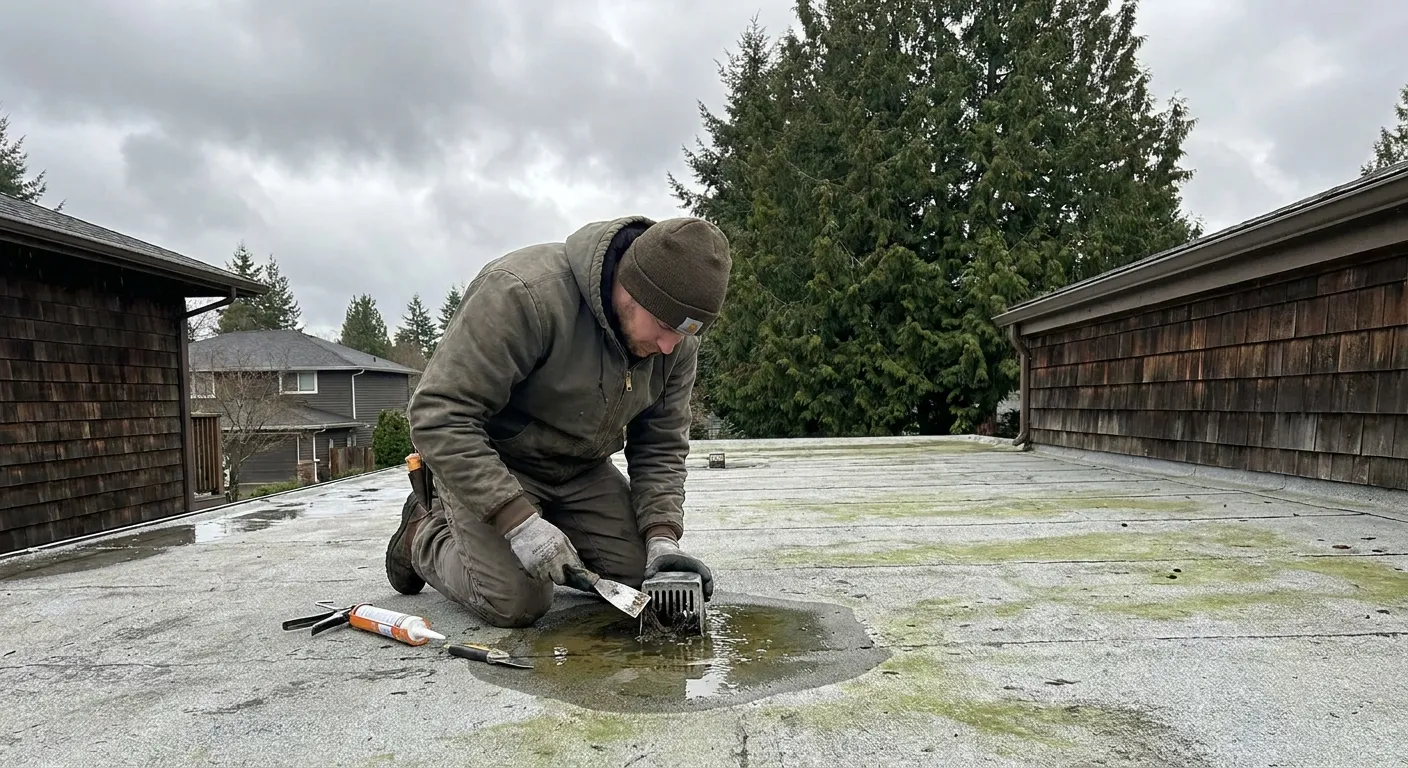
- Water Pooling: Flat roofs have low slopes, which makes drainage more challenging in heavy rainfall. Without proper drainage systems, standing water can weaken roofing materials over time and lead to leaks.
- Moss Growth: Moss and algae thrive in Seattle’s damp climate, and flat roofs create the perfect environment for this growth. Left untreated, moss can degrade roofing materials and add extra weight.
- Material Wear: Frequent exposure to moisture accelerates wear on even high-quality flat roof materials like EPDM or TPO. Prolonged wet conditions can eventually weaken seams and compromise waterproofing.
How Flat Roofs Can Succeed in Seattle
Despite these challenges, flat roofs in Seattle can perform well with the right preparation and maintenance. Key measures include:
- Regular roof inspections to catch issues early. Use Reliable Local Roof Inspections to ensure water damage or drainage problems are addressed proactively.
- High-quality waterproof membranes to protect against leaks. Advanced materials such as TPO can provide critical durability for the region’s wet weather patterns.
- A professionally installed drainage system to move rainwater off the roof efficiently. Work with affordable roofing contractors in Seattle, WA to ensure the system is tailored to the property’s needs.
These solutions emphasize the importance of ongoing care and working with a skilled contractor to optimize flat roof performance in Seattle’s rainy climate.
Climate-Specific Challenges: Cold Climates, Desert Heat, and Beyond
While dry and wet climates have distinct flat roof challenges, other environmental factors—such as freezing temperatures, extreme heat, and exposure to salty air in coastal areas—introduce unique considerations.
Cold Climates: Snow Load and Freeze-Thaw Cycles
In colder regions with heavy snowfall, flat roofs must withstand the added weight of snow loads. Accumulated snow and ice can stress structural supports, leading to sagging or leaks. Additionally, freeze-thaw cycles cause water to expand and contract within cracks, increasing the potential for damage.
To mitigate these risks:
- Opt for materials like modified bitumen, which can handle extreme cold better than some TPO roofing systems.
- Plan for snow removal to prevent excess weight accumulation on flat roofs.
Desert Heat: UV Resistance and Thermal Expansion
In desert climates, such as Arizona or Las Vegas, intense sunlight and high temperatures are constant issues. Over time, UV rays can degrade conventional roofing materials, causing cracks and weakening seams.
Homeowners in hot climates should consider UV-resistant materials like TPO, which reflect sunlight and minimize thermal expansion. Frequent inspections to monitor cracks are also essential in desert regions.
Coastal Areas: Salt and Wind Resistance
For properties near the coast, salt exposure and high winds create additional challenges. Salt can corrode flat roof materials, while intense wind gusts may loosen edges or seams.
Choosing durable, wind-resistant materials and ensuring proper sealing against saltwater intrusion are critical for flat roof longevity in these areas.
The Importance of Working with Local Experts
No matter where you live, choosing a flat roof requires precise planning to account for local climate conditions. Working with an experienced local contractor plays a critical role in ensuring your flat roof’s success. Roofing professionals possess the expertise needed to recommend materials, designs, and maintenance plans tailored to regional challenges.
For instance, Roof Pros NW specializes in addressing specific weather conditions faced by Seattle-area property owners. From reliable roof inspections to expert material selection, their team provides customized solutions to help flat roofs thrive in all weather conditions.
Benefits of Local Expertise
- Contractors understand regional building codes and compliance requirements.
- Familiarity with climate challenges ensures proactive solutions for drainage, waterproofing, and other concerns.
- Local professionals can guide homeowners through material selection, whether it’s TPO for reflective properties or EPDM for cold resistance.
By partnering with dependable contractors like Roof Pros NW, property owners gain peace of mind knowing their flat roof is designed and maintained for long-term performance.
Comparing Flat Roof Maintenance by Region
Maintenance requirements for flat roofs vary dramatically depending on regional climate factors. A well-maintained roof can last up to 20 years or more, but the amount of effort and frequency of care differ by location.
- Dry Climates (e.g., Fresno): Maintenance is minimal. Annual inspections to evaluate the condition of reflective coatings and seams will suffice in these low-moisture areas.
- Wet Climates (e.g., Seattle): Frequent maintenance is essential. Cleaning debris from roof drains, removing moss, and resealing seams should be performed regularly.
- Cold Climates: Snow removal and monitoring for ice dams become common tasks during winter months.
- Desert Climates: Inspections to catch UV-related cracks and protect roofing materials from thermal damage are a priority.
Regardless of location, consistent inspections and preventive care are crucial for avoiding costly repairs. To ensure your flat roof lasts, consider scheduling local roof inspections or exploring roofing services with Roof Pros NW to address maintenance needs.
Through region-specific practices and guidance from experienced professionals, property owners can maximize the durability and performance of their flat roofs while minimizing long-term costs.
Take Action on Your Roof Repairs Today!
Taking care of roof repairs promptly can save you from bigger headaches down the road. Whether you’ve spotted minor damages or noticed signs of wear, Roof Pros NW is here to help with a professional roof repair estimate. Waiting too long could lead to costly repairs, so why not tackle it now?
When you choose Roof Pros NW for your roof repair needs, you’ll benefit from:
- A free, no-pressure repair estimate customized to your roof’s condition
- Experienced professionals with a deep understanding of local roof issues
- Long-lasting solutions using high-quality materials
- Quick scheduling and prompt service to get the job done fast
- Peace of mind knowing your roof is in expert hands
Don’t wait until a small issue turns into a big problem. Book your roof repair estimate today and let Roof Pros NW protect your home!
Conclusion
Flat roofs can offer significant advantages like cost-effective installation, modern design, and added usable space, but their performance depends heavily on regional climate conditions. In dry climates, flat roofs excel with minimal maintenance and energy-saving features, making them a practical choice for areas like Fresno. However, in wetter climates such as Seattle, they face unique challenges like water pooling, moss growth, and material wear. With the right modifications, such as high-quality waterproofing and proper drainage systems, flat roofs can still thrive in these rainy regions.
For homeowners and property managers, understanding how local weather impacts flat roofs is essential to making informed decisions. Whether you own property in a dry, wet, cold, or coastal climate, routine maintenance like inspections and cleaning plays a crucial role in protecting your roof and extending its lifespan. Proactive care helps identify issues early, such as cracks, drainage problems, or UV damage, before they result in costly repairs.
Partnering with local professionals ensures your flat roof’s design and materials are tailored to your region’s specific needs. Experienced contractors like Roof Pros NW can help you tackle climate challenges, from selecting the best roofing materials to implementing effective maintenance and repair practices. Their expertise ensures your flat roof is equipped to provide reliable protection for years to come.
If you live in an area like Seattle, consider scheduling reliable roof inspections to catch potential issues early and optimize your roof’s performance. For flat roof owners in any climate, taking the time to consult with skilled roofing experts is the first step to maximizing durability, energy efficiency, and long-term savings.
To protect your investment and keep your flat roof in top condition, contact Roof Pros NW today. Their team is ready to help you navigate your roofing needs and ensure your roof is built to withstand your region’s unique challenges.
How much does flat-roof repair or replacement cost in my area?
The cost of flat-roof repair or replacement depends on several factors such as the size of your roof, its age, the materials used, roof slope, the extent of damage, and labor requirements. It’s best to contact Roof Pros NW for a tailored estimate to meet your specific needs.
What should I ask a flat-roofing contractor before hiring them?
You should inquire about their experience, licensing, insurance, warranty on materials and workmanship, and references from past clients. Asking about their familiarity with local building codes and climate challenges is also crucial. Reach out to Roof Pros NW for a detailed consultation.
How do I choose a reliable flat-roof contractor and avoid scams or storm-chasers?
Look for a contractor with proper licensing and insurance, positive reviews, substantial experience, and clear communication. Verify their local presence and avoid those with aggressive sales tactics. Contact Roof Pros NW for trustworthy roofing services.
What warranties should I expect on flat roof materials and workmanship?
Expect warranties that cover both the materials and the workmanship. Material warranties can vary based on the type and brand, while workmanship warranties protect against installation errors. Roof Pros NW can provide detailed information on the warranties they offer.
Should I get multiple quotes for flat-roof work, and how do I compare them?
Yes, getting multiple quotes allows you to compare costs, materials, and services. Look for detailed, itemized estimates that outline the scope of work. Pay attention to differences in materials, warranties, and timelines. Roof Pros NW can provide a comprehensive estimate for your project.
