Metal Roof vs Shingles: Pros, Cons, and Cost Comparison
When it comes to choosing a new roof for your home, one question often rises to the top: metal roof or asphalt shingles? Both materials offer unique advantages, but your decision can impact your home’s durability, energy efficiency, curb appeal, and long-term value. For homeowners in the Pacific Northwest, the choice becomes even more important due to the region’s heavy rain, frequent moisture, and moss growth that can push roofing materials to their limits.
A roof does far more than shield your home from the elements—it protects your biggest investment from water damage, supports energy efficiency, and preserves your home’s structural integrity. Deciding between a metal roof and shingles means weighing upfront costs, ease of maintenance, and weather resistance while keeping your home’s style and budget in mind. Despite their higher initial cost, metal roofs are known for their long lifespan of up to 70 years, making them a sustainable and energy-efficient option. On the other hand, asphalt shingles provide a budget-friendly solution with appealing design versatility, but they generally require more frequent replacements and can be vulnerable to moss in the damp climate of the Pacific Northwest.
In this article, we’ll explore the pros and cons of metal roofs versus asphalt shingles, comparing essential factors like cost, durability, maintenance requirements, energy efficiency, and suitability for the Pacific Northwest climate. Whether you’re replacing your roof for the first time or upgrading to improve long-term value, this guide will provide the practical insights needed to make the smartest choice for your home and lifestyle.
Choosing between a metal roof and asphalt shingles is a major decision that impacts your home's durability, energy efficiency, maintenance needs, and long-term value. While both options offer unique benefits, your choice should also consider how Pacific Northwest weather—heavy rain, moss growth, and temperature swings—affects the performance of each material. These key takeaways highlight essential factors to keep in mind as you weigh your options.
- Metal roofs last significantly longer than shingles: Metal roofs can last 40-70 years with proper care, outlasting asphalt shingles, which typically need replacing after 20-30 years.
- Shingles are more budget-friendly upfront: The cost of asphalt shingles is lower initially, making them an affordable choice for many homeowners compared to the higher upfront investment of metal roofing.
- Pacific Northwest weather impacts both materials differently: Heavy rain and moss growth can wear down shingles over time, while a metal roof's moisture resistance and slick surface help prevent moss issues.
- Metal roofs offer better energy efficiency: They reflect sunlight, keeping homes cooler in summer and potentially reducing energy costs, while asphalt shingles absorb more heat.
- Shingles provide better noise dampening: During heavy rain or hail, asphalt shingles produce less noise than metal roofs, which can echo louder unless adequately insulated.
- Maintenance requirements vary between the options: Shingles may need periodic repairs or replacements, while metal roofs are more durable but require occasional checks for dents or coating wear.
- Installation complexity affects metal roofing costs: Installing a metal roof is more labor-intensive and requires specialized expertise compared to the quicker process of laying shingles.
- Both materials offer strong resale potential: Metal roofs typically boost resale value due to their longevity and energy efficiency, while high-quality asphalt shingles can still attract buyers at a lower upfront cost.
- Metal roofs are eco-friendly and recyclable: Many metal roofs are made from recycled materials and can be fully recycled at the end of their lifespan, making them a sustainable choice.
- Shingles work well for versatile home styles: Asphalt shingles come in a wide range of colors and designs, making them an adaptable option to complement various architectural aesthetics.
With these takeaways in mind, the rest of the article will dive deeper into the pros, cons, and costs of each roofing material, helping you decide which option is the best fit for your home's style, budget, and Pacific Northwest climate challenges.
Introduction
When choosing between a metal roof and asphalt shingles, homeowners in the Pacific Northwest must weigh factors such as cost, durability, maintenance needs, and climate suitability. The decision directly impacts your home’s protection against the region’s heavy rainfall, moss growth, and wind, as well as its overall value.
Metal roofs and asphalt shingles are two of the most popular roofing materials available today, each offering unique advantages and trade-offs. Metal roofs are praised for their longevity and resilience, while asphalt shingles remain a cost-effective and versatile solution. However, their performance in a wet and storm-prone environment like the Pacific Northwest can vary significantly.
Understanding the metal roof vs shingles pros and cons can help you choose the best option for your property while considering long-term value and everyday practicality. This guide breaks down everything you need to know to make an informed roofing decision tailored to the Pacific Northwest’s unique challenges.
The Basics of Metal Roofs and Asphalt Shingles
What Is a Metal Roof?
Metal roofing is made from durable materials such as aluminum, steel, or copper, and is designed for exceptional longevity and weather resistance. Metal panels or shingles interlock to create a sleek, water-tight surface ideal for long-term protection. Homeowners increasingly choose metal roofs for their eco-friendliness and ability to handle heavy rain and storms.
In addition to lasting 40–70 years, metal roofs are also resistant to moss, a common issue in the Pacific Northwest. They reflect heat, reducing energy costs during warmer months, and their smooth surfaces make it challenging for debris and moss to accumulate. To dive deeper into their benefits, check out The advantages of metal roofing for residential homes.
What Are Asphalt Shingles?
Asphalt shingles are one of the most widely used roofing materials in the U.S. Made from a fiberglass or organic base layered with asphalt and granules, these shingles balance affordability, versatility, and visual appeal.
Asphalt shingles provide reliable protection for 20–30 years when properly maintained. They’re available in various colors and styles, making it easy to match your home’s aesthetic. In the Pacific Northwest, however, their lifespan can be compromised by moss growth and prolonged exposure to moisture without proper care. For more details, visit Understanding roof shingles: composition, materials, types, and benefits.
Comparing Metal Roof vs Shingles on Durability and Lifespan
How Long Do Metal Roofs Last?
One of the main reasons homeowners invest in metal roofs is because of their exceptional durability, often lasting 40–70 years. Metal is resistant to rust, mold, moss, and heavy Seattle rains, which can prematurely wear down other roofing materials. With proper installation and occasional inspections, a metal roof can outlast multiple shingle roofs, making it a preferred choice for long-term value.
How Long Do Asphalt Shingles Last?
Asphalt roofs typically last 20–30 years, but this lifespan can shorten in the Pacific Northwest due to excessive moisture and moss growth. While durable against moderate rain, asphalt shingles can curl, crack, or lose granules over time, particularly if water infiltrates beneath them. Regular maintenance, such as moss removal, is essential to protect their structural integrity. For cost-related details, visit Asphalt composition shingles cost: key factors to know.
Cost Comparison of Metal Roof vs Asphalt Shingles
Metal Roofing Costs
Metal roofs are initially more expensive, with higher costs for materials and specialized installation. However, this upfront investment often pays off over time. Because metal roofs rarely need replacement or repairs, they have lower long-term costs. Additionally, metal’s reflective properties can reduce cooling expenses during summer, adding to your home’s energy efficiency.
Asphalt Shingles Costs
Asphalt shingles are an ideal solution for those working within a smaller budget. They are significantly cheaper to purchase and install compared to metal roofs. However, shingle replacements and repairs are more frequent, which can add up in the long run. This makes them less cost-effective over the roof’s full lifespan.
Long-Term Value and ROI
When comparing long-term value, metal roofs often come out ahead due to their durability and energy-saving benefits. Homes with metal roofs also tend to have higher resale values. However, for homeowners focused on upfront affordability, asphalt shingles remain a practical option. If you’re considering a replacement, read about roof replacement and repairs by Roof Pros NW.
Maintenance Needs: Metal Roof vs Shingles
Maintaining a Metal Roof
Metal roofs require minimal upkeep. Occasional inspections can help identify dents or worn coatings, especially after hail or wind storms, but overall, they are low-maintenance. Their smooth surface naturally sheds debris and resists moss, which is a significant advantage in the Pacific Northwest.
Maintaining Asphalt Shingles
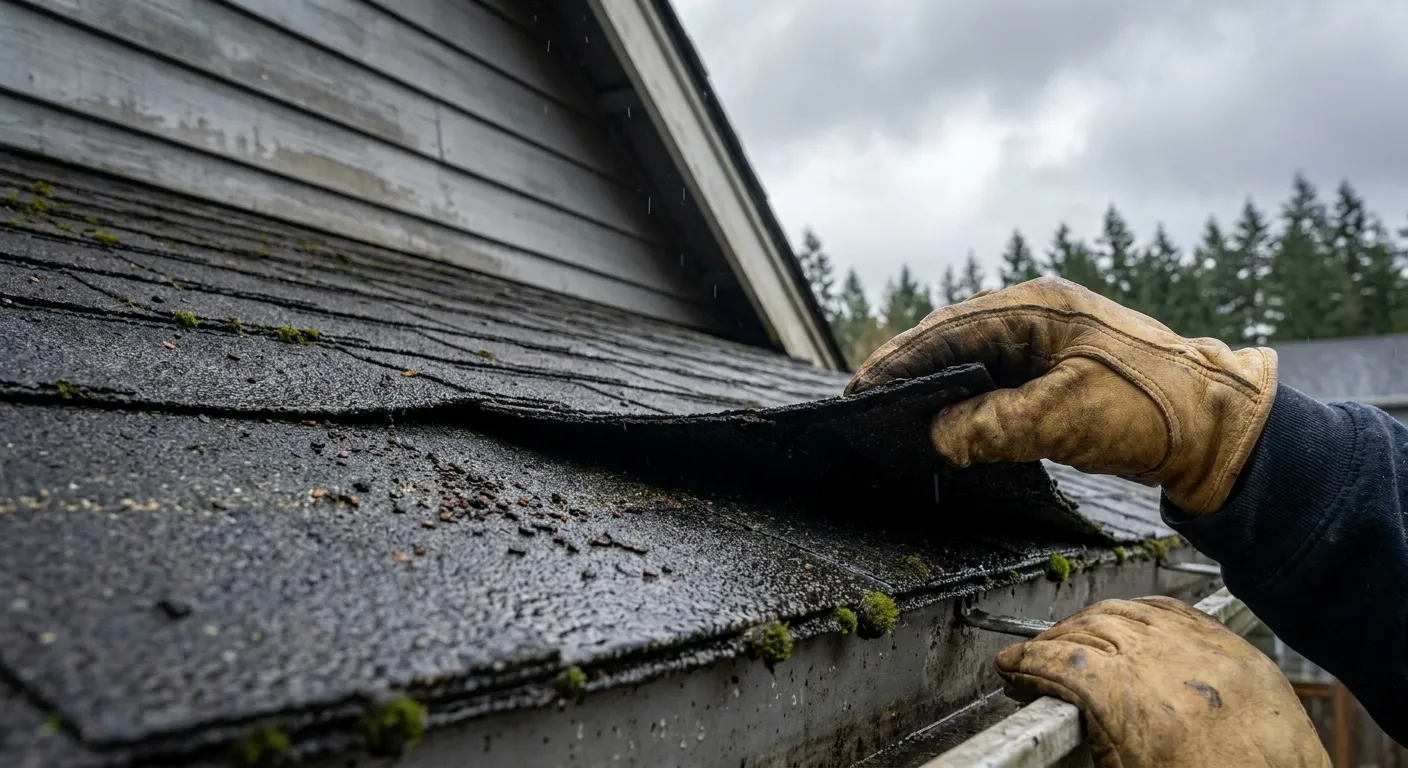
Caring for asphalt shingles is more involved, particularly in the damp Pacific Northwest. Homeowners often face moss growth, which can weaken the roof if left untreated. Regular moss removal and keeping gutters clear are essential. Replacing damaged or missing shingles after storms is also common. Learn more about moss removal and storm damage repair details on Roof Pros NW.
Energy Efficiency and Climate Suitability
How Metal Roofs Save Energy
Metal roofs have excellent reflective properties that help reduce heat absorption during warmer months. This can lower cooling requirements and energy bills. In the Pacific Northwest, their insulating capabilities and resistance to wind-driven rain make them well-suited for the region’s variable temperatures.
Energy Performance of Asphalt Shingles
Asphalt shingles, while less energy-efficient, can still perform well with proper ventilation. They tend to absorb heat more than metal roofs, which may lead to higher cooling costs during hot summers. In rainy regions, the focus should be on ensuring proper attic ventilation to prevent moisture issues over time.
Noise Levels, Appearance, and Versatility
Noise Levels During Rain or Hail
One common concern with metal roofs is noise during rain or hail. However, adding proper insulation can minimize this issue, making modern metal roofs quieter than many assume. Asphalt shingles naturally dampen sound, absorbing the impact of raindrops and hail better without additional insulation.
Curb Appeal and Design Options
Both roofing materials offer attractive design options. Metal roofs provide a sleek, modern aesthetic that appeals to homeowners seeking a contemporary look. Asphalt shingles, on the other hand, offer a wide variety of colors, styles, and patterns to match traditional or architectural designs. To explore shingle types, visit Architectural shingles vs composition shingles comparison.
Environmental Impact and Sustainability
Metal Roofs and Recyclability
Metal is one of the most sustainable roofing materials. Most metal roofs are made from recycled materials and are 100% recyclable at the end of their lifespan. This makes them an excellent choice for environmentally conscious homeowners prioritizing sustainability.
Asphalt Shingles and Sustainability
Asphalt shingles have improved in sustainability thanks to recycling programs, but they are still less eco-friendly than metal. Discarded shingles often end up in landfills, contributing to environmental waste. Learn more about this comparison in Composition vs asphalt shingles key differences.
Key Considerations for Homeowners in the Pacific Northwest
Handling Wet Weather and Moss Growth
The region’s wet climate requires a roof that can withstand constant moisture. Metal roofs excel in this regard, resisting moss and algae with ease. In comparison, asphalt shingles often need regular maintenance to prevent biological growth and ensure water doesn’t penetrate the surface.
Wind and Storm Resistance
The Pacific Northwest also experiences windstorms, which makes secure roofing essential. Metal panels, when properly installed, are highly resistant to wind damage. On the other hand, asphalt shingles are more susceptible to lifting or being blown off during strong gusts, which may result in costly repairs.
By understanding the unique challenges of the Pacific Northwest, you can make an informed choice between metal roofing and asphalt shingles to protect your home for years to come.
Schedule Your Roof Replacement Consultation Today
If your roof is showing signs of wear or approaching the end of its lifespan, now is the perfect time to consider a replacement. A strong, reliable roof not only protects your home but also increases its value and enhances its appearance. At Roof Pros NW, we specialize in hassle-free roof replacement services tailored to your needs.
Here’s why homeowners trust us for their roof replacements:
- Professional, honest assessments with a focus on your specific needs
- High-quality materials for long-lasting protection
- Experienced roofing experts to ensure the job is done right
- Increased curb appeal and energy efficiency for your home
- Transparent pricing, so there are no surprises
Don’t wait another season to protect your home and investment. Schedule your roof replacement consultation with Roof Pros NW today and take the first step toward a safer, more beautiful home.
Click here to book your consultation and get started!
Conclusion
Choosing between a metal roof and asphalt shingles involves balancing your budget, durability needs, maintenance preferences, and how well the material handles the Pacific Northwest’s wet and storm-prone climate. Metal roofs excel in longevity, moss resistance, and low maintenance, making them a long-term investment with energy-saving benefits. While they come at a higher upfront cost, their durability often offsets this over time. Asphalt shingles, on the other hand, provide a cost-effective and versatile solution, offering aesthetic adaptability and a more budget-friendly installation option. However, they require regular upkeep to handle moisture and moss effectively in this region.
The Pacific Northwest’s heavy rain and occasional windstorms demand roofing materials that can withstand these challenges. Metal roofs provide exceptional weather resistance and long-term value, whereas asphalt shingles can work well with consistent care and attention to moss removal. Both materials have their advantages, and the best choice depends on your home’s specific needs and your long-term goals.
If you’re unsure which option is right for your property, an expert roofing inspection can help clarify your next steps. At Roof Pros NW, we specialize in guiding homeowners through informed roofing decisions tailored to the unique conditions of the Pacific Northwest. Whether you’re exploring a roof replacement or need to discuss maintenance tips, our team is here to help.
Schedule a professional roof consultation or learn more about roof replacement and repairs. Taking the first step ensures your roof delivers the protection, energy savings, and longevity your home needs for years to come.
FAQs
How much does a new metal roof cost per square foot compared to asphalt shingles?
The cost of a metal roof per square foot is generally higher than asphalt shingles. Pricing can depend on factors like the size of your roof, the type of metal or shingle, labor costs, and installation complexity. Contact Roof Pros NW for a detailed estimate based on your specific needs.
What should I expect to pay to replace a 2,000 sq ft roof with metal versus shingles?
The cost to replace a 2,000 sq ft roof varies based on the materials chosen, labor costs, and any additional repairs required. Metal roofs are typically more expensive upfront compared to shingles. However, it’s best to contact Roof Pros NW for an accurate estimate tailored to your project.
Is it worth paying more upfront for a metal roof if I might save on energy and maintenance later?
Investing in a metal roof can be worthwhile due to its durability, energy efficiency, and low maintenance needs. While more expensive upfront, metal roofs often result in cost savings over time. Consult with Roof Pros NW to explore how a metal roof could benefit your home.
How much does a professional roof inspection cost, and is it worth doing before replacing or repairing?
The cost of a professional roof inspection can vary but is generally a wise investment before deciding to replace or repair your roof. Inspections help identify underlying issues and guide you toward the best course of action. Reach out to Roof Pros NW for inspection services and advice.
Can I install metal roofing over existing shingles, and how does that affect overall cost?
Metal roofing can often be installed over existing shingles, which may lower the costs of tear-off and disposal. However, this decision should be based on the current condition of your roof. A professional evaluation from Roof Pros NW can provide you with the best option for your situation.
