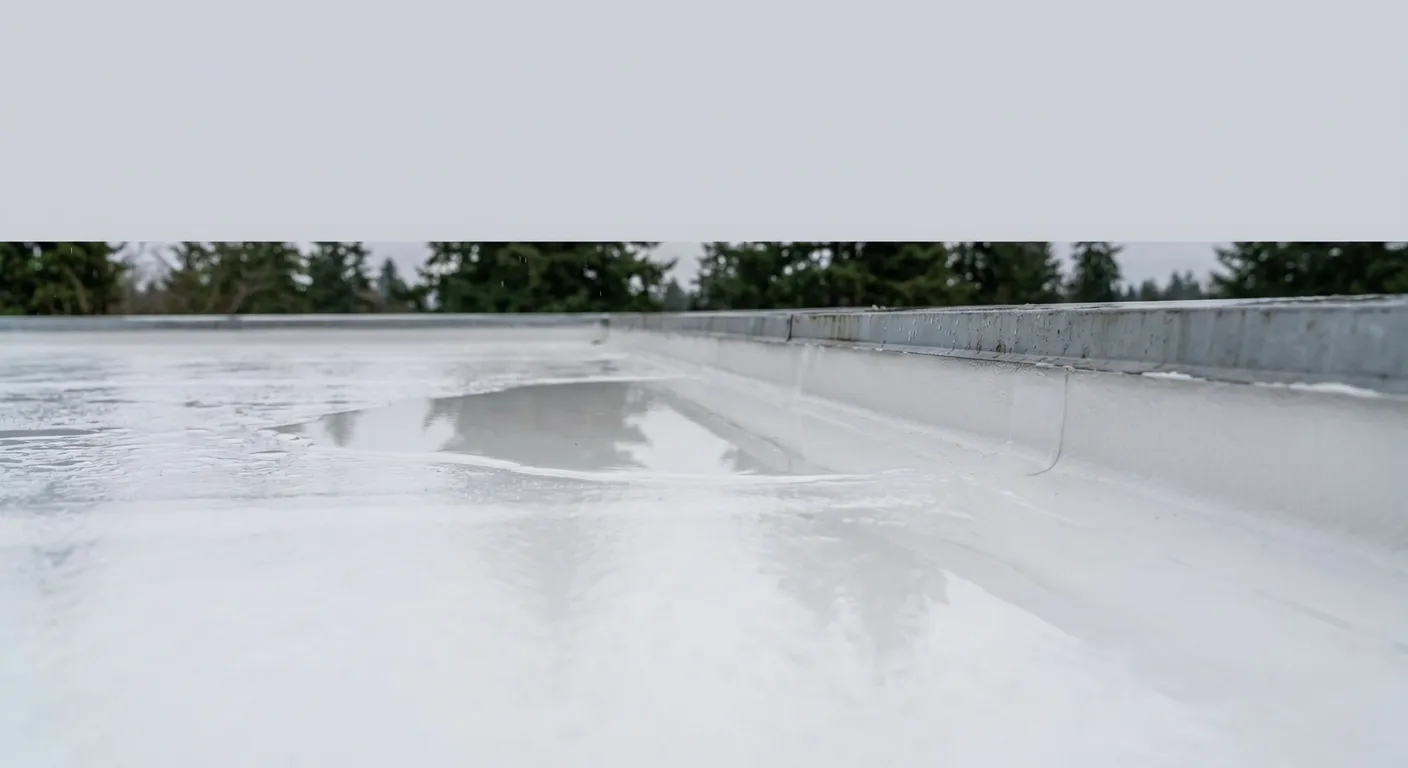
Pros and Cons of Silicone Roof Coating: What to Know
Silicone roof coatings have become a game-changer in roofing, especially for flat and low-slope roofs in rainy climates like the Pacific Northwest. Known for their remarkable waterproofing and ponding water resistance, silicone coatings offer a reliable way to extend your roof’s lifespan while protecting your home from leaks and moisture damage. But are they the right choice for your property? That decision requires weighing both the advantages and potential drawbacks.
Why does this matter to you? Your roof is your home’s first line of defense against the elements. In regions like the Pacific Northwest, where heavy rainfall and damp conditions are the norm, keeping that barrier strong and watertight is critical. A silicone roof coating can create a seamless, waterproof membrane that resists leaks, saves you money by delaying a costly roof replacement, and protects your property from long-term damage. However, there are challenges, too—dirt accumulation, adhesion issues on unprepared surfaces, and slippery conditions when wet are factors every homeowner should consider.
This guide explores the pros and cons of silicone roof coatings, helping you make an informed decision about whether they’re the right fit for your roof. From understanding how silicone coating performs under rain-heavy conditions to recognizing its maintenance needs and compatibility with different roofing materials, you’ll get a clear look at what to expect. With this knowledge, you’ll be better prepared to protect your roof, extend its life, and make smarter decisions for your home or building.
Introduction to Silicone Roof Coatings
Silicone roof coatings are a versatile roofing solution designed to extend the life of flat or low-slope roofs, particularly in moisture-prone areas like the Pacific Northwest. This type of coating creates a seamless, waterproof barrier that helps protect against leaks, ponding water, and other damage caused by heavy rainfall or prolonged damp conditions. As a cost-effective alternative to traditional roofing systems, silicone roof coatings are increasingly popular for both residential and commercial properties.
While silicone products offer numerous benefits, they also have limitations that property owners should understand before making a decision. By exploring the pros and cons of silicone roof coating, homeowners can determine whether this solution fits their roofing needs and unique environmental challenges.
What Are Silicone Roof Coatings?
Overview of Silicone Roof Coating Systems
Silicone roof coatings are liquid-applied products that cure into a durable, seamless layer. This coating bonds directly to existing roofing materials, creating a single, monolithic barrier. As a result, silicone eliminates gaps, seams, and other vulnerabilities where water might otherwise penetrate.
The technology behind silicone coatings relies on their exceptional hydrophobic properties. Silicone resists water absorption, making it an ideal solution for flat or low-slope roofs that may experience ponding water. Unlike some roofing materials that degrade when exposed to moisture over time, silicone holds up remarkably well, ensuring robust, long-term protection.
Common Applications of Silicone Coatings
Silicone roof coatings are compatible with various roofing materials, making them a versatile solution for many property owners. Common applications include:
- Metal roofing: Protects metal roofs from rust and water damage.
- Modified bitumen: Adds a waterproof layer to aging asphalt-based systems.
- TPO and EPDM membranes: Enhances the lifespan of single-ply roofing systems.
- Built-up roofs: Seals cracks and prevents further wear and tear.
However, not all roofs are suitable for silicone coatings. A professional inspection is necessary to assess whether the existing roof substrate is in good condition for proper application. For expert advice on roof compatibility, consult Professional Roofers in Bellevue, WA.
Pros of Silicone Roof Coatings
Exceptional Ponding Water Resistance
One of silicone coatings’ standout features is their ability to resist ponding water. In the Pacific Northwest, where heavy rain and standing water can often plague flat roofs, this hydrophobic quality ensures that the coating will not degrade or blister even after prolonged exposure to water. This makes it an excellent choice for areas with frequent rain or seasons of prolonged moisture.
Seamless Membrane for Leak Prevention
Silicone coatings cure into a single seamless layer, effectively eliminating any gaps, seams, or overlaps that might allow water to seep through. This design dramatically reduces the risk of leaks, particularly for flat roofs that lack the water-shedding slopes of pitched roofs.
Cost-Effective Roof Restoration Alternative
Compared to a full roof replacement, a silicone roof coating offers substantial cost savings. The application process is less invasive, quicker, and more affordable while still providing the benefits of a renewed waterproof surface. While more severe damage or advanced aging on a roof may require replacement, coatings can be an excellent option for extending a roof’s life. For more insights into roof replacement versus restoration, see The Advantages of Roof Replacement.
Long-Lasting Waterproofing Solution
Silicone roof coatings are highly durable with a typical lifespan ranging from 10 to 20 years, depending on the product and application quality. Many silicone systems also come with extensive warranties, giving property owners peace of mind about their investment.
Cons of Silicone Roof Coatings
Surface Preparation Challenges for Proper Adhesion
Successful silicone coating application requires meticulous preparation of the existing roof surface. Dirt, grease, or any debris left behind can interfere with adhesion, leading to coating failure. In some cases, minor repairs might be needed to the substrate before the silicone can be applied. These preparatory steps often require professional expertise to avoid costly errors.
Dirt and Debris Accumulation Over Time
Silicone roof coatings are prone to attracting dirt and organic debris, which can gradually degrade the coating’s performance and aesthetic appeal. This issue is especially notable in the Pacific Northwest, where moss growth and falling debris are common due to damp conditions and dense tree cover. Regular maintenance and professional cleaning are essential to keep silicone-coated roofs in optimal condition. For maintenance advice, visit Seasonal Roof Maintenance Tips for Bellevue Homeowners.
Slippery When Wet: A Safety Concern
Despite their many benefits, silicone roof coatings can become slippery when wet. This poses safety risks for roof maintenance and inspections, requiring a cautious approach during wet weather or the use of textured materials for added grip.
Limited Compatibility Without Expert Advice
While silicone coatings are compatible with a wide range of roof types, not all substrates are suitable. Failing to confirm compatibility could result in poor adhesion and reduced performance. Consulting a professional roofing contractor ensures that the existing roof substrate is evaluated for full compatibility. Property owners in Redmond and surrounding areas can explore installation services at Roof Installation Services in Redmond.
Comparing Silicone to Acrylic and Elastomeric Coatings
Silicone vs. Acrylic Roof Coatings
Silicone coatings outshine acrylic when it comes to ponding water resistance and UV stability. Acrylic coatings tend to absorb water over time, whereas silicone maintains its integrity even under standing water. However, acrylic is often less expensive and has lower dirt accumulation, making it an appealing option for regions with less moisture.
Silicone vs. Elastomeric Roof Coatings
Elastomeric coatings offer some flexibility and UV resistance, but they do not perform as well under prolonged ponding water. Silicone’s durability and hydrophobic properties make it the better option for rainy climates like the Pacific Northwest. However, elastomeric coatings may have an edge in certain applications where cost or flexibility is prioritized.
Is a Silicone Roof Coating Right for You?
Factors to Consider Before Investing in a Coating
When evaluating whether a silicone roof coating is the right fit for your property, consider:
- Climate: Wet, rainy climates benefit most from silicone’s waterproofing abilities.
- Roof age and condition: Older roofs with minor wear may benefit from coating; severely damaged roofs will likely require replacement.
- Maintenance requirements: Regular cleaning is vital to ensure peak performance, especially in debris-prone areas.
When to Call a Professional Roofing Contractor
The success of a silicone roof coating depends on expert assessment, preparation, and application. A professional roofing contractor can assess your existing roof, recommend the best solution, and ensure the application process meets safety and performance standards. To book an inspection, visit Roof Pros NW - Booking.
For trusted roofing services tailored to your needs, explore Roofing Services with Roof Pros NW.
Schedule Your Roof Repair Inspection Today
If your roof is showing signs of wear or damage, now is the perfect time to take action. Waiting too long can lead to bigger issues that may cost more to fix. At Roof Pros NW, we specialize in prompt and reliable roof repair services tailored to your needs. Our expert team is committed to keeping your roof in top condition.
Here’s why scheduling a professional roof repair inspection with us is a smart decision:
- Catch small issues early before they become costly repairs.
- Ensure your roof is protecting your home like it should.
- Receive a detailed assessment and expert recommendations.
- Avoid unexpected leaks and structural problems.
- Work with trusted, experienced professionals who put your needs first.
Don’t wait until minor damage turns into a bigger headache. Our team is ready to carefully inspect your roof and provide practical, cost-effective solutions.
Book your roof repair inspection now!
Conclusion
Silicone roof coatings offer an excellent solution for extending the life of flat or low-slope roofs, particularly in moisture-heavy regions like the Pacific Northwest. Their seamless, waterproof barrier effectively protects against ponding water, leaks, and weather-related damage, making them a cost-effective alternative to full roof replacement in many cases. With a typical lifespan of 10 to 20 years and strong resistance to moisture, silicone coatings are a durable option for protecting your home or building from the region’s wet weather.
However, it’s important to carefully evaluate whether a silicone roof coating is the right choice for your property. Factors such as your roof’s age, condition, and material, as well as ongoing maintenance needs, play a crucial role in determining compatibility. Proper surface preparation and expert application are essential to ensure the coating adheres correctly and provides long-term performance.
While silicone is an exceptional option for many roofs, regular maintenance is necessary to address dirt accumulation and debris, reducing the potential for aesthetic or performance issues. If you’re unsure about the suitability of silicone for your roof or need help navigating your options, consulting a professional is the best way forward. A professional roof inspection can help identify whether your roof would benefit from a coating, repairs, or even replacement.
Roof Pros NW has the expertise to guide you at every step, from inspections to application. Taking a proactive approach with an experienced roofing contractor ensures your investment is protected and your roof stays in optimal condition for years to come. To find out if a silicone roof coating is right for you, schedule an inspection with Roof Pros NW today.
By working with trusted professionals, you can make an informed decision that enhances your roof’s longevity, protects your property from water damage, and provides peace of mind. Don’t wait to safeguard your home or building—contact Roof Pros NW to explore tailored roofing solutions for your needs.
Silicone roof coatings are a popular option for extending a roof's life, particularly in challenging climates like the Pacific Northwest. However, understanding their pros and cons can help you decide if they are the right choice for your roof. Below are the key takeaways to consider before making a decision.
- Exceptional ponding water resistance: Silicone coatings are designed to withstand standing water, making them ideal for flat or low-slope roofs in rainy regions like the Pacific Northwest.
- Creates a seamless, waterproof membrane: Silicone roof coatings effectively prevent leaks by forming a continuous barrier, improving your roof’s overall protection.
- Cost-effective alternative to roof replacement: Applying a silicone coating can restore your roof's functionality for a fraction of the cost of a full roof replacement.
- Surface preparation is key for adhesion: Proper cleaning and preparation are crucial as silicone may not adhere well to certain roof materials without adequate treatment.
- Compatible with many roof types: Silicone coatings can work well with metal, modified bitumen, TPO, EPDM, and built-up roofs, but consulting a professional can confirm suitability.
- Slippery when wet: Silicone surfaces can become slick when wet, posing a safety risk that should be considered during maintenance or inspection.
By weighing these advantages and disadvantages, you can make an informed decision about whether silicone roof coatings are the best fit for your roof. The rest of this article explores these takeaways in more detail to help guide your roofing investment.
How much does roof repair cost in my area?
Roof repair costs vary based on factors like the size of the roof, material, damage level, and labor involved. It’s best to contact Roof Pros NW for an inspection to get a tailored estimate for your specific situation.
Should I repair or replace my roof after storm damage?
After storm damage, determining whether to repair or replace your roof depends on the extent of the damage, the age of the roof, and the material. A professional inspection from Roof Pros NW can provide guidance on the most cost-effective option.
How much does a roof inspection cost and is it worth it?
The cost of a roof inspection can depend on roof size and complexity. A professional inspection is worth it as it can identify potential issues early and prevent costly repairs. Contact Roof Pros NW for more details on inspection services.
Which roofing contractor should I hire, and how do I vet them?
When hiring a roofing contractor, look for licensing, insurance, verified reviews, and experience. Ensure they provide clear estimates and warranties. Roof Pros NW can offer all these benefits, ensuring a trustworthy service.
What questions should I ask before hiring a roofing contractor?
Ask about their licensing, insurance, experience, warranty options, and local projects. Make sure they offer clear communication and detailed estimates. Roof Pros NW is ready to answer all these questions to your satisfaction.
