Roofing Blog
Pros and Cons of Installing Solar Panels on Your Roof
Installing solar panels on your roof might seem like a no-brainer for energy savings and environmental benefits, but have you considered how it could impact your roof? While rooftop solar panels are an excellent way to reduce electricity bills and increase home value, their installation is not without challenges. For homeowners, understanding the potential effects on your roof’s structure, lifespan, and maintenance is critical to making a confident decision. This is especially important in regions like the Pacific Northwest, where heavy rain and moisture can already put extra stress on roofing systems. Adding solar panels without proper preparation could lead to issues like structural strain, improper sealing, or even voided warranties. Considering that solar panels often last 25–30 years, your roof must be ready to support them for the long haul without compromising protection or durability. Before jumping into solar panel installation, homeowners should think through certain key factors. Is your roof in good condition, or does it need replacement first? Can it handle the weight of the panels? Does your roof material make installation easier or more complicated? And how will adding panels affect future maintenance, inspections, or warranty coverage? Addressing these questions upfront can save you from expensive fixes down the road while ensuring your roof remains a strong, reliable barrier against the elements. In this guide, we’ll explore the pros and cons of solar panels on your roof, with a clear focus on how to prepare your roofing system for this investment. You’ll learn about roof age assessments, structural requirements, potential warranty implications, and the best practices to ensure your solar project doesn’t compromise your home’s safety or value. By the end, you’ll be equipped with the knowledge needed to make an informed and confident decision about rooftop solar panels.
Pros and Cons of Installing a Metal Roof Over Shingles
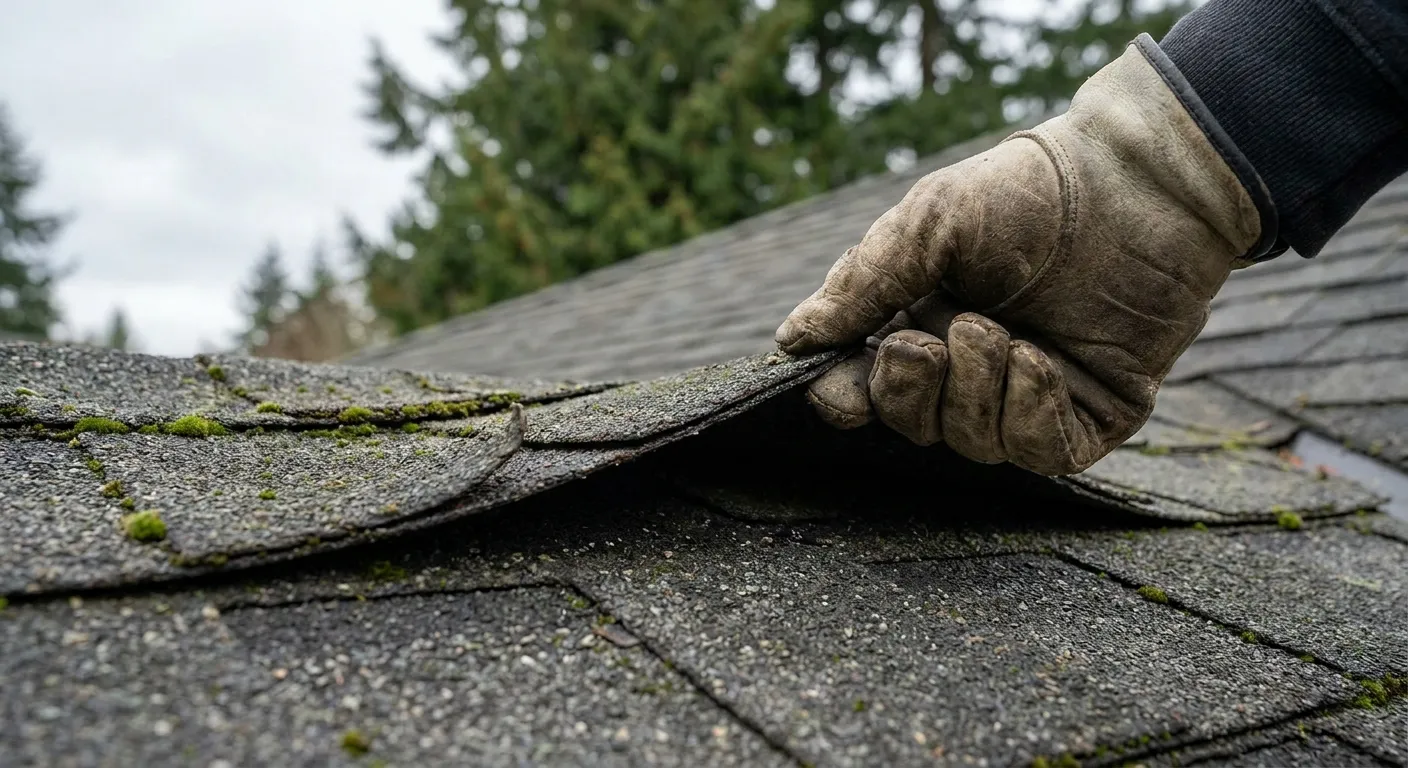
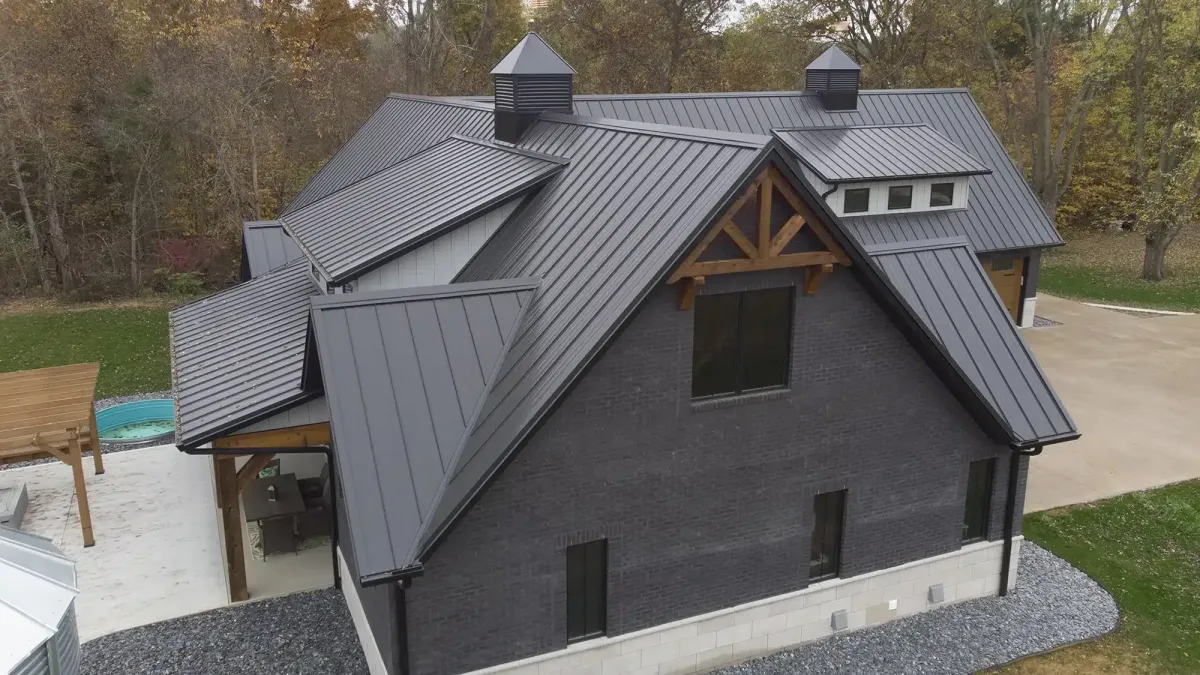
Installing a metal roof over existing shingles is a decision many Pacific Northwest homeowners are considering for its potential to save both time and money. Skipping the removal of old shingles not only reduces labor costs but also helps eliminate the expense of disposing of the materials. However, while this approach has its advantages, it’s not without significant risks—especially in a region known for heavy rainfall, persistent moisture, and seasonal storms. Your roof is the first line of defense against water damage, mold, and structural deterioration. Improper ventilation or trapped moisture beneath a metal roof installed over shingles could compromise that protection, leading to costly repairs down the line. It’s essential to weigh these factors carefully, as a poorly planned metal roofing project may shorten your roof’s lifespan or even risk voiding warranties. On the other hand, a well-executed installation can deliver long-term durability, energy efficiency, and a roof capable of withstanding decades of tough Pacific Northwest weather. So, how do you know if installing a metal roof over shingles is the right move for your home? This article will provide a balanced look at the pros and cons of this roofing option, from upfront cost savings to potential pitfalls like hidden roof damage and moisture issues. Whether you’re looking for durability, efficiency, or better protection for your property, understanding these factors can help you make a smarter, more informed roofing decision. Let’s dive in and explore everything you need to know before committing to this innovative roofing solution.
We believe in preparing for the future without sacrificing today.

Mon-Fri Open: 7am–6pm
Sat (Closed)
Sun (Closed)
Address: 28421 85th Ave S, Kent, WA 98032