Asphalt Roofing Seattle: Benefits for Wet Weather Homes
Seattle roofs can stay damp for days after the rain stops, which means a roofing material must do more than shed one heavy shower. It needs to manage repeated moisture, cool temperatures, wind, and the limited sunlight that keeps roof surfaces from drying quickly. That is why asphalt roofing Seattle homeowners choose deserves a closer look. A well-built asphalt shingle roof can provide dependable weather protection without the higher upfront cost of many other roofing materials. But its performance depends on more than the shingles you see from the street.
In the Pacific Northwest, moisture is often the biggest concern. Rain can work into weak points around flashing, vents, valleys, and worn shingle edges. Damp conditions also create a better environment for moss and algae, especially on shaded roof sections. Over time, moss can hold moisture against the roof surface and affect how water drains. Choosing quality asphalt shingles, including moss-resistant options when appropriate, is one part of protecting the home. Proper installation, a reliable roof underlayment, good attic ventilation, and regular maintenance all work together to help prevent leaks and support roof durability.
Asphalt shingles are popular because they offer a practical balance of cost, performance, and appearance. Standard composition shingles can be a solid choice for many homes, while architectural shingles, also called dimensional shingles, offer a thicker profile and may provide greater durability and curb appeal. Homeowners can also compare colors and styles to find a roof that fits the character of the property. Understanding the differences between architectural and composition shingles can make the selection process easier when planning a repair or roof replacement.
The condition of the existing roof also matters. A few damaged shingles or a small flashing issue may call for a targeted repair, while widespread wear, recurring leaks, or aging materials may make replacement the more sensible long-term option. Regular roof inspections and safe moss removal can help catch concerns before water reaches the attic, insulation, ceilings, or walls. This guide explains why asphalt shingles work well for Seattle’s wet climate, what affects their lifespan, how costs and styles compare, and what to consider before choosing a Seattle asphalt shingle roof for your home.
Why Asphalt Roofing Works Well in Seattle’s Wet Climate
Seattle roofs face frequent rain, cool temperatures, wind, and long stretches with little direct sunlight. These conditions make it important to choose roofing that sheds water well and can be maintained without excessive cost. For many local properties, asphalt roofing Seattle homeowners select is a practical balance of weather protection, appearance, and value.
Asphalt shingles have an outer layer of protective granules over an asphalt-based mat. When they are installed as part of a complete roof system, they direct water down the roof and into the gutter system. Their layered design also makes them a familiar and flexible option for homes with common sloped roof shapes.
Seattle Weather Puts Extra Stress on Roofs
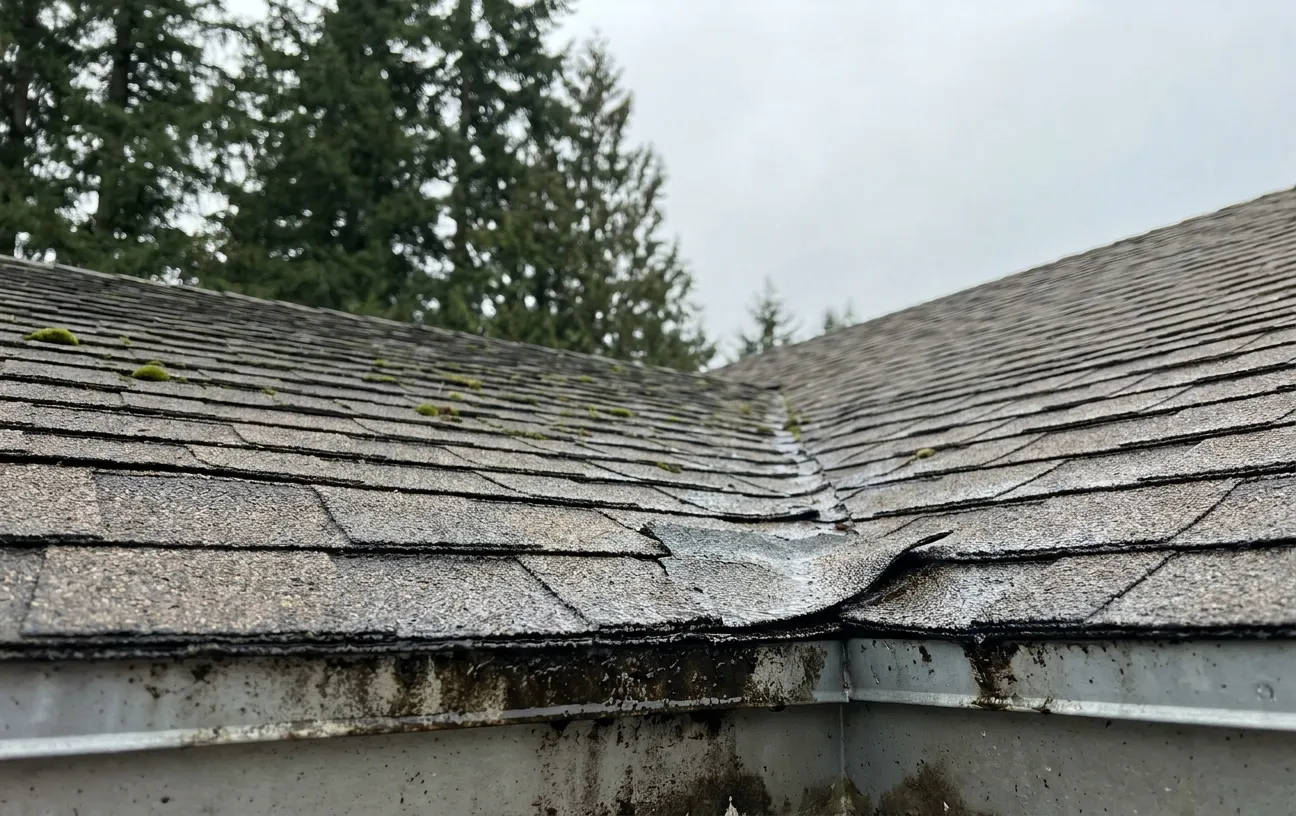
A Seattle roof may stay damp long after a storm has passed. Tree cover, roof sections that face north, and limited winter sun can slow drying. Over time, moisture can affect shingle surfaces, roof valleys, flashing, gutters, and the materials beneath the shingles.
Persistent dampness also supports moss and algae growth. Moss can trap water against the roof surface and may lift shingle edges if it becomes thick. Algae often appears as dark streaking. These issues do not mean asphalt shingles are a poor choice, but they do show why weather-resistant roofing needs regular attention in the Pacific Northwest.
What Homeowners Need from a Roof in the Pacific Northwest
A roof in this region must do more than shed water during a single heavy storm. It should also handle repeated wet-dry cycles, resist wind-driven rain, drain properly, and limit moisture buildup around roof openings.
Homeowners should look for a roofing system that provides:
- Dependable water shedding on the roof’s slope
- Carefully installed flashing at vulnerable details
- Materials suited to shade and moisture exposure
- A manageable cost for repairs and future roof replacement
- Routine maintenance options that support roof durability
Material quality matters, but installation and ongoing care are equally important. Those pieces become especially clear when comparing the main benefits of asphalt shingles.
The Main Benefits of Asphalt Shingles for Seattle Homes
Asphalt shingles Seattle homeowners use remain popular because they offer reliable performance without requiring the higher starting budget of many specialty roofing materials. They also provide plenty of design choices for homeowners, property managers, and investors planning repairs or larger upgrades.
Good Protection Without a High Upfront Cost
Asphalt shingles are often among the more budget-friendly roofing materials for sloped homes. Materials such as metal, tile, and some premium systems can cost more upfront due to material pricing, installation requirements, or added structural needs.
A Seattle asphalt shingle roof can provide practical protection from rain while leaving room in the budget for quality underlayment, flashing, ventilation work, and gutter improvements. Those parts of the system can make a major difference in wet weather.
The lower initial cost can also make asphalt a sensible option for rental properties or homes being prepared for sale. Value does not mean choosing the least expensive shingle available. It means selecting a system that fits the home’s condition, expected ownership period, and maintenance needs.
A Flexible Choice for Many Home Styles
Asphalt shingles come in a broad range of colors, profiles, and textures. Homeowners can choose tones that work with siding, brick, trim, and surrounding landscaping. Darker colors can create a traditional look, while blended gray, brown, or weathered wood shades may complement many Pacific Northwest homes.
Architectural profiles can add depth that resembles wood shake or slate from the ground. This allows homeowners to improve curb appeal while keeping the familiar performance and repairability of shingle roofing.
Easy to Match With Repairs or Full Roof Replacement
Because asphalt shingles are widely used, a small roof repair may be simpler to plan than with some less common materials. A roofer can assess whether replacement shingles are available in a close match, though color changes from age and weather can still be noticeable.
For a full roof replacement, homeowners have the chance to update color, shingle type, and moisture-control details at the same time. The next question is how these benefits hold up through Seattle’s wet seasons.
How Asphalt Shingles Hold Up in Rainy Weather
Asphalt shingle roofing Pacific Northwest homes can perform well in rain when each part of the roof system is installed correctly. Shingles provide the outer water-shedding layer, but they are not the only defense against leaks.
Moisture Resistance Depends on the Whole Roofing System
A complete roof system includes shingles, roof underlayment, flashing, ventilation, deck protection, and drainage. The underlayment is a water-resistant layer beneath the shingles that helps provide backup protection if water gets past the outer surface.
Proper roof slope also matters. Water should flow toward gutters rather than pond in low areas. Ventilation helps manage heat and moisture in the attic, which can reduce condensation and help roofing materials perform as intended.
Why Roof Valleys, Flashing, and Edges Matter So Much
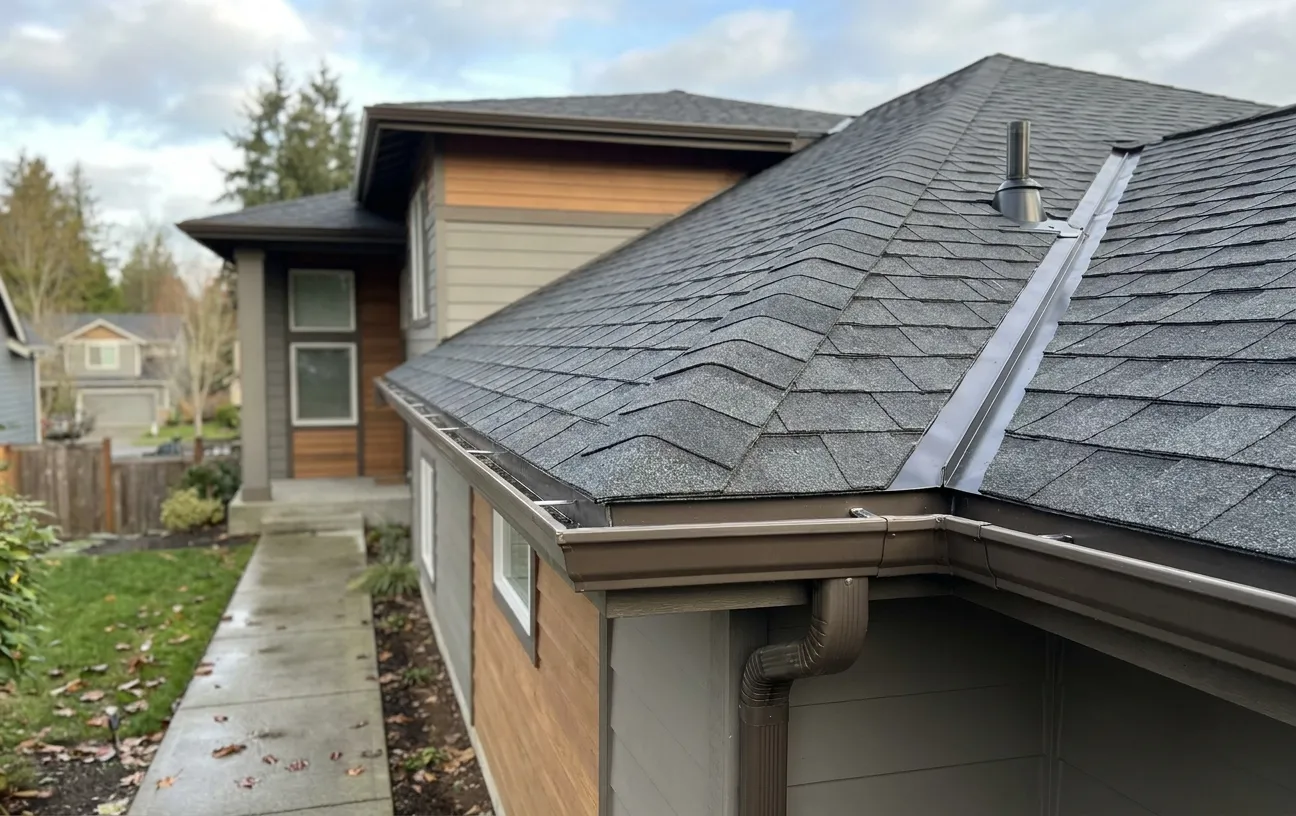
Roof valleys carry water from two roof planes into one channel. During steady rain, they handle more water than many other roof areas. Chimneys, skylights, plumbing vents, and wall intersections also need flashing, which is shaped metal or other water-shedding material installed at joints and openings.
Leaks often start at these transitions instead of in the middle of a shingle field. A careful installation includes secure flashing, properly layered materials, and clear paths for water to leave the roof. Keeping gutters and downspouts clear supports this drainage plan.
Wind and Storms Can Still Affect Shingle Performance
Heavy wind can lift loose, cracked, or aging shingles. Once an edge is lifted, wind-driven rain may reach the layers underneath. After a strong storm, look from the ground for missing tabs, loose debris, bent gutter sections, or branches resting on the roof.
If you notice a concern, prompt evaluation can help determine whether a targeted repair is appropriate before water reaches the roof deck or attic.
Comparing Asphalt Shingle Types and Styles
Not all asphalt shingles look or perform the same way. Homeowners often hear the terms composition shingles, architectural shingles, and dimensional shingles while comparing options.
Composition Shingles vs. Architectural Shingles
Composition shingles is a broad term commonly used for asphalt-based shingles. Standard three-tab composition shingles have a flatter, more uniform appearance. Architectural shingles, often called dimensional shingles, are built with multiple layers that create a thicker profile and more visual depth.
Architectural options may offer stronger durability and a more detailed appearance, but the right choice depends on budget and roof goals. This guide to architectural and composition shingles explains the differences in more detail.
Which Shingle Type Makes Sense for Seattle Homes?
Standard composition shingles may make sense when cost is the main concern and the home has a straightforward roof design. They can provide dependable coverage when properly installed and maintained.
Architectural shingles may be a better fit for homeowners seeking a more substantial look, added curb appeal, or a shingle design intended for stronger overall roof durability. They are often considered for visible front roof slopes, homes with complex roof lines, and owners planning to stay in the property longer.
Other Helpful Comparison Points
Beyond thickness and appearance, compare shingle options based on color, wind rating, algae resistance, warranty terms, and the roof system needed beneath them. A warranty should be read carefully because coverage can depend on proper installation, ventilation, and maintenance.
The language around shingle categories can be confusing, so reviewing asphalt shingles vs. composition shingles can help clarify the terms. Once a shingle type is selected, underlayment and workmanship determine how well it protects the home.
Why Underlayment and Installation Quality Matter
Even strong shingles need a stable, well-prepared surface beneath them. Professional installation connects all roofing components so they work together during Seattle’s long rainy periods.
Roof Underlayment Adds an Important Second Layer of Defense
Roof underlayment sits between the roof deck and shingles. It helps limit water intrusion when rain is pushed under shingles by wind or when water backs up in vulnerable areas. The type of underlayment and where it is used should match the roof’s design, slope, and exposure.
Quality underlayment is especially useful around valleys, eaves, and other areas where water flow is concentrated. It is not a substitute for good shingles or flashing, but it adds an important layer of protection.
Flashing, Ventilation, and Drainage Help the Roof Last Longer
Flashing must be carefully installed around chimneys, skylights, vents, and wall connections. These are common areas for leaks because different surfaces meet and move slightly over time.
Attic ventilation helps move humid air out of the roof space. Good drainage also depends on gutters, downspouts, and clear roof edges. Together, these details reduce trapped moisture and help the roof dry more effectively.
Poor Installation Can Shorten Roof Life
A quality shingle can still have problems if nails are placed incorrectly, flashing is poorly layered, or ventilation is overlooked. Homeowners should expect a roofing professional to inspect the roof deck, identify damaged wood when present, explain the materials being used, and address drainage concerns.
Working with Roof Pros NW for asphalt roof installation Seattle WA homeowners can schedule gives property owners a chance to discuss these system details before work begins.
How Long Asphalt Shingles Last in the Pacific Northwest
When homeowners ask, “How long do asphalt shingles last in the Pacific Northwest?” the honest answer depends on the roof’s exposure, shingle type, installation, and maintenance. A roof in full sun with good airflow may age differently from one beneath dense trees that remains damp for much of the year.
What Affects Roof Lifespan in Seattle
Roof lifespan is influenced by:
- Shingle quality and installation method
- Roof pitch and how quickly water drains
- Shade, tree debris, moss, and algae growth
- Attic ventilation and indoor moisture control
- Wind exposure and storm damage
- Timely repairs and routine inspections
Moss, algae, and trapped debris can shorten service life by holding moisture on the roof. This makes regular care part of long-term planning, not an optional extra.
Signs a Roof May Be Nearing the End
Common signs of wear include curling or cracked shingles, missing shingles, exposed nail heads, heavy granule loss, repeated leaks, and widespread moss growth. A few damaged shingles may be repairable. When problems appear across several roof areas or leaks return after repairs, a replacement evaluation may make more sense.
Moss, Algae, and Maintenance in Seattle’s Damp Climate
Seattle’s mild temperatures, frequent moisture, and shaded neighborhoods create ideal conditions for moss and algae. This is one of the most important maintenance considerations for an asphalt roof.
Why Moss and Algae Grow So Easily Here
Moss grows where moisture and organic debris remain on the roof surface. Overhanging branches can drop needles and leaves that hold water in valleys and behind roof features. Algae can create dark streaks, particularly on shaded slopes.
Moss can hold moisture against shingles and work its way beneath edges as it thickens. Avoid using aggressive pressure washing, which can remove protective granules and damage shingles.
Moss-Resistant and Algae-Resistant Shingles
Moss-resistant shingles and algae-resistant shingles can be useful choices for homes surrounded by trees or exposed to long periods of shade. Some options use built-in copper granules or zinc strips to help limit algae growth. Impact-rated asphalt shingles may also be worth discussing where storm debris is a concern.
These features do not eliminate maintenance, but they can be a smart long-term moisture-management choice for Seattle homes.
Simple Maintenance Steps That Help
Regular care supports weather-resistant roofing and helps catch small issues early:
- Schedule periodic roof inspections, especially after severe weather
- Keep gutters and downspouts clear so water can drain
- Trim branches back from the roof when safe and appropriate
- Remove loose leaves and needles without scraping shingles
- Arrange safe moss removal rather than walking on a wet roof
- Address missing shingles, loose flashing, and small leaks promptly
A consistent maintenance plan helps preserve the roof system while making cost planning more predictable.
Cost, Value, and Long-Term Planning
Asphalt shingles are often chosen because they offer a workable balance between upfront cost and dependable protection. For many properties, they are a practical answer to the question of why choose asphalt shingles over other roofing materials in Seattle.
Why Asphalt Shingles Are Often a Smart Value
Compared with many premium roofing materials, asphalt shingles usually have a lower material and installation cost. They are also available in several quality levels, so owners can choose an option that fits their budget without ignoring key details such as underlayment and flashing.
What Affects Asphalt Shingle Roof Cost in Seattle Washington
The asphalt shingle roof cost in Seattle Washington varies based on the roof itself, not just the shingle price. Important factors include roof size, pitch, number of valleys and penetrations, tear-off needs, roof deck repairs, shingle type, underlayment, and labor.
For a closer look at budgeting factors, see asphalt composition shingles cost key factors to know.
Choosing Value Over the Lowest Price
The lowest estimate may not include the same underlayment, flashing work, ventilation improvements, or cleanup as another proposal. Compare the full scope of work and ask questions about materials and repair allowances. A better value is a roof system that fits the home’s moisture exposure and expected lifespan.
When to Repair and When to Replace an Asphalt Shingle Roof
The right next step depends on the age of the roof, the location of damage, and whether problems are isolated or widespread.
When a Repair May Be Enough
A repair may be suitable for a few missing shingles, a small flashing issue, an isolated leak, or minor storm damage. Acting quickly can help limit moisture exposure to the roof deck and attic.
Matching older shingles may not always be exact, but a repair can still be a sensible option when the rest of the roof is in good condition.
When Roof Replacement Makes More Sense
Roof replacement may be the better long-term choice when shingles are broadly worn, leaks keep returning, granule loss is heavy, or multiple areas need repair. Replacement can also allow the owner to correct outdated underlayment, flashing, ventilation, and drainage issues at the same time.
Why a Professional Inspection Helps You Decide
A professional inspection can review visible shingle condition, roof valleys, flashing, ventilation, gutters, and attic signs of moisture. It can also identify soft roof decking, hidden water staining, and areas where moss or debris is affecting drainage.
This information helps homeowners decide whether a focused repair can reasonably extend roof service or whether planning a replacement is more practical.
Choosing the Right Asphalt Roofing Option for Your Home
The best roofing material for Seattle rainy climate is not exactly the same for every house. The right asphalt shingle choice depends on the roof’s design, the home’s exposure, and the owner’s budget and appearance goals.
Questions to Ask Before You Choose
- What is the age and condition of the current roof?
- Is the home heavily shaded or exposed to frequent moisture?
- Are moss-resistant shingles a priority?
- Is curb appeal important for a future sale or renovation?
- Do you need a small repair, or is a full roof replacement more appropriate?
- Does the roof need ventilation, flashing, gutter, or deck repairs?
How Roof Pros NW Can Help
Roof Pros NW can inspect the existing roof, compare standard and architectural options, and explain how underlayment, flashing, ventilation, and drainage affect performance. A professional estimate can help property owners compare the work needed and choose an asphalt roofing option that fits their home and long-term plans.
Conclusion
Asphalt roofing is a practical choice for many Seattle homes because it balances weather protection, cost, and curb appeal. In a climate with frequent rain, long wet seasons, and limited drying time, the roof system has to do more than look good from the street. It needs to shed water well, handle wind-driven rain, and resist damage from moss, algae, and lingering moisture. That is why the shingles themselves matter, but so do the underlayment, flashing, ventilation, and drainage details beneath and around them.
For homeowners and property managers in the Pacific Northwest, the main takeaway is that roof performance depends on the full system, not just the surface material. Asphalt shingles can work very well here when they are installed correctly and maintained over time. A well-built roof helps protect the deck, attic, insulation, and interior spaces from leaks and moisture damage. It can also help avoid repeated repairs and make long-term planning easier, whether you are staying in the home for years or preparing a property for sale or rental.
The article also showed that not all asphalt shingles are the same. Standard composition shingles may be a good fit when budget is the main concern, while architectural shingles can offer a thicker look and may better suit owners who want stronger curb appeal and a longer-lasting upgrade. If you want to compare those options in more detail, this guide to architectural shingles vs. composition shingles can help.
Just as important, a roof’s lifespan in Seattle depends on more than the shingle type. Shade, moss growth, storm exposure, attic ventilation, and roof slope all affect how long a roof lasts and how well it sheds water. Small problems like loose shingles, clogged gutters, damaged flashing, or minor leaks can become bigger concerns if they are left alone through several rainy seasons. Routine maintenance and timely repairs are often the best way to protect the roof before damage spreads.
If you are unsure whether your roof needs a repair or a full replacement, a professional inspection is the smartest next step. A trained roofer can look at the shingles, valleys, flashing, attic conditions, and drainage to give you a clearer picture of what is happening and what your home may need next. That kind of review can save time, reduce guesswork, and help you make a more confident decision.
When you are ready to move forward, Roof Pros NW can help with a roof inspection, repair planning, or a replacement estimate based on your home’s condition and Seattle’s wet climate. You can also book a roofing appointment to get started with a closer look at your roof.
Seattle homeowners need a roofing material that can handle long stretches of rain, cool temperatures, and low sun exposure. These key takeaways explain why asphalt roofing is such a practical choice in the Pacific Northwest, what helps it last longer, and what to look for when comparing styles, costs, and performance.
- Asphalt shingles fit Seattle’s wet climate well: They are a popular choice because they handle rain, mild weather, and everyday wear while giving homeowners a dependable roofing option.
- Moisture control matters more in Seattle: The region’s damp conditions can lead to moss and algae growth, so choosing moss-resistant or algae-resistant shingles can help protect the roof over time.
- Better shingles can mean longer roof life: Architectural and impact-rated asphalt shingles often offer stronger durability, better weather resistance, and more protection for Pacific Northwest homes.
- Underlayment helps the whole roof perform better: A quality roof underlayment adds an important layer of defense against leaks, especially during long rainy seasons.
- Asphalt shingles can balance cost and value: They usually cost less than many other roofing materials while still offering solid performance, which makes them a smart option for many homeowners.
- Style options can improve curb appeal: Asphalt shingles come in many colors and profiles, so it is easier to match the roof to the home’s look without giving up function.
- Installation quality still affects results: Even a good roofing material needs proper installation, flashing, and ventilation to help prevent leaks and extend roof lifespan.
- Regular maintenance helps prevent bigger issues: Roof inspections, moss removal, and quick repairs can help asphalt shingle roofs last longer in Seattle’s rainy climate.
- Ask about the right shingle type for your home: A professional can help you compare composition shingles, architectural shingles, and other roofing options based on your roof and budget.
With these points in mind, the article will walk through the benefits of asphalt shingles for Seattle homes, how they perform in wet weather, and what homeowners should know before planning a repair or roof replacement. For trusted guidance, Roof Pros NW can help you explore the right roofing solution for your home.
Get Clear Answers About Your Roof
Choosing the right shingles and roofing materials is only part of protecting your home. A professional roof inspection can show how your current roof is holding up and help you plan the right next step before small wear becomes a larger project.
Roof Pros NW offers a straightforward roof inspection tailored to your home, roof age, and local weather conditions. It is a practical way to get reliable guidance when you are comparing materials, noticing changes, or simply want peace of mind.
- Identify worn, damaged, or missing shingles
- Check for signs of moisture and weak roof areas
- Review ventilation and flashing performance
- Get clear recommendations without confusing jargon
- Understand whether repair or replacement makes more sense
Scheduling early gives you more time to review your options and make decisions on your schedule. Book your roof inspection with Roof Pros NW today.
How much does asphalt roof replacement cost in Seattle?
The cost depends on roof size, pitch, tear-off needs, shingle type, underlayment, flashing, ventilation work, deck repairs, access, and labor. A roof with damage, moss, or hidden wood issues may cost more because it needs more prep work. Roof Pros NW can inspect the roof and provide a clear estimate based on the condition of your home.
Should I repair or replace my asphalt shingle roof after storm damage?
A repair may be enough if the damage is limited to a few missing shingles, a small leak, or a single flashing issue. Replacement makes more sense when the damage is widespread, the roof is already aging, or leaks keep coming back. A professional inspection is the best way to tell which option protects your home and budget.
How do I know if my Seattle roof needs repair or full replacement?
Look for repeated leaks, curling or cracked shingles, heavy granule loss, missing shingles, soft spots, or moss that keeps returning. If the problems are isolated, a repair may work. If several areas are worn or the roof is near the end of its life, replacement is often the better long-term choice.
How can I tell if roof leaks are from flashing, shingles, or underlayment?
Leaks can start in different places, and the water stain inside the home does not always show the true source. Flashing problems often appear near chimneys, vents, skylights, and walls. Shingle or underlayment issues may show up as worn tabs, lifted edges, or moisture in more than one area. Roof Pros NW can inspect the roof and attic to find the source more accurately.
Is an asphalt shingle roof a good value for Seattle weather?
Yes, asphalt shingles are often a strong value for Seattle homes because they balance cost, weather protection, and appearance. They work well in wet weather when they are installed with quality underlayment, flashing, and ventilation. They are a practical choice for many homes, especially when you want dependable protection without the higher cost of some other roofing materials.
