Best Materials for Flat Roof Replacement in 2023
When it comes to flat roof replacement, the material you choose can make all the difference—not just in terms of cost, but also in durability, energy efficiency, and long-term performance. Flat roofs face unique challenges, especially in the Pacific Northwest where heavy rain, prolonged moisture, and moss growth are common. Selecting the right roofing material can help protect your property from water damage, lower energy bills, and reduce maintenance needs, making it a critical decision for homeowners and property managers alike.
Why does this matter so much? Flat roofs are more prone to issues like ponding water, seam leaks, and weathering when compared to sloped roofs. Over time, these problems can lead to interior water damage, insulation failure, and costly repairs. By choosing a material tailored to your climate and building’s needs, you can extend your roof’s lifespan, improve its performance, and save money down the line. Whether you’re replacing your roof on a commercial property or your home, understanding your options is key to making a decision that balances functionality and budget.
Different roofing materials offer distinct advantages. Options like EPDM rubber, TPO, PVC, and modified bitumen each provide longevity, strength, and climate-specific benefits. For example, TPO is particularly effective at reflecting heat, helping you save on cooling costs, while PVC excels at resisting ponding water, which is vital in our rainy region. Knowing the pros and cons of each choice will help you find the best fit for your property, ensuring better protection and lower maintenance costs in the years ahead.
In this guide, we’ll compare the top flat roofing materials of 2023, highlighting their benefits, drawbacks, and suitability for Pacific Northwest conditions. You’ll learn about key factors like cost, durability, energy efficiency, and maintenance needs—empowering you to make an informed decision for your flat roof replacement.
Why Material Selection Matters for Flat Roof Replacements
Flat roof replacements are a significant investment, and the material you choose can have a lasting impact on the performance and longevity of your roof—especially in regions like the Pacific Northwest, where wet weather and moss growth are constant challenges. Unlike pitched roofs, flat roofs are more prone to issues like ponding water, leaks, and wear at the seams. This makes the material choice a critical factor for ensuring durability and reducing maintenance costs over time.
The Pacific Northwest’s climate, with its months of rain and frequent moss growth, can shorten the lifespan of a poorly chosen flat roof material. Materials that resist water damage, have strong seam adhesion, and hold up to moisture are essential in this environment. Additionally, energy efficiency, long-term maintenance, and overall costs should be key considerations when planning your flat roof replacement.
Common Issues with Flat Roofs
Flat roofs often face unique challenges, including:
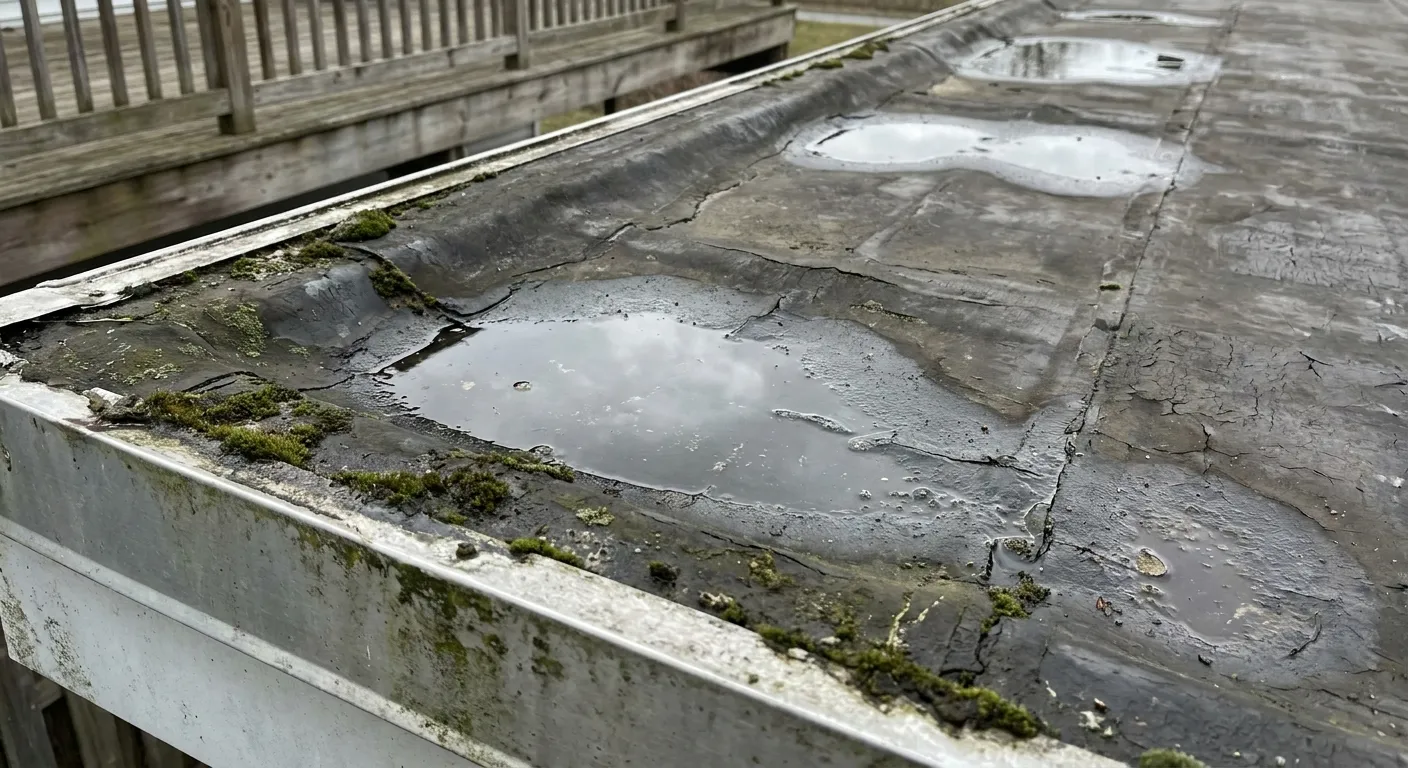
- Ponding water: Flat roofs don’t have steep slopes to drain rainwater, which can lead to pooling water and eventual leaks.
- Moss growth: Persistent moisture in the Pacific Northwest encourages moss and algae, which can damage roofing membranes.
- Seam failure: Over time, poorly installed or aged seams may begin to separate, allowing water infiltration.
- Thermal movement: Flat roof materials expand and contract with temperature changes, weakening the structure if the material isn’t flexible.
These issues highlight the importance of choosing high-performing materials that are tailored to the specific challenges of flat roofs.
How Pacific Northwest Weather Impacts Flat Roofs
The heavy rain and long wet seasons experienced across the Pacific Northwest amplify the stress placed on flat roofing materials. For instance, materials should provide excellent resistance to moisture infiltration and moss buildup. Single-ply membranes like TPO and PVC generally perform well because their seams are heat-welded, providing better water resistance. On the other hand, traditional materials like modified bitumen may require more frequent maintenance in such climates.
To better understand how climate influences flat roof performance, check out Flat Roof Pros and Cons: How Climate Impacts Performance.
Flat Roof Replacement Material Options: A Detailed Comparison
When considering a flat roof replacement, there are several materials to weigh based on their cost, durability, ease of installation, and performance in wet climates. Below is a detailed look at the most common options.
EPDM Rubber Roofing
EPDM (ethylene propylene diene monomer) is a synthetic rubber material that’s affordable and widely used for flat roofs.
- Cost: It’s one of the least expensive flat roofing materials, making it popular for budget-conscious projects.
- Durability: EPDM can last 20-30 years when properly maintained, but its seams are prone to splitting, which can allow water to penetrate.
- Maintenance: Regular inspections are crucial to avoid ponding water and repair any damaged areas.
- Climate Suitability: While EPDM handles UV exposure well, it can become slick with moss in wet environments like the Pacific Northwest.
EPDM roofing is ideal for those focused on cost savings but may require additional upkeep to address regional challenges.
TPO Roofing
TPO (thermoplastic polyolefin) is a single-ply membrane that balances affordability and energy efficiency.
- Cost: While more expensive than EPDM, TPO is still a cost-effective option for flat roofs.
- Durability: TPO typically lasts 20-25 years and features heat-welded seams that are resistant to leaks.
- Maintenance: It generally requires minimal maintenance, making it appealing for homeowners looking for simplicity.
- Energy Efficiency: Its reflective surface reduces cooling costs by reflecting UV rays—helpful during warmer months in the Pacific Northwest.
- Climate Suitability: TPO is water-resistant and flexible, making it a strong choice for wet conditions.
For homeowners or property managers seeking a balance between performance and energy savings, TPO is a solid option.
PVC Roofing Membrane
PVC (polyvinyl chloride) roofing is a premium choice due to its durability and excellent water resistance.
- Cost: PVC is typically pricier than both EPDM and TPO, but its longevity and performance often justify the higher upfront investment.
- Durability: PVC can last up to 30 years and is extremely robust, standing up to heavy rain and moss buildup common in the Pacific Northwest.
- Water Resistance: Its heat-welded seams and smooth surface repel water effectively, making it ideal for flat roofs in wet climates.
- Maintenance: PVC is low-maintenance but may require occasional seam inspections.
- Sustainability: Many PVC options are recyclable, adding to their environmental appeal.
PVC is the best option for homeowners and business owners in rainy areas who value durability and reduced maintenance needs.
Modified Bitumen
Modified bitumen is an asphalt-based material that has been reinforced for better weather resistance and strength.
- Cost: This is typically affordable but depends on the installation method (torch-applied or self-adhesive).
- Durability: It lasts 10-20 years, making it less durable than other options.
- High-Traffic Areas: Unlike synthetic materials, its tough layer can support foot traffic—ideal for commercial roofs or decks.
- Maintenance: Modified bitumen requires regular inspections to reseal seams and check for wear.
- Climate Suitability: Its lifespan may be shortened in consistently rainy areas unless well maintained.
For property owners on a tighter budget, or those needing a roof that can withstand occasional traffic, modified bitumen can be considered.
Comparing Costs: Understanding Flat Roof Replacement Pricing
Flat roof replacement costs vary depending on the size of the roof, the material chosen, and labor expenses. Here’s a rough breakdown for comparison:
- EPDM Rubber Roofing: $4–$8 per square foot
- TPO Roofing: $7–$10 per square foot
- PVC Roofing Membrane: $8–$12 per square foot
- Modified Bitumen: $3–$6 per square foot
These figures are estimates and may fluctuate based on local conditions, roof complexity, and contractor availability. For a comprehensive breakdown of pricing, visit Roof Replacement and Repairs by Roof Pros NW.
Maintenance and Lifespan: Long-Term Considerations
Routine maintenance is essential for maximizing the lifespan of your flat roof. Many flat roofing materials, especially in wet climates, benefit from regular cleaning to prevent moss growth and inspections to detect damage early.
Low-Maintenance Flat Roof Materials
PVC membranes are the best choice for homeowners seeking a durable, low-maintenance option. Their smooth surface naturally resists moss buildup, and heat-welded seams greatly reduce the risk of leaks. By contrast, EPDM may require more frequent repairs in wet climates.
Proper maintenance can prevent costly repairs and extend the life of your flat roof by years.
How to Make the Right Flat Roof Material Choice
Selecting the best material for your flat roof replacement depends on several key factors:
- Climate: Consider how wet, rainy seasons will impact your roofing system. Water-resistant options like PVC and TPO tend to perform best.
- Budget: Assess your budget for both upfront installation costs and long-term maintenance needs.
- Building Use: Certain materials, such as modified bitumen, are more suitable for roofs with foot traffic.
- Energy Efficiency: Materials like TPO can reduce energy bills by reflecting UV rays.
Partnering with a professional contractor is vital for ensuring the right material selection and proper installation. Explore tips for choosing a qualified roofer in How to Choose the Best Flat Roof Contractors for Your Project. Ready for professional advice? Schedule a roof inspection with Roof Pros NW through their Booking Page.
Ready to Tackle Your Roof Replacement?
If you’re considering a new roof, now is the perfect time to take action. A roof replacement is a big investment, but with the trusted team at Roof Pros NW, you’ll have peace of mind knowing the job is done right. Whether your roof is showing signs of age or you’re ready for a whole new look, we’re here to guide you every step of the way.
By scheduling a free roof replacement consultation, you can ensure your home stays protected and looks its best for years to come. Don’t wait—secure your spot today and enjoy:
- Expert assessment to identify the best replacement options for your home
- Professional advice on materials, styles, and long-term performance
- Upfront, transparent pricing with no surprises
- Work completed by highly experienced, licensed professionals
- Boosted curb appeal and improved energy efficiency
Let’s give your home the upgrade it deserves. Book your free roof replacement consultation now and take the first step toward a stronger, more beautiful roof!
Conclusion
Choosing the right material for your flat roof replacement is essential for ensuring durability, minimizing maintenance, and getting the best value for your investment. Flat roofs face unique challenges, such as ponding water, seam issues, and moss growth, especially in the Pacific Northwest where wet weather is a constant concern. This makes the selection of water-resistant, long-lasting materials critical.
Understanding your options can help simplify the decision. For budget-conscious homeowners, EPDM offers affordability but requires careful maintenance to handle moisture-related issues. TPO provides a great balance between cost, energy efficiency, and durability, making it a popular choice for wet climates. For those prioritizing minimal upkeep and exceptional water resistance, PVC membranes stand out as the premium solution. If your flat roof will experience regular foot traffic, modified bitumen may suit your needs, though it tends to require more frequent upkeep in rainy regions.
In addition to selecting the right material, partnering with a trusted roofing professional ensures proper installation and helps you avoid future issues. Regular maintenance and inspections are key to extending your flat roof’s lifespan, particularly in areas prone to heavy rainfall and moss growth.
If you’re ready to take the next step, schedule a professional roof inspection with Roof Pros NW. Their team can assess your current roof, help you understand your material options, and provide a clear plan tailored to your home or property.
Protect your investment and choose a flat roof system that’s built to last. Contact Roof Pros NW today for expert guidance and reliable service.
Choosing the best material for a flat roof replacement is a critical decision for homeowners and property managers. The right material can offer better durability, energy efficiency, and lower maintenance costs while also addressing specific challenges like wet climates and moss growth in the Pacific Northwest. These practical takeaways will help you understand your material options and make the best long-term choice for your flat roof replacement.
- EPDM is a cost-effective and durable option: This rubber roofing material is highly resistant to weathering, making it a great choice for wet climates, but it may require occasional upkeep to prevent leaks.
- TPO roofing offers energy efficiency: TPO is a reflective single-ply membrane known for resisting UV damage, reducing cooling costs, and performing well in both commercial and residential applications.
- PVC provides excellent moisture protection: With strong seams and high resistance to ponding water, PVC roofing is particularly suitable for the Pacific Northwest's rainy conditions but can be pricier than other options.
- Modified bitumen is a tough, multi-layer system: This option delivers excellent durability and impact resistance, ideal for roofs that face heavy foot traffic or require added strength.
- Longevity varies across materials: EPDM typically lasts 20–30 years, TPO and PVC can exceed 25 years with proper maintenance, and modified bitumen offers a lifespan of around 20 years depending on installation quality.
- Climate plays a major role in material selection: Pacific Northwest homeowners should prioritize materials with strong moisture protection, moss resistance, and durability in wet conditions.
- Maintenance affects long-term costs: Some flat roofs, like PVC, require minimal upkeep, while others, such as EPDM, may need routine inspections and small repairs to prevent leaks.
- A professional inspection simplifies your choice: Roof Pros NW can evaluate your specific roofing needs to recommend the best flat roofing material for your home, climate, and long-term budget.
With these essentials in mind, the rest of this article will break down the benefits, drawbacks, and cost considerations of each flat roof material, helping you make the most informed decision for your next roof replacement.
How much does it cost to replace a flat roof, and what’s included in the quote?
The cost of replacing a flat roof depends on several factors such as the size of the roof, material choices, labor, and complexity of the structure. A quote typically includes costs for materials, labor, removal of old roofing, and disposal fees. For a detailed estimate, contact Roof Pros NW.
How long does a flat roof replacement take, start to finish?
A flat roof replacement can take anywhere from a few days to a couple of weeks, depending on the roof size, weather conditions, and material used. Additional factors like complexity and the need for repairs can also affect the timeline. Contact Roof Pros NW to get a more precise estimate for your specific project.
What questions should I ask a roofing contractor before signing a flat roof replacement contract?
Before signing a contract, ask about the contractor’s experience with flat roofs, licensing, and insurance. Inquire about the materials they recommend, the timeline of the project, and warranties offered. Request a detailed written estimate and ensure all aspects of the project are covered. Roof Pros NW can guide you with these queries.
How should I evaluate and compare multiple flat roof replacement quotes?
When comparing quotes, consider the materials used, the warranty offered, the contractor’s reputation, and the total cost. Ensure each quote includes detailed breakdowns and verify the contractor’s experience and reviews. Roof Pros NW can provide a comprehensive quote to help you make an informed decision.
How long do different flat roofing materials (like EPDM, TPO, modified bitumen) last in wet climates?
Flat roofing materials vary in longevity. EPDM can last 20-30 years, TPO around 25-30 years, and modified bitumen about 10-20 years in wet climates. PVC is often longer-lasting due to superior water resistance. Choose materials based on climate suitability and get advice from Roof Pros NW for the best option for your property.
