Commercial Roof Repair Seattle: Stop Ponding and Leaks
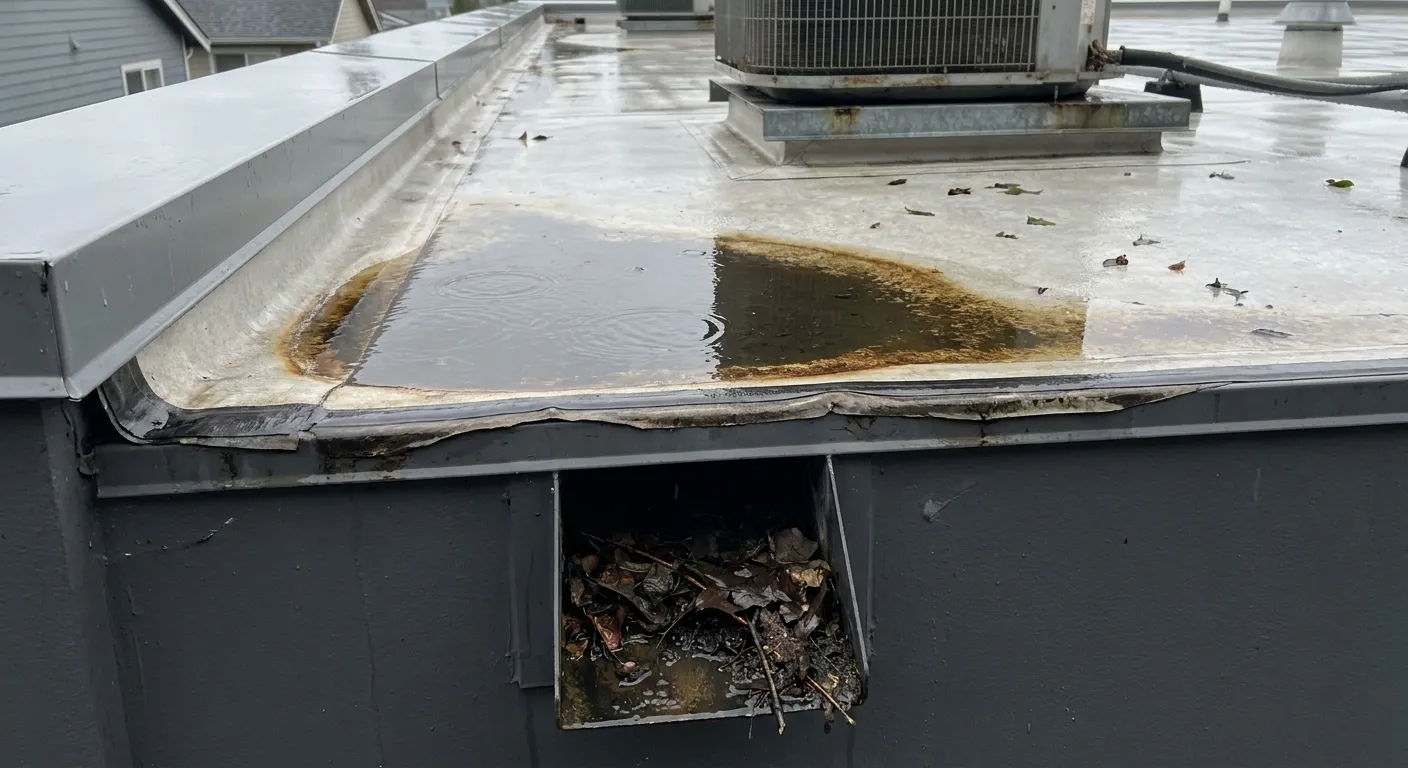
A clogged scupper can turn a few inches of rainwater into a roof leak that appears far from the drain. On a commercial flat roof, water does not simply sit on the surface. It adds weight, works into weak seams, and exposes every vulnerable edge of the membrane. In Seattle, where long wet seasons are followed by dry, sunny periods, that cycle can speed up wear on TPO, PVC, and torch-down roofing systems.
Ponding water on a flat roof is often the first visible sign of a larger drainage problem. Leaves, debris, and sediment can block scuppers, drains, and gutters, preventing water from moving off the roof as designed. As standing water remains in place, it can stress seams, loosen flashing, and contribute to membrane seam delamination. A small opening may allow moisture into insulation or roof decking, where damage can spread without obvious signs inside the building.
For property managers and commercial building owners, early attention to drainage and membrane condition protects more than the roof surface. It can help prevent interior leaks, ceiling damage, wet insulation, interrupted operations, and unexpected repair costs. Regular drain cleaning and inspections are practical steps, but they are most effective when paired with a clear understanding of what the roof is telling you. Blistering, lifted seams, cracks around penetrations, recurring leaks, or water that remains more than 48 hours after rain all deserve a closer look. Learn more about how poor roof drainage shortens roof lifespan and why small maintenance issues should not be ignored.
Commercial roof repair Seattle property owners need is not always the same as a full roof replacement. Localized seam damage, a compromised drain area, or limited membrane wear may be addressed with targeted repairs. However, repeated leaks, widespread ponding, failing seams in multiple areas, or aging materials may indicate a broader problem. The right decision depends on the roof’s age, drainage design, material, maintenance history, and the extent of moisture beneath the membrane.
This guide explains how ponding water, blocked drainage, and Seattle weather work together to shorten flat roof life. You will learn the common warning signs of membrane failure, the role of scuppers and roof drainage systems, when flat roof repair may be appropriate, and when replacement should be considered. It also covers why routine inspections matter and how a qualified local contractor can evaluate your roof before a small drainage issue becomes a major leak. If you notice standing water or recurring moisture concerns, schedule a commercial roof inspection with Roof Pros NW for a professional assessment.
Commercial Roof Repair Seattle: Stop Ponding and Leaks
Commercial flat roofs in Seattle face constant pressure from rain, wet debris, standing water, and seasonal sun exposure. When water cannot drain properly, it can sit on the roof surface, work into seams, and eventually cause leaks inside the building. Clogged scuppers, blocked roof drains, and worn membrane edges are common starting points.
For commercial property owners and managers, commercial roof repair Seattle needs often begin with a small drainage issue. Addressing it early can help limit damage to insulation, decking, flashing, and interior finishes. The key is understanding how drainage, membrane condition, and Seattle weather work together.
Why Ponding Water and Leaks Happen on Flat Roofs
A flat roof is not completely level. It is built with subtle slopes that direct water toward drains, scuppers, gutters, or roof edges. When those drainage paths are blocked or the roof has low areas, rainwater may remain in place instead of leaving the roof.
Seams, membrane edges, flashing, drain bowls, and roof penetrations are common weak points. Water that stays near these areas puts more pressure on the waterproof surface. Over time, a small drainage problem can become a larger membrane failure.
What Seattle Property Owners Need to Watch For
Property managers should watch for visible changes during routine roof walkthroughs, especially after heavy rain. Common warning signs include:
- Standing water after rain
- Seam separation or lifted membrane edges
- Blistering, bubbles, or surface cracks
- Cracks around vents, HVAC curbs, and other penetrations
- Recurring leaks in the same interior area
Early attention can help limit moisture damage to insulation and roof decking. The next step is understanding why Seattle weather makes these issues more likely.
How Seattle Weather Increases Flat Roof Stress
Seattle commercial roofs must handle long wet seasons, periods of heavy rainfall, wind-driven debris, and dry summer sun. Moisture and drainage problems often begin during the rainy months, while summer UV exposure can worsen membrane areas that have already been weakened.
TPO, PVC, and torch-down systems can all perform well when installed and maintained correctly. However, each material can wear faster when water remains trapped at seams, edges, drains, or flashing details.
Long Wet Seasons Keep Drainage Under Pressure
During Seattle’s wet months, roof drainage systems work repeatedly. Leaves, dirt, gravel, and sediment can collect around scuppers and drains between maintenance visits. Even a partial blockage can slow water movement and create ponding water on a flat roof.
A clogged scupper can begin a failure chain. Water ponds behind the blockage, places extra stress on seams, and keeps the membrane wet for longer periods. This can speed up wear that might otherwise take years to develop. For more guidance, review how poor roof drainage shortens lifespan and maintenance tips for rainy seasons.
Dry Summer Heat and UV Can Worsen Existing Damage
Seattle summers may be drier, but sun exposure still affects commercial roofing materials. UV rays can dry and weaken membrane surfaces, especially where moisture, standing water, or seam movement has already caused stress.
This UV membrane breakdown may show as surface cracking, fading, blistering, or splitting at vulnerable seams. A seam weakened by wet-season ponding can separate further during warm weather as the membrane expands and contracts.
Why Pacific Northwest Roofs Need Different Attention
Pacific Northwest roofs face a combination of moisture, standing water, organic debris, and temperature changes. A roof may appear fine during a dry period while hidden moisture remains under the membrane or insulation.
This is why commercial flat roof maintenance Seattle buildings receive should focus on drainage and membrane condition together. A clean drain does not solve every roof issue, but it can reduce one of the most common causes of premature wear.
Common Failure Points on Commercial Flat Roofs
Commercial flat roof problems rarely come from one issue alone. Ponding water, blocked drainage, weakened seams, and flashing failures often overlap. Understanding these failure points helps managers spot issues before they lead to broader repairs.
Ponding Water on a Flat Roof
Ponding water is water that remains on the roof for an extended period after rainfall. Standing water that does not drain within about 48 hours deserves attention, particularly if it appears in the same low area after every storm.
Water adds weight to the roof surface and keeps the membrane under constant moisture exposure. Repeated ponding can shorten flat roof lifespan in the PNW by stressing seams, encouraging debris buildup, and revealing underlying slope or drainage problems.
Membrane Seam Delamination
Membrane seam delamination occurs when bonded sections of TPO or PVC begin to lift, separate, or lose their watertight seal. Seams are designed to keep water out, but ponding water and movement in the roof system can strain those connections.
Once water enters beneath a separated seam, it may travel under the membrane before showing inside the building. Small seam problems can spread, so a professional inspection is important when signs of TPO membrane failure on a commercial building appear.
Clogged Scupper Drainage and Roof Drain Issues
Scuppers are openings that move water through a parapet wall and into a downspout or exterior drainage path. Leaves, moss, dirt, and windblown debris can block these openings. Roof drains and gutters can develop similar clogs.
Clogged scuppers causing roof leaks on flat commercial buildings are a common concern because the blockage holds water against the membrane edge and flashing. Drainage maintenance is not separate from roof maintenance. It is a major part of protecting the roof system.
Flashing and Penetration Problems
Flashing is the material used to seal roof transitions around edges, walls, vents, pipes, skylights, and HVAC curbs. These areas move differently than the main roof surface and are frequent leak locations.
Cracks, loose material, or gaps at flashing can allow water beneath the membrane. Even a strong roof field can leak if the details around penetrations and roof edges are failing.
Blisters, Cracks, and Membrane Wear
Blisters are raised bubbles in a membrane or built-up roof surface. They may indicate trapped moisture, air, or aging layers beneath the top surface. Cracks, splits, and worn areas can also point to ongoing material stress.
These signs do not always mean full replacement is needed. However, they should be evaluated before they allow moisture deeper into the roof assembly.
Signs Your Commercial Roof Needs Repair
Routine walkthroughs can help building managers identify changes early. Check the roof safely after major weather events and note any recurring conditions.
Exterior Warning Signs
Look for:
- Standing water that remains more than 48 hours after rain
- Visible seam separation
- Lifting around flashing or roof edges
- Cracks, punctures, blistering, or splits in the membrane
- Debris blocking scuppers, drains, or gutters
Interior Warning Signs
Roof problems can also show up inside the building. Watch for:
- Ceiling stains
- Damp insulation
- Musty odors
- Drips near exterior walls or roof-supported equipment
- Moisture spreading beyond the original leak area
When a Leak Is More Than a Small Problem
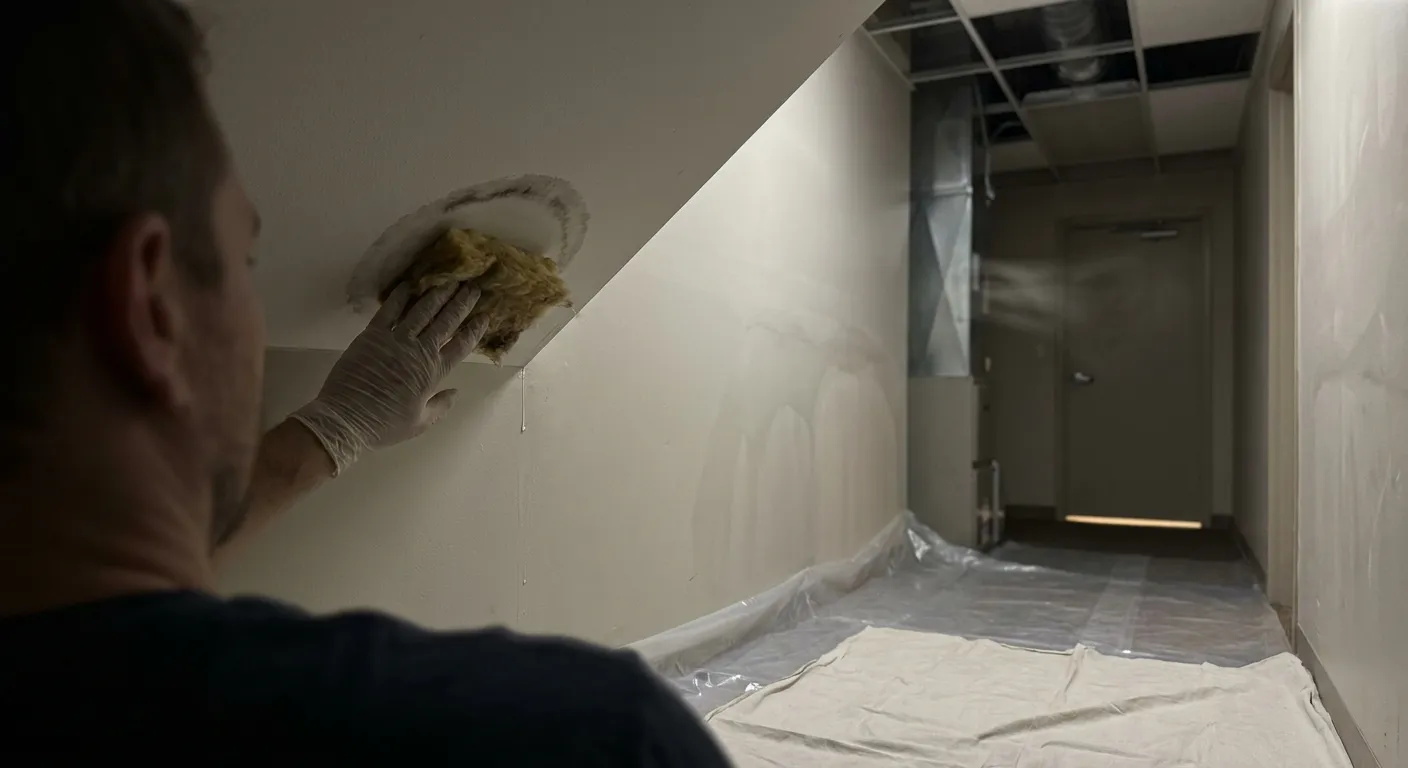
A visible leak is not always directly below the roof opening. Water can travel along insulation, decking, framing, or mechanical supports before it reaches an interior ceiling.
For that reason, a recurring leak should be inspected instead of repeatedly patched from the inside. Flat roof leak repair Seattle WA property owners need should identify the source, the moisture path, and the condition of nearby membrane areas.
TPO, PVC, and Torch-Down Roof Repair Basics
The right repair approach depends on the roof material, its age, and the type of damage. A qualified contractor should identify the existing system before recommending a repair method.
TPO Membrane Repair
TPO is a single-ply membrane commonly used on commercial flat roofs. Common issues include punctures, failed seams, flashing separation, and UV wear.
TPO membrane repair may be appropriate when damage is limited to a small area and the surrounding membrane remains sound. Repairs must use compatible materials and proper welding or sealing methods.
PVC Roofing System Repairs
A PVC roofing system is also a single-ply membrane system with heat-welded seams. PVC can resist many common roof stresses, but seams, penetrations, and edge details can still develop problems.
Repairs often focus on transitions around HVAC curbs, vents, drains, and wall flashing. Proper surface preparation matters because a patch is only as reliable as the material around it.
Torch-Down Roof Repair
Torch-down roofing is an asphalt-based membrane system installed in overlapping layers. It may show wear at seams, laps, edges, and areas exposed to regular standing water.
Aging torch-down roofs can develop cracks, membrane separation, and brittle surfaces. The roof’s age and the condition of its layers help determine whether isolated repair remains practical.
Why Material Type Matters for the Fix
The same leak location can require different repairs depending on whether the roof is TPO, PVC, or torch-down. A Seattle commercial roofing contractor should assess the membrane, seams, flashing, drainage, and insulation condition before deciding on the right repair.
Flat Roof Repair vs Replacement: How to Decide
Commercial flat roof repair vs replacement Seattle WA decisions should be based on the roof’s full condition, not only the visible leak. A localized issue on a newer roof may be repairable, while repeated failures across an older roof may point to a larger problem.
When Flat Roof Repair Seattle Properties May Need Is Enough
Repair may be a practical choice when the roof has:
- Limited seam damage
- One clogged drain area or isolated ponding issue
- Small punctures or localized flashing problems
- A newer membrane system with wear in only one area
In these cases, correcting drainage and repairing the damaged section may restore the roof’s performance without replacing the entire system.
When Replacement May Make More Sense
Replacement may deserve consideration when there are:
- Repeated leaks in different roof areas
- Widespread ponding water
- Multiple failed seams
- Aging membrane with broad surface wear
- Moisture trapped beneath much of the roof system
If patches are needed frequently, the repair costs and disruption can add up. A replacement can provide an opportunity to address broader drainage and insulation concerns at the same time.
How Roof Age and Maintenance History Affect the Decision
A single seam failure on a relatively new, well-maintained roof has a different meaning than the same failure on an older roof with years of ponding water. Maintenance records, previous leaks, prior repairs, and roof age all help guide the decision.
Regular commercial flat roof maintenance Seattle property owners schedule can extend service life by identifying small concerns before they become widespread.
Looking at Long-Term Value
The lowest initial cost is not always the best long-term choice. Targeted repair can be efficient for isolated damage. Ongoing maintenance can preserve a serviceable roof. Replacement may offer better value when membrane failure is widespread.
A roof inspection helps clarify these options. Property owners considering a larger project can also review flat roof replacement services and what property owners should know.
How Commercial Roof Inspections Catch Problems Early
A commercial roof inspection connects the visible roof surface to the building’s overall condition. It helps identify drainage restrictions, seam wear, flashing failures, and likely moisture paths before water reaches interior spaces.
What a Commercial Roof Inspection Should Include
A thorough inspection should review:
- Scuppers, drains, and gutters
- Membrane seams and roof edges
- Flashing and penetrations
- Ponding areas and slope concerns
- Interior signs of moisture or leak paths
The inspection should also consider whether repairs in one area match the condition of the rest of the roof.
How Often Seattle Commercial Roofs Should Be Inspected
Most commercial roofs benefit from regular inspections at least twice a year, commonly before and after the wet season. Older roofs, roofs with prior leaks, and buildings surrounded by trees may need more frequent checks.
Additional inspections are useful after major storms, high winds, or any event that causes drainage backups. This is especially important when heavy debris has collected around scuppers or roof drains.
Why Scheduled Inspections Protect the Building
Scheduled inspections can find a lifted seam, blocked drain, or damaged flashing detail before it becomes a larger leak. They also support maintenance planning, budget decisions, and repair timing.
To arrange an evaluation, property managers can schedule a commercial roof inspection.
Maintenance Steps That Help Prevent Ponding and Leaks
Maintenance cannot correct every slope or aging membrane concern, but it can reduce preventable drainage problems. Between professional inspections, building staff can safely monitor roof conditions and document changes.
Keep Scuppers, Drains, and Gutters Clear
Regularly remove leaves, branches, sediment, and loose debris from drainage areas. Water must be able to move off the roof as designed.
A clogged scupper can start the chain from standing water to seam stress and membrane failure. Cleaning drainage paths is a simple but important part of flat roof waterproofing.
Watch High-Risk Areas After Heavy Rain
After storms, check known low spots, seams near drains, roof edges, and areas around HVAC equipment. Note whether water is draining or remaining in the same locations.
Lingering ponding water may signal a blocked outlet, an uneven roof surface, or a drainage system that needs professional attention.
Track Small Issues Before They Grow
Document ceiling stains, damp areas, soft spots, lifted seams, and recurring leaks. Include the date, location, and weather conditions when possible.
Clear records help property managers recognize patterns and make quicker repair decisions when a contractor evaluates the roof.
Pair Maintenance With Professional Oversight
Maintenance is most effective when supported by a qualified roofing contractor who can identify membrane damage that is not obvious from a basic walkthrough. Timely inspections and repair planning help protect the entire roof system.
How to Choose a Seattle Commercial Roofing Contractor
Commercial flat roofs require different skills than steep-slope residential roofs. Choosing a contractor with relevant material and drainage experience supports better diagnosis and clearer repair recommendations.
Look for Experience With Flat Roof Systems
Ask whether the contractor has experience with TPO, PVC, and torch-down systems. Flat roof repairs require attention to seams, drainage, flashing, penetrations, and membrane compatibility.
For additional guidance, see hiring commercial roofing contractors in Seattle WA.
Ask About Inspection, Repair, and Replacement Options
A contractor should explain how they will identify the leak source and determine whether damage is localized or widespread. Ask about drainage findings, membrane condition, repair materials, and whether replacement should be considered.
Clear communication helps building owners compare options based on roof condition rather than making decisions from a single visible leak.
Choose a Contractor Who Understands Seattle Conditions
A Seattle commercial roofing contractor should understand long wet seasons, debris buildup, moisture movement, and summer UV exposure. Local weather knowledge helps guide drainage planning and membrane maintenance decisions.
What Roof Pros NW Looks for on a Flat Roof
Roof Pros NW evaluates commercial flat roofs by looking at drainage, membrane condition, flashing details, and signs of moisture movement. The goal is to identify the source of the problem and provide a repair plan that fits the building’s roof condition.
Drainage Problems and Ponding Areas
Roof Pros NW checks for blocked scuppers, slow drains, debris accumulation, and low areas where water collects. Small ponding areas may reveal a larger drainage concern or weakened material nearby.
Membrane and Seam Condition
The evaluation includes membrane seams, flashing, penetrations, edges, blisters, cracks, and signs of seam delamination. This helps determine whether a targeted repair is appropriate or whether broader wear is affecting the system.
Repair Planning for the Building
The recommended approach should match the roof’s age, material, damage level, and maintenance history. Roof Pros NW focuses on practical next steps, whether that means drainage cleaning, seam repair, flashing work, or planning for replacement.
Conclusion: Stop Ponding Water Before It Becomes a Bigger Leak
Ponding water, clogged scuppers, membrane wear, and Seattle weather can combine to create serious flat roof problems over time. Water that remains on the roof can stress seams and flashing, while summer UV exposure can worsen already weakened areas.
Early inspection and timely commercial roof repair help building owners address drainage problems before they spread into insulation, decking, and interior spaces.
Key Takeaways for Seattle Property Owners
- Ponding water, clogged scuppers, and seam failure can lead to larger roof damage.
- Routine maintenance and inspections help protect the roof drainage system and membrane.
- Repair may be enough for localized damage, but repeated leaks or widespread wear may point to replacement.
Next Step for a Commercial Roof Leak or Drainage Concern
If your building has standing water, recurring leaks, blocked scuppers, or visible membrane damage, schedule a professional inspection. Contact Roof Pros NW for commercial roofing solutions and commercial roof repair Seattle property owners can rely on for clear, practical guidance.
Conclusion
Ponding water and leaks on a commercial flat roof are more than just surface issues. In Seattle, long wet seasons, windblown debris, and constant moisture can put steady stress on drains, scuppers, seams, and flashing. When water cannot leave the roof the way it should, it can stay in low spots, weaken membrane edges, and slowly move into the roof system.
That is why small drainage problems should never be ignored. A blocked scupper, clogged drain, or lifted seam may seem minor at first, but these issues can lead to bigger concerns such as damaged insulation, wet decking, ceiling stains, and repeated interior leaks. The sooner they are checked, the easier it is to limit the spread of damage and protect the rest of the building.
Another important takeaway is that flat roof problems rarely come from one cause alone. The roof material, roof age, maintenance history, and Seattle weather all affect how quickly wear develops. TPO, PVC, and torch-down systems can all last well when they are maintained, but each one can fail faster when water sits too long or flashing details begin to break down. That is why the full roof system, not just the visible leak, needs to be reviewed.
For property owners and managers, the best next step is to look for patterns. If ponding water keeps returning in the same area, if leaks keep showing up in the same room, or if drainage is backed up after every storm, the roof likely needs more than a quick patch. In some cases, a targeted repair may be enough. In others, widespread wear or repeated leaks may point toward replacement. A professional inspection helps make that decision clearer.
Regular maintenance also plays a big role. Keeping drains, gutters, and scuppers clear can reduce preventable roof stress, especially during Seattle’s rainy season. Pairing that maintenance with routine inspections helps catch seam separation, flashing problems, and membrane wear before they become larger repairs. For more background on why drainage matters, see how poor roof drainage shortens lifespan and maintenance tips for rainy seasons.
If you are unsure whether your roof needs repair or replacement, it helps to get a qualified set of eyes on the system. You can schedule a commercial roof inspection and get a better understanding of what is causing the ponding or leak. Roof Pros NW can help you review the roof condition, compare repair and replacement options, and choose a practical next step that fits your building’s needs.
Commercial flat roofs in Seattle face a tough mix of rain, standing water, and summer heat. These key takeaways explain how small drainage problems can turn into bigger membrane failures, what warning signs to watch for, and when to bring in a professional for repair or inspection.
- Clogged scuppers can start the failure chain: When drains or scuppers get blocked, water can pool on the roof and begin breaking down seams and membrane edges.
- Ponding water shortens flat roof life: Standing water adds stress to TPO, PVC, and torch-down systems and can speed up seam delamination and leaks.
- Seattle weather makes drainage problems worse: Long wet seasons and dry summer UV exposure can weaken a roof that already has ponding or membrane damage.
- Small seam issues can become bigger leaks: Once a membrane starts to separate, water can enter the roof system and spread damage beyond the first problem area.
- Drainage maintenance is part of roof maintenance: Regular cleaning and inspection of scuppers, drains, and gutters helps protect the roof and extend its lifespan.
- Repair and replacement are not the same choice: Limited damage may need targeted repair, but widespread membrane failure or repeated leaks may point to replacement.
- Routine inspections catch problems early: Scheduled commercial roof inspections can find ponding, seam failure, and drainage issues before they become expensive repairs.
- A qualified Seattle roofer should understand flat roof systems: A local commercial roofing contractor can assess TPO, PVC, and torch-down roofs and recommend the right fix for the building.
With these points in mind, the full article explains how flat roof drainage, membrane wear, and local weather work together, and why fast action from a trusted team like Roof Pros NW can help protect your building.
Plan Your Flat Roof Replacement with Confidence
Understanding flat roof materials, drainage needs, and warning signs helps you make a smarter replacement decision. If your roof is aging, holding water, or needing frequent repairs, now is a good time to get clear answers before small issues become larger projects.
Roof Pros NW offers a flat roof replacement consultation and estimate tailored to your property, budget, and long-term goals.
- Review the current condition of your flat roof
- Identify drainage concerns that may affect roof life
- Compare material options for durability and weather resistance
- Get a clear estimate with practical replacement recommendations
- Plan your project around a schedule that works for you
A professional assessment can help you avoid guesswork and choose a roofing system built for Seattle-area conditions. Availability can fill quickly during busy roofing seasons, so it is helpful to begin planning early.
Schedule your flat roof replacement consultation with Roof Pros NW
When is commercial roof repair enough, and when do I need a full roof replacement?
Repair is often enough when the problem is limited to one area, such as a small seam issue, isolated flashing damage, or a clogged drainage point. Replacement makes more sense when leaks keep coming back, ponding water happens in several places, seams are failing across the roof, or the membrane is aged and worn in a broad area. The best choice depends on the roof’s age, material, leak history, and how much moisture may be trapped below the surface. Roof Pros NW can inspect the roof and help you decide which option is more practical.
How do I know if ponding water on my flat roof means I need a roofer?
If water stays on the roof more than about 48 hours after rain, that is a sign the drainage system needs attention. Ponding can point to clogged scuppers, blocked drains, low spots, or membrane problems that may lead to leaks. You should also call a roofer if ponding keeps showing up in the same area, if seams look lifted, or if you notice interior stains. Roof Pros NW can inspect the roof and find out whether the issue is a simple blockage or a larger repair need.
How often should a commercial flat roof be inspected in Seattle?
Seattle roofs should be inspected on a regular schedule, and they often need extra attention because of frequent rain and debris buildup. A good rule is to inspect before and after the wet season, and again after major storms or any leak event. Older roofs and roofs with past repairs may need more frequent checks. Regular inspections help catch seam wear, drainage problems, and flashing damage before they turn into bigger repairs.
What should a commercial roofing contractor check during a roof inspection?
A proper inspection should cover scuppers, drains, gutters, seams, flashing, penetrations, edges, and any areas where water tends to sit. The contractor should also look for blistering, cracks, lifted membrane, soft spots, and signs of moisture inside the building. On a flat roof, the source of the leak is not always right where the stain appears. Roof Pros NW looks at the full roof system so the repair recommendation matches the real problem.
How do I choose a trustworthy Seattle commercial roofing contractor?
Look for a contractor with real experience on flat roof systems, including TPO, PVC, and torch-down roofs. Ask how they inspect the roof, how they find the leak source, and whether they explain repair and replacement options clearly. Local knowledge matters in Seattle because drainage, standing water, and moisture exposure can shorten roof life. Choose a contractor who is clear, responsive, and focused on practical solutions. Roof Pros NW can inspect the roof and give you a straightforward next step.
