Flat Roof Replacement Services: What Property Owners Should Know
Flat roofs may look simple compared to their sloped counterparts, but replacing one is anything but straightforward. For property owners—especially those managing commercial buildings—a flat roof replacement is a significant investment that goes beyond just swapping out old materials. The right replacement can enhance durability, improve energy efficiency, and protect your building from costly water damage for years to come. However, without proper planning and understanding, a flat roof replacement can become an unexpected headache.
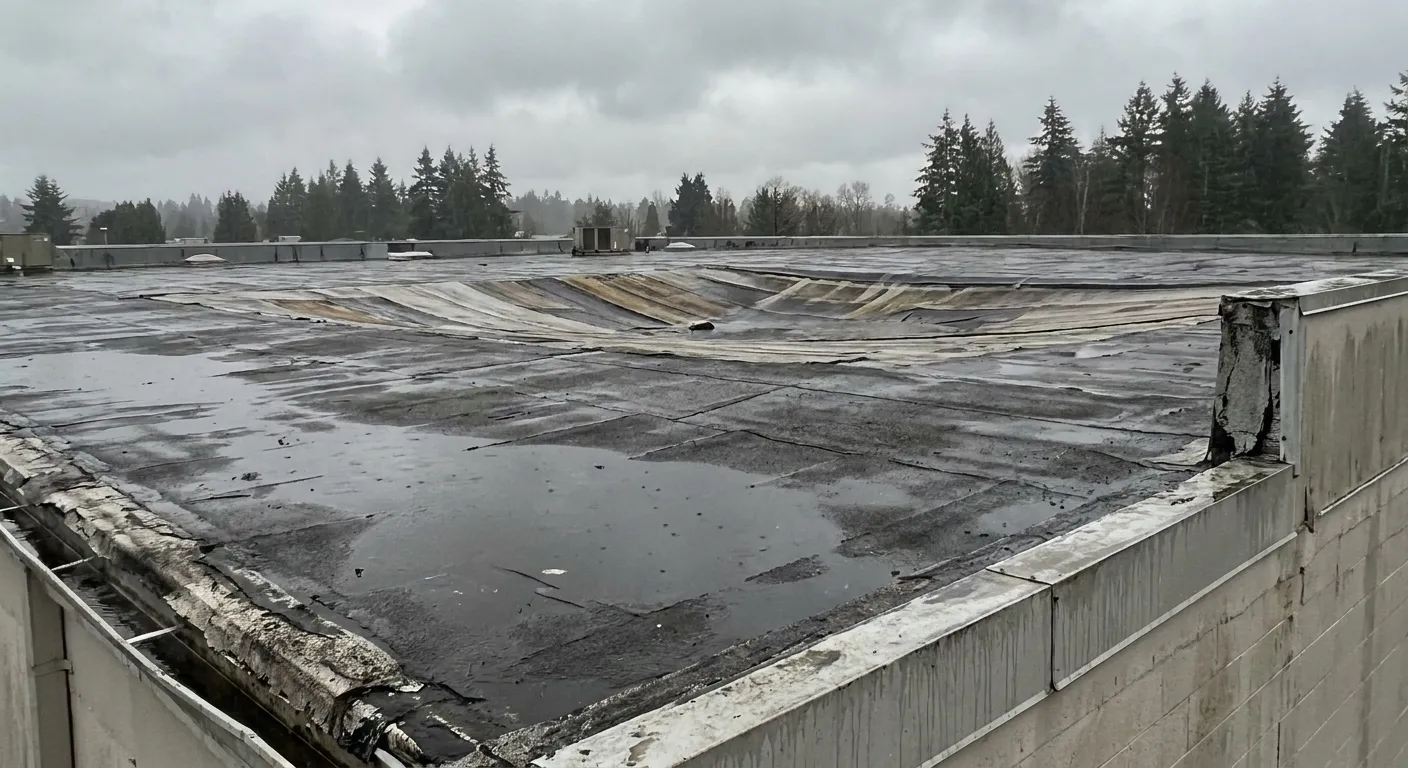
Recognizing when it’s time to replace a flat roof is crucial. Problems like persistent leaks, ponding water, or cracks in the roofing membrane are signs that repairs may no longer suffice. Flat roofs are particularly vulnerable to water-related issues, especially in the Pacific Northwest, where heavy rains and long wet seasons can accelerate wear and tear. For property managers and business owners, neglecting these issues can lead to structural damage, increased maintenance costs, or even disruptions to daily operations.
Choosing the right material for your new flat roof is another key decision. Options like TPO, EPDM, PVC, modified bitumen, and built-up roofing each offer unique benefits based on your budget, climate, and building type. Beyond materials, proper drainage design plays a pivotal role in the roof’s success. Without effective drainage, ponding water can exacerbate damage, shortening the lifespan of your investment. Working with a professional contractor, such as Roof Pros NW, ensures critical factors like flashing, drainage, and seam integrity are addressed during installation.
This guide will walk you through everything you need to know about flat roof replacement—from recognizing warning signs to comparing materials and understanding cost factors. By the end, you’ll feel equipped to make informed decisions that protect your property and maximize the lifespan of your new roof.
Flat Roof Replacement Services: What Property Owners Should Know
Flat roofs, common in both commercial and residential properties, require unique attention to ensure they perform well over time. Unlike pitched roofs, flat roofs face challenges related to water drainage, material longevity, and wear due to climatic conditions. A well-executed flat roof replacement is key to preventing damage, minimizing ongoing repairs, and extending the building’s overall lifespan.
In the Pacific Northwest, flat roofs face the added challenge of heavy rainfall and prolonged wet seasons. These conditions put additional stress on drainage systems and roofing membranes, often accelerating the need for replacements. Property owners must be proactive in maintaining their flat roof, as failing to address drainage or material issues can lead to costly structural damage.
This article will help homeowners and property managers understand key aspects of flat roof replacement, including identifying signs of failure, selecting the right materials, addressing drainage concerns, and managing costs. Whether you’re experiencing leaks, ponding water, or aging materials, knowing these details will help you make informed decisions.
Explore Roofing Services with Roof Pros NW to learn how professional contractors handle flat roof installation and replacement for long-term success.
Recognizing When a Flat Roof Needs Replacement
Common Signs Your Flat Roof May Need Replacing
Flat roofs often give clear warning signs when it’s time for a replacement. By recognizing these issues early, property owners can prevent larger problems from arising.
- Leaks: Persistent or spreading leaks are a common sign that the roofing material has worn through or that seams are no longer effective.
- Ponding Water: Flat roofs are vulnerable to pooling water when drainage systems fail. If water remains on the roof for more than 48 hours after rainfall, the risk of membrane deterioration increases.
- Cracking and Blistering: Surface cracks or bubbles (blistering) in roofing material can indicate weakening and moisture infiltration.
- Sagging Areas: A sagging roof often points to underlying structural issues caused by long-term water exposure or insufficient support.
- Seam Separation: Over time, seams between sections of roofing material can deteriorate, leading to leaks.
- Mold and Mildew Growth: Moist conditions, especially in the Pacific Northwest’s rainy climate, create perfect conditions for moss, mold, and mildew to thrive. This can accelerate material failure.
In regions like the Pacific Northwest, the combination of heavy rains and damp weather increases wear and tear. Materials such as modified bitumen or TPO can degrade faster if water infiltration or ponding isn’t addressed promptly.
Learn more about how flat roofs perform in different climates to understand these challenges better.
Repair vs. Replacement: When Replacement is More Cost-Effective
While minor issues like a small leak or localized damage might warrant a repair, not all flat roof problems can or should be fixed. Here are some factors to consider when deciding between repair and replacement:
- Extent of the Damage: If damage spans more than 25% of the roof’s surface, replacement is generally a more cost-effective option.
- Age of the Roof: Most flat roofs have an average lifespan of 10 to 20 years, depending on the material. If your roof is nearing the end of its life, replacing it may save on repeated repairs.
- Worsening Conditions: Delaying replacement when repairs are no longer adequate can lead to escalating costs, especially if structural damage occurs beneath the roofing membrane.
- Efficiency Gains: New roofing systems often feature energy-efficient materials and improved drainage design, which can reduce utility costs and maintenance over time.
When in doubt, consult a professional roofing contractor to assess your roof’s condition. Roof Pros NW specializes in roof replacement and repairs in Bellevue, WA, helping property owners determine the best course of action.
Choosing the Best Flat Roof Material
Overview of Popular Flat Roofing Materials
Selecting the right material for your flat roof replacement is essential to maximize durability and weather resistance. Here are some common options:
-
TPO (Thermoplastic Polyolefin):
Known for its affordability, energy efficiency, and ease of installation, TPO is a popular choice for both commercial and residential properties. It typically lasts 15 to 20 years. However, it may be less durable in climates with extreme temperature fluctuations. -
EPDM (Ethylene Propylene Diene Monomer):
Often called “rubber roofing,” EPDM is durable and affordable. It’s particularly good at withstanding UV exposure, making it suitable for sunnier areas. Lifespan ranges from 20 to 30 years, though installation seams can be a weak point without proper craftsmanship. -
PVC (Polyvinyl Chloride):
PVC roofing offers excellent durability, resistance to chemicals, and superior performance in wet climates like the Pacific Northwest. It tends to be pricier than TPO or EPDM, with a similar lifespan of 20 to 30 years. -
Modified Bitumen:
This asphalt-based system is highly dependable and designed for various installation methods. It performs well in cold or variable climates, but maintenance is key to ensuring its expected lifespan of 12 to 20 years. -
BUR (Built-Up Roofing):
Made of multiple layers of bitumen and reinforcing fabrics, BUR provides excellent waterproofing and durability. However, it’s heavier than other materials and requires proper structural support.
For detailed comparisons, explore the concrete flat roof pros and cons or consult Roof Pros NW for material guidance.
Material Recommendations Based on Building Type and Climate
-
For Commercial Properties:
PVC and TPO are common due to their energy efficiency and ability to handle larger surface areas. -
For Residential Homes:
EPDM and modified bitumen offer affordability and ease of residential installation. -
Pacific Northwest Considerations:
Wet conditions and heavy rainfall mean durability and drainage compatibility are critical. PVC’s water resistance often makes it a top choice, while BUR provides reliability for flat roofs that experience frequent exposure to standing water.
Find more insights on options like fibreglass flat roof pros and cons for detailed advice.
The Importance of Proper Flat Roof Drainage Design
How Poor Drainage Impacts Roof Performance
Flat roofs are especially prone to drainage challenges. Without proper water flow management, issues like ponding water, membrane damage, and leaks can become unavoidable. Pooling water stresses roofing materials, leading to delamination, mold, and structural weakening.
In the rainy Pacific Northwest, the frequency and volume of rainfall worsen these problems. Failure to address poor drainage during installation or replacement increases the likelihood of costly repairs or premature roof deterioration.
Ensuring Effective Drainage During Replacement
During a flat roof replacement, professional contractors can implement several solutions to improve drainage, such as:
- Tapered Insulation: This creates a subtle slope to direct water toward drains.
- Internal Drains: Placed strategically to handle large volumes of water, keeping your roof surface free from ponding.
- Scuppers: Openings at roof edges to direct water away from the building.
By incorporating these features when replacing your flat roof, you’ll greatly enhance its lifespan. Explore Roofing Services with Roof Pros NW for custom drainage designs tailored to your property’s needs.
Factors Impacting Flat Roof Replacement Costs
Material and Labor Costs
Several factors influence the total cost of replacing a flat roof, including the material chosen, the roof’s square footage, and labor. TPO and EPDM are among the more budget-friendly options, whereas PVC and BUR may require a higher initial investment. Installation complexity, such as additional layers or intricate flashing, may also drive up costs.
Additional Cost Considerations
Beyond materials and labor expenses, property owners should consider:
- Structural Repairs: Supporting elements may need upgrades if damage is found beneath the roof.
- Insulation: Installing or upgrading flat roof insulation can save on energy costs.
- Drainage Improvements: Addressing drainage design increases upfront costs but prevents future water damage.
Accurate estimates are crucial. Learn how to choose the best flat roof contractors for help evaluating costs and ensuring quality.
Maximizing the Lifespan and Performance of Your New Flat Roof
Maintenance Tips for Flat Roof Longevity
Proper maintenance can extend your flat roof’s lifespan significantly. Follow these tips:
- Inspect regularly for leaks, cracks, and debris accumulation.
- Clear gutters and drainage systems to prevent clogs.
- Hire professionals for periodic inspections, particularly after storms.
Different materials require varying levels of care. PVC and TPO generally need less maintenance than BUR or modified bitumen. Check out flat roof pros and cons for more guidance.
Why Professional Installation Makes a Difference
Skilled installation ensures your roof’s features, such as seams, flashing, and drainage systems, work together effectively. Hiring experts like Roof Pros NW guarantees not only proper installation but also valid warranties for peace of mind. Visit Roof Pros NW’s booking page to arrange your consultation.
Schedule Your Roof Leak Inspection Today
A roof leak can quickly escalate into a costly issue if left unchecked. Protect your home and your peace of mind with a professional roof leak inspection from Roof Pros NW. Our experts specialize in identifying leaks and providing timely, effective solutions to keep your home safe and dry.
Don’t wait too long to address potential damage – a quick inspection now can save you money and stress in the future.
Here’s why homeowners trust Roof Pros NW for roof leak repair services:
- Thorough inspections to identify leaks and underlying causes
- Customized solutions tailored to your roof’s specific needs
- Prevents further damage to your roof and home interior
- Fast, efficient, and professional service you can rely on
- Friendly and knowledgeable team ready to answer your questions
Take the first step toward protecting your home from water damage. Book your roof leak inspection now with Roof Pros NW!
Conclusion
Flat roof replacement is an essential investment for protecting your property, especially in climates like the Pacific Northwest. Understanding key aspects such as recognizing signs of failure, choosing the right materials, addressing drainage, and managing costs can help property owners make informed decisions that enhance both longevity and performance. Whether your flat roof is showing signs of aging, persistent leaks, or ponding water, taking proactive measures is crucial to avoid escalating damage and costly repairs.
Selecting the best material for your flat roof is critical to meeting your building’s needs and ensuring long-term durability. Solutions like PVC offer excellent water resistance for rainy climates, while TPO and EPDM provide energy efficiency and affordability. Drainage, often overlooked, plays a significant role in preventing water damage, and incorporating proper designs during replacement can significantly extend the roof’s lifespan.
Ultimately, prioritizing professional installation and consistent maintenance ensures your flat roof performs as intended. Scheduling regular inspections, clearing debris, and upgrading drainage systems are small but impactful steps to protect your investment. Additionally, working with trusted contractors like Roof Pros NW guarantees expert craftsmanship and durable results.
If you’re noticing signs that your flat roof may need replacement or are exploring material options, now is the time to act. Schedule a consultation with Roof Pros NW to get a professional assessment and tailored recommendations for your property. Whether you need guidance on materials, cost considerations, or drainage improvements, their team is here to help you take the next steps with confidence.
Flat roof replacement is an important investment for property owners, especially for commercial buildings. Understanding when replacement is needed, the materials available, and critical factors like drainage can help you choose the right solution for long-term durability. Here are the key points every property owner should consider before replacing a flat roof.
- Recognize when a flat roof needs replacing: Signs like persistent leaks, ponding water, membrane cracks, or a roof nearing the end of its lifespan indicate it may be time for a replacement.
- Choose the right flat roofing material for your needs: TPO, EPDM, PVC, modified bitumen, and built-up roofing all have unique advantages depending on your budget, climate, and building type.
- Drainage design is critical to flat roof success: Poor drainage can cause ponding water, which accelerates membrane wear and increases the risk of leaks. Ensure a proper drainage plan is part of the replacement process.
- Understand the factors that impact replacement costs: Costs vary based on materials, labor, roof size, and repair needs. A trusted contractor like Roof Pros NW can provide a detailed estimate.
- Consider the lifespan and maintenance of your new flat roof: Materials like PVC and TPO often last longer with lower maintenance needs, while options like built-up roofing may require more upkeep.
- Professional installation ensures long-term performance: A skilled roofing contractor will address crucial issues like flashing, drainage, and seam integrity during replacement to maximize durability.
- Know when replacement is better than repair: If issues like widespread deterioration, frequent leaks, or structural concerns persist, replacement is often a more cost-effective and reliable solution than repeated repairs.
By focusing on these key areas, you can plan a flat roof replacement that meets your property’s needs and protects it for years to come. Read on to explore each of these considerations in more detail and learn how Roof Pros NW can help with your project.
How do I know whether I need a flat roof repair or a full replacement?
Determining whether you need a repair or replacement involves assessing the extent of damage, roof age, and overall condition. If damage covers more than 25% or is widespread across the roof, replacement is usually more cost-effective. Roofs near the end of their lifespan also warrant replacement. For minor issues, repairs might suffice. Consult Roof Pros NW for a professional assessment.
What questions should I ask before hiring a roofing contractor for a flat roof replacement?
Before hiring a contractor, ask about their licensing and insurance, experience with flat roofs, references, and material options. Request a detailed estimate with a timeline, and inquire about warranties on both materials and workmanship. Ensuring clear communication and local experience are also key. Contact Roof Pros NW for more information.
How long does a commercial flat roof replacement typically take?
The duration of a flat roof replacement varies based on size, material choice, weather conditions, and complexity of the job. On average, it can take from a few days to a couple of weeks. Scheduling with Roof Pros NW will provide a more precise timeline tailored to your project.
What are hidden cost drivers in flat roof replacement (e.g., wet insulation, code upgrades)?
Hidden costs in flat roof replacement can include issues like wet or damaged insulation, structural repairs, and code upgrades required by local regulations. These can impact the overall cost significantly. It’s essential to get a thorough inspection and detailed estimate. Roof Pros NW can provide such insights with an inspection.
Are energy-efficient flat roofing materials like TPO or PVC worth the extra cost?
Energy-efficient materials like TPO or PVC can reduce energy bills by improving insulation and reflecting sunlight. While they might have a higher initial cost, these materials often offer long-term savings. Consider the local climate and energy needs. Consult Roof Pros NW to explore the best option for your building.
