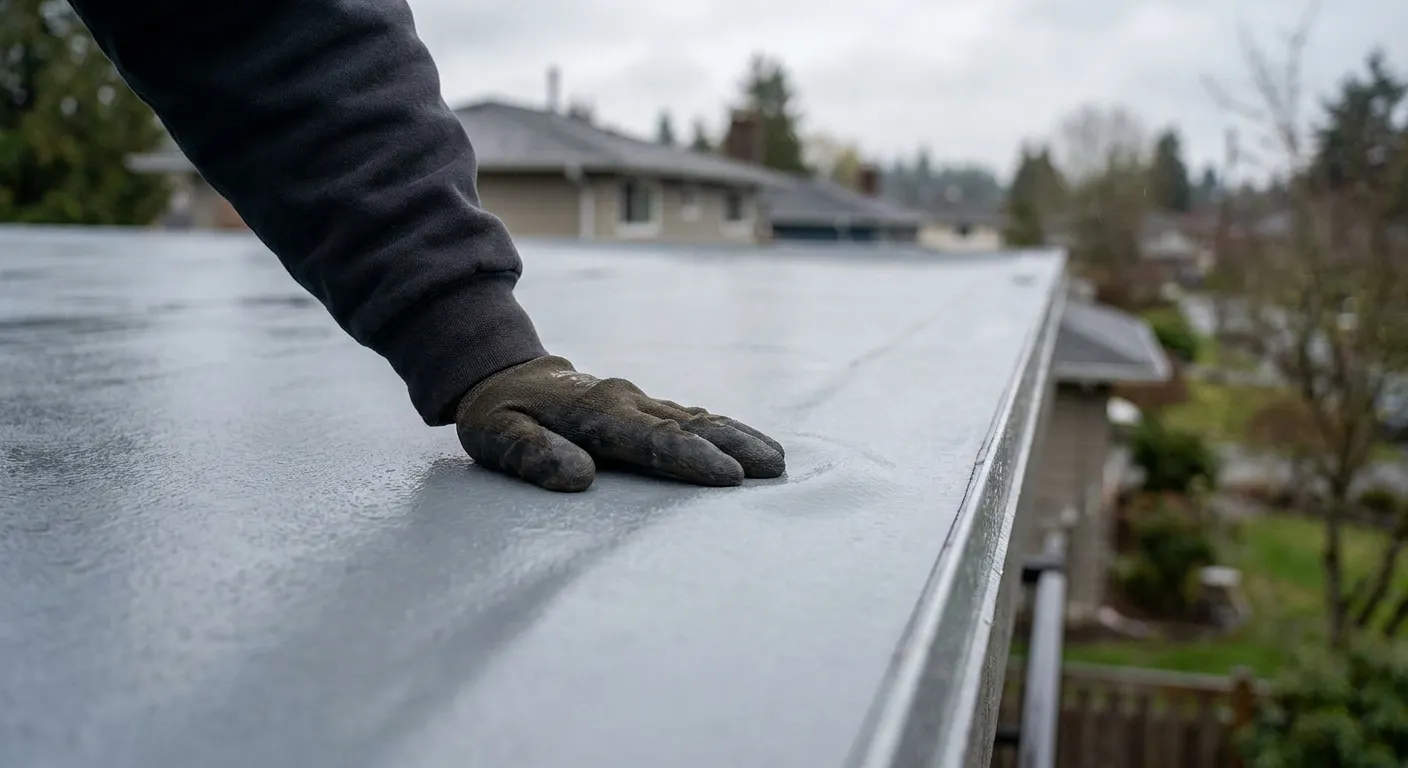
Fibreglass Flat Roof Pros and Cons: A Comprehensive Guide
Fibreglass flat roofing has built a reputation for strength, seamless waterproofing, and modern appeal. Yet, when it comes to protecting your home or property, no roofing solution is perfect. For homeowners and property managers in the Pacific Northwest, understanding the fibreglass flat roof pros and cons is especially important. The region’s heavy rainfall, constant moisture, and occasional high winds can push any roofing material to its limits, and fibreglass roofs are no exception.
What makes fibreglass roofing stand out? Its durability and resistance to leaks are significant advantages, thanks to its seamless design. When installed properly by skilled contractors, a fibreglass flat roof can handle the continuous rain and damp conditions that define the Pacific Northwest climate. However, installation is not as straightforward as it might seem. This material demands expert craftsmanship to prevent long-term issues like cracking, pinhole leaks, or surface damage, all of which can be costly and challenging to repair—even for experienced professionals.
While fibreglass flat roofs offer a sleek, low-maintenance option, they still require periodic inspections to catch developing problems early. Warning signs such as surface cracks or material shifts may appear over time, particularly in areas like the Pacific Northwest that experience fluctuating temperatures and constant moisture exposure. Failing to catch these signs quickly can lead to bigger issues, including water damage and higher repair costs down the road.
Choosing the best flat roofing material isn’t just about durability—it’s about finding a solution tailored to your budget, building needs, and local climate. Fibreglass might excel in some areas, but alternative options like vinyl membrane and torch-down roofing often offer unique benefits worth considering. For instance, these materials can provide easier maintenance, improved weather resistance, or greater flexibility for certain property types.
In this guide, we’ll dive into the benefits and drawbacks of fibreglass flat roofing, compare it to other modern flat roof materials, and explore what homeowners in the Pacific Northwest need to know before making their choice. Whether you’re looking to install, repair, or simply maintain your flat roof, this information will help you protect your property’s value and make a smart roofing decision.
Fibreglass flat roofs are a popular choice for homeowners and property managers due to their durability, waterproofing, and seamless finish. However, they come with unique challenges that must be carefully considered, especially in the Pacific Northwest's wet climate. These key takeaways will help you weigh the pros and cons, understand common issues, and choose the best flat roofing solution for your property.
- Durability and waterproofing offer key advantages: Fibreglass flat roofs are seamless, resistant to leaks, and perform well in wet conditions when installed correctly.
- Installation quality is critical to long-term success: Fibreglass roofs require highly skilled contractors to avoid issues like cracking, alligatoring, or pinhole leaks that can appear over time.
- Repairing fibreglass roofs can be challenging: Once damage occurs, repairs often require specialized tools and expertise, which can increase long-term costs compared to other flat roof materials.
- Low maintenance doesn’t mean maintenance-free: Regular inspections are necessary to catch early signs of wear, such as surface cracks or noise from material shifting, especially in regions with fluctuating temperatures.
- Upfront cost savings can be misleading without proper vetting: While installation might seem cost-effective, the need for skilled labor and ongoing maintenance can offset initial savings.
- Not all flat roof materials are equal: Alternatives like vinyl membranes or torch-down roofing may offer other advantages, such as easier repairs or better performance in extreme weather.
- Choose flat roof materials based on climate: In the Pacific Northwest, consider how heavy rain, wind, and moss growth may impact the long-term performance of fibreglass roofing.
With these takeaways in mind, the rest of the article dives deeper into the benefits and drawbacks of fibreglass flat roofs, how they compare to other materials, and what to watch for in roofing performance over time.
Understanding Fibreglass Flat Roof Pros and Cons
Fibreglass flat roofs have gained widespread popularity for their seamless design and durability, making them a top choice for many property owners. However, as with any roofing material, they come with their own set of strengths and weaknesses. Understanding the full scope of fibreglass flat roof pros and cons allows homeowners and property managers to make educated decisions about their roofing needs. Furthermore, comparing fibreglass to other flat roof materials such as vinyl membranes and torch-down systems highlights the unique advantages and challenges of each option.
In regions like the Pacific Northwest, where heavy rainfall and constant moisture are common, selecting the right flat roofing material is even more critical. Proper installation and maintenance play a major role in ensuring longevity and performance, regardless of material choice.
What Is a Fibreglass Flat Roof?
A fibreglass flat roof, also known as GRP (Glass Reinforced Plastic) roofing, is made of a composite material that combines glass fibers with a polyester resin base. These materials are layered and bonded to create a seamless, durable surface. After the application, the roof is typically finished with a top coat for additional waterproofing and UV resistance.
Fibreglass flat roofs are used in both residential and commercial settings due to their sleek appearance and ability to create a completely watertight solution. They are ideal for flat or gently sloped roofs, offering a modern look and high functionality.
One of the primary benefits of fibreglass roofing is its seamless construction. The absence of seams means there’s less risk of leaks, making it well-suited for areas with heavy rainfall, such as the Pacific Northwest. Additionally, these roofs are relatively lightweight, which minimizes structural strain on buildings.
The Pros of Fibreglass Flat Roofing
Durability: A Roof Built to Last
Fibreglass flat roofs are incredibly durable, offering long lifespans when properly installed and maintained. They are resistant to common roofing threats like:
- UV rays, which can cause other materials to crack or deteriorate.
- Moisture, making them an excellent option for rainy climates.
- General wear and tear due to their sturdy composition.
For property owners in regions like Washington, where steady rainfall is a year-round concern, this level of durability is particularly advantageous. Fibreglass roofs remain robust under these conditions, making them an investment with long-term value.
Seamless Waterproofing and Leak Prevention
One of the standout benefits of fibreglass flat roofing is its seamless design. Unlike many roofing systems that rely on overlaps, fibreglass roofs are installed as a single, continuous layer. This feature significantly reduces the risk of leaks, even in heavy rain or standing water conditions.
Homeowners in the Pacific Northwest especially appreciate this waterproofing capability, as it offers extra peace of mind during the wettest months.
Low Maintenance Requirements
Fibreglass roofing requires minimal upkeep. The surface naturally resists moss and algae growth, which are common problems for roofs in damp climates. Additionally, the smooth finish makes it easy to clean and inspect.
Property owners can maintain their fibreglass roofs with simple, periodic roof inspections to check for surface damage or debris accumulation. With professional help from services like roof inspections, repairs can be minimized.
Modern and Customizable Aesthetic
Fibreglass flat roofs are sleek and modern, making them an excellent choice for properties with contemporary designs. They are available in various finishes and colors, and the material can be molded to fit unusual dimensions or shapes. This level of customization enhances both functionality and curb appeal.
The Cons of Fibreglass Flat Roofing
Installation Complexity and Skilled Labour Requirements
Fibreglass flat roofs demand precision during installation. Improper techniques or using unskilled labor can lead to significant issues, such as:
- Cracking and alligatoring due to weak curing processes.
- Pinhole leaks that compromise waterproofing.
- Shorter overall lifespan if not installed correctly.
Without experienced professionals to handle the job, homeowners risk these costly problems. Finding a reliable roofer like Roof Pros NW is essential to avoid complications.
Repair Challenges for Fibreglass Roofs
While fibreglass flat roofs are low-maintenance, repairing these roofs can be complicated. The seamless surface means that patch repairs must be carefully matched to the original material. Poor-quality repairs may create weak spots, which could allow additional water infiltration.
Hiring experts in roof repair is necessary to ensure that any fixes are durable and effective.
Expansion, Contraction, and Climate Sensitivity
Although fibreglass roofs are durable, they can struggle in extreme temperature fluctuations. Large temperature swings may cause the material to expand and contract, potentially leading to cracks or surface defects. This can be a concern in the Pacific Northwest, where winter storms and summer heatwaves can create challenging conditions.
Regular roof inspections are key to identifying early signs of weather-related damage before they escalate.
Upfront Costs and Long-Term Budgeting
Fibreglass flat roofs can be more expensive to install than other flat roofing materials. While the material itself is long-lasting, the cost of skilled labor for proper installation adds to the total upfront price. For budget-conscious homeowners, this higher initial investment may require careful consideration.
However, when balanced against the material’s longevity and low maintenance costs, fibreglass roofing remains a cost-effective option in the long run.
Comparing Fibreglass Flat Roofing to Other Materials
Fibreglass vs Vinyl Membrane Roofing
Vinyl membranes are another common choice for flat roofs, offering excellent waterproofing and flexibility. In comparison to fibreglass, vinyl membranes are:
- Easier to repair, as they allow for patching over damaged areas.
- More adaptable for complex or irregular roof shapes.
However, fibreglass roofs generally outlast vinyl membranes in terms of overall longevity and resistance to wear. While vinyl may be a more budget-friendly option initially, fibreglass offers superior durability for rainy climates like the Pacific Northwest.
Fibreglass vs Torch-Down Roofing
Torch-down roofing, made of modified bitumen, is another alternative for flat roofs. It is highly resistant to water and weather, and the installation is relatively inexpensive compared to fibreglass.
However, torch-down roofs require more frequent maintenance and have shorter lifespans. Additionally, the presence of seams increases the chances of leaks over time. In a wet region like Washington, fibreglass flat roofs provide better long-term performance and resistance to water infiltration.
Maintenance Tips for Fibreglass Flat Roofs in the Pacific Northwest
To maximize the lifespan of a fibreglass flat roof, regular maintenance and awareness of common issues are necessary. Here are key steps for maintaining fibreglass roofing in this region:
- Schedule regular inspections: Work with reliable professionals like Roof Pros NW to perform annual roof inspections, ensuring any minor issues are caught early.
- Keep the roof clear: Remove debris such as leaves or branches to prevent blockages in drainage systems.
- Monitor for moss buildup: Check for signs of moss or algae, especially during the damp winter months. Power washing or professional moss removal may be needed.
- Inspect after temperature extremes: Look for surface cracks or gaps caused by shifting temperatures and address them promptly.
By following these proactive measures, property owners can keep their fibreglass flat roofs in top condition.
Is Fibreglass Flat Roofing Right for You?
Choosing fibreglass flat roofing depends on factors such as budget, climate, and long-term maintenance expectations. For Pacific Northwest homeowners and property managers, fibreglass roofs offer excellent durability, leak prevention, and low maintenance needs, making them a top contender for flat roofing.
To determine if fibreglass is the best material for your property, consult trusted roofing professionals like Roof Pros NW. Their expertise ensures proper installation and tailored advice, helping you make the most informed roofing decision.
Get Your Roof Leak Fixed Today!
Now that you understand the common causes and warning signs of roof leaks, it’s time to take action before that small issue turns into a bigger problem. Roof Pros NW offers professional roof leak inspections and repairs to protect your home and give you peace of mind.
Take advantage of our expert service to:
- Pinpoint leaks and hidden damage with precision.
- Prevent costly water damage to your home.
- Extend the lifespan of your roof with timely repairs.
- Benefit from skilled, local roofing professionals.
- Get a personalized solution that fits your needs and budget.
Don’t wait—leaks only get worse with time! Schedule your inspection today and let our experienced team keep your home safe and dry. Book your roof leak inspection here.
Conclusion
Fibreglass flat roofs stand out as a durable, low-maintenance roofing option that offers a seamless, watertight surface ideal for rainy climates like the Pacific Northwest. Their resistance to UV rays, moisture, and wear makes them a long-lasting solution for both residential and commercial properties. The sleek modern appearance and customizable design add aesthetic value to a property, while the low risk of leaks provides peace of mind during heavy rainfall.
However, it’s important to consider the potential challenges of fibreglass roofing, including the need for skilled installation, the sensitivity to extreme temperature changes, and the upfront investment. Proper maintenance, such as regular inspections, debris removal, and monitoring for moss or cracks, plays a critical role in ensuring a fibreglass roof’s longevity and performance.
For homeowners or property managers weighing fibreglass flat roofing against other materials, understanding its unique benefits and limitations is essential. Comparing fibreglass to options like vinyl membranes or torch-down systems highlights its superior durability and waterproofing capabilities, especially in wet conditions. While alternatives may have lower initial costs or easier repairs, fibreglass often delivers better long-term value.
If you’re considering a fibreglass flat roof or need guidance on whether this option is right for your property, working with experienced roofing professionals is the best next step. Roof Pros NW offers expert installation, maintenance, and repair services to help you make an informed decision and ensure your roof performs at its best.
Schedule a roof inspection today to pinpoint the best solution for your flat roofing needs. A professional evaluation can identify potential risks, ensure proper installation, and protect your investment for years to come. With the right care and expertise, a fibreglass flat roof can provide lasting protection and enhance your property’s overall value.
FAQs
How much does a roof repair cost?
The cost of roof repair depends on several factors including the size of your roof, age, material type, slope, and level of damage. It’s important to get a professional inspection to assess your specific needs. Contact Roof Pros NW for an accurate estimate.
What should I ask before hiring a roofing company?
Before hiring a roofing company, ask about licensing, insurance, and warranties. Inquire about their experience, materials offered, and references from past clients. Clear communication and detailed estimates are also important. Reach out to Roof Pros NW for a consultation.
What are common warning signs that my roof needs repair?
Common warning signs include missing or damaged shingles, leaks, water stains, and sagging areas. Moss or algae growth can also indicate underlying issues. If you notice any of these signs, contact Roof Pros NW for a thorough inspection.
How often should I have my roof inspected?
It’s recommended to have your roof inspected at least once a year and after major storms. Regular inspections help catch problems early and prolong the roof’s lifespan. Schedule an inspection with Roof Pros NW to keep your roof in good condition.
How do I find trustworthy roofing contractors?
To find trustworthy roofing contractors, look for those with proper licensing and insurance. Check online reviews and ask for references. Ensure they provide clear estimates and have experience with your specific roofing needs. Contact Roof Pros NW for reliable service.
