Roofing Blog
Pros and Cons of Living Roofs: A Practical Guide for Homeowners
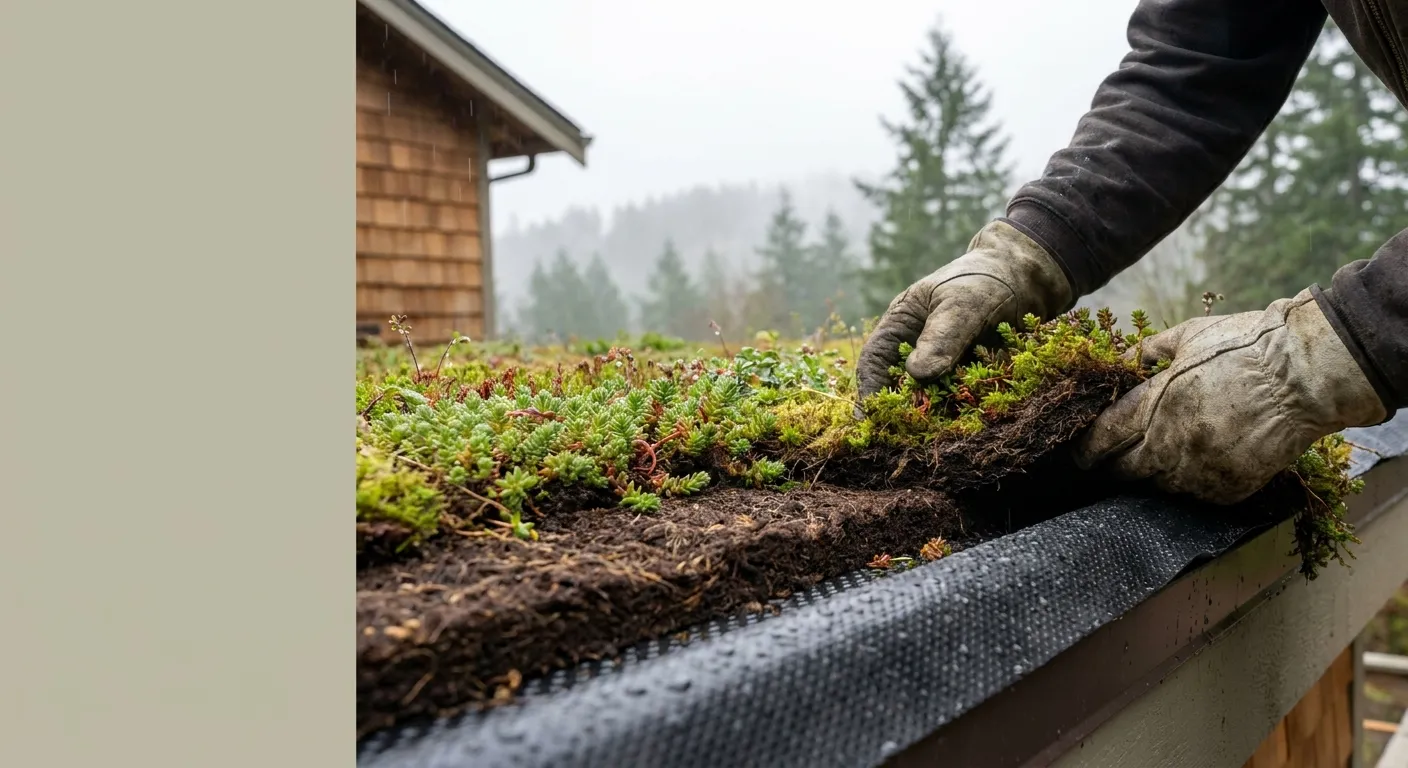
Living roofs, also called green roofs, are becoming a popular choice among eco-conscious homeowners, but they bring more to the table than just good looks and sustainability. Imagine a roof that not only protects your home but also helps manage stormwater, improves energy efficiency, and even supports plant life—all while reducing your environmental impact. Yet, while these benefits are impressive, green roofs also come with unique challenges, especially for homes in the Pacific Northwest, where heavy rainfall and damp conditions are major factors. For homeowners in this region, understanding the **living roof pros and cons** is essential before making a decision. On one hand, green roofs offer thermal insulation to lower energy bills and provide a natural barrier against urban heat. On the other, they require proper structural support to handle the weight of soil and plants, reliable waterproofing to prevent leaks, and consistent maintenance to ensure long-term performance. These factors become even more critical in areas with frequent rain or moss growth, where improper drainage or plant care can quickly turn a green roof into a maintenance headache. So, why does this matter? A roof is your home’s first line of defense against the elements, and any roofing choice must protect not just your home but also your investment. Living roofs aren’t just about being sustainable; they can impact everything from your monthly utility costs to the lifespan of your roof. By learning whether this option aligns with your property’s structural capabilities, maintenance preferences, and sustainability goals, you can make a better-informed decision that benefits both your home and the planet. In this guide, we’ll delve into the practical advantages, such as energy savings and stormwater management, as well as the challenges, like structural requirements and ongoing upkeep. If you’re considering this innovative roofing option, here’s everything you need to know to determine if a living roof is the right choice for your home.
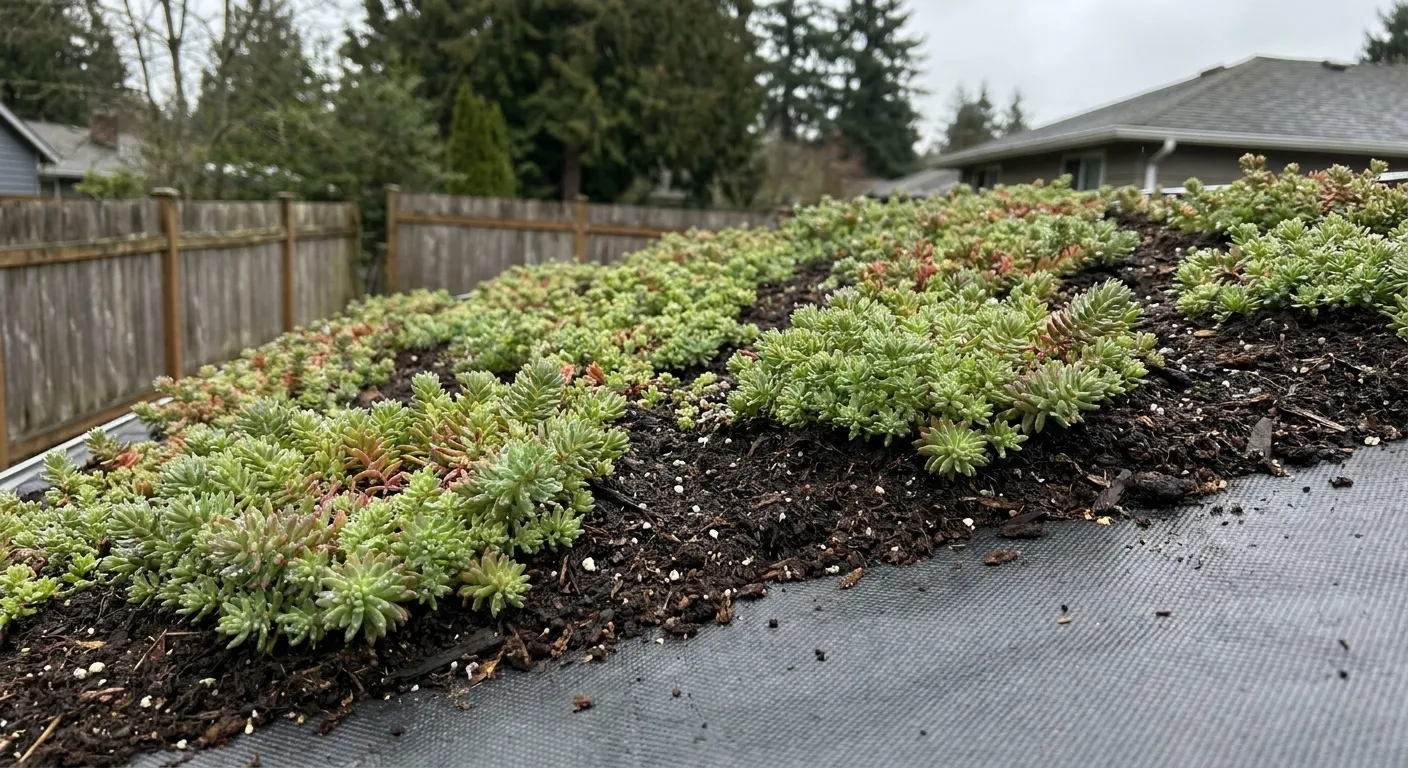
Pros and Cons of Green Roof Systems: A Complete Guide
Green roof systems are more than just a trend—they’re a transformative way to combine environmental responsibility with functional roofing. Imagine your roof not only protecting your home but also reducing stormwater runoff, improving air quality, and helping lower your energy bills. That’s the promise of a green roof system. But like with any roofing choice, there are important factors to consider before going green. For homeowners and property managers, especially in the Pacific Northwest, green roofs offer unique advantages tailored to the region's challenges. With its heavy rainfall and extended wet seasons, stormwater management is a critical concern. A properly designed green roof absorbs rainwater, minimizing roof runoff and reducing stress on city drainage systems. Beyond that, the vegetation layer acts as natural insulation, helping regulate indoor temperatures during both hot summers and chilly winters—potentially lowering your energy costs. These benefits sound great, but is a green roof right for your budget, home structure, and maintenance capacity? Choosing a green roof means understanding more than just the benefits. Installation requires structural preparation, as the extra weight of soil, plants, and retained water can strain traditional roof supports. Routine maintenance also plays a key role. From pruning plants to inspecting drains and waterproofing membranes, green roofs require attention to remain functional and leak-free. Plant selection is another consideration—wet weather in the Pacific Northwest demands drought-tolerant, low-maintenance vegetation capable of thriving through seasonal changes without adding unnecessary upkeep. Before deciding on a green roof, it’s essential to weigh the pros and cons carefully. Is your roof ready to handle the weight? Are you prepared for the upfront investment and long-term care? This guide will break down the benefits, challenges, and key considerations specific to green roof systems, providing an informative look at whether this eco-friendly option is the right fit for your home or property. By the end of this article, you'll have a complete understanding of green roof systems. From stormwater management and energy efficiency to maintenance needs and regional adaptability, you'll gain valuable insights to make an informed decision—and take the first step toward a sustainable roofing solution.
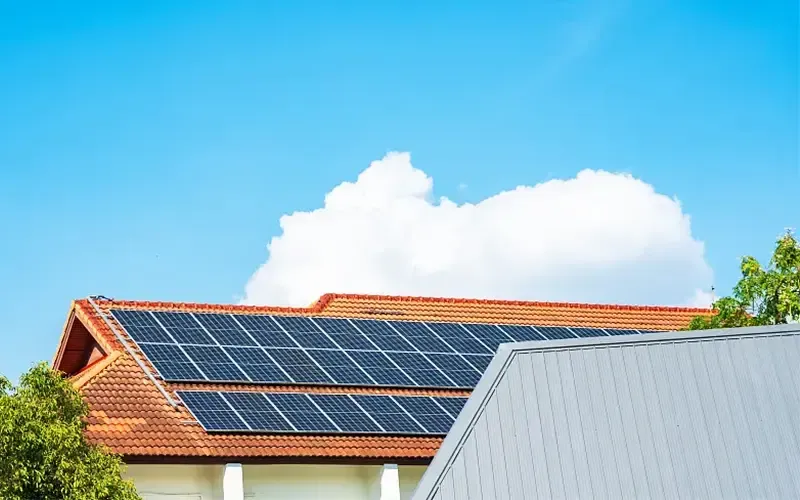
Solar Roof Pros and Cons: A Guide for Homeowners
Solar roofs are transforming the way homeowners think about roofing and energy savings, but are they the right choice for your home? This cutting-edge option combines roof protection with renewable energy production, offering benefits like lower electricity bills and potential tax incentives. At the same time, solar roofing comes with important considerations, including upfront costs, roof compatibility, and ongoing maintenance. For homeowners, especially in the Pacific Northwest with its unique weather challenges, balancing the pros and cons of solar roofs is essential. Understanding how solar systems work with your roof can help you avoid costly mistakes. For example, pairing solar panel installation with a roof replacement can save you thousands by eliminating the need to remove and reinstall panels later. Similarly, installing solar shingles allows you to integrate energy efficiency with a sleek, modern roof design. However, older or damaged roofs require special attention, as structural issues must be resolved before adding the extra weight of a solar system. Beyond the practicalities, solar roofs offer long-term advantages. They reduce energy bills by harnessing renewable energy, and in many cases, they can increase your home’s property value. Pacific Northwest homeowners may find solar particularly attractive during peak energy seasons and can rely on modern systems designed to handle heavy rain, wind, and cloudy weather. In this article, we’ll guide you through the key aspects of solar roof pros and cons. You’ll learn about installation timing, cost analysis, durability, and how to determine if your roof is a good candidate for solar. By the end, you’ll have the confidence to decide whether a solar roof aligns with your energy goals, budget, and home’s unique needs.
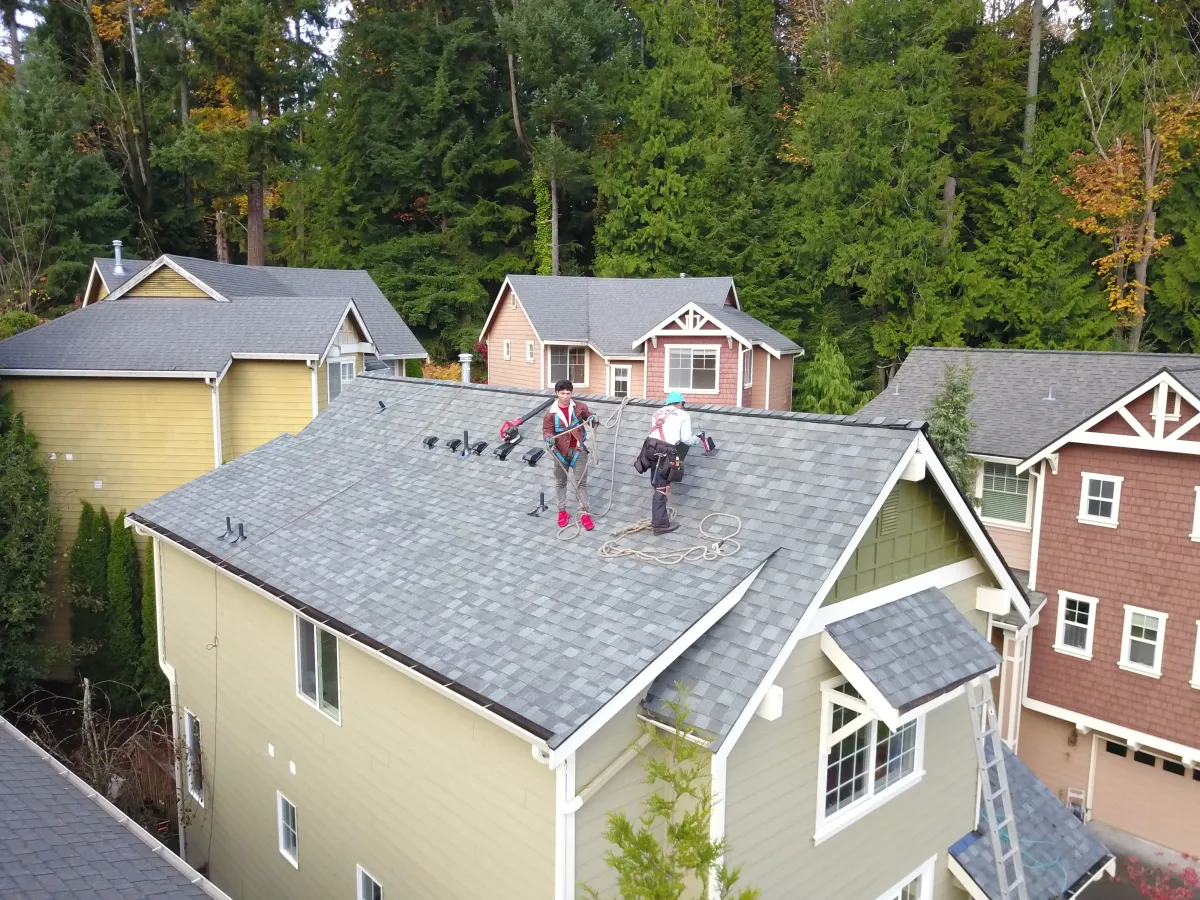
Pros and Cons of Roof Shingles: A Homeowner’s Guide
Roof shingles are one of the most popular roofing materials across the country—and for good reason. They strike a great balance between...
We believe in preparing for the future without sacrificing today.

Mon-Fri Open: 7am–6pm
Sat (Closed)
Sun (Closed)
Address: 28421 85th Ave S, Kent, WA 98032