Pros and Cons of Green Roof Systems: A Complete Guide
Green roof systems are more than just a trend—they’re a transformative way to combine environmental responsibility with functional roofing. Imagine your roof not only protecting your home but also reducing stormwater runoff, improving air quality, and helping lower your energy bills. That’s the promise of a green roof system. But like with any roofing choice, there are important factors to consider before going green.
For homeowners and property managers, especially in the Pacific Northwest, green roofs offer unique advantages tailored to the region’s challenges. With its heavy rainfall and extended wet seasons, stormwater management is a critical concern. A properly designed green roof absorbs rainwater, minimizing roof runoff and reducing stress on city drainage systems. Beyond that, the vegetation layer acts as natural insulation, helping regulate indoor temperatures during both hot summers and chilly winters—potentially lowering your energy costs. These benefits sound great, but is a green roof right for your budget, home structure, and maintenance capacity?
Choosing a green roof means understanding more than just the benefits. Installation requires structural preparation, as the extra weight of soil, plants, and retained water can strain traditional roof supports. Routine maintenance also plays a key role. From pruning plants to inspecting drains and waterproofing membranes, green roofs require attention to remain functional and leak-free. Plant selection is another consideration—wet weather in the Pacific Northwest demands drought-tolerant, low-maintenance vegetation capable of thriving through seasonal changes without adding unnecessary upkeep.
Before deciding on a green roof, it’s essential to weigh the pros and cons carefully. Is your roof ready to handle the weight? Are you prepared for the upfront investment and long-term care? This guide will break down the benefits, challenges, and key considerations specific to green roof systems, providing an informative look at whether this eco-friendly option is the right fit for your home or property.
By the end of this article, you’ll have a complete understanding of green roof systems. From stormwater management and energy efficiency to maintenance needs and regional adaptability, you’ll gain valuable insights to make an informed decision—and take the first step toward a sustainable roofing solution.
What Are Green Roof Systems?
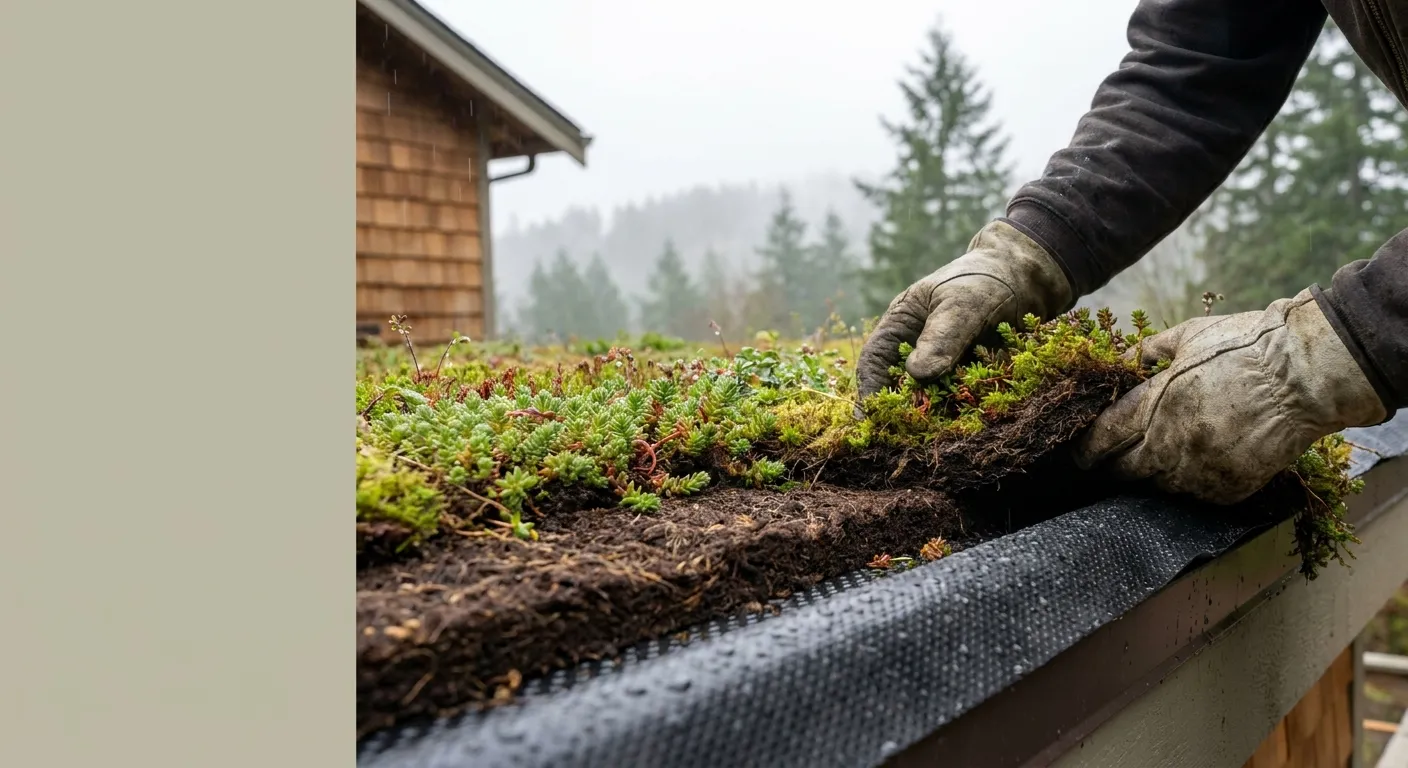
Green roof systems, also referred to as living roofs, are a unique design approach where vegetation is planted on top of a building’s roof. These systems differ significantly from traditional roofs in their ability to blend functional architecture with environmental sustainability. Green roofs typically consist of multiple layers that work together to support plant growth, manage water, and protect the structure below.
There are two primary types of green roof systems: extensive and intensive. Extensive green roofs are designed to be low-maintenance and lightweight, typically supporting smaller plants, such as grasses and succulents. Intensive green roofs, on the other hand, are more like traditional gardens and can include shrubs, trees, and even pathways. However, they require more care and robust structural support due to their weight.
Key components of a green roof system include:
- Vegetation layer: This is where the designated plants, such as sedum, herbs, or shrubs, are rooted to provide the roof’s living aspect.
- Growing medium: A lightweight soil or substrate that holds water and nutrients for plants to thrive.
- Filter and drainage layers: These layers prevent soil and debris from clogging the system and ensure proper water drainage.
- Waterproof membrane: Essential to protect the structure from leaks by forming a robust barrier between the vegetation and your roof.
- Structural base: This includes the roof deck, which must be designed or reinforced to handle the additional weight of a green roof.
Because green roof systems involve several layers and require precise installation, planning is vital. For example, integrating this system into an existing structure may require working with roofing professionals like Roof Pros NW, who specialize in advanced roof installations. Their expertise can help ensure a seamless and safe setup that protects your home or property while delivering the benefits of a green roof.
The Benefits of Green Roof Systems
Environmental Benefits: Stormwater, Air Quality, and Biodiversity
One of the most significant advantages of a green roof system is its contribution to the environment. Particularly in the Pacific Northwest, where heavy rainfall is common, green roofs play a key role in stormwater management. The vegetation and soil layers absorb rainfall, reducing runoff that can overwhelm urban drainage systems and contribute to erosion.
Additionally, green roofs improve air quality by capturing airborne particles and pollutants while releasing oxygen. They also encourage biodiversity by providing habitats for pollinators, birds, and insects that may struggle to find green spaces in urban areas.
For cities like Seattle, which faces unique challenges related to rain management and urban congestion, green roofs help mitigate water-related issues and provide much-needed natural retreats. Learn more about navigating these region-specific concerns in this guide to Seattle’s roofing challenges.
Energy Efficiency and Thermal Performance
Another key advantage of green roofs is their ability to deliver energy efficiency. The insulating properties of the soil and vegetation reduce heating demands in winter and cooling requirements in summer. This can lead to noticeable reductions in energy consumption, especially for larger commercial buildings.
Green roofs regulate indoor temperatures by preventing heat transfer. During the Pacific Northwest’s wet winters, they help conserve heat, while in the summer months, they keep properties cooler by reflecting sunlight and trapping less heat. These energy savings not only reduce utility costs over time but also lower a building’s carbon footprint, further boosting sustainability.
Urban Heat Island Reduction
Green roofs are highly effective in combating the urban heat island effect, a phenomenon where cities absorb and retain more heat than surrounding rural areas due to hard surfaces like concrete and asphalt. By introducing vegetation at an elevated level, green roofs reflect sunlight, reduce overall heat absorption, and cool surrounding areas.
For commercial property owners, this feature can contribute to a more comfortable environment for tenants while supporting eco-friendly urban development.
Key Challenges of Green Roof Systems
Structural Load and Installation Considerations
One of the most critical aspects of green roof installation is accounting for the additional structural load. Soil, water, and vegetation can significantly increase the weight a roof must bear. For instance, intensive green roofs can weigh upwards of 100 pounds per square foot when saturated with water, requiring substantial structural reinforcement.
Before installing a green roof system, it’s essential to get a professional assessment to determine whether your existing structure can support the added weight. Roofers, structural engineers, and landscaping experts often collaborate on such projects to ensure safety and compliance with building codes. Roof Pros NW, experienced in residential roofing in Redmond, WA, is a trusted partner for these assessments and installations.
Higher Installation and Maintenance Costs
While green roofs can deliver long-term savings, they are typically more expensive to install than traditional roofing systems. Professional installation requires integrating multiple components, including waterproof membranes, drainage layers, and plant systems tailored to the local climate.
Additionally, ongoing maintenance costs may surprise some property owners. Green roofs require regular inspections of their irrigation systems, drainage functionality, and vegetation health. Collaborating with roofing, landscaping, and engineering professionals ensures that all components are functioning correctly.
Maintenance Demands: Roofing and Horticultural Knowledge
Green roof systems demand a mix of roofing expertise and horticultural care. For example, plant selections must suit the Pacific Northwest’s wet climate while also being drought-resistant during occasional dry spells. Seasonal plant care, such as removing dead growth and replacing unhealthy vegetation, is ongoing.
Proper irrigation and drainage are critical to avoid water pooling, which can lead to structural damage or leaks. Regular cleaning and inspection of the system are necessary to prevent moss and algae buildup. Roof Pros NW offers professional roof cleaning in Renton, a compatible service for maintaining green roof components.
Best Practices for Green Roof Success
Plant Selection for Different Climates
Selecting the right plants is critical for ensuring a thriving green roof. In the Pacific Northwest, plants must tolerate high moisture levels from regular rain and occasional periods of dry weather. Hardy, low-maintenance options, like sedum, thyme, or native grasses, are ideal for extensive green roofs. For intensive systems, consider shrubs or small perennial plants that flourish in the local climate.
Working with landscaping professionals or horticulture consultants can help create a resilient, climate-specific plant palette.
Drainage Systems and Waterproofing Membranes
Drainage and waterproofing can make or break the success of a green roof system. Without adequate drainage, water can pool at the roof’s surface, increasing the risk of structural and insulation damage. High-quality waterproof membranes are also essential to prevent leaks, especially during heavy rainfall.
To avoid these issues, it’s important to work with skilled installers who specialize in green roof systems. They will ensure proper drainage slopes and durable waterproofing designs to extend the roof’s longevity.
Collaborating with Roofing and Landscaping Experts
The complexity of green roofs often requires collaboration with roofing experts, landscaping professionals, and engineers. Companies like Roof Pros NW can guide you through the planning, permitting, and installation stages, ensuring structural safety and optimal performance. For advice on selecting a reliable roofing contractor, read this guide on how to choose the best roofing company in Bellevue, WA.
Green Roof Feasibility: Is It Right for Your Home or Property?
Before committing to a green roof system, carefully evaluate whether it’s feasible for your property. For residential homes, assess the structural integrity of your roof and consult with professionals to ensure it can handle the weight of soil, plants, and water. Structural modifications may be necessary, which can add to the installation costs.
Next, consider your budget and maintenance capacity. Green roofs involve significant upfront costs and ongoing care, requiring inspections, plant management, and roof maintenance. However, the long-term benefits—such as energy savings, increased property value, and environmental contributions—can outweigh the initial investment, particularly for commercial properties or eco-conscious homeowners.
Ultimately, partnering with roofing experts like Roof Pros NW is critical for determining feasibility and achieving successful results. Their experience ensures your green roof system is both functional and durable, offering a unique way to enhance your property while making a positive environmental impact.
Schedule Your Roof Leak Inspection Today
If you’ve been dealing with persistent roof leaks, now is the time to act. Leaks can lead to more costly damage if ignored, but a fast and professional inspection can save you both time and money. At Roof Pros NW, we specialize in identifying and repairing leaks efficiently, providing peace of mind for homeowners.
Here’s why scheduling a roof leak inspection with us is the right choice:
- Accurate leak detection to ensure no hidden damage is overlooked
- Timely repairs to prevent further deterioration of your roof
- Experienced professionals who understand the unique needs of Northwest homes
- Protect your home and belongings by addressing water intrusion quickly
- Transparent recommendations with no unnecessary upselling
Stop worrying about the damage and start protecting your home today. Book your roof leak inspection now to catch small issues before they become big problems. Click here to schedule your inspection!
Conclusion
Green roof systems offer a powerful way to combine environmental sustainability with practical roofing benefits. By incorporating vegetation and advanced drainage systems, these roofs not only help manage stormwater, reduce urban heat, and improve air quality, but they also enhance energy efficiency and extend the lifespan of your property’s roofing structure. For Pacific Northwest property owners, particularly in areas with heavy rain like Seattle, green roofs can significantly contribute to managing water runoff and supporting local biodiversity.
However, installing and maintaining a green roof requires thoughtful planning and expertise. From evaluating your roof’s structural load capacity to ensuring proper waterproofing and drainage, these systems involve multiple layers that need to work seamlessly. This complexity highlights the importance of partnering with experienced professionals to assess feasibility and create a design suited to your roof’s needs. Whether you aim to boost energy efficiency, improve your property’s eco-friendly appeal, or enhance urban spaces, the benefits of a well-planned green roof are hard to deny.
If you’re considering whether a green roof is right for your home or property, the next step is to consult experts who can guide you through the process. A professional roofer like Roof Pros NW will help you evaluate your roofing structure, design a custom solution, and ensure a safe and durable installation. Their expertise in both innovative roofing systems and Pacific Northwest challenges makes them an ideal partner for complex projects like green roofs.
Take the first step by scheduling a roof inspection or consultation to determine if your property is ready for this unique roofing system. With the right planning and support, a green roof can become a valuable investment in your property’s longevity, sustainability, and appeal.
How much does it cost to install a green roof compared to a standard roof?
The cost of installing a green roof varies based on factors like roof size, materials chosen, and the complexity of the design. Unlike standard roofs, green roofs require additional components such as waterproofing and drainage systems, which can affect the price. For an accurate estimate, contact Roof Pros NW for an inspection.
What should I ask a roofer before hiring them to install a green roof?
It’s important to ask about their experience with green roofs, the types of projects they’ve completed, and their approach to planning and installation. Also, inquire about warranties for both the roofing materials and the plants. Be sure they are licensed and insured, and ask for references from past clients. Consider contacting Roof Pros NW to discuss your project needs.
Do I need a structural engineer to assess my roof before adding green roof layers?
Yes, a structural engineer should assess your roof to ensure it can support the weight of a green roof. This evaluation helps determine if any reinforcements are necessary to safely add the layers. Consulting with experts like Roof Pros NW can guide you through this process.
What are annual maintenance costs for an extensive vs. intensive green roof?
Extensive green roofs generally require less maintenance than intensive ones. Their costs involve routine inspections and minor plant care. Intensive roofs, on the other hand, need more regular maintenance due to larger plants and more complex ecosystems. To get a detailed understanding, consider reaching out to roofing specialists like Roof Pros NW.
Should I repair or completely replace my roof before installing a green roof system?
If your roof is old or has damage, it may be best to replace it before installing a green roof. A strong foundation ensures the new system’s longevity and performance. A professional inspection from experts like Roof Pros NW can help determine the best course of action for your specific situation.
