Pros and Cons of Living Roofs: A Practical Guide for Homeowners
Living roofs, also called green roofs, are becoming a popular choice among eco-conscious homeowners, but they bring more to the table than just good looks and sustainability. Imagine a roof that not only protects your home but also helps manage stormwater, improves energy efficiency, and even supports plant life—all while reducing your environmental impact. Yet, while these benefits are impressive, green roofs also come with unique challenges, especially for homes in the Pacific Northwest, where heavy rainfall and damp conditions are major factors.
For homeowners in this region, understanding the living roof pros and cons is essential before making a decision. On one hand, green roofs offer thermal insulation to lower energy bills and provide a natural barrier against urban heat. On the other, they require proper structural support to handle the weight of soil and plants, reliable waterproofing to prevent leaks, and consistent maintenance to ensure long-term performance. These factors become even more critical in areas with frequent rain or moss growth, where improper drainage or plant care can quickly turn a green roof into a maintenance headache.
So, why does this matter? A roof is your home’s first line of defense against the elements, and any roofing choice must protect not just your home but also your investment. Living roofs aren’t just about being sustainable; they can impact everything from your monthly utility costs to the lifespan of your roof. By learning whether this option aligns with your property’s structural capabilities, maintenance preferences, and sustainability goals, you can make a better-informed decision that benefits both your home and the planet.
In this guide, we’ll delve into the practical advantages, such as energy savings and stormwater management, as well as the challenges, like structural requirements and ongoing upkeep. If you’re considering this innovative roofing option, here’s everything you need to know to determine if a living roof is the right choice for your home.
Introduction to Living Roofs
Living roofs, also known as green roofs, are gaining popularity as a sustainable and innovative roofing option. They incorporate vegetation and soil layers installed over a waterproof membrane, transforming rooftops into functional green spaces. These eco-friendly systems deliver several benefits, such as improved energy efficiency, enhanced stormwater management, and reduced urban heat. However, they also come with challenges like higher upfront costs, increased maintenance demands, and specific structural needs.
For homeowners in the Pacific Northwest, living roofs offer unique advantages tailored to the region’s frequent rainfall and cool climate. The persistent moisture presents an excellent opportunity for lush vegetation but also requires careful attention to waterproofing and plant selection to prevent moss and other growth challenges. To discover whether a living roof is the right fit for your property, consult with Roof Pros NW for expert advice.
Understanding Living Roof Types
Green roof systems come in two primary categories: extensive and intensive. Each has its own considerations based on weight, maintenance needs, and functionality.
Extensive Living Roofs: A Lightweight Option
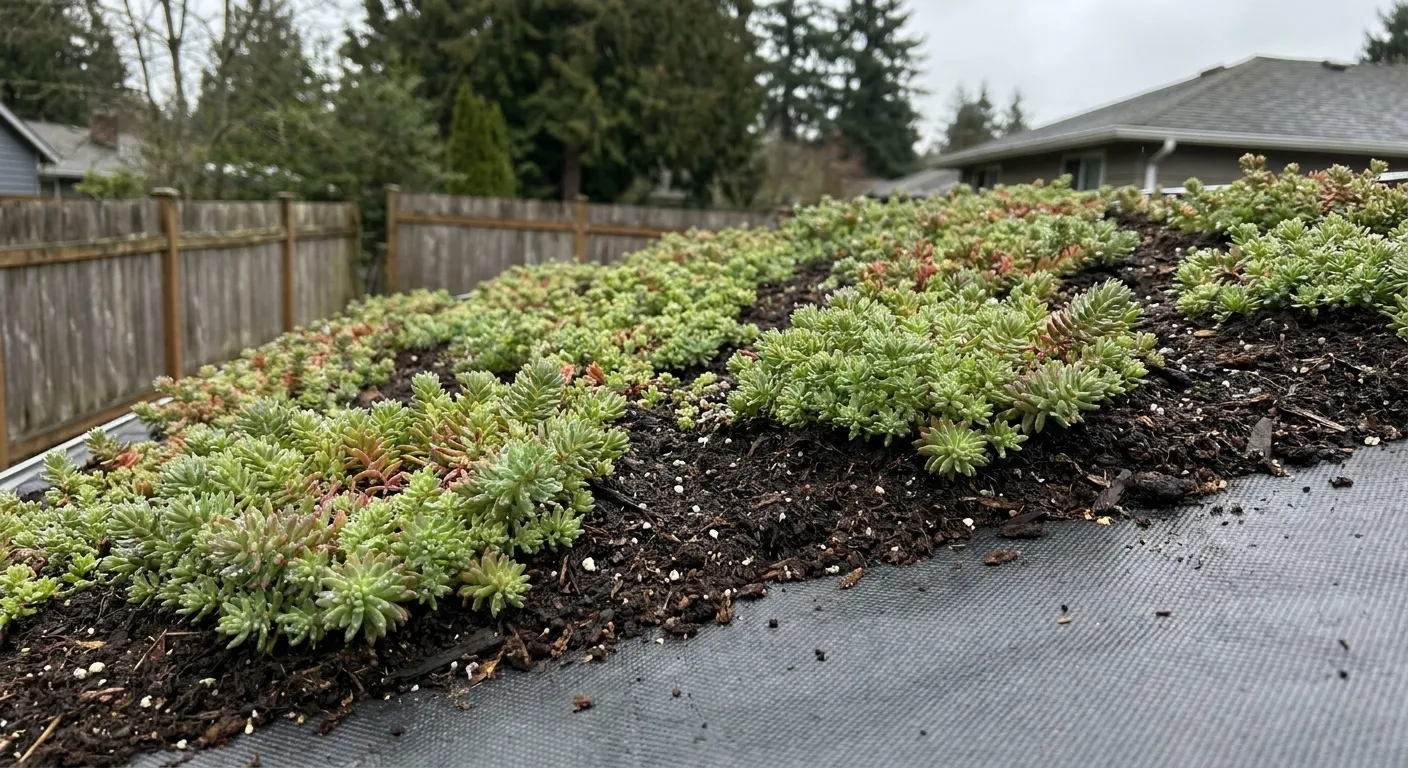
Extensive living roofs are ideal for homeowners seeking a low-maintenance and adaptable green roof design. These systems use a shallow soil depth, typically two to six inches, which supports lightweight vegetation like grasses, mosses, and succulents. Lower soil depth means reduced structural load requirements, making extensive roofs better suited to residential properties.
The primary benefits of this design include:
- Simple installation and compatibility with existing roofs.
- Minimal upkeep, requiring only occasional weeding and reseeding.
- Natural insulation and stormwater absorption, reducing environmental impact.
Their lightweight and cost-efficient approach makes extensive living roofs an appealing option for smaller structures or buildings with limited structural reinforcement.
Intensive Living Roofs: A Garden on Your Roof
For those interested in transforming their roof into a true outdoor space, intensive living roofs offer unmatched versatility. These systems feature deeper soil layers, often exceeding twelve inches, capable of supporting shrubs, trees, and even full gardens.
While intensive roofs provide vibrant green spaces and greater biodiversity, they also demand a robust structure engineered to handle the weight of soil, plants, and accumulated water. Homeowners should consider the following:
- Increased maintenance needs, including irrigation and regular plant care.
- Higher installation costs due to added complexities, like drainage systems and structural reinforcements.
- The ability to create functional urban gardens or inviting green spaces.
For property owners ready to support more elaborate living roofs, professional installation from trusted providers like Roof Pros NW ensures safe and reliable results.
Structural and Waterproofing Considerations
Structural Requirements for Living Roofs
A major consideration when planning a living roof is the structural capacity of the building. Soil, vegetation, and retained rainwater significantly increase the load placed on a roof. Homeowners should begin by consulting experts to assess whether retrofitting or strengthening is necessary for their structure.
Key factors include:
- Evaluating the total weight (dead load) of the soil, plants, and any water retained during rain.
- Retrofitting older buildings with improved support systems if needed.
- Partnering with a roofing professional to ensure compliance with local building codes.
Whether adapting an existing roof or starting with a new build, proper evaluation ensures that your property is prepared for the added weight of a green roof system.
The Role of Waterproofing in Green Roof Systems
Waterproofing is essential to protect the roof structure and prevent leaks. Beneath the greenery, a durable waterproof membrane is installed to block water infiltration. Regular inspections are necessary to ensure the membrane remains intact, especially in rainy climates like the Pacific Northwest.
Homeowners should be aware of common challenges, including:
- Potential membrane damage from plant roots or sediment buildup.
- Increased vulnerability during heavy rainfall without proper drainage systems.
- The need for periodic waterproofing maintenance to prevent costly repairs.
A professional evaluation, such as roof repair services in Renton, helps identify any potential issues with green roof waterproofing and ensures long-lasting protection.
Environmental and Energy Efficiency Benefits
Living roofs aren’t just visually striking; they thrive on delivering environmental advantages for both urban and residential spaces.
Stormwater Management and Reduced Urban Heat
One of the most impactful environmental benefits of living roofs is their ability to absorb and manage rainwater. This reduces runoff into local sewer systems, which can help prevent flooding and decrease water pollution. In urban areas, green roofs also mitigate heat island effects by lowering rooftop temperatures.
The benefits include:
- Natural absorption of stormwater, reducing strain on drainage systems.
- Lower surrounding air temperatures, particularly beneficial in dense cityscapes.
- Improved rainwater runoff quality by filtering pollutants.
Improved Air Quality and Support for Biodiversity
Living roofs act as natural air filters, trapping dust and reducing airborne pollutants. Additionally, they support biodiversity by creating habitats for birds, insects, and other wildlife. This makes them a valuable solution in urban environments where natural green space is limited.
Energy Efficiency for Year-Round Comfort
One of the standout advantages of living roofs is their ability to improve a building’s thermal insulation. This reduces the energy required to heat and cool your home, cutting down on utility bills while contributing to overall sustainability.
Green roofs enhance insulation by:
- Providing a barrier against heat during summer months.
- Retaining warmth during the winter, reducing dependence on HVAC systems.
- Lowering indoor temperature fluctuations for consistent comfort.
For homeowners investing in residential roofing in Redmond, a living roof offers a long-term solution to boost energy efficiency and sustainability.
Maintenance and Long-Term Commitments
Routine Maintenance Tasks for a Healthy Living Roof
Despite their many benefits, living roofs require routine care to maintain their functionality and aesthetics. Homeowners should plan for:
- Regular weeding to prevent unwanted plant growth.
- Replacing vegetation that fails to thrive.
- Cleaning and maintaining drainage systems to avoid water pooling.
These tasks ensure that the green roof remains healthy and delivers consistent benefits year-round.
Challenges of Maintaining Living Roofs in the Pacific Northwest
The Pacific Northwest’s rainy climate poses unique challenges for living roofs. While the moisture supports plant growth, it also creates ideal conditions for moss and algae. Overwatering is another concern due to consistent rainfall.
To address these challenges:
- Select drought-tolerant native plants that thrive in damp conditions.
- Add moss-resistant features to your roofing system.
- Regularly inspect the roof for pooling water and drainage issues.
Following tips outlined in seasonal roof maintenance recommendations can help homeowners stay ahead of these climate-specific hurdles.
Cost Considerations and Installation Process
Upfront Costs Versus Long-Term Savings
Although living roofs have higher upfront costs than traditional roofing, they often provide long-term savings through energy efficiency, reduced stormwater fees, and extended roof lifespan. Factors affecting cost include:
- Soil depth and vegetation type.
- Necessary structural reinforcements.
- Installation complexity and overall roof size.
Homeowners should weigh these investments against potential savings on utilities and roofing repairs over time.
The Importance of Professional Installation
Proper installation is critical for any living roof project. From structural evaluations to waterproofing, experienced professionals ensure a durable and efficient green roof system. DIY approaches often lead to costly mistakes, underscoring the importance of hiring skilled installers.
Collaborating with trusted roofing professionals, such as those at Roof Pros NW, guarantees reliable installation and peace of mind.
Schedule Your Roof Leak Inspection Today
Don’t let a minor roof leak turn into a costly headache. Whether it’s a small drip or a more noticeable issue, timely inspections and repairs are key to protecting your home and keeping your roof in top shape. At Roof Pros NW, we’re here to help with professional roof leak inspections designed to catch problems early and prevent bigger issues down the road.
With our expert team on your side, you’ll enjoy:
- Peace of mind knowing your roof is in trusted hands
- A detailed inspection report highlighting any problem areas
- Expert advice on the best solutions for your specific roof
- Affordable, prompt repairs that fit your budget
- Increased home value and protection from future leaks
Don’t wait—schedule your roof leak inspection with Roof Pros NW today and ensure your home stays safe and dry. Click here to book your inspection now.
Conclusion
A living roof offers a truly innovative way to enhance your home’s sustainability, curb appeal, and energy efficiency. By turning your rooftop into a functional green space, you can enjoy benefits like improved stormwater management, better insulation, and a lasting environmental impact. Whether you opt for an extensive living roof with minimal maintenance or an intensive green roof that transforms your space into a lush garden, both options bring unique value to your property.
That said, planning and maintaining a living roof are not without challenges. Ensuring your structure can handle the additional weight, installing proper waterproofing, and committing to long-term care are all critical steps in creating a successful system. For homeowners in the Pacific Northwest, specific considerations like frequent rainfall, moss growth, and plant selection need to be addressed to ensure durability in the region’s wet climate.
If the potential upfront costs or installation complexity feel overwhelming, remember that living roofs can deliver significant long-term benefits. From lower energy bills to an extended roof lifespan, the savings over time often make this eco-friendly choice a smart investment. And with proper guidance from experts, you can avoid common pitfalls and enjoy peace of mind knowing your system is built to last.
To make the most of your living roof journey, start by consulting with professionals who specialize in structural evaluations, waterproofing, and green roof installation. Roof Pros NW is here to help you determine the most suitable option for your home, guide you through the installation process, and provide ongoing maintenance support to keep your living roof thriving.
Take the next step toward a sustainable roofing solution by scheduling a consultation with Roof Pros NW. Their team of experienced professionals can assess your property and ensure your living roof is built to deliver beauty, function, and sustainability for years to come.
How do I know if my roof needs repair or replacement?
Look for signs like missing shingles, leaks, sagging, or water stains. If you’re unsure, a professional inspection can help determine the extent of the damage. Contact Roof Pros NW to schedule one and get expert advice.
How much does a roof inspection cost—and is it worth paying for?
The cost of a roof inspection varies based on size and complexity, but it’s often worth it to identify hidden problems early. Roof Pros NW offers inspections that can save you money on major repairs down the line.
What should I ask before hiring a roofing company to ensure proper licensing, insurance, and permits?
Ask for proof of licensing and insurance, and ensure they take care of necessary permits. Verify their experience and read reviews. Roof Pros NW can answer any questions you have about their qualifications.
What’s the difference in cost between roof repair and replacement—and how do I decide which I need?
Repair is generally less costly and suitable for minor damage, while replacement is needed for extensive issues. Weigh factors like roof age and damage extent. Roof Pros NW can provide an assessment to aid your decision.
Will homeowners insurance cover a roof leak or storm damage repair?
Coverage depends on your policy and the cause of damage. Typically, sudden events like storms are covered. Review your policy and contact your insurer. Roof Pros NW can assist in assessing the damage for a claim.
