Roofing Blog
Pros and Cons of Living Roofs: A Practical Guide for Homeowners
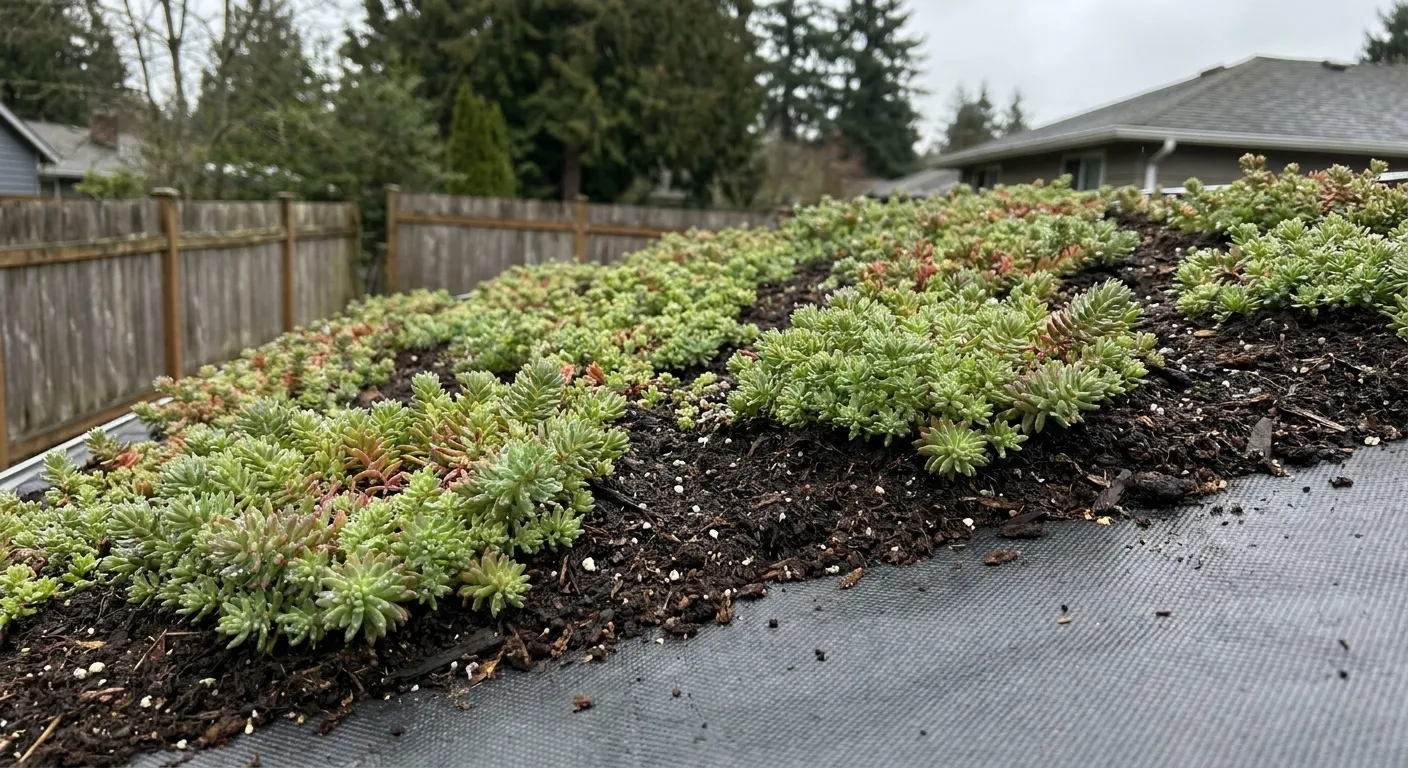
Living roofs, also called green roofs, are becoming a popular choice among eco-conscious homeowners, but they bring more to the table than just good looks and sustainability. Imagine a roof that not only protects your home but also helps manage stormwater, improves energy efficiency, and even supports plant life—all while reducing your environmental impact. Yet, while these benefits are impressive, green roofs also come with unique challenges, especially for homes in the Pacific Northwest, where heavy rainfall and damp conditions are major factors. For homeowners in this region, understanding the **living roof pros and cons** is essential before making a decision. On one hand, green roofs offer thermal insulation to lower energy bills and provide a natural barrier against urban heat. On the other, they require proper structural support to handle the weight of soil and plants, reliable waterproofing to prevent leaks, and consistent maintenance to ensure long-term performance. These factors become even more critical in areas with frequent rain or moss growth, where improper drainage or plant care can quickly turn a green roof into a maintenance headache. So, why does this matter? A roof is your home’s first line of defense against the elements, and any roofing choice must protect not just your home but also your investment. Living roofs aren’t just about being sustainable; they can impact everything from your monthly utility costs to the lifespan of your roof. By learning whether this option aligns with your property’s structural capabilities, maintenance preferences, and sustainability goals, you can make a better-informed decision that benefits both your home and the planet. In this guide, we’ll delve into the practical advantages, such as energy savings and stormwater management, as well as the challenges, like structural requirements and ongoing upkeep. If you’re considering this innovative roofing option, here’s everything you need to know to determine if a living roof is the right choice for your home.
We believe in preparing for the future without sacrificing today.

Mon-Fri Open: 7am–6pm
Sat (Closed)
Sun (Closed)
Address: 28421 85th Ave S, Kent, WA 98032