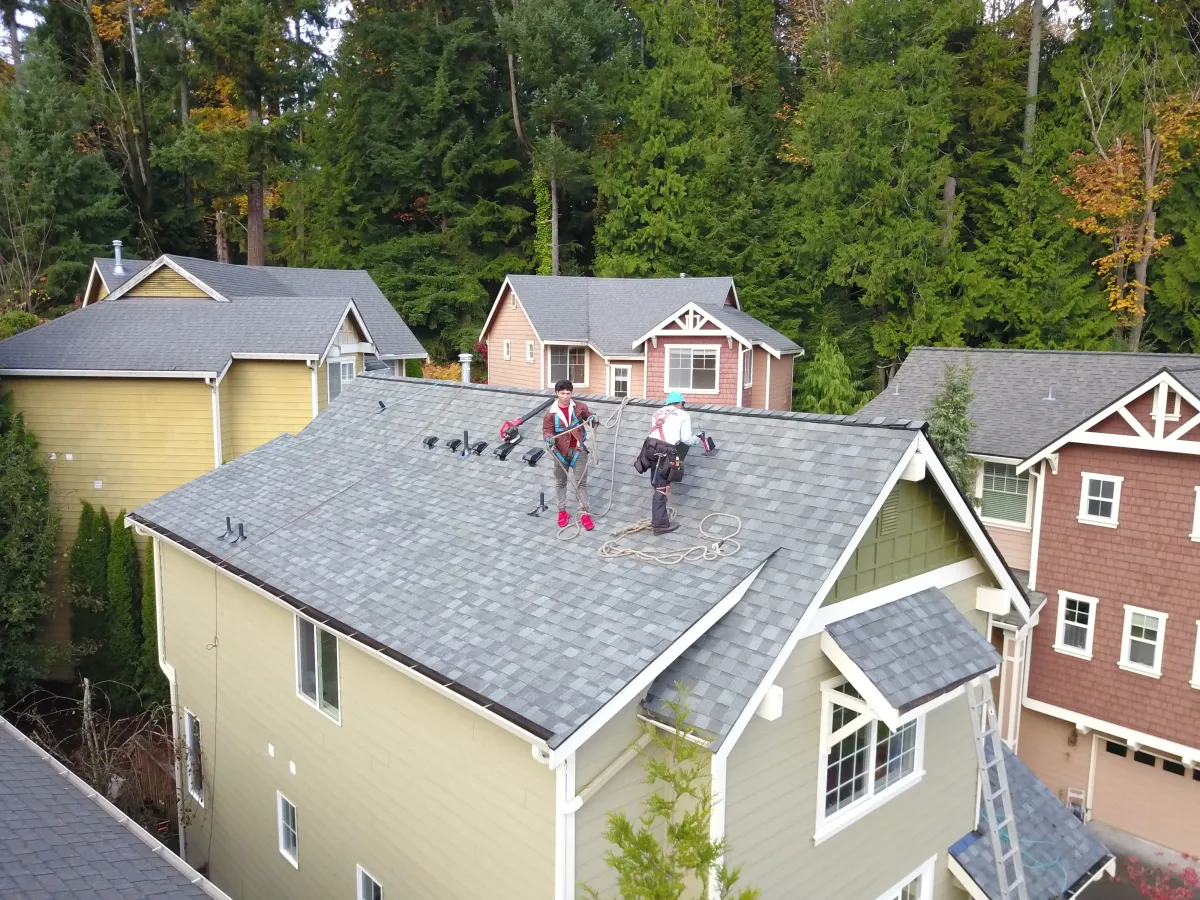
Pros and Cons of Roof Shingles: A Homeowner’s Guide
Roof shingles are one of the most popular roofing materials across the country—and for good reason. They strike a great balance between affordability, durability, and curb appeal. But like any roofing material, shingles come with their own set of strengths and weaknesses. Whether you’re planning a roof replacement or comparing materials for the first time, understanding the pros and cons of roof shingles can help you make a more informed choice.
For homeowners in the Pacific Northwest, climate plays a huge role in roofing decisions. With constant rain, high moisture levels, and regular storms, not all shingles hold up equally well under these conditions. Moss growth and granule loss, for instance, can quickly shorten the lifespan of shingles if not properly maintained. Choosing the right type of shingle and taking steps to care for it can make all the difference in protecting your home from leaks, water damage, and costly repairs.
This guide explores what makes shingles such a versatile option, covering everything from cost-effectiveness to maintenance requirements. You’ll discover the differences between asphalt, architectural, wood, and composite shingles, as well as how each type performs in wet climates like ours. Learn about the potential drawbacks—such as limited lifespan compared to premium materials—and find out what maintenance steps you can take to maximize their durability. By the end, you’ll have a clear picture of whether shingles are the right fit for your home and climate.
Let’s dive into the benefits and challenges of roof shingles, so you can make a roofing decision that works for your needs and budget.
Roof shingles are a popular roofing option for many homeowners, offering a balance of cost, durability, and aesthetic appeal. However, not all shingles perform equally in every climate, and in the Pacific Northwest, factors like moisture retention, moss growth, and storm damage can play a big role in their lifespan. These key takeaways explore the benefits and drawbacks of shingles to help you decide if they’re the right fit for your roof.
- Shingles come in various materials to suit different needs: Options like asphalt, architectural, 3-tab, composite, and wood shingles each offer unique benefits and price points, giving flexibility based on your budget and style preference.
- Moisture and moss can be major problems in the Pacific Northwest: Constant rain and humid conditions can lead to moss growth and moisture retention, which can reduce the lifespan of shingles if not maintained properly.
- Asphalt shingles are the most cost-effective option: They are affordable to install, widely available, and easy to replace, but may not last as long as premium materials like metal or wood.
- Storm damage and wind resistance vary by shingle type: Architectural shingles are more durable than 3-tab shingles and can better withstand heavy rain and wind in storm-prone areas.
- Regular maintenance is essential for shingle longevity: Cleaning debris, removing moss, and addressing granule loss early can significantly extend the life of your roof shingles.
- Shingles offer excellent aesthetic flexibility: They come in various colors and designs to complement the look of any home, adding curb appeal while protecting your property.
- Warranties play a big role in long-term value: Many shingles come with manufacturer warranties, but proper installation and maintenance are critical to ensuring coverage remains valid.
With these insights, you’ll gain a better understanding of how roof shingles perform under different conditions and whether they’re the best material for your home. The rest of the article will dive deeper into each of these factors to help you make an informed decision for your roofing needs.
What Are Roof Shingles?
Roof shingles are a common roofing material used to cover and protect homes from the elements. They are flat, overlapping components that create a weather-resistant barrier when installed properly. Shingles are especially popular in the United States due to their affordability, versatility, and relatively simple installation process. They not only shield the home from rain, wind, and sunlight but also enhance curb appeal through their wide variety of colors, styles, and finishes.
There are several types of roof shingles, and each offers unique benefits for homeowners. These include asphalt shingles, architectural shingles, 3-tab shingles, composite shingles, and wood shingles. Among these, asphalt shingles are by far the most widely used, thanks to their cost-effectiveness and durability. Homeowners also favor shingles for their adaptability to nearly any roof slope or style.
Roof shingles are often chosen for their insulating properties, which help maintain indoor temperatures and improve energy efficiency. To learn more about how these materials are composed and the various types available, check out Understanding Roof Shingles: Composition, Materials, Types, and Benefits. This resource provides comprehensive details that can help you decide which type of shingle might be the best fit for your home.
Types of Roof Shingles and Their Features
Asphalt Shingles: Affordable and Popular
Asphalt shingles are the most common choice for residential roofs, primarily due to their affordability and ease of installation. Made from a base of fiberglass or organic material coated in asphalt and mineral granules, they provide durable and weather-resistant protection for a home’s roof. Asphalt shingles come in a variety of styles and colors, making them a versatile option for many homeowners. Their typical lifespan ranges from 20 to 30 years, depending on the quality of the shingles and regular maintenance.
While asphalt shingles perform well in many climates, the wet conditions of the Pacific Northwest can accelerate issues like granule loss and algae growth. To compare asphalt shingles with other similar materials, refer to Asphalt Shingles vs Composition Shingles: Key Differences Explained.
Architectural Shingles: Enhanced Durability
Architectural shingles, often referred to as dimensional shingles, provide a premium aesthetic and greater durability compared to standard asphalt options. These shingles have a layered design, giving a thicker, high-end look similar to wood or slate roofing. They are also more resistant to wind and storm damage, making them ideal for areas like the Pacific Northwest, where severe weather is common.
Although architectural shingles are more expensive than traditional asphalt ones, their extended lifespan, sometimes exceeding 30 years, makes them a worthwhile investment for many homeowners. For more insights into how architectural shingles compare to composition shingles, check out Are Architectural Shingles the Same as Composition Shingles?.
3-Tab Shingles: Budget-Friendly but Basic
3-tab shingles are the most affordable type of asphalt shingles, offering a clean and uniform appearance. Popular for budget-conscious homeowners, these shingles are lightweight and relatively easy to install. However, their durability and lifespan can be limited compared to architectural or composite options, especially in areas with high moisture or extreme winds.
The wet climate of the Pacific Northwest may cause 3-tab shingles to wear down more quickly due to moss growth, curling, and other water-related damage. If you are considering 3-tab shingles, you might find 3-Tab 25-Year Composition Shingles Prices, Costs, and Comparison helpful.
Composite Shingles: Advanced Performance
Composite shingles are manufactured using a blend of materials, such as fiberglass, asphalt, and recycled plastics, to create a durable and eco-friendly option. They mimic the look of premium materials like wood or slate but are designed to be more lightweight, cost-effective, and moisture-resistant. Composite shingles are particularly well-suited for the Pacific Northwest, as they resist algae and moss buildup better than traditional asphalt shingles.
Besides their environmental benefits, composite shingles boast an impressive lifespan, often lasting 40 to 50 years with proper care. For more details on the performance and benefits of composite shingles, visit Laminated Composition Shingles Costs, Benefits, and Performance.
Wood Shingles: Natural and Stylish
Wood shingles and shakes lend a rustic, natural charm to a home that is hard to replicate. Made from cedar, redwood, or other hardwoods, they provide excellent insulation and energy efficiency. However, wood shingles require more maintenance than other types due to their vulnerability to moisture, rot, and insect damage.
In the Pacific Northwest, constant rainfall and high humidity make maintaining wood shingles particularly challenging. Regular inspections and treatments are essential to prevent moss growth and preserve their lifespan. While their aesthetic appeal is undeniable, homeowners in wet climates should weigh the potential maintenance against the visual benefits before choosing wood shingles.
Roof Shingles: Key Benefits
Cost-Effective Roofing Option
One of the biggest reasons homeowners choose shingles is their affordability. Asphalt shingles, in particular, offer significant cost savings compared to other materials like metal or tile. The installation process for shingles is straightforward, reducing labor costs, and any repairs during their lifecycle are usually inexpensive. For homeowners looking for budget-friendly yet reliable roofing, shingles are a top choice.
Broad Aesthetic Appeal
Roof shingles come in a variety of colors, textures, and patterns, allowing homeowners to match their roof with their home’s exterior. From neutral tones to bold colors, shingles can complement nearly any architectural style. Their versatility makes them ideal for boosting curb appeal and improving overall property value.
Straightforward Installation and Maintenance
The ease of installation makes shingles a practical option for many homeowners. Repairs are typically quick and localized, meaning damaged shingles can be replaced without extensive work. Regular maintenance, such as moss removal, helps shingles last longer, even in damp climates like the Pacific Northwest.
Challenges and Disadvantages of Roof Shingles
Susceptibility to Weather Damage
Roof shingles, especially standard asphalt ones, can be prone to issues caused by severe weather. Heavy storms, high winds, and prolonged sunlight may lead to granule loss, curling, or cracking over time. These problems are heightened in the Pacific Northwest, where persistent moisture can weaken shingles and promote moss growth.
Maintenance Requirements
To ensure shingles last their full lifespan, homeowners must commit to regular maintenance. Common tasks include cleaning gutters, removing moss, and inspecting for damage like lifted or missing shingles. Working with professionals, such as Roof Pros NW, can simplify these upkeep tasks.
Limited Lifespan Compared to Premium Materials
While shingles are affordable, their lifespan tends to be shorter than high-end materials like metal or tile. Most shingles last 20 to 30 years, but their lifespan can decrease in regions with harsh weather. For detailed considerations about longevity and costs, see Asphalt Composition Shingles Cost: Key Factors to Know.
How Roof Shingles Hold Up in the Pacific Northwest
Managing Moss and Moisture
The Pacific Northwest’s damp climate makes roof shingles susceptible to moss and algae growth, which can degrade shingle materials over time. To address this, homeowners should prioritize regular cleaning and consider installing zinc strips to prevent moss growth.
Handling Storm and Wind Damage
Pacific Northwest storms expose roofs to high winds and heavy rains. Architectural shingles tend to fare better in such conditions, with their thicker, layered structure providing increased durability. Quick action to address storm damage, including roof inspections, can prevent small issues from turning into costly repairs.
Choosing the Right Shingles for Your Home
Budget and Long-Term Value
Selecting shingles involves balancing upfront costs against their longevity and performance. Architectural and composite shingles may have higher initial costs but offer better durability and longer warranties, making them a cost-effective choice.
Factors to Discuss With Your Roofer
Consulting with experts like Roof Pros NW can help you identify the best shingles for your home based on your budget, design preferences, and local weather conditions. You can book a roofing inspection to get personalized advice.
Don’t Wait to Address Roof Damage
If your roof has been showing signs of wear or damage, there’s no better time to act than now. Ignoring roof issues can lead to more extensive and costly problems down the road. Roof Pros NW offers professional roof repair estimates to help you get ahead of potential headaches and ensure your home stays protected.
Here’s why scheduling a roof repair estimate with us is a smart move:
- Thorough inspection of your roof’s condition to identify all areas needing attention
- Expert recommendations tailored to your roof type and specific damage
- Address problems early to prevent costly replacements in the future
- Enjoy peace of mind knowing your roof is in capable hands
- Free up your time—let our trusted team handle the work
Don’t wait too long to safeguard your home and family. Schedule your roof repair estimate today by clicking here to book an appointment!
Conclusion
Roof shingles are a versatile and cost-effective roofing material, offering homeowners a balance of protection, style, and affordability. With options like asphalt, architectural, composite, 3-tab, and wood shingles, there’s a solution to match nearly any budget, design preference, or climate. Each type has its unique advantages, from the affordability of 3-tab shingles to the durability and premium appearance of architectural and composite shingles. For homeowners in the Pacific Northwest, understanding how shingles handle moss, moisture, and storm damage is key to making the right choice for long-term performance.
Regular maintenance, such as cleaning gutters, removing moss, and addressing minor damage, can help maximize the lifespan of your roof shingles. While shingles are a budget-friendly option, their performance depends on proper installation and consistent care. Homeowners in damp and storm-prone climates like the Pacific Northwest should consider durable options like architectural or composite shingles, as they hold up better against local weather challenges.
Selecting the right shingles for your home requires a balance of initial costs, aesthetics, and long-term value. By working with experienced roofing professionals like Roof Pros NW, you can get personalized recommendations based on your home’s unique needs, budget, and environment.
If you’re ready to take the next step, schedule a roofing inspection with Roof Pros NW. Their team can ensure your roof is in its best condition and help you choose the perfect shingles for lasting performance and curb appeal. Protect your home and enhance its value with expert roofing guidance today.
How much does roof repair cost per square, including tear-off and installation?
Roof repair costs per square depend on factors like roof size, material, slope, and damage level. The costs also vary based on labor and access difficulty. For accurate pricing, contact Roof Pros NW for an inspection and detailed estimate.
How do I know if I need a roof repair or complete replacement?
If you notice leaks, missing shingles, or significant wear, it may be time for a repair or replacement. A complete replacement might be needed if the roof is old or severely damaged. Roof Pros NW can assess your roof and recommend the best solution.
Should I repair or replace my roof after storm or hail damage, and what factors should I consider?
After storm damage, consider the extent of damage, age of the roof, and cost of repairs versus replacement. Roof Pros NW can provide a professional assessment to help you decide the best course of action.
Does homeowners insurance cover roof leaks or storm-related repairs, and how do roofing contractors work with insurance adjusters?
Homeowners insurance often covers storm-related repairs but verify with your policy. Roof Pros NW can assist in working with insurance adjusters to ensure claims are handled efficiently.
Should I get multiple roofing quotes, and how do I choose between estimates?
Getting multiple quotes helps you compare pricing and services. Look for clear estimates, licensing, experience, and warranties. Roof Pros NW offers transparent quotes and expert advice to help you make an informed decision.
