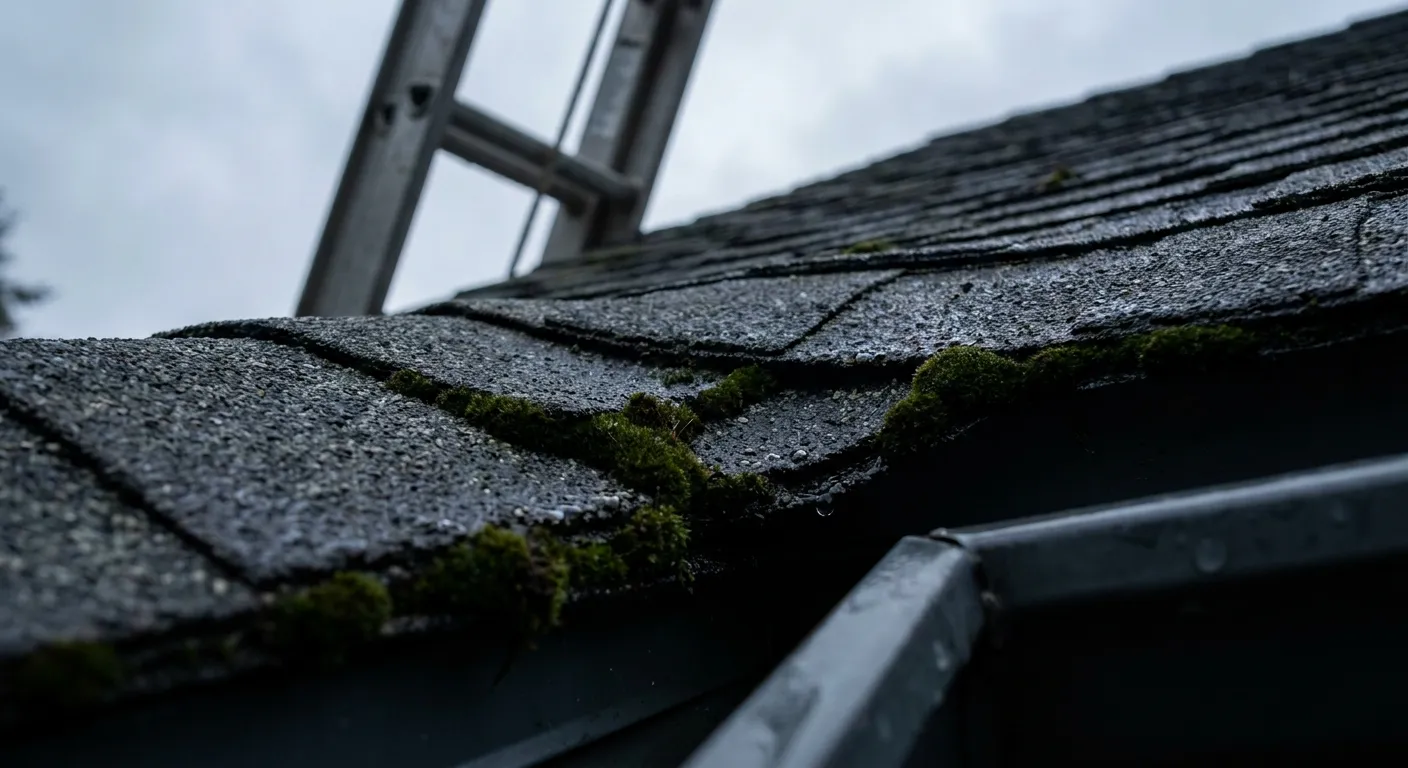
Comprehensive Roofing Maintenance for Rainy Seasons
Heavy rain can quickly reveal weaknesses in your roof that you never knew existed. From small leaks that drip into attics to water pooling on flat surfaces, rainy seasons are the ultimate test for a roof’s durability. But what if you could prepare your roof ahead of time to weather the storm? Proactive roofing maintenance for rainy seasons isn’t just about preventing damage—it’s about protecting your home’s structure, avoiding expensive emergency repairs, and giving you peace of mind as the rain pours down.
In the Pacific Northwest, where long wet seasons are the norm, taking preventive steps before the first downpour is crucial. Constant moisture can increase the risk of leaks, rot, and even structural instability if your roof isn’t adequately shielded. Proper maintenance and waterproofing can guard against these issues, extending your roof’s lifespan and ensuring it continues to protect your home. By the time water is dripping from the ceiling or pooling around the foundation, repairs may be costly and time-consuming. Preparing your roof now saves you from future headaches.
This guide will walk you through essential steps to get your roof ready for the rainy season. From identifying potential weak spots during an inspection to applying waterproofing solutions like sealants, coatings, and membranes tailored to your roof type, we’ll cover everything you need to know. You’ll also learn about the importance of cleaning gutters, maintaining roof ventilation for moisture control, and scheduling professional help at the right time. Whether your goal is to avoid leaks, control mold, or simply keep your roof in top condition for years to come, the tips here will help you make smart, cost-effective decisions.
By the end of this article, you’ll not only understand the impact of waterproofing and maintenance but also feel confident in how to prepare your roof for heavy rainfall. Ready to protect your home from the elements? Let’s dive in!
Comprehensive Roofing Maintenance for Rainy Seasons
Homeowners in the Pacific Northwest understand all too well how the region’s persistent rain and damp weather can challenge the durability of their roofs. Heavy rainfall can lead to leaks, rot, and structural damage if proper maintenance is neglected. Proactive steps, including routine inspections and waterproofing solutions, are the key to protecting your roof before the rainy season fully sets in. By investing in preventive measures, you can avoid unexpected costs, safeguard your home, and maintain your roof’s lifespan.
Learn more about seasonal roofing care in the region by visiting Seasonal Roof Maintenance Tips for Bellevue Homeowners.
Why Roofing Maintenance for Rainy Seasons Is Essential
Common Roof Problems During Rainy Weather
During the rainy season, roofs in the Pacific Northwest face challenges unique to the wet climate. Heavy rainfall can exacerbate existing vulnerabilities, leading to:
- Loose or damaged flashing: Flashing helps seal the transitions between roofing materials. Rain can loosen it over time, allowing water to seep into your home.
- Cracked or missing shingles: Strong winds combined with rain often result in shingle damage, leaving your roof exposed to moisture.
- Clogged gutters: Accumulated debris blocks gutters, preventing proper water drainage and causing pooling on your roof.
These issues are common due to the region’s extended wet seasons, making regular roofing maintenance critical for property owners.
Benefits of Preparing Your Roof Before the Rain
Addressing potential weaknesses before the rain starts offers several advantages, such as:
- Preventing costly repairs: Leaks and moisture damage can quickly escalate if ignored during the rainy season.
- Prolonging roof lifespan: Keeping water out helps maintain the structural integrity of your roof for years to come.
- Protecting home value: A well-maintained roof boosts your home’s curb appeal and resale value.
Preparing your roof in advance is not just practical; it’s cost-effective in the long run, sparing you from emergency repair expenses when damage occurs suddenly.
Step 1: Inspect Your Roof for Weak Spots
How to Perform an Effective Roof Check
A thorough roof inspection is the foundation of rainy season preparedness. Homeowners can start by looking for visible signs of damage:
- Inspect shingles for cracks, curling, or missing sections.
- Check roof edges and around chimneys for loose or deteriorating flashing.
- Inside your home, examine the attic for signs of water entry, such as moisture stains or a musty smell.
While this basic checklist is a great first step, it’s wise to schedule a professional inspection, as experts can identify hidden or underlying issues that may not be visible to the naked eye. Learn more about the value of professional inspections by visiting Roofing Inspections in Kent: Protect Your Home in a Moisture-Heavy Climate.
Why Timing is Critical
The best time to conduct roof inspections is before the onset of the rainy season. Delaying inspections can lead to minor issues escalating into major damage during heavy rain. Timely detection helps ensure your roof is ready to handle the increased moisture and reduces the chances of costly emergencies later.
Step 2: Waterproofing Solutions to Protect Your Roof
Types of Waterproofing Solutions
Waterproofing is essential for shielding your roof from prolonged exposure to moisture. The most effective methods include:
- Roof sealants: These are applied to smaller areas to prevent water penetration, such as around flashing or vents.
- Elastomeric coatings: Known for their flexibility, these coatings create a durable, seamless layer of protection across your roof. Learn about the advantages of this solution at Pros and Cons of Elastomeric Roof Coatings.
- Silicone coatings: Highly resistant to pooling water, silicone coatings are a popular choice for flat or low-slope roofs. For more details, visit Pros and Cons of Silicone Roof Coating.
- Waterproof membranes: These sheets form a water-tight barrier on flat roofs or under shingles for added protection.
Matching Waterproofing Methods to Roof Types
Different roofing materials require tailored waterproofing approaches:
- Asphalt shingles: Sealants or protective coatings work best for these versatile roofs.
- Metal roofs: Elastomeric coatings are ideal for their reflective and moisture-resistant properties.
- Flat roofs: Silicone coatings or waterproof membranes are effective at preventing water pooling and leaks.
Consider consulting roofing experts like Roof Pros NW for guidance in selecting the best waterproofing solution based on your roof type.
Professional Application and Maintenance
DIY waterproofing can sometimes leave gaps or cause uneven applications. A professional job ensures complete coverage and lasting performance, especially in regions with heavy rainfall. Trust Roof Pros NW for reliable waterproofing services. Learn more about our expert roofing solutions at Explore Roofing Services with Roof Pros NW.
Step 3: Gutters and Drainage System Maintenance
How to Keep Gutters Clean and Functional
Having functional gutters is critical for directing rainwater away from your roof and foundation. Follow these steps to keep them clean:
- Remove leaves, twigs, and debris regularly.
- Flush gutters with a hose to ensure smooth water flow.
- Install gutter guards to minimize debris buildup.
Well-maintained gutters reduce water accumulation on your roof, which can help prevent leaks and structural strain.
The Role of Drainage Systems in Roof Protection
Your drainage system also extends beyond the gutters. It’s essential to ensure downspouts and extensions channel water safely away from your home. Poor drainage can lead to water pooling around your foundation or on your roof, causing long-term damage.
Step 4: Roof Ventilation for Moisture Control
How Ventilation Works to Manage Moisture
Proper ventilation is just as important as waterproofing when it comes to controlling moisture. Roof ventilation helps:
- Regulate temperature in the attic.
- Reduce condensation caused by trapped humidity.
- Prevent mold and mildew growth.
Effective ventilation allows moisture to escape before it can harm your roof and attic space.
Signs of Poor Ventilation
Keep an eye out for these common signs of inadequate roof ventilation:
- Condensation on windows or attic surfaces.
- A musty odor in your attic.
- Mold growth on insulation or wood beams.
If you notice these issues, it’s time to seek professional assistance. Review additional maintenance tips by visiting Seasonal Roof Maintenance Tips for Bellevue Homeowners.
Step 5: The Cost-Effectiveness of Preventive Maintenance
Preventive Maintenance vs Emergency Repairs
One of the greatest benefits of preventive maintenance is the significant cost savings it provides compared to emergency repairs. Fixing a leaking roof during a storm is far more expensive than addressing potential vulnerabilities beforehand.
Being proactive with waterproofing methods like sealants and coatings not only alleviates stress but also avoids sudden expenses when water damage worsens.
How Waterproofing Saves Money Over Time
Investing in waterproofing adds critical layers of protection to your roof, decreasing wear and tear over time. This prolongs your roof’s lifespan and reduces the likelihood of needing major repairs. Explore cost-effective repair options nearby at Professional Roof Repair Services in Renton WA.
By staying ahead of rainy-season challenges, homeowners save both time and money while maintaining their home’s overall value.
Schedule Your Roof Leak Inspection Today!
Dealing with a roof leak can quickly escalate if left unchecked. Now that you understand the importance of addressing leaks promptly, take the next step to protect your home. Roof Pros NW offers expert roof leak inspections to pinpoint the problem and provide effective, lasting solutions. Don’t wait until the damage worsens—schedule your inspection today!
Here’s what you’ll gain with a professional roof leak inspection by Roof Pros NW:
- Accurate diagnostics to identify the exact source of the leak
- Clean, professional service from trusted roofing experts
- Cost-effective solutions tailored to your specific repair needs
- Peace of mind knowing your home is protected from water damage
- Fast turnaround to minimize disruption to your daily life
Don’t let a small problem grow into a bigger issue. Book your roof leak inspection today and let Roof Pros NW help you safeguard your home!
Conclusion
Preparing your roof for the rainy season is not just about avoiding leaks—it’s an essential step in protecting your home, maintaining its value, and preventing costly repairs. Proactive roofing maintenance focuses on tackling potential vulnerabilities like damaged flashing, cracked shingles, clogged gutters, and ineffective waterproofing before they escalate into bigger problems.
Routine roof inspections, carried out before the wet season starts, play a pivotal role in identifying weak spots. These inspections can expose hidden damages that might otherwise grow under the stress of heavy rainfall. Likewise, investing in professional waterproofing solutions like sealants, elastomeric or silicone coatings, and waterproof membranes provides an added layer of security for your roof, customized to its material and design.
Don’t forget about gutter maintenance and proper ventilation, both of which are critical for controlling water flow and preventing moisture buildup. Clean gutters and functional drainage systems direct rainwater safely away from your roof and foundation. Meanwhile, a well-ventilated roof ensures moisture does not linger in your attic, minimizing the risk of mold and structural damage.
Homeowners in the Pacific Northwest face unique challenges with heavy rains, but a proactive approach—focused on inspections, waterproofing, and maintenance—can extend your roof’s performance and provide peace of mind throughout the season. The benefits aren’t just immediate; preventive care saves you money in the long term by avoiding emergency repairs and extending your roof’s lifespan.
If you haven’t prepared your roof yet for the rainy season, now is the time to act. Start with a professional roof inspection to assess its condition, identify problem areas, and understand the best steps moving forward. Roof Pros NW offers reliable inspections, waterproofing services, gutter maintenance, and other roof repair solutions in the Pacific Northwest.
Take the next step in protecting your home—schedule a professional roof inspection with Roof Pros NW today and ensure your roof is ready to handle whatever the rainy season brings.
Preparing your roof for the rainy season with proactive maintenance and waterproofing can save you from costly leaks, water damage, and repairs. These key takeaways highlight the essential steps, methods, and benefits of waterproofing your roof before the heavy rains begin.
- Timing is critical for waterproofing: Scheduling inspections and applying waterproofing treatments before the rainy season prevents costly structural damage and water intrusion later.
- Inspect your roof for potential weak spots: Pre-season roof inspections help identify cracked shingles, loose flashing, or areas vulnerable to leaks that need immediate attention.
- Waterproofing solutions protect against moisture: Sealants, coatings, and waterproof membranes target different needs, ensuring your roof stays watertight during heavy rainfall.
- Clean and maintain gutters and drainage systems: Clearing gutters and ensuring proper water flow prevents pooling and reduces the risk of roof leaks caused by clogged drainage.
- Roof ventilation supports moisture control: Proper ventilation not only extends roof life but also reduces mold and moisture buildup inside your home during rainy months.
- Preventive waterproofing is more affordable: Taking steps ahead of storms is significantly cheaper than emergency roof repairs or addressing water damage after the fact.
- Professional waterproofing makes all the difference: Hiring experts like Roof Pros NW ensures high-quality applications and maintenance schedules tailored to your roof’s specific needs.
These insights set the groundwork for understanding why waterproofing and maintenance are essential for rainy seasons. Read further to explore expert solutions, cost comparisons, and the best ways to protect your roof and property.
How much does a roof inspection cost and is it worth getting before the rainy season?
The cost of a roof inspection depends on factors like roof size, accessibility, and existing conditions. It’s a smart investment before the rainy season as it identifies vulnerabilities and prevents costly damage. Contact Roof Pros NW for an inspection to ensure your roof is ready for the weather.
How do I know if I need a roof repair or a full replacement?
Determining if you need a repair or replacement involves assessing the age, extent of damage, and overall condition of your roof. Minor issues might only need repair, while widespread damage or an older roof could require a full replacement. Roof Pros NW can provide an evaluation to guide your decision.
How much should I expect to pay for roof repair vs. roof replacement?
Costs vary depending on factors like roof size, material, and damage extent. Repairs are typically less expensive than replacements but depend on specific needs. Reach out to Roof Pros NW for a personalized quote based on your roof’s condition.
What should I ask before hiring a roofing company to ensure they’re trustworthy?
Always verify the roofing company’s license and insurance. Look for positive reviews and ask about their experience, warranty options, and clear communication. Roof Pros NW is happy to provide this information to ensure your confidence in their services.
Does a roof warranty remain valid if materials aren’t installed through the contractor?
Warranties often require installation by approved contractors to remain valid. Using unapproved installers can void warranties, so it’s crucial to follow guidelines. Roof Pros NW can guide you on maintaining warranty validity through proper installation.
