DIY Roof Replacement vs Hiring a Pro: What to Know
A roof replacement is not simply a matter of removing old shingles and putting new ones in their place. Once the old roofing comes off, the real condition of the roof deck, flashing, ventilation, and underlayment becomes clear. A small soft spot in the decking or a rusted flashing detail can turn a weekend project into a much larger repair. That is why choosing between DIY work and hiring a professional matters so much. The decision affects more than the immediate roof replacement cost. It can influence your home’s protection from water, the lifespan of the new roof, warranty coverage, and the safety of everyone involved.
For homeowners and property managers in the Pacific Northwest, the stakes can be even higher. Heavy rain, long wet seasons, wind, moss growth, and repeated moisture exposure can cause hidden roof deck damage beneath aging shingles. A roof may look manageable from the ground, but a tear-off can reveal rot, mold, or weak areas that need attention before new materials can be installed. If these issues are missed or handled incorrectly, water can continue moving into the attic, insulation, ceilings, and walls long after the replacement appears finished.
Understanding the full roof replacement steps helps put the DIY option into perspective. A complete project may include planning for permits, protecting the property, removing old materials, checking the deck, replacing damaged wood, installing underlayment, sealing vulnerable areas with flashing, laying shingles correctly, cleaning up debris, and completing a final inspection. It also requires the right roofing tools and equipment, reliable fall protection, and enough experience to work safely on a slope. Even a minor installation error can create an opening for wind-driven rain or shorten the life of the roofing materials.
DIY roof replacement can reduce labor expenses for a homeowner with strong construction skills, the right equipment, and a simple roof design. However, steep slopes, multiple layers of old roofing, active leaks, storm damage, or signs of moisture damage are often reasons to consider professional roof replacement instead. Building permits and local code requirements still apply, and some shingle warranty terms may depend on proper installation by a qualified contractor.
This guide compares the real costs, timelines, safety concerns, and hidden risks of replacing a roof yourself versus hiring a roofing contractor. You will learn what a professional process includes, when a DIY project may be realistic, and when a roof inspection can help uncover problems before work begins. For a closer look at the complete process, review these roof replacement steps for Puget Sound homeowners before deciding which path best protects your home.
DIY Roof Replacement vs Hiring a Pro: What to Know
Choosing between DIY roof replacement and hiring a professional affects far more than the first bill. It can change the safety of the project, how long the home is exposed to weather, and how well the new roof performs over time.
A roof is a complete system, not just a layer of shingles. It includes the roof deck, underlayment, flashing, ventilation, drip edge, and fasteners that work together to keep water out. In Pacific Northwest roofing, long wet seasons can reveal hidden moisture damage, rot, and flashing issues once the old materials are removed.
Why This Decision Matters More Than It Seems
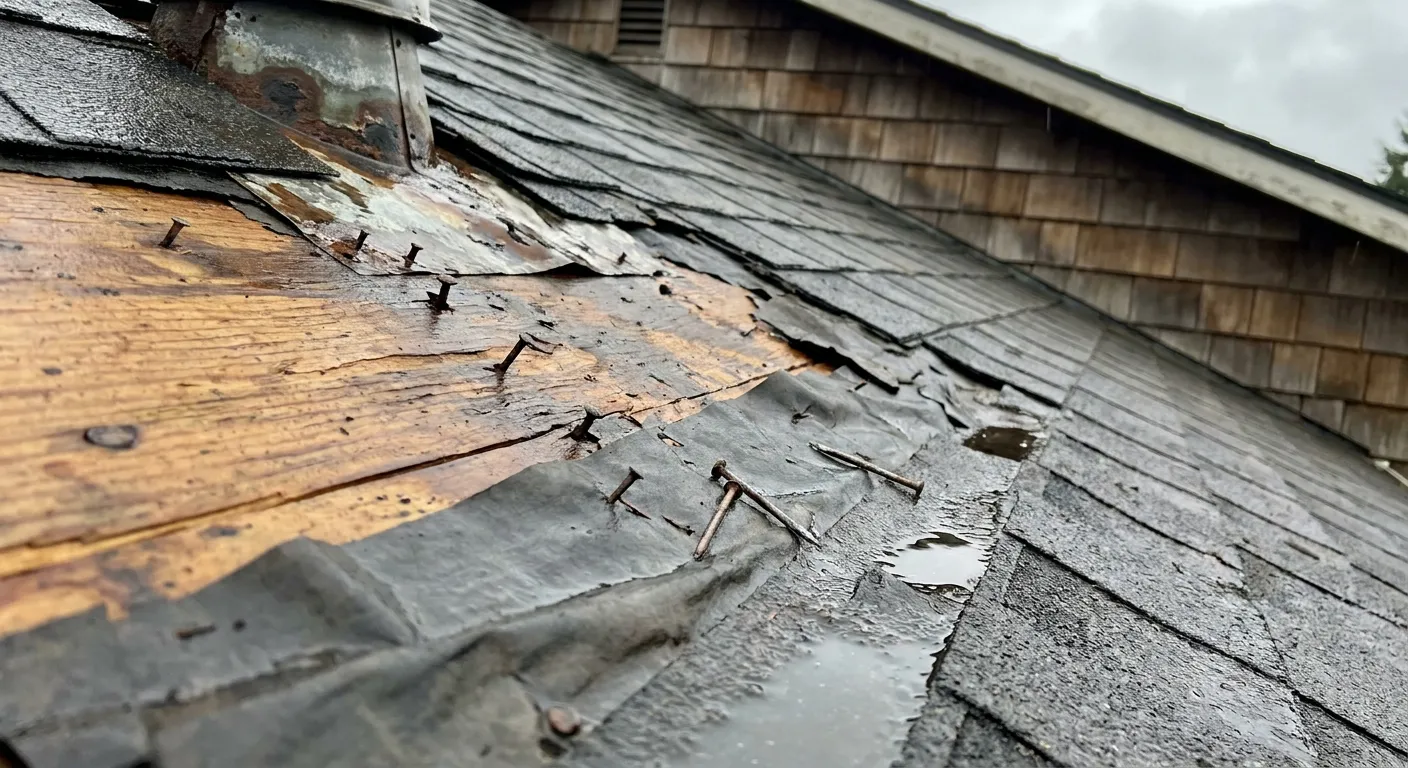
A roof may look straightforward from the ground, but the real condition often becomes clear during tear-off. Removing old shingles can expose soft decking, corroded flashing, damaged underlayment, or signs of attic moisture.
These details affect whether the new roof can be installed correctly. If a homeowner discovers roof deck damage halfway through a DIY project, they may need extra materials, tools, labor, and dry weather to complete repairs safely. That is why the decision should consider the entire roof system, not only shingle installation.
What Homeowners Should Keep in Mind Before Starting
Before starting a roof replacement, consider the full roof replacement process, including permits, safety planning, material requirements, cleanup, and warranty rules. It is also important to have a plan for unexpected repairs.
Reviewing the roof replacement steps for Puget Sound homeowners can help property owners understand what happens before, during, and after a roofing project.
What a Real Roof Replacement Involves
A complete roof replacement requires planning, physical labor, careful installation, and close attention to details. Even a simple-looking roof can involve several days of work, especially if weather changes or hidden damage is found.
Roof Tear-Off and Surface Preparation
The roof tear-off begins with removing old shingles or other roofing materials. This also includes pulling nails, removing worn underlayment, and often replacing old flashing around roof penetrations.
The roof surface needs to be clean and smooth before new materials go on. Loose nails, broken decking, or leftover debris can interfere with proper installation. A tear-off also creates a large amount of waste, so the project needs a dumpster or another approved disposal plan.
Checking the Roof Deck for Damage
The roof deck is the wood surface under the roofing materials. It provides the solid base needed for shingles, underlayment, and flashing. After tear-off, installers check for soft spots, water stains, rot, mold, and areas where the wood has weakened.
This step is especially important in the Pacific Northwest. Rain can enter through worn shingles, failed flashing, or damaged vents and remain hidden for a long time. A homeowner may not see the full moisture damage until the roof is open. Damaged decking should be repaired before a new roof is installed.
Installing Underlayment, Flashing, and New Roofing Materials
Once the deck is ready, the roof receives layers designed to control water. Underlayment installation adds a protective barrier between the deck and shingles. Drip edge helps direct water away from roof edges, while flashing protects vulnerable areas where water tends to collect.
Important flashing locations include:
- Chimneys
- Plumbing vents
- Skylights
- Roof valleys
- Wall connections
- Dormers
Ventilation also matters. Proper attic airflow helps manage heat and moisture, which can support the performance of roofing materials. Shingles are installed last, but their success depends on the layers below them being installed correctly.
Cleanup and Final Inspection
A roof replacement should end with thorough cleanup. This includes hauling away debris, sweeping the property, and using a magnetic tool to collect loose nails from driveways, lawns, and walkways.
A final inspection checks that shingles are aligned, flashing is secure, vents are properly sealed, and roof edges are complete. This final review helps catch missed details before the project is considered finished.
The Real Cost of DIY Roof Replacement vs Hiring a Pro
When people ask, “How much does a professional roof replacement cost compared to DIY?” the answer depends on roof size, slope, materials, existing damage, and local requirements. DIY can reduce labor expenses, but it does not eliminate many of the project’s largest costs.
What You Pay for in a DIY Roof Replacement
A DIY roof replacement requires more than shingles. Homeowners may need to pay for materials, delivery, waste removal, and roofing tools and equipment.
Common DIY expenses include:
- Shingles, underlayment, flashing, drip edge, and fasteners
- Safety harnesses, anchors, ladders, and roof brackets
- Nail guns, compressors, saws, and hand tools
- Dumpster rental and disposal fees
- Permit costs, where required
- Material delivery and storage
- Extra help for lifting and moving bundles
Buying too little material can delay the project. Buying too much may leave the homeowner with unused supplies. Material selection also matters because using the wrong product or installation method can affect performance.
What Professional Roof Replacement Includes
A professional roof replacement generally includes trained labor, planning, material handling, tear-off, installation, cleanup, and final review. A contractor also brings the equipment and crew needed to work efficiently.
The price reflects more than putting shingles on a roof. It includes the ability to assess the deck, manage flashing details, install materials in the right sequence, and respond when unexpected repairs are needed.
For more information about local roofing expectations, review roof replacement and repairs in Bellevue, WA.
Hidden Costs That Can Surprise DIY Projects
The first DIY estimate may not account for mistakes, weather delays, or hidden repair needs. Incorrectly cut shingles, damaged materials, missing flashing components, and rushed installation can add costs later.
A project can also become more expensive if the roof is left exposed during rain. If deck rot is discovered after tear-off, the homeowner may need to pause work while finding replacement lumber and learning how to complete repairs. These delays are a major part of the risks of DIY roof replacement in the Pacific Northwest.
Cost Versus Long-Term Value
DIY savings are usually tied to avoiding labor costs. However, a roof installed with poor flashing, weak ventilation, or damaged decking may develop leaks sooner and need repairs earlier than expected.
When comparing roof replacement cost, consider the long-term value of correct installation, leak prevention, material coverage, and fewer surprise repairs. A lower initial cost is not always the lowest total cost over the life of the roof.
Safety Risks Homeowners Should Not Ignore
Roof work can be dangerous even for homeowners who are skilled with tools. Roofing safety risks increase when workers carry heavy bundles, use power tools, and move across a sloped surface.
Why Roof Work Is Riskier Than It Looks
Falls are the most obvious concern, but they are not the only one. Ladders can shift, loose shingles can slide, and nails or debris can create unstable footing. Carrying materials up a ladder or across a roof also changes balance and visibility.
A roof that appears easy to walk on from the ground may feel much steeper once someone is working near an edge. Safe roofing requires planning for access, material movement, weather, and emergency response.
Roofing Safety Risks in the Pacific Northwest
Wet conditions create added challenges. Moss, damp shingles, dew, rain, and fallen leaves can make surfaces slippery. Wind can affect ladders, loose materials, and a worker’s balance.
Long damp periods may limit safe work windows. Starting a DIY roof replacement without enough dry weather can lead to pressure to work in unsafe conditions or leave the roof temporarily exposed.
Why Fall Protection and Experience Matter
Harnesses, anchors, roof brackets, and staging can help reduce fall risk. However, equipment must be selected, installed, and used correctly. Wearing a harness does not help if it is attached to an unsafe anchor point or does not allow safe movement across the roof.
Experience also helps workers recognize when conditions are too wet, windy, steep, or unstable to continue. This is one reason the answer to “Is it safe to replace my own roof as a homeowner?” is often dependent on the roof design and the homeowner’s training.
When a Roof Is Too Complex for DIY
Some roof designs create higher risk and require more detailed installation work. Hiring a roofing contractor is usually the safer choice when a roof has steep slopes, multiple levels, valleys, skylights, chimneys, or difficult wall connections.
These features require careful flashing and shingle placement. One missed detail around a valley or chimney can create a path for water to enter.
Permits, Codes, and Warranty Questions
Roof replacement is also a code and compliance project. Homeowners should understand local rules before ordering materials or beginning tear-off.
Do You Need Permits for Roof Replacement?
Building permits for roofing may be required depending on the property location, the scope of work, and whether structural repairs are involved. Permit rules can vary, so property owners should check with the local building department before work begins.
Missing a permit can create delays and may complicate future property sales or insurance questions. A professional contractor can help clarify whether the planned work requires permitting.
Why Local Code Requirements Matter
Local codes may address underlayment, ventilation, flashing, fastening methods, roof coverings, and deck repairs. These rules exist to support safe construction and weather protection.
Pacific Northwest homes need roofing systems that can handle frequent rain and wind-driven moisture. Following local requirements helps ensure that the roof is built for those conditions rather than simply covered with new shingles.
How Shingle Warranty and Material Coverage Can Be Affected
A shingle warranty may have conditions related to installation methods, ventilation, compatible components, and material handling. Homeowners should read warranty documents carefully before choosing DIY installation.
Warranty coverage does not replace careful workmanship. If materials are installed outside manufacturer instructions, protection may be limited. This is an important consideration when comparing DIY roof replacement vs hiring a professional contractor.
Hidden Problems That Often Show Up During Tear-Off
Tear-off is often the point where a straightforward project becomes more complex. Old roofing materials can hide problems that are not visible from the ground or even from inside the attic.
Roof Deck Damage Under Old Shingles
Water-stained wood, soft plywood, rot, mold, and loose decking may appear after shingles are removed. New roofing materials should not be installed over weak or damaged roof decking.
Deck repairs can require measuring, cutting, replacing sheathing, and ensuring the surface is properly supported. For a homeowner without construction experience, this can change the scope of a DIY project quickly.
Moisture Damage and Ventilation Issues
Moisture can come from roof leaks, poor attic ventilation, bathroom exhaust vents, or trapped indoor humidity. Signs may include damp insulation, dark stains, musty odors, or rusted fasteners.
Replacing shingles without addressing the source of moisture can allow the problem to continue. A complete roof replacement should consider both exterior water protection and attic airflow.
Flashing Problems Around Weak Points
Shingles do not provide all the protection around roof openings and transitions. Flashing directs water away from chimneys, vents, skylights, valleys, and walls.
Old flashing may be cracked, rusted, bent, or improperly layered. It can be tempting to reuse it during a DIY project, but worn flashing may be the reason the roof leaked in the first place.
Why a Professional Inspection Helps Before Replacement
A book a roof inspection appointment can help identify visible concerns before tear-off begins. An inspection cannot always reveal every hidden issue, but it can reduce guesswork by reviewing shingles, flashing, ventilation, drainage, and possible signs of moisture damage.
For homeowners deciding when they should hire a roofer instead of replacing their roof themselves, inspection findings provide useful facts. They can show whether the roof appears simple enough for a planned project or whether hidden risks are likely.
When DIY Roof Replacement May Make Sense
DIY roof replacement may be realistic in limited situations. The homeowner should have strong construction skills, understand roofing methods, and be prepared to stop if the project becomes more complex than expected.
Simple Roofs and Strong Construction Skills
A small, single-plane roof with a low slope is generally easier to access than a steep roof with valleys and penetrations. Even then, the homeowner should be comfortable with decking, underlayment installation, flashing, and fall protection.
DIY is not ideal for someone learning roofing for the first time on a primary residence. The consequences of a missed detail may not appear until the next long period of rain.
Small, Planned Projects With Good Weather
A DIY project is more manageable when there is a reliable dry-weather window, adequate time off, and capable help available. Materials should be on site before tear-off starts, along with a clear disposal and cleanup plan.
Rushing to finish before rain can lead to shortcuts. It is better to wait for suitable conditions than to expose the home or work on slippery surfaces.
Clear Limits Before You Start
Set limits before beginning. If you find rot, active leaks, mold, sagging, or code questions, pause the project and seek professional guidance.
Knowing when to stop is a practical part of responsible DIY work. It protects the home and can prevent a manageable issue from becoming a larger repair.
When Hiring a Roofing Contractor Is the Smarter Choice
For many homes, professional roofing help provides a safer and more predictable path. This is especially true when weather, roof complexity, or hidden damage could affect the work.
Signs You Should Not Do It Yourself
Hiring a roofing contractor is strongly worth considering when the roof has:
- Steep or high slopes
- Multiple layers of existing roofing
- Active leaks or storm damage
- Sagging areas or suspected deck rot
- Skylights, chimneys, valleys, or complex transitions
- Limited access for materials and debris removal
- A tight schedule before wet weather arrives
These conditions make roof replacement more than a basic shingle project.
Why Professional Roof Replacement Is Faster and More Complete
A professional crew has the labor, equipment, and workflow to manage tear-off, deck repairs, underlayment, flashing, shingle installation, and cleanup in an organized sequence. This can reduce the time the roof is open to changing weather.
Professional roofers also work with these details regularly. Their experience helps them spot installation issues that a homeowner may not recognize until after water enters the home.
How a Contractor Can Reduce Risk
Professional installation can reduce the chance of early roof failure caused by poor flashing, exposed fasteners, weak ventilation, or incorrect material placement. Contractors can also help address permit requirements and manufacturer installation instructions.
When evaluating providers, this guide on how to choose the best roofing contractors in Bellevue can help homeowners ask better questions about experience, scope, and communication.
How to Compare DIY Roof Replacement and Professional Roofing Help
The best choice depends on the property, budget, skill level, and weather conditions. A simple decision process can make the comparison easier.
Questions to Ask Before You Decide
- Can you safely reach and work on the roof?
- Do you understand the full roof replacement steps?
- Are permits, code requirements, and warranty rules clear?
- Could hidden roof deck damage change the scope?
- Do you have the time, tools, and help needed?
- Is there enough dry weather to complete the work without rushing?
- Can you correctly install flashing around all roof transitions?
A Simple Way to Think About the Tradeoffs
DIY may make sense for a simple roof and an experienced homeowner with the right equipment. It may lower labor costs, but it places planning, safety, repairs, and quality control on the property owner.
Professional roof replacement usually costs more upfront because it includes skilled labor and a complete process. In return, it offers more support for hidden damage, complex installation details, cleanup, and code concerns.
What to Expect from a Professional Roof Inspection
A roof inspection helps property owners make decisions based on the roof’s current condition rather than assumptions. It is useful before a replacement, after storm damage, or when a homeowner is unsure whether repair may still be an option.
What Inspectors Look For
A roof inspection may review:
- Shingle wear, missing materials, and exposed fasteners
- Flashing around chimneys, vents, skylights, and walls
- Roof valleys and drainage paths
- Signs of leaks and moisture damage
- Ventilation concerns in the attic
- Possible roof deck damage or soft areas
- Moss growth and debris that hold moisture
When possible, viewing both the roof exterior and attic interior gives a clearer picture of water entry and moisture conditions.
How the Inspection Helps You Choose the Next Step
Inspection findings can show whether a roof needs repair, replacement, or further investigation. They can also help estimate whether deck repairs, flashing replacement, or ventilation improvements may be needed.
For additional guidance on repair and replacement decisions, see roof replacement repairs by Roof Pros NW. Understanding the scope before tear-off helps reduce surprise costs and project delays.
Final Thoughts: Choosing the Safer and Smarter Roofing Path
DIY roof replacement can be appealing when labor costs are a concern. However, roofing involves safety planning, weather timing, permits, warranties, and installation details that are easy to underestimate.
The Bottom Line for Homeowners
DIY may lower upfront labor expenses, but it also brings fall risks, possible material waste, hidden moisture damage, permit concerns, and potential shingle warranty limitations. In wet Pacific Northwest conditions, roof deck rot and flashing failures can turn a basic project into a more involved repair.
Professional roof replacement is often the better fit for steep, complex, damaged, or older roofs. It provides the experience and equipment needed to address the full roofing system, not just the visible shingles.
Take the Next Step with Roof Pros NW
If you are weighing DIY roof replacement against professional help, start with a clear assessment of the roof’s condition. Roof Pros NW can help you review your replacement options, identify potential concerns, and move forward with a plan that fits your home and property needs.
Conclusion
Choosing between DIY roof replacement and hiring a professional is about more than saving on labor. It affects safety, project timing, warranty coverage, and the long-term performance of the roof. What looks like a simple shingle job from the ground can turn into a much larger project once old materials come off and hidden problems appear.
A full roof replacement involves much more than installing new shingles. The roof deck, underlayment, flashing, ventilation, drip edge, and fasteners all need to work together to keep water out. If any of those parts are damaged, poorly installed, or missed during tear-off, the new roof may not protect the home the way it should. In the Pacific Northwest, where wet weather and moisture can expose weak spots fast, that detail matters even more.
For many homeowners, the biggest challenge is knowing what is under the old roof before the work begins. Deck rot, soft spots, damaged flashing, and ventilation issues often show up only after tear-off. That is why planning ahead is so important. Reviewing the full process in roof replacement steps for Puget Sound homeowners can help you understand what a proper replacement really involves before you start.
Cost is another major factor, but the cheapest option upfront is not always the best value. DIY may cut labor costs, but it still requires materials, tools, disposal, permits, and enough time to do the job safely. It also puts the homeowner on the hook for mistakes, delays, and any hidden repairs that come up during the project. A professional roof replacement may cost more at the start, but it includes trained labor, proper installation, cleanup, and help with unexpected issues that can affect the finished roof.
Safety should never be overlooked. Roofing work brings fall risks, slippery surfaces, heavy materials, and weather delays. Those risks are even higher in damp Pacific Northwest conditions, where moss, dew, rain, and wind can make a roof harder to work on. Steep slopes, valleys, skylights, chimneys, and other complex features are strong signs that a professional is the better choice.
Permits, code requirements, and warranty rules also matter. A roof has to meet local standards for fastening, ventilation, flashing, and materials. If the work is not done correctly, it can affect both performance and warranty coverage. That is why a careful inspection and a clear plan matter before any tear-off begins.
If you are unsure whether your roof is a candidate for DIY or should be handled by a contractor, start with a professional assessment. A roof inspection can help you see whether the roof needs repair, replacement, or a closer look at hidden damage.
When you are ready to compare your options, Roof Pros NW can help you move forward with practical guidance based on your roof’s condition, your budget, and your goals.
Choosing between DIY roof replacement and hiring a pro is a big decision that affects cost, safety, timeline, and the long-term health of your roof. These key takeaways cover the main steps, hidden risks, and Pacific Northwest concerns so you can better judge whether a DIY project makes sense or if it is smarter to call Roof Pros NW.
- Know the full roof replacement steps before you start: A real roof replacement involves tear-off, deck checks, underlayment, flashing, shingle installation, cleanup, and final inspection, not just laying new shingles.
- DIY can save labor costs, but it adds major risk: Homeowners may spend less upfront, but they also take on safety hazards, tool costs, code issues, and the chance of expensive mistakes.
- Fall protection and roofing skills matter: Roof replacement is dangerous work, especially on steep or wet roofs, and poor installation can lead to leaks, wind damage, or early roof failure.
- Hidden deck rot is a major Pacific Northwest concern: In the Puget Sound region, long wet seasons can hide moisture damage, mold, and rot under old shingles, which can stop a DIY project fast if the roof deck is worse than expected.
- Permits and building codes still apply: Even for a DIY project, roof replacement may need permits and must meet local code requirements, which can be easy to miss without roofing experience.
- Professional roof replacement is faster and more complete: A roofing contractor brings the crew, tools, materials, and process needed to handle tear-off, repairs, and installation more efficiently.
- Warranty protection can depend on who installs the roof: Some shingle warranties and material guarantees may be limited or voided if the roof is not installed by a qualified professional.
- DIY is not a good fit for every roof: Steep slopes, multiple roof layers, active leaks, storm damage, or hidden structural problems are all signs that hiring a roofer is the safer choice.
- A roof inspection can prevent surprise problems: A professional inspection before replacement can uncover deck damage, flashing issues, and moisture problems that affect cost and the best next step.
- Choose a contractor when peace of mind matters: If you want a safer process, clear workmanship, and help dealing with local roofing challenges, a trusted roofer like Roof Pros NW can be the better option.
With these points in mind, the full article will walk through the real pros and cons of DIY roof replacement versus hiring a professional, so you can make a smart choice for your home and budget.
Plan Your Roof Replacement With Confidence
A roof replacement is a major investment, but the right plan can make the process clear and manageable. If your roof is aging, showing wear, or needing frequent repairs, now is a good time to get professional guidance before small issues become larger projects.
Roof Pros NW can help you understand your options with a roof replacement consultation and estimate tailored to your home, budget, and goals.
- Review the condition of your current roof
- Compare materials that fit Bellevue weather
- Get clear pricing with no confusing guesswork
- Learn what to expect during installation
- Choose a replacement timeline that works for you
A straightforward estimate gives you time to weigh your choices and move forward when you are ready. Schedule your roof replacement consultation with Roof Pros NW today.
How much does a roof replacement cost for a typical home?
Roof replacement cost depends on roof size, slope, material choice, tear-off needs, roof deck damage, flashing repairs, ventilation, access, and local permit requirements. A roof with hidden moisture damage or multiple layers of old roofing usually costs more because the job takes more time and materials. Roof Pros NW can inspect the roof and provide a clear estimate based on your home’s real condition.
How much does a professional roof replacement cost compared to DIY?
DIY can lower labor costs, but it still requires materials, safety gear, dumpster rental, permits, tools, and time. The bigger risk is unexpected damage, like rotten decking or failed flashing, which can raise the final cost if the job is not done right the first time. A professional roof replacement usually costs more upfront because it includes skilled labor, cleanup, and proper installation. Contact Roof Pros NW for an inspection and estimate before you decide.
How do I know if I need roof repair or roof replacement?
The best way to tell is with a roof inspection. Small, isolated damage may be repairable, but widespread shingle wear, recurring leaks, soft decking, sagging areas, or repeated storm damage often point to replacement. If the roof is older and problems keep returning, replacement is usually the smarter long-term choice. Roof Pros NW can review the roof and help you choose the right option.
What does a roof inspection include?
A roof inspection usually checks shingles, flashing, vents, valleys, roof edges, visible leaks, signs of moisture damage, and possible roof deck issues. A good inspector also looks for attic ventilation problems and conditions that could affect the next repair or replacement. This helps you understand the roof’s condition before you spend money on work that may not solve the real problem. Roof Pros NW can help with that inspection.
Should I replace my roof after storm damage or just repair it?
It depends on how much damage the storm caused and whether the roof already had wear before the storm. A repair may work if the damage is limited to a small area, but replacement is often the better choice if shingles are missing across large sections, flashing is damaged, or the roof deck has been affected. An inspection after the storm is the safest next step. Roof Pros NW can assess the damage and explain your options.
