Pros and Cons of Roof Ridge Vents Explained
When it comes to creating a healthy, long-lasting roof, attic ventilation often doesn’t get the attention it deserves. Yet, proper ventilation is crucial for protecting your home from moisture buildup, temperature imbalances, and even structural damage. One popular option for improving attic airflow, especially in the Pacific Northwest, is roof ridge vents. But are they the right choice for your home?
Roof ridge vents are designed to allow warm, moist air trapped in your attic to escape through the highest point of the roof. This type of ventilation helps regulate temperature, reduce humidity, and prevent problems like condensation, mold, and wood rot. For areas with a wet climate like the Pacific Northwest, effective ventilation can significantly extend the lifespan of your roof while protecting your home from costly water damage. However, installing ridge vents isn’t always a simple decision. Their effectiveness depends on several factors, including balanced intake and exhaust ventilation, proper installation, and your home’s specific needs.
In this article, we’ll explore the pros and cons of roof ridge vents so that you can make an informed decision for your home. You’ll learn how ridge vents work, their benefits for moisture control and roof longevity, potential challenges with installation, and when to consider alternatives like box vents. By understanding these key points, you’ll be better prepared to decide if ridge vents are the right ventilation solution for your roof and how to ensure they perform as intended. Let’s dive in.
Pros and Cons of Roof Ridge Vents Explained
Roof ridge vents have become a popular choice for maintaining attic ventilation in homes, especially in climates like the Pacific Northwest, where heavy rains and high moisture levels are common. Effective attic ventilation not only extends the lifespan of your roof but also improves energy efficiency by regulating indoor temperatures. Ridge vents, as part of a comprehensive ventilation system, can play a significant role in protecting a home from moisture damage and costly repairs.
Ridge vents are installed at the peak of the roof, allowing warm, humid air to escape while cooler, fresh air is drawn in through intake vents like soffit vents. This balance between intake and exhaust prevents moisture buildup in the attic, reduces the risk of mold, and helps prevent structural damage caused by condensation. For homeowners in the Pacific Northwest, where wet weather persists for much of the year, proper ventilation is critical for keeping roofs and attics dry.
To ensure you’re selecting the right ventilation solution, it’s important to understand the roof ridge vents pros and cons. While these vents offer numerous benefits, they also come with specific considerations that need to be addressed, especially during installation.
Explore Roofing Services with Roof Pros NW to learn how our expert team can help you choose and install the best ventilation system for your home.
How Roof Ridge Vents Work
The Science Behind Ridge Ventilation
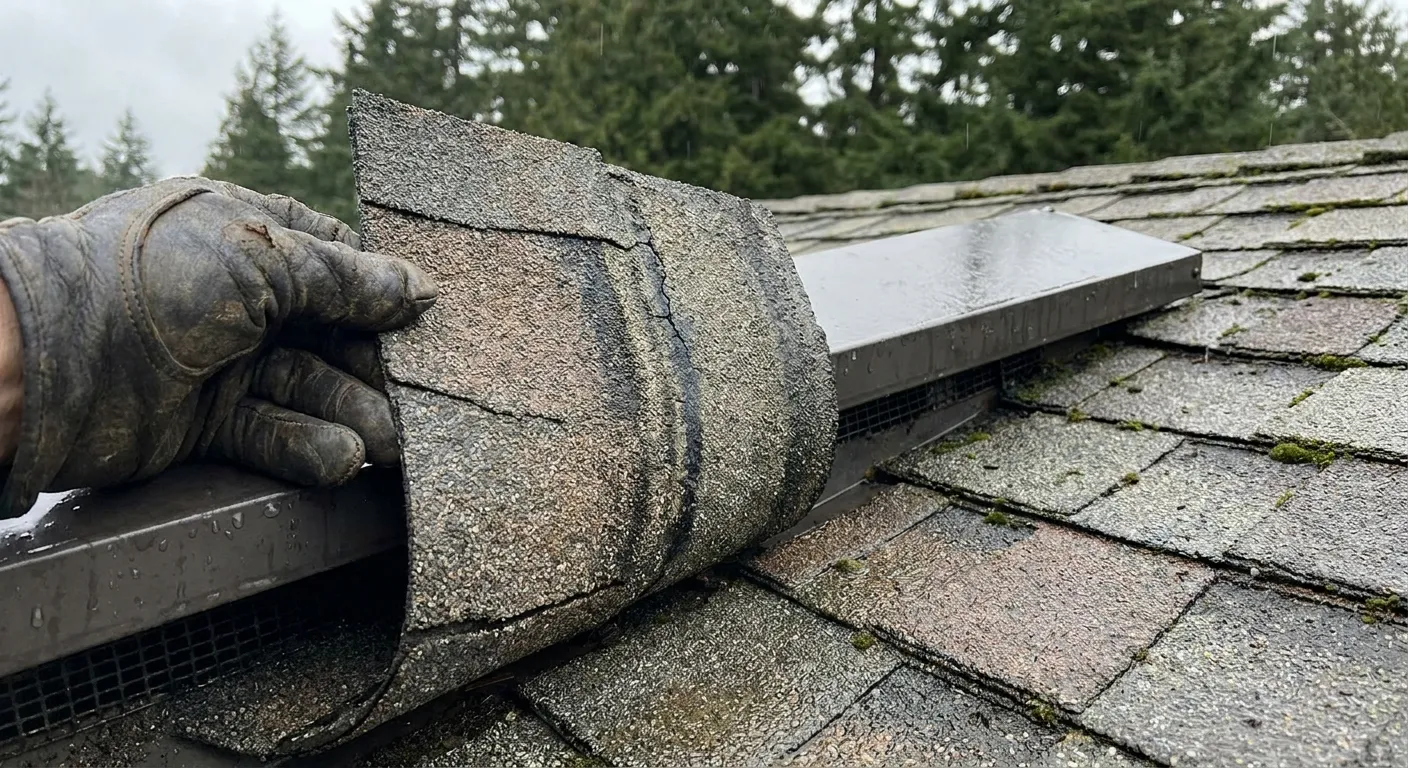
Ridge vents are long, narrow openings installed along the roof’s peak, covered with a protective cap to keep out rain and debris. These vents rely on natural convection to facilitate airflow. As warm air rises inside the attic, it escapes through the ridge vent, creating a continuous cycle of air movement when paired with intake vents near the roof’s edge, such as soffit vents. This balanced system helps regulate temperature, prevent condensation, and improve overall roof performance.
Proper ventilation is especially important in climates like the Pacific Northwest, where the damp weather can lead to mold and rot if moisture becomes trapped in the attic. The ridge vent design allows for consistent airflow, reducing the risk of condensation buildup that typically occurs during cool, wet seasons.
Ridge Vents in the Pacific Northwest Climate
Pacific Northwest homeowners face unique challenges due to heavy rain, consistent cloud cover, and cool temperatures. These conditions make moisture management critical for protecting roofs and preventing costly damage. Ridge vents are particularly effective in this region when installed as part of a balanced system. By working to expel humid, warm air while allowing cooler air to flow in, ridge vents reduce the risk of mold growth, shingle damage, and ice dams.
However, it’s important to note that ridge vents alone are not enough. Without adequate intake vents, such as soffit vents, ridge vents cannot function properly, leading to uneven airflow and potential moisture problems. For homeowners looking for ventilation solutions specific to this region, consulting with professionals like Roof Pros NW can ensure proper system design and installation.
Benefits of Roof Ridge Vents
Improved Attic Airflow and Temperature Regulation
One of the major benefits of ridge vents is their ability to improve attic airflow. By continuously removing hot, stale air from the attic and inviting in cooler air, they help regulate the temperature inside the home. This balanced airflow can reduce the strain on a home’s HVAC system, lowering energy bills during summer months while preventing excessive heat buildup that could damage shingles.
Extending Roof Lifespan Through Balanced Ventilation
Ridge vents, when combined with sufficient intake vents, create a system that reduces the risk of several roofing issues. Poor ventilation can lead to shingle damage, wood rot, and even premature roof replacement. By installing ridge vents, homeowners can prevent structural deterioration caused by trapped heat and moisture.
Homes in the Pacific Northwest can especially benefit from ridge vents due to the region’s prolonged rainy seasons. When moisture is consistently expelled from the attic, the chance of leaks and water damage to the roof’s structure is significantly reduced. Need a roofing partner for long-term solutions? Learn more about Roof Replacement and Repairs in Bellevue WA.
Managing Moisture in Pacific Northwest Homes
As moisture levels in the attic rise, so does the risk of mold and mildew, both of which compromise air quality and roof integrity. Ridge vents provide an effective way to combat this issue by preventing moisture buildup in the first place. When paired with proper intake ventilation, they ensure that humid air is continuously vented out, keeping the attic dry and healthy.
Installing ridge vents can also reduce the need for frequent roof leak repair, as good ventilation reduces the likelihood of condensation causing roof damage. Clear, consistent airflow allows your roof to function as intended, even during the wettest months.
Enhancing Curb Appeal with a Low-Profile Design
Unlike traditional vent options like box vents or wind turbines, ridge vents offer a nearly invisible solution to attic ventilation. Their low-profile design blends seamlessly with the roofline, preserving the home’s aesthetic without sacrificing functionality. For homeowners looking to improve both performance and curb appeal, ridge vents are an excellent choice.
Drawbacks of Roof Ridge Vents
Installation Challenges
Improper installation is one of the biggest challenges with ridge vents. If not installed correctly, they can allow water infiltration, leading to leaks and further roof issues. Ridge vent caps must be securely fastened and sealed to prevent rain from entering, which is especially critical in the Pacific Northwest where heavy rainfall is common.
To avoid these potential issues, it’s essential to hire a skilled roofing contractor. Trust the certified team at Roof Pros NW for professional installation you can rely on.
Ridge Vents vs. Box Vents: A Cost Comparison
When comparing ridge vents to box vents, the initial installation cost of ridge vents may be higher due to the materials and effort required. Box vents are simpler to install and often less expensive upfront, but their performance cannot match the uniform ventilation offered by ridge vents.
Box vents can be a cost-effective solution for smaller projects, but for homes in moisture-prone areas like Bellevue or the broader Pacific Northwest, ridge vents are worth the investment. Their long-term benefits for energy savings and roof health outweigh the upfront costs.
Performance Dependence on Proper Intake Ventilation
One of the most common issues with ridge vents is their reliance on properly balanced intake vents. Insufficient intake ventilation can cause negative pressure in the attic, reducing the effectiveness of the ridge vents and even leading to moisture buildup. For Pacific Northwest homeowners, this means working with a professional to ensure all components of the ventilation system work harmoniously.
Unbalanced systems can result in costly problems, including the need for timely roof repair.
Ridge Vent Installation Tips and Best Practices
Essential Steps for Proper Ridge Vent Installation
Correct installation is key to ridge vent performance. Key steps include cutting an appropriate-sized slot along the roof’s ridge, ensuring watertight sealing, and verifying intake vents are sufficient for the attic size. Incorrect measurements or poor installation can compromise the vent’s functionality and lead to leaks.
Why You Should Hire a Professional Roofer
Installing ridge vents on your own can increase the risk of errors that compromise your roof’s integrity. Professional roofers, like the team at Roof Pros NW, have the skills and experience to ensure proper installation. This includes evaluating your attic’s ventilation needs, choosing the right materials, and guaranteeing a watertight seal. Hiring professionals ensures that you’ll avoid costly mistakes and future repairs.
Whether you’re considering new ridge vent installation or upgrading an existing system, scheduling an appointment with the experts at Roof Pros NW is a step toward protecting your home and increasing energy efficiency.
Final Thoughts: Are Roof Ridge Vents Right for Your Home?
Roof ridge vents can be an excellent ventilation solution, offering benefits like improved airflow, better temperature regulation, and moisture control. However, they may not be the best choice for all homes, especially if intake ventilation is inadequate or if installation errors occur.
Pacific Northwest homeowners should consider factors like the region’s climate, attic size, and budget when deciding on ventilation options. Partnering with trusted professionals ensures proper setup and long-term roof performance. Ready to explore your options? Explore Roofing Services with Roof Pros NW or schedule an appointment today.
Get Your Roof Repair Estimate Today
If your roof is showing signs of damage or wear, waiting can lead to bigger and more expensive problems. The good news? Roof Pros NW is here to provide expert roof repair estimates tailored to your needs. Our team is ready to inspect your roof, identify issues, and provide quick, effective solutions to restore its integrity.
Why choose Roof Pros NW for your roof repair?
- Comprehensive inspections to catch hidden damage early
- Proven expertise in all types of roof repair and materials
- Fast and reliable service to minimize disruption to your home
- Fair, transparent pricing with no-obligation estimates
- A trusted local team that prioritizes your satisfaction
Don’t let small issues turn into costly repairs down the road. Take the first step toward protecting your home and your peace of mind. Schedule your roof repair estimate today!
Conclusion
Roof ridge vents are a valuable solution for improving attic ventilation, safeguarding your home from moisture damage, and promoting energy efficiency. By facilitating balanced airflow, these vents help regulate indoor temperatures, prevent condensation, and extend the lifespan of your roof. This is particularly important for Pacific Northwest homeowners, where heavy rain and prolonged wet seasons increase the risk of mold, rot, and structural damage.
However, achieving the full benefits of ridge vents requires proper installation and a well-balanced ventilation system with sufficient intake vents. Without these, even the best ridge vent design may underperform. Additionally, factors like installation quality and compatibility with your home’s unique ventilation needs must be carefully considered to avoid issues like water infiltration or inadequate airflow.
Whether you’re considering ridge vents for better moisture control, improved attic airflow, or enhanced curb appeal with their low-profile design, professional guidance is key. Mistakes in installation or incorrect system design can lead to costly problems down the line. That’s why it’s essential to rely on experienced roofing experts who understand the unique challenges of Pacific Northwest homes.
To ensure your roof remains protected and efficient, the next step is scheduling a consultation with a professional roofer. The team at Roof Pros NW can assess your roof’s ventilation needs, recommend the best solutions, and provide expert installation services. Don’t leave your roof’s health to chance—book an appointment today to protect your home and enjoy the lasting benefits of proper ventilation.
How much does a roof inspection cost in my area?
The cost of a roof inspection depends on factors like roof size, age, and material. Location and specific concerns, such as leaks or storm damage, also play a role. Contact Roof Pros NW for a personalized inspection and estimate.
What should I ask before hiring a roofing contractor?
Ask about licensing, insurance, experience, and references. Inquire about their process and material options. Clear communication about estimates and timelines is crucial. For trusted services, reach out to Roof Pros NW.
How do I choose between roof repair or full replacement?
Consider the age, condition, and extent of damage to your roof. Minor issues might only need repairs, while extensive damage or an old roof might warrant a replacement. For guidance, schedule an inspection with Roof Pros NW.
Does homeowners insurance cover roof leaks or storm damage?
Homeowners insurance often covers damage from unexpected events like storms. However, coverage depends on your policy and the cause of the leak. Check your policy details and consult Roof Pros NW for an inspection to assist with claims.
Can regular roof inspections prevent costly repairs later?
Yes, regular inspections can identify potential issues early, preventing them from becoming costly problems. Routine maintenance extends the lifespan of your roof. To schedule an inspection, contact Roof Pros NW.
