Roofing Blog
Pros and Cons of Roof Ridge Vents Explained
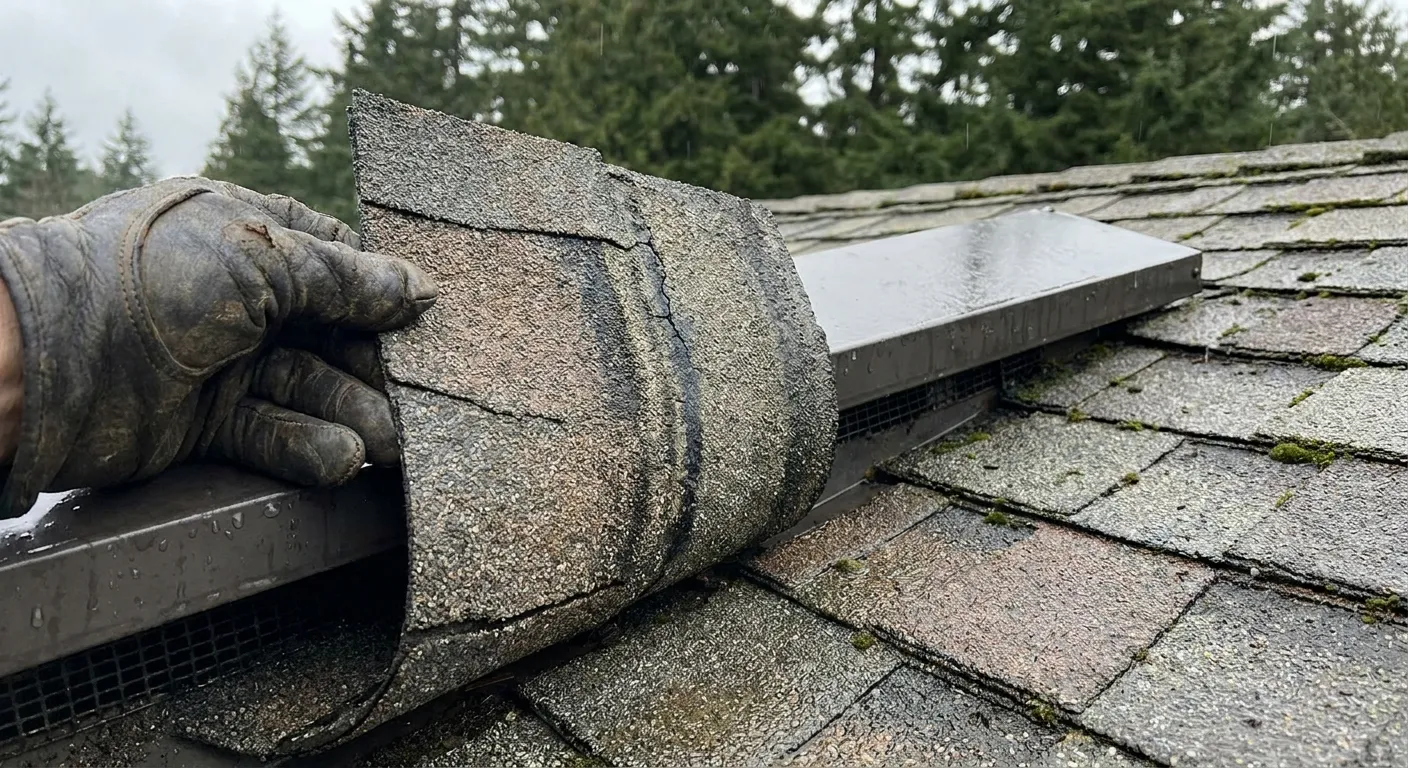
When it comes to creating a healthy, long-lasting roof, attic ventilation often doesn’t get the attention it deserves. Yet, proper ventilation is crucial for protecting your home from moisture buildup, temperature imbalances, and even structural damage. One popular option for improving attic airflow, especially in the Pacific Northwest, is roof ridge vents. But are they the right choice for your home? Roof ridge vents are designed to allow warm, moist air trapped in your attic to escape through the highest point of the roof. This type of ventilation helps regulate temperature, reduce humidity, and prevent problems like condensation, mold, and wood rot. For areas with a wet climate like the Pacific Northwest, effective ventilation can significantly extend the lifespan of your roof while protecting your home from costly water damage. However, installing ridge vents isn’t always a simple decision. Their effectiveness depends on several factors, including balanced intake and exhaust ventilation, proper installation, and your home’s specific needs. In this article, we’ll explore the **pros and cons of roof ridge vents** so that you can make an informed decision for your home. You’ll learn how ridge vents work, their benefits for moisture control and roof longevity, potential challenges with installation, and when to consider alternatives like box vents. By understanding these key points, you’ll be better prepared to decide if ridge vents are the right ventilation solution for your roof and how to ensure they perform as intended. Let’s dive in.
We believe in preparing for the future without sacrificing today.

Mon-Fri Open: 7am–6pm
Sat (Closed)
Sun (Closed)
Address: 28421 85th Ave S, Kent, WA 98032