Roof Replacement Cost Seattle: 2026 Price Guide for Homeowners
A roof replacement is one of the largest home projects you may plan, but the final number is rarely as simple as a price per square foot. Two Seattle homes with similar roof sizes can receive very different estimates based on roof pitch, material choice, old roof removal, access, permits, and the condition found beneath the existing shingles. Knowing what drives the roof replacement cost Seattle homeowners can expect in 2026 helps you look beyond the bottom-line total and make a more informed decision.
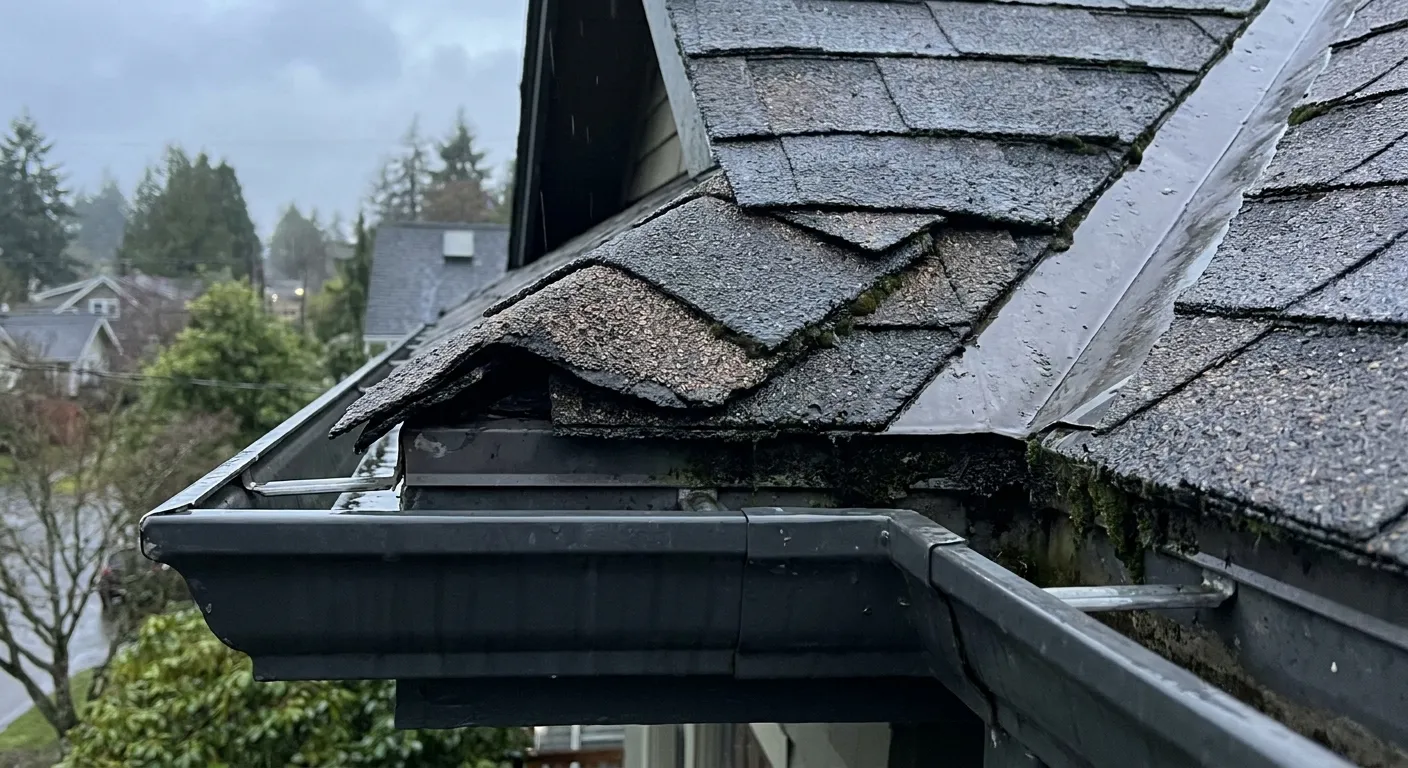
That matters in a climate where roofs work hard year-round. Seattle’s long wet seasons, wind, moss growth, and trapped moisture can shorten the life of aging roofing materials and expose weak spots around flashing, valleys, skylights, and vents. A roof that is nearing the end of its service life may not fail all at once. It may first show up as curling shingles, recurring leaks, granules in gutters, damp attic areas, or moss that keeps returning. Waiting until water reaches the ceiling can turn a planned replacement into a more urgent project involving interior repairs and damaged decking.
Seattle roof replacement pricing also reflects local conditions that are easy to miss when comparing online averages. A low-slope roof with easy access may require less labor than a steep roof with multiple dormers, valleys, and hard-to-reach sections. A home that needs a full tear-off, moss cleanup, deck repairs, or extra safety setup will have different needs than one receiving a straightforward installation. Permit requirements, disposal, and possible historic district rules can also affect the timeline and total cost.
Material selection is another major piece of the decision. Asphalt and architectural shingles often provide a practical balance of cost and performance, while metal, cedar, slate, and flat-roof membranes have different installation needs, lifespans, and maintenance demands. Comparing architectural shingles and composition shingles or reviewing the tradeoffs of metal roof vs. shingles can help clarify which option fits your home, budget, and long-term plans.
A clear roof replacement estimate should explain what is included, not leave you guessing. Labor, materials, underlayment, flashing, tear-off, debris disposal, permits, and any needed repairs should be easy to identify. This guide breaks down 2026 Seattle cost ranges by roofing material, explains the local factors that can raise or lower your total, and shows what to ask when comparing proposals. It will also help you understand when a targeted repair may still make sense and when replacement is the smarter way to protect your property.
Seattle Roof Replacement Costs in 2026: What Homeowners Need to Know
The roof replacement cost Seattle homeowners pay in 2026 is not one flat number. A complete price depends on the roofing material, roof size, tear-off needs, labor, permits, access, and the condition of the roof deck underneath the old roofing.
For example, two homes with the same square footage can have very different costs if one has a steep roof with dormers and skylights while the other has a simple, walkable roof. Seattle’s rainy climate also adds practical concerns, including moss growth, moisture damage, weather-safe scheduling, and durable flashing details.
A reliable estimate separates these costs instead of hiding them in one vague total. This guide explains the main price layers so homeowners, property managers, and investors can compare bids with more confidence.
Why Roof Replacement Costs Vary So Much in Seattle
Roof size is important, but it is only the starting point. The final price also changes based on roof pitch, material selection, accessibility, old roofing layers, and details such as chimneys, valleys, vents, and skylights.
Seattle’s long wet seasons can expose issues that are not obvious from the ground. Moss may hold moisture against shingles, old flashing may be worn, and roof decking can show decay only after the old roof is removed. These are real project conditions, not reasons for vague pricing.
What This Guide Will Cover
The sections below explain material costs, roofing cost per square foot, labor, tear-off, disposal, permits, moss prep, historic-home requirements, and ways to compare a roof replacement estimate Seattle homeowners can trust.
Average Roof Replacement Cost Seattle Homeowners Can Expect
For planning purposes, a typical Seattle roof replacement can range from roughly $15,000 to $35,000 or more for many single-family homes using architectural shingles. Smaller, simpler roofs may fall below this range, while large, steep, complex, or premium-material roofs can exceed it.
The best way to use any price range is as a budget starting point. A detailed inspection and written scope are needed to price a specific property accurately.
Roof Replacement Cost Per Square Foot
Roofing contractors often price projects by the square foot of roof surface, not the square footage inside the house. A 2,000-square-foot home can have much more or less than 2,000 square feet of roof, depending on its shape and number of stories.
Broad installed planning ranges for Seattle may include:
- Architectural asphalt shingles: about $7 to $14 per square foot
- Standing seam metal: about $14 to $25 or more per square foot
- TPO flat roofing: about $9 to $16 per square foot
- PVC membrane roofing: about $11 to $18 per square foot
- Cedar or slate systems: often $15 to $50 or more per square foot, depending on the material and installation needs
These ranges may include different scopes from one contractor to another. They should not be treated as a final quote.
Total Project Cost Matters More Than a Single Rate
A low per-square-foot number can leave out important work. When comparing Seattle roof replacement pricing, look at the entire scope, including:
- Roofing materials and installation labor
- Tear-off and disposal of existing roofing
- Underlayment, ice and water protection where needed, and ventilation
- Flashing around chimneys, skylights, walls, and vents
- Permit handling and inspection coordination
- Deck repair allowances and cleanup
A complete estimate makes it easier to see whether one bid is truly lower or simply missing necessary line items.
Why Seattle Pricing Can Run Above National Averages
Seattle roofing projects can cost more than national averages because local labor, insurance, safety requirements, disposal, and scheduling conditions differ by market. Steep terrain, limited driveway access, narrow streets, and multi-story homes can also make material delivery and debris removal more involved.
Rain and wind do not stop every roofing project, but they require careful planning. Crews need dry, safe conditions for key installation steps and must protect exposed areas if weather changes. That preparation is part of doing the work responsibly.
Roof Replacement Cost Seattle by Material
Material choice is one of the largest parts of a new roof cost Seattle homeowners should consider. The right option depends on budget, roof shape, desired lifespan, maintenance expectations, and the building’s style.
Asphalt Shingles and Architectural Shingles
Asphalt shingles are common on Seattle homes because they offer a practical balance of price, appearance, and repairability. Basic three-tab shingles are generally the lower-cost option, although architectural shingles are more common for full replacements.
Architectural shingles are thicker, layered shingles with more dimension and often better wind resistance than basic shingles. Installed architectural shingles commonly fall around $7 to $14 per square foot in Seattle, depending on roof complexity, tear-off needs, and product selection.
With proper installation and maintenance, asphalt roofs can provide many years of service. However, moss control, clear gutters, sound flashing, and attic ventilation are especially important in the Pacific Northwest. Learn more about asphalt roofing in Seattle, including costs, shingles, and lifespan before selecting a system.
For many homeowners, architectural shingles offer a sensible middle ground between upfront cost and long-term appearance. It is also helpful to understand the differences in architectural shingles vs. composition shingles.
Metal Roofing Cost in Seattle
Metal roofing, especially standing seam metal, costs more upfront than asphalt. A typical standing seam metal roof cost in Seattle may range from about $14 to $25 or more per square foot installed. Complex roof lines, custom flashing, premium finishes, and difficult access can raise that number.
Many owners choose metal because it is durable, sheds water well, and generally needs less maintenance than many other roofing materials. It can be a good fit for owners planning to stay in a home for a long time or for properties where long service life is a major goal.
Metal is not automatically the best choice for every house. Noise, style, budget, roof geometry, and local design rules all matter. Review the practical tradeoffs in this guide to standing seam metal roof pros and cons.
Flat Roof Replacement Cost in Seattle
Low-slope and flat roof areas are common on additions, garages, modern homes, and multifamily buildings. These roofs use membrane systems rather than shingles because water must be directed to drains, scuppers, or gutters with careful seam and flashing work.
A Seattle flat roof replacement cost may fall around $9 to $16 per square foot for TPO and $11 to $18 per square foot for PVC membrane roofing, depending on insulation, drainage, penetrations, access, and tear-off.
TPO is a widely used single-ply membrane that can offer solid value. PVC usually costs more but is often selected for its strong seam performance and chemical resistance. On either system, proper drainage is essential. Ponding water, clogged drains, and weak perimeter flashing can shorten the roof’s useful life. Read more in this flat roof replacement cost guide.
Cedar, Slate, and Other Higher-End Roofing Materials
Cedar, slate, and other premium roofing materials usually have higher installation costs. Cedar requires skilled installation and ongoing maintenance in Seattle’s damp climate. Slate is heavy and may require the structure to support its added load. Both can involve specialized labor and more detailed flashing work.
These materials can be appropriate for certain homes, particularly historic or high-end properties, but they should be chosen with a clear understanding of maintenance, structural requirements, and future repair costs.
How Material Choice Affects Long-Term Value
The least expensive roof today is not always the least expensive over time. Consider the expected service life, maintenance requirements, repair availability, and resale plans.
An owner of a rental property may prefer a dependable asphalt system with straightforward repairs. A homeowner planning to remain in place for decades may consider metal if the higher initial cost fits the budget. The right material is the one that matches the property and financial plan.
What Drives Roof Replacement Cost Seattle Estimates Higher or Lower
A transparent estimate should explain what makes a project simple or complex. These conditions are often the reason estimates differ.
Roof Size and Total Surface Area
Larger roofs need more shingles or membrane, underlayment, fasteners, flashing, labor, and disposal capacity. Contractors measure the full roof surface, including slopes, overhangs, and sections that may not match the home’s interior square footage.
Roof Pitch, Steepness, and Access
A steep roof pitch increases labor time and safety requirements. Workers may need roof jacks, harness systems, staging, and additional setup. A steep pitch roof surcharge reflects the slower, more demanding work required to install materials safely and correctly.
Access also matters. A home with a long carry distance, limited parking, landscaping that needs protection, or restricted equipment access can require more labor than a home with an open driveway.
Roof Complexity, Dormers, Valleys, and Skylights
Simple gable roofs are generally less expensive than roofs with multiple planes and transitions. Dormers, valleys, skylights, chimneys, wall intersections, and vent penetrations need careful cutting and flashing.
These details are important because they manage water flow. More details mean more labor and materials, but skipping proper flashing is not a meaningful savings.
Tear-Off and Disposal as Separate Line Items
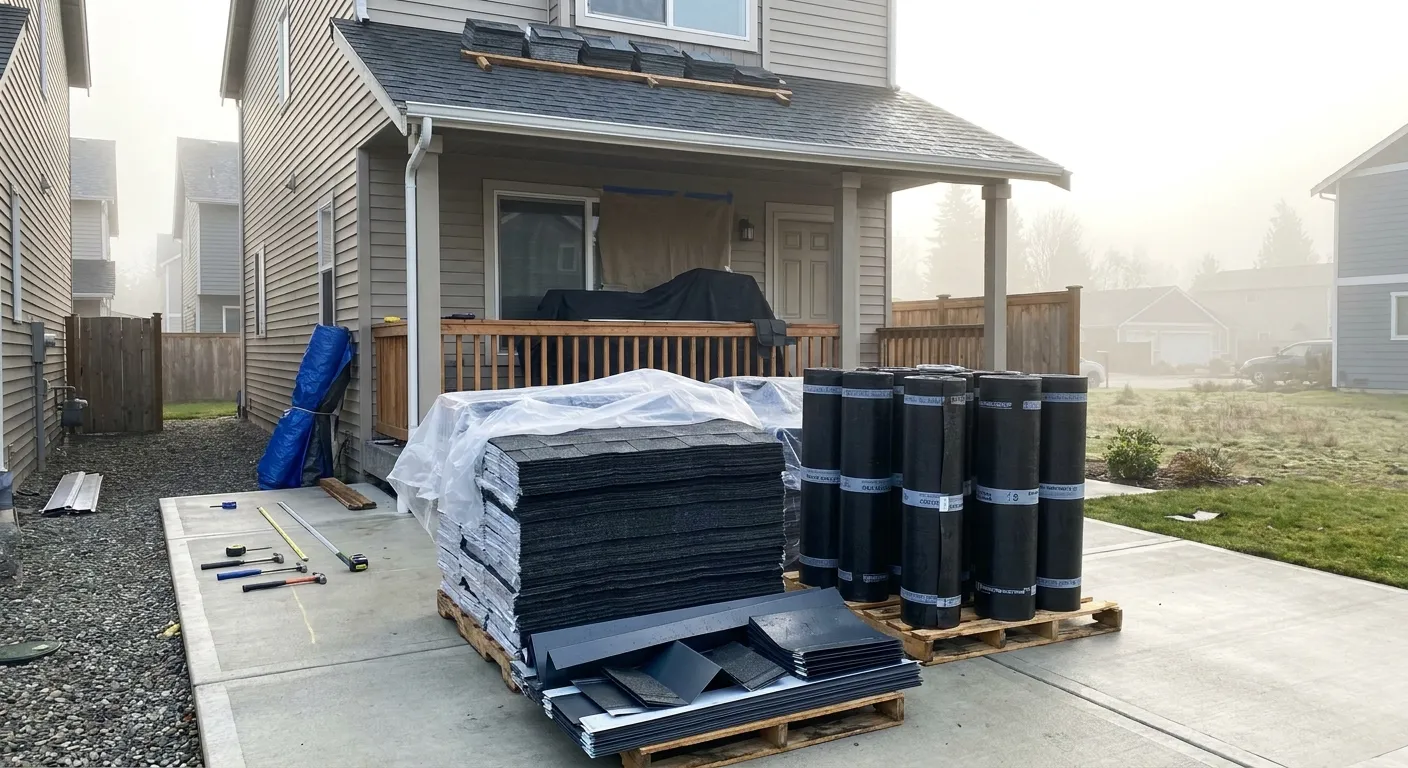
A roof tear-off cost includes removing existing roofing, loading debris, hauling it away, and paying disposal fees. It may also include protecting landscaping and cleaning up nails with magnets.
Multiple existing layers increase labor and disposal costs. Some roofs can be installed over an existing layer in limited circumstances, but a full tear-off often gives the contractor a better chance to inspect the deck and correct hidden problems.
Hidden Damage Found During Tear-Off
Roof deck repairs, rotten fascia, damaged sheathing, and failed flashing may not be visible until old roofing is removed. This does not mean every project will need repairs. It means the estimate should explain how unexpected conditions will be documented and priced if found.
Ask whether the contractor will provide photos and approval before completing additional deck repair work.
Labor Rates in Seattle
Roofing labor rates Seattle homeowners see reflect skilled installation, insurance, safety practices, local demand, and project conditions. Labor is not just nailing shingles. It includes setup, tear-off, weather protection, flashing installation, cleanup, and quality control.
A bid that is much lower than others may have a smaller scope, lower-grade materials, limited protection work, or missing permit and disposal costs. Comparing line items is more useful than comparing totals alone.
Seattle-Specific Costs That Can Affect a Roof Replacement Estimate
Seattle has cost layers that national roofing averages often miss. Moss remediation, steep-pitch labor, historic review, and permit timelines can all affect the final budget.
Moss Removal and Roof Prep Before Installation
Moss removal roofing work can be a real pre-installation cost in Seattle. Moss and algae can trap moisture, hide cracked shingles, and make walking on the roof less safe. Heavy growth may need to be removed before crews can inspect the roof surface and determine where damage exists.
The moss mitigation cost before roof replacement Seattle homeowners see depends on the amount of growth, roof pitch, access, and disposal needs. It is not always a separate major project, but it should be discussed early rather than discovered on installation day.
Permits and Inspection Requirements in Seattle
Seattle roofing permits may be required depending on the scope of work, structural changes, property type, and code requirements. A straightforward roof covering replacement may be treated differently from a project involving structural repairs, changes to roof framing, or major alterations.
Ask early how Seattle building permit roofing requirements apply to your project, who pulls the permit, and whether permit fees are included in the price. Seattle DCI review and inspection timing can also affect the project schedule, especially when repairs or design changes require added approvals.
Historic Home Roof Replacement in Seattle
Historic home roof replacement Seattle requirements and cost can be higher when a property is in a historic district or subject to design review. Material color, profile, and appearance may need approval before work begins.
This can limit material choices or require a closer match to the original roof. Owners should allow extra time for planning and avoid ordering materials before confirming applicable requirements.
Weather, Moisture, and Seasonal Timing
Seattle rain, wind, and moisture can affect scheduling, but a professional contractor plans around weather conditions rather than rushing critical work. Wet-season projects may require more coordination to protect the structure and keep materials dry.
Scheduling during a drier period can sometimes simplify logistics, but urgent leaks should not be ignored. Temporary protection or targeted repair may be appropriate while a full replacement is planned.
Underlayment, Flashing, and Ventilation Upgrades
A replacement is the right time to address components that are difficult to access later. Underlayment provides a secondary water-shedding layer beneath the main roof covering. Flashing directs water away from vulnerable areas around chimneys, skylights, vents, and walls.
Ventilation also matters. Balanced attic intake and exhaust can help manage heat and moisture. These upgrades add to the project scope, but they support the performance of the new roof in Seattle’s damp climate.
When Repair May Be Enough Instead of Full Replacement
Not every roof problem requires a full replacement. A focused repair can be the better financial decision when the rest of the system is in good condition.
Signs a Repair May Be the Better Option
Repair may make sense when damage is limited, such as a small flashing leak, a few missing shingles after wind, or a localized puncture on a membrane roof. A relatively young roof with good overall condition may not need replacement for one isolated issue.
When Replacement Is Usually the Smarter Choice
Replacement is often more practical when a roof has repeated leaks, widespread shingle loss, advanced granule wear, extensive moss-related deterioration, or aging materials near the end of their service life.
Continually repairing different sections can become harder to budget for and may not solve underlying deck, ventilation, or flashing problems. Replacement allows the full roofing system to be evaluated together.
Why an Inspection Helps Decide
A professional inspection helps separate local damage from widespread wear. It can identify whether water is entering through flashing, shingles, penetrations, or a larger system failure. This information reduces guesswork before spending money on repairs or signing a replacement contract.
How to Compare a Roof Replacement Estimate Seattle Homeowners Can Trust
A good estimate is detailed enough that you can understand what is being installed, removed, and handled by the contractor.
What a Complete Estimate Should List
Look for clear information about:
- Materials, including manufacturer, product line, and color when selected
- Labor and installation scope
- Tear-off and disposal
- Underlayment, flashing, ventilation, and pipe boots
- Permit fees and permit responsibility
- Deck repairs or the process for approving them if needed
- Site protection, cleanup, and debris removal
Questions to Ask Before You Hire
Before choosing a contractor, ask:
- What is included in the total price, and what is excluded?
- How are permit fees and inspections handled?
- Could moss removal, deck repair, or extra flashing add cost?
- What manufacturer warranties apply to the roofing material?
- What workmanship coverage is provided?
- How will the property be protected during tear-off and weather changes?
These questions help you compare the same scope of work instead of choosing based only on the lowest number.
Red Flags in Roofing Quotes
Be cautious with estimates that list only a total price, use vague material descriptions, or do not mention tear-off, flashing, disposal, and permits. An unusually low quote may leave out important work that later becomes an added charge.
Clear pricing does not guarantee that no hidden conditions will appear. It does show that the contractor has taken the time to explain the known scope and the process for handling the unknowns.
Planning the Right Roof for Your Home and Budget
The best roof is not always the most expensive option. It is the system that fits the building, local conditions, maintenance plan, and ownership goals.
Matching the Roof to the Property
A simple single-family home may be well suited to architectural shingles. A low-slope addition may need TPO or PVC. A historic home may have appearance restrictions, while a rental or investment property may prioritize predictable maintenance and repair options.
Roof shape, tree cover, nearby vegetation, drainage, and exposure to wind should all be part of the decision. Homes surrounded by trees may need a stronger moss maintenance plan regardless of roofing material.
Thinking About Short-Term Cost and Long-Term Value
Compare the initial installation cost with expected lifespan, maintenance, repair needs, and the likelihood of future reroofing during your ownership period. A higher upfront cost can make sense when it reduces maintenance demands or better matches a long-term property plan.
For a closer comparison of metal and asphalt options, review metal roof vs. shingles.
Conclusion: Get a Clear Seattle Roof Replacement Estimate
The roof replacement cost Seattle property owners pay depends on more than material price. Roof size, pitch, access, tear-off, labor, permits, moss preparation, flashing, ventilation, and potential deck repairs all affect the final number.
Next Step for Seattle Homeowners
If you have leaks, moss buildup, aging shingles, recurring repairs, or concerns about hidden moisture damage, start with a detailed inspection and written scope. A clear estimate makes it easier to compare materials and make a sound budget decision.
To discuss your project with a local roofing professional, contact Roof Pros NW or schedule an estimate through the Roof Pros NW booking page.
Conclusion
A Seattle roof replacement is rarely a one-price job. The final cost depends on the roof’s size, pitch, access, material choice, tear-off needs, labor, permits, and any hidden damage found once the old roofing comes off. For homeowners and property owners, the most useful takeaway is that a good estimate should explain each part of the project, not just give a single number.
In Seattle, weather adds another layer to the decision. Long wet seasons, moss growth, moisture exposure, and storm-related wear can all affect both the condition of the roof and the work needed to replace it. That is why it helps to look beyond the surface. A roof that seems fine from the ground may still have worn flashing, soft decking, poor ventilation, or hidden leaks that only show up during a close inspection. These details matter because they affect both the price and the long-term performance of the new roof.
Material choice also plays a big role. Architectural asphalt shingles remain a practical option for many homes because they balance cost, appearance, and repairability. Metal roofing can cost more upfront, but it may offer strong durability for owners planning to stay in the home for many years. Flat roof systems, cedar, slate, and other specialty materials each come with their own cost range, maintenance needs, and installation challenges. The best choice depends on the roof structure, the property’s goals, and the budget available now and in the future. If you want to compare common asphalt options more closely, this guide on asphalt roofing in Seattle, including costs, shingles, and lifespan is a helpful place to start.
It is also important to remember that not every roof problem means full replacement. In some cases, a focused repair may be enough. But if the roof has repeated leaks, advanced wear, major moss buildup, or several problem areas at once, replacement may be the smarter long-term choice. That is especially true when the roof is near the end of its useful life or when repair costs keep adding up without fixing the root cause.
The best next step is a detailed inspection and a written estimate that clearly lists materials, labor, tear-off, flashing, underlayment, ventilation, permits, and any possible deck repair. That kind of scope helps you compare bids fairly and avoid surprise costs later. If your roof has signs of age or damage, or if you are trying to decide between repair and replacement, Roof Pros NW can help you review the condition of the roof and talk through the options. You can contact Roof Pros NW or schedule an estimate to get started.
Understanding the roof replacement cost in Seattle starts with more than a single price tag. Material choice, roof size, tear-off needs, labor, permits, and Seattle-specific factors like moss removal and steep roof pitches can all change the final total. These key takeaways break down the biggest cost drivers so you can compare estimates with more confidence.
- Expect Seattle roof replacement costs to include several layers: The final price is usually more than just shingles or panels because labor, tear-off, disposal, permits, and prep work all add to the total.
- Material choice has a major impact on price: Asphalt shingles, architectural shingles, metal, flat membrane systems, cedar, and slate all come with different installed costs, lifespans, and maintenance needs.
- Roof size and complexity change the total fast: Bigger roofs, steep pitches, multiple valleys, dormers, and hard-to-reach areas usually cost more because they take more time and labor.
- Tear-off and disposal should be listed separately: Removing the old roof and hauling away debris is often a separate line item, and it can make a real difference in your estimate.
- Seattle labor rates can push prices above national averages: Local roofing labor often costs more than basic national pricing, especially for complex jobs or homes that need extra safety setup.
- Moss removal and roof prep may be needed before replacement: In Seattle’s wet climate, moss, algae, and trapped moisture can require extra cleanup or repair before the new roof goes on.
- Steep-pitch roofs usually cost more to replace: A steep roof can require more time, more safety gear, and more labor, which can lead to a surcharge on the project.
- Permits and inspections may add time and cost: Seattle roofing projects may need permits or inspections, so it helps to ask about those fees early in the estimate process.
- Historic homes can have extra rules and material limits: If your home is in a historic district or subject to design review, roofing choices may be more limited and the project may take longer.
- Repair may be enough if the damage is limited: If the roof is otherwise in good shape, a repair may solve the issue, but widespread wear, leaks, or age often point to full replacement.
- Clear estimates make it easier to compare contractors: A good roof replacement estimate should explain material costs, labor, tear-off, permits, and any Seattle-specific add-ons in plain language.
- Roof Pros NW can help you see the full picture: A local contractor should break out each cost layer so you understand what you are paying for before you move forward.
With these points in mind, the full article will walk through Seattle roof replacement pricing in more detail, including material-by-material cost ranges, local add-ons, and what homeowners should look for in a trustworthy estimate.
Plan Your Roof Replacement With Confidence
Understanding your material options, costs, and replacement timeline is a great first step. The next step is getting advice based on your actual roof, budget, and long-term goals. Roof Pros NW offers roof replacement consultations to help you make a clear, informed decision before scheduling work.
A professional consultation can help you:
- Identify whether replacement is the right choice now
- Compare shingles, metal, and flat-roof material options
- Understand the scope of work and expected timeline
- Get a detailed estimate with no confusing guesswork
- Choose a durable roofing system suited to your home
Roofing schedules can fill quickly, especially during busy weather seasons. Getting an estimate now gives you time to compare options and plan your project without feeling rushed.
Ready to take the next step? Schedule your roof replacement consultation with Roof Pros NW.
How much does roof replacement cost in Seattle for a typical single-family home?
The cost depends on roof size, pitch, material, tear-off needs, access, labor, permits, and any deck repairs found during the job. In Seattle, weather, moss, and steep roofs can also change the price. Roof Pros NW can inspect the roof and give you a clear estimate based on your home.
How much does a standing seam metal roof cost in Seattle?
The price depends on roof size, roof shape, pitch, flashing details, access, and whether the old roof must be fully removed. Standing seam metal usually costs more upfront than asphalt because it takes more skill and time to install. Roof Pros NW can review your roof and explain whether metal is a good fit for your budget and goals.
What does TPO flat roof replacement cost in Seattle?
TPO pricing depends on roof size, drainage, insulation, seams, penetrations, access, and whether tear-off or repairs are needed first. Flat roofs often need careful detailing around edges and drains, which affects labor and materials. Roof Pros NW can inspect the roof and provide a written estimate for your flat roof project.
Does roof pitch affect roof replacement cost in Seattle?
Yes. Steeper roofs usually cost more because they take more time, more safety setup, and more skilled labor. A steep roof can also make tear-off, flashing, and material handling more difficult. Roof Pros NW can evaluate the pitch and explain how it affects your estimate.
What should be included in a roof replacement estimate from a Seattle roofing contractor?
A clear estimate should list materials, labor, tear-off, disposal, underlayment, flashing, ventilation work, permit handling, cleanup, and any deck repairs if needed. It should also explain what is not included so there are no surprises later. Roof Pros NW can provide a detailed estimate so you can compare your options with confidence.
