Storm Damage Roof Repair Seattle: Spot Damage and File a Claim
A Seattle windstorm can damage a roof without leaving a single obvious hole. A few lifted shingles, a bent piece of flashing, or a branch that scraped the surface may look minor from the ground. Yet each can create a path for rain to reach the layers beneath your roofing. In the Pacific Northwest, where heavy rain can follow strong winds for days, small storm-related damage can turn into a roof leak, damp insulation, stained ceilings, or wood rot if it is not found early.
That is why storm damage roof repair Seattle homeowners can trust begins with knowing what to look for and what not to do. After a storm, it is tempting to climb a ladder, clear every fallen branch, and move on. But walking on a wet or damaged roof is unsafe, and cleaning up too soon can remove evidence that may support an insurance claim. A safer first step is to inspect from the ground. Look for missing shingles in the yard, shingle pieces in gutters, bent metal around vents or chimneys, damaged gutters, and branches resting on the roof. Inside, check the attic and upper floors for fresh water stains, damp spots, drips, or a musty smell.
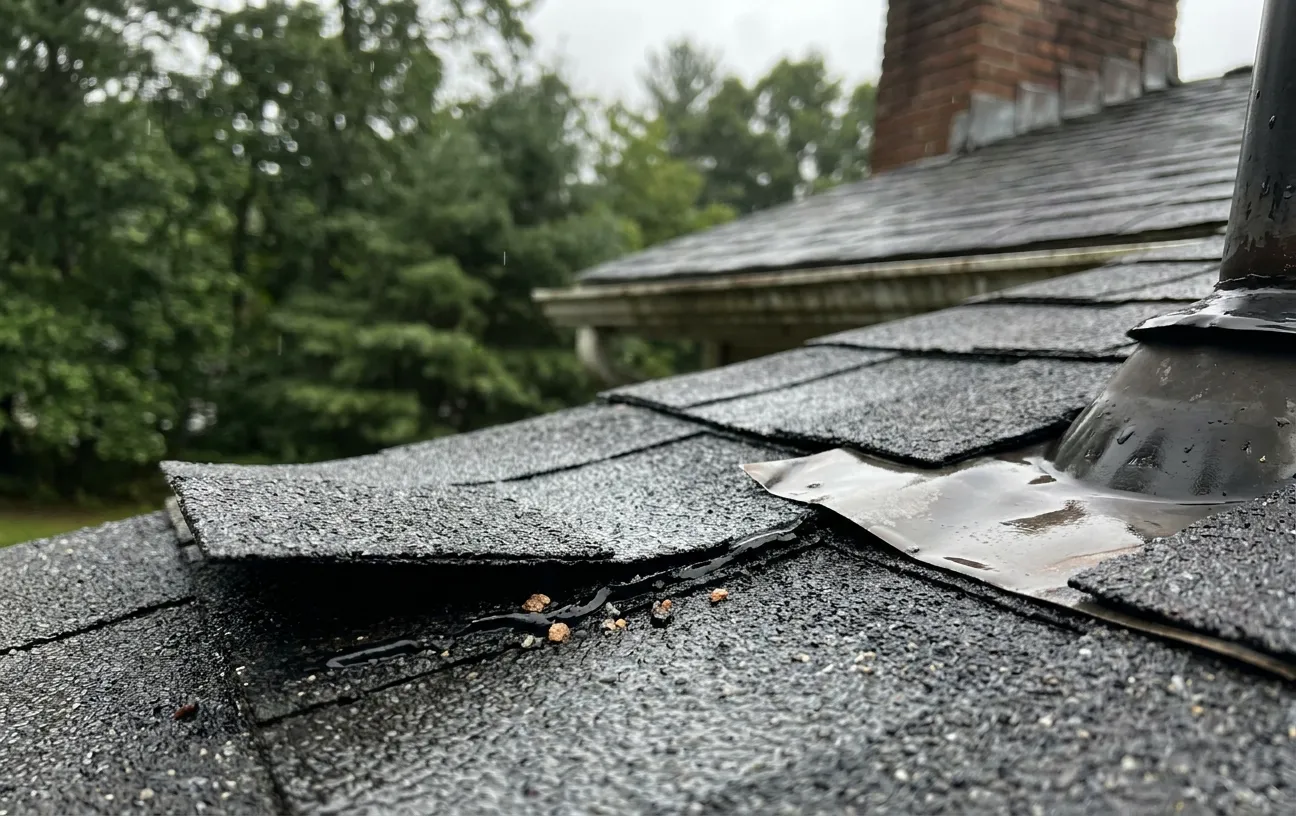
Not all damage is easy to see. Wind can loosen shingles without tearing them off, while a fallen limb can cause a membrane puncture beneath the surface. Dented flashing around skylights, vents, and chimneys can also allow water in long after the storm has passed. A professional roof inspection can help identify these hidden concerns before repeated rain makes the damage worse.
Good documentation matters just as much as a careful inspection. Before debris is removed or temporary repairs are made, take clear photos and videos of the roof, the surrounding property, fallen branches, damaged shingles, and any indoor signs of water intrusion. Note the storm date and keep records of any emergency tarping, cleanup, or repair estimates. This information can give your homeowner’s insurance adjuster a clearer picture of what happened and help separate sudden storm damage from normal roof wear.
A prompt response does not always mean a full roof replacement. Isolated shingle loss or minor flashing damage may be repaired, while widespread shingle uplift, repeated leaks, or deeper structural concerns may call for a larger solution. This guide explains how to spot wind and fallen branch damage safely, document it for a Seattle roof damage insurance claim, avoid common mistakes, and decide when it is time to contact Roof Pros NW for a detailed evaluation and repair estimate.
Seattle Storm Damage: What Wind and Fallen Branches Can Do to Your Roof
Seattle storms can damage a roof in ways that are not always obvious from the ground. Strong wind can lift shingles, drive rain beneath roof layers, and bend flashing around chimneys and vents. A fallen limb can crack shingles, puncture the waterproof membrane below them, or damage the roof deck.
Heavy rain often follows windstorms in the Pacific Northwest. That means even small openings can quickly allow water into the attic, insulation, ceilings, and walls. The goal after a storm is to spot damage safely, document it clearly, and decide whether you need a roofer, temporary protection, or an insurance claim.
Why Seattle Storms Create Roof Problems
Windstorms can break the adhesive seal that holds shingles down. Once shingles lift, wind-driven rain can reach the underlayment, which is the protective layer beneath the shingles. Atmospheric rivers add another concern because they can bring long periods of heavy rain that test every weak point on a roof.
Seattle’s wet climate also means roofs may already have moss, moisture buildup, or aging materials before a storm arrives. These conditions can make it easier for wind and rain to cause damage.
Why Small Damage Can Turn Into Bigger Repairs
A single lifted shingle or bent piece of flashing may not cause an immediate ceiling leak. However, repeated rain can work its way under the roof surface over time. Moisture may then affect the underlayment, roof deck, attic insulation, and wood framing.
Acting early can keep a limited repair from becoming a larger storm damage restoration project. The first step is a safe inspection from the ground and inside the home.
How to Check for Storm Damage Safely From the Ground
After a storm, avoid climbing onto a wet, steep, or visibly damaged roof. Wet roofing materials are slippery, and storm damage can make the surface unstable. Start from the yard, driveway, or sidewalk, then check the attic and upper floors for signs of water entry.
Start With a Ground-Level Roof Check
Walk around the property slowly and look at each roof slope from several angles. Use binoculars only if you can do so safely. Look for debris and damage near roof edges, valleys, and areas around roof openings.
Watch for:
- Branches resting on the roof, even if they seem small
- Shingles or shingle pieces in the yard, driveway, or gutters
- Bent gutters, downspouts, soffits, or fascia boards
- Debris piled near chimneys, vents, skylights, and valleys
- Sections of roof that look uneven, exposed, or darker than surrounding areas
Do not pull a branch off the roof yourself if it is large, tangled in power lines, or appears to have shifted roofing materials. Moving it can worsen hidden roof damage.
Signs of Wind Damage Roof Repair Seattle Homeowners Should Watch For
Wind damage can be subtle. A roof may still look mostly intact while individual shingles or flashing pieces have been weakened. Common signs that may call for wind damage roof repair Seattle homeowners should address include:
- Missing shingles or bare spots
- Lifted, curled, creased, or flapping shingles
- Exposed underlayment beneath missing shingles
- Granules or shingle fragments collecting in gutters
- Bent, loose, or dented metal flashing
- Damaged fascia, soffits, or roof-edge trim
- A ridge cap that looks loose or out of line
Take photos from the ground before removing debris or cleaning gutters. These images may be useful if you need to show the condition of the roof shortly after the storm.
Check Inside for Early Leak Signs
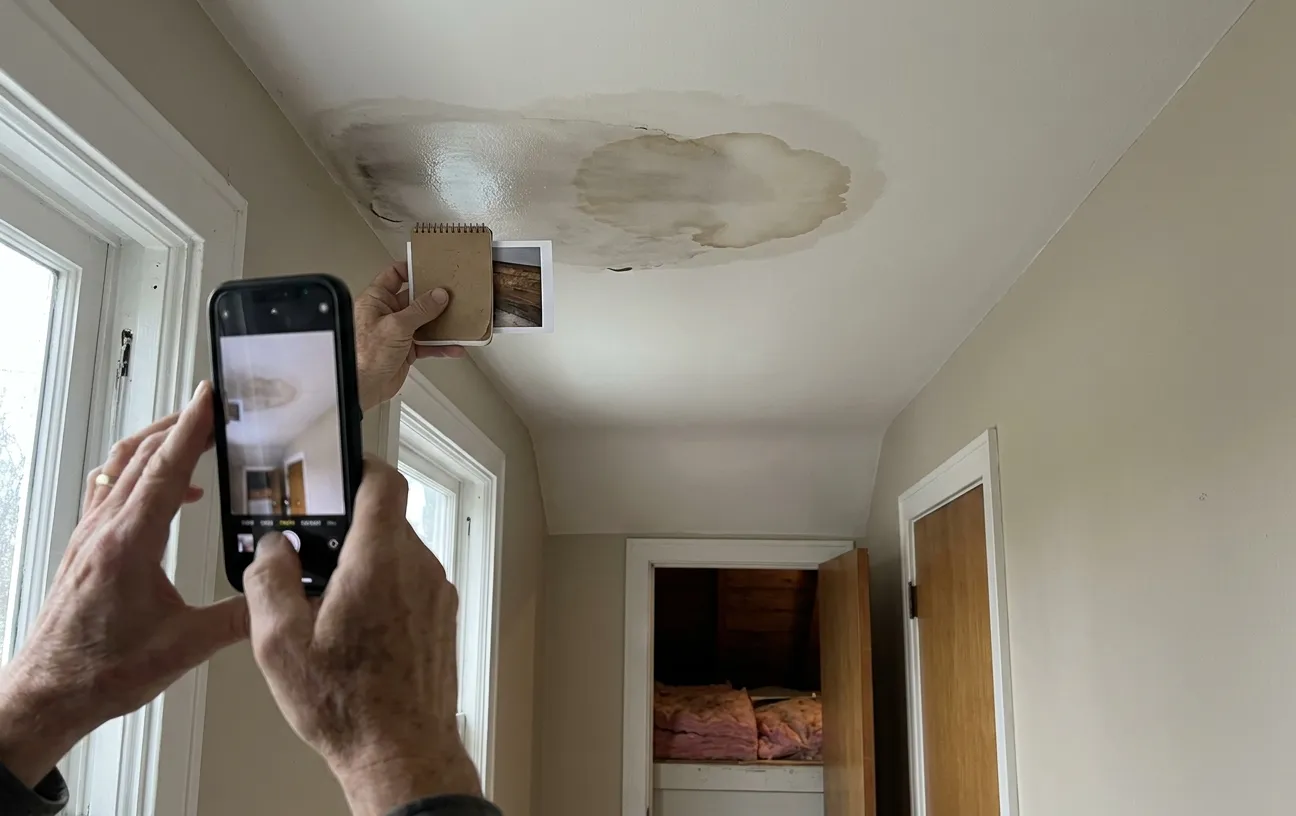
A roof leak after storm conditions may appear indoors before the exterior damage is easy to see. Check the attic with a flashlight when it is safe to do so. Look at the ceilings and upper walls in bedrooms, hallways, and closets as well.
Possible signs include damp insulation, dark wood, water stains, drips, peeling paint, bubbling drywall, or a musty odor. Water may travel along framing before it reaches a ceiling, so the visible stain may not sit directly below the damaged roof area.
Hidden Roof Damage You May Miss After a Fallen Branch or Windstorm
Visible missing shingles are only part of the picture. Wind and fallen branches can create damage under the roof surface, especially around seams and roof penetrations. This is why surface photos alone may not fully show the scope of a loss.
Membrane Punctures and Soft Spots
A branch does not need to punch a large hole through the roof to create a problem. It can crack a shingle or press hard enough to puncture the membrane beneath it. The membrane is a water-resistant layer that helps protect the roof deck.
These punctures can cause slow leaks that become noticeable weeks later. A soft or depressed spot may also indicate damaged decking beneath the shingles. Because these problems are often hidden, they should be checked by a roofing professional rather than tested by walking on the roof.
Dented or Displaced Flashing
Flashing is the metal material installed around chimneys, vents, skylights, walls, and other roof transitions. It directs water away from gaps where leaks are more likely to begin.
A branch impact or strong wind can dent, loosen, or shift flashing without removing it completely. Even a small gap can allow rain to enter during the next Seattle downpour. Dented flashing should not be dismissed as cosmetic until its seal and surrounding materials have been inspected.
Shingle Uplift and Weak Seal Strips
Wind can lift shingles without tearing them off. This is called shingle uplift. When uplift breaks the seal strip beneath a shingle, the shingle may lie flat again after the storm but remain vulnerable to future wind and rain.
This type of damage is easy to miss from the ground. During the next heavy rain, water can be pushed under the weakened shingle and reach the underlayment.
Why a Roof Storm Damage Inspection Seattle Homeowners Can Trust Matters
A professional inspection can identify hidden membrane punctures, shifted flashing, damaged seal strips, and other conditions that are difficult to confirm safely from the ground. It also provides a clear record of what was found and what repairs may be needed.
For a closer look after a storm, review the value of reliable local roof inspections. Clear findings can help you make informed repair and insurance decisions.
What to Document Before You Clean Up
Document the damage before cleanup whenever possible. Branches, shingle pieces, standing water, and damaged gutters may help show what happened during the storm. You can still take reasonable steps to prevent further damage, but photographs and notes should come first if conditions are safe.
Take Photos and Videos Right Away
Use your phone to take wide photos of the house, roofline, yard, and damaged areas. Then take closer photos of shingle debris, branches, bent gutters, and visible roof damage. A short video walking around the property can provide useful context.
Do not climb onto the roof just to get close-up images. Ground-level photos, attic photos, and a professional inspection are safer and more useful than risking an injury.
Capture Interior and Exterior Evidence
Document any water intrusion inside the home. Photograph stains, damp drywall, wet insulation, drips, and damaged belongings. If safe, photograph the attic framing and underside of the roof where moisture is visible.
Make a simple written record that includes:
- The date and approximate time of the storm
- What you observed, such as strong wind, heavy rain, or a fallen branch
- When you first noticed exterior or interior damage
- Steps you took to reduce further water intrusion
This roof damage documentation helps create a timeline for a homeowner’s insurance adjuster.
Keep Records of Temporary Repairs
If emergency tarping, debris removal, or temporary roof protection is needed, keep all receipts, invoices, and before-and-after photos. Save written communications with your insurer and roofing contractor as well.
Clear records can support a Seattle roof damage insurance claim by showing that you acted reasonably to limit further damage while preserving evidence of the original storm event.
Emergency Roof Protection: What to Do If Water Is Getting In
If water is actively entering the home, focus on safety and limiting additional damage. Move valuables away from the leak, place containers under drips, and avoid electrical fixtures or outlets near water. Temporary protection is not a permanent repair, but it can be important while you arrange an inspection.
When Emergency Tarping Makes Sense
Emergency tarping may be appropriate after a branch impact, missing shingles, exposed roof layers, or active leaking. A properly installed tarp can temporarily cover the damaged area and reduce water entry.
Tarping should be treated as a short-term measure. The roof still needs a full inspection and repair plan once weather and safety conditions allow.
What Not to Do After Storm Damage
Avoid choices that can create more damage or weaken an insurance claim:
- Do not walk on a wet or visibly damaged roof.
- Do not throw away broken shingles or branch debris before photographing it.
- Do not pressure wash or aggressively clean a damaged roof.
- Do not assume there is no issue because the ceiling is dry today.
- Do not delay if roof layers are exposed or water is entering the home.
When to Call for Emergency Roof Repair Seattle Help
Call for emergency roof repair Seattle help when there is an active leak, a large branch impact, exposed underlayment, major shingle loss, or visible structural roof damage. These conditions can worsen quickly during continued rain.
For more warning signs, see top signs you need immediate roof repair. Fast temporary protection can reduce water damage while permanent repairs are planned.
How to File a Roofing Insurance Claim in Seattle
Filing a roofing insurance claim in Seattle usually involves documenting the event, notifying the insurer, arranging inspections, and reviewing the claim decision. Policy terms vary, so read your policy carefully and ask your insurer direct questions about coverage.
Step 1: Review Your Policy and Start the Claim Promptly
Check whether your policy covers wind, falling objects, water damage caused by a covered roof event, and emergency mitigation. Many policies distinguish between sudden storm damage and long-term wear or maintenance issues.
Contact your insurer soon after the storm if you believe covered damage occurred. Ask about claim deadlines, emergency repair requirements, deductibles, and whether they need specific documentation before repairs begin.
Step 2: Share Strong Documentation
Provide photos, videos, storm dates, written observations, receipts, and records of temporary repairs. Strong documentation makes it easier to show that the damage happened suddenly and was connected to a specific weather event.
Include both broad and detailed images. For example, show the branch on the roof, the damaged shingle area, and any related interior moisture. This helps connect the exterior event to the interior damage.
Step 3: Schedule a Roofer Inspection Before or During the Claim
A roofer can identify visible and hidden storm damage, explain the condition of the roof, and prepare a written repair or replacement estimate. This can help separate recent wind or impact damage from older wear.
If you are unsure how soon should I get a roof inspection after a windstorm in Seattle, the practical answer is as soon as it is safe, especially when shingles are missing or water has entered the home. You can schedule your free roof inspection today to begin documenting the condition.
Step 4: Meet With the Insurance Adjuster
The homeowner’s insurance adjuster may inspect shingles, flashing, gutters, vents, attic conditions, impact marks, and water stains. Be prepared to share your photos, notes, repair receipts, and contractor findings.
A roofer’s inspection does not replace the adjuster’s role, but it can help you understand the findings and ask informed questions about the scope of damage.
Step 5: Review the Claim Decision and Next Steps
A claim decision may include approval, partial coverage, a request for more information, or a finding that the damage is not covered. Review the estimate and decision carefully. If the insurer identifies wear and tear as a concern, compare that explanation with your storm documentation and professional inspection findings.
The right next step may be a targeted repair, a broader repair plan, or roof replacement if the storm exposed deeper system-wide problems.
Why Some Storm Damage Claims Get Denied
A denial does not always mean there was no roof damage. It may mean the insurer did not have enough evidence to connect the damage to a covered event or believed the condition resulted from age and maintenance issues. Good records and timely inspections can reduce confusion.
Poor Documentation Can Hurt a Claim
Without prompt photos, notes, and receipts, it can be difficult to show what the roof looked like right after a storm. Cleaning up all debris before documenting it can also remove useful evidence.
Photographing only a missing shingle may not tell the whole story. Capture nearby flashing, gutters, branch impact areas, attic moisture, and the overall roofline when possible.
Wear and Tear Can Be Confused With Storm Damage
Insurers may question claims when a roof already had curling shingles, moss growth, old flashing, repeated leaks, or visible aging. Does homeowner’s insurance cover missing shingles from wind damage in Washington? It may, depending on your policy and evidence that wind caused the loss. Coverage often depends on the sudden event, roof condition, and policy terms.
Regular maintenance records and prior inspection reports can be helpful when distinguishing old conditions from new damage.
Hidden Damage Needs Professional Support
Surface photos may not show membrane punctures, weak seal strips, lifted flashing, or soft spots in the roof deck. These are common forms of hidden roof damage from fallen branches homeowners miss.
A professional inspection can document consistent signs of impact and water entry. This may help explain why a repair is needed even when the roof does not have a large visible hole.
Repair or Replacement: How to Choose the Right Next Step
The decision between repair and replacement depends on the damage location, how much of the roof is affected, the roof’s age, leak history, and the condition of surrounding materials.
When Roof Repair May Be Enough
Repair may be appropriate when storm damage is isolated. Examples include a small number of missing shingles, limited flashing damage, or a localized branch impact with no widespread deck or membrane damage.
Quick repairs can restore water protection and help prevent a small opening from spreading into a larger leak.
When Roof Replacement May Be the Better Choice
Replacement may be a better option when there is widespread shingle loss, repeated leaking, extensive wind damage, major branch impact, or an older roof with multiple areas of deterioration. If damage affects the roof deck, underlayment, and surface materials, a simple patch may not address the full problem.
A roof replacement estimate should clearly explain the condition found and why a repair may not be sufficient.
Comparing Short-Term Cost and Long-Term Value
The lowest upfront price is not always the best choice. A small repair can make sense for a newer roof with isolated storm damage. But repeated repairs on an aging roof may cost more over time and still leave weak areas exposed to Seattle’s next wet season.
Ask for a clear explanation of repair options, expected scope, and the condition of the surrounding roof materials.
Materials and Weather in the Pacific Northwest
Seattle rain, wind, moss, and long wet seasons affect how roofing materials perform. Material choice, drainage, flashing details, and ventilation all matter when planning repairs or replacement. For more local guidance, explore asphalt roofing Seattle benefits for wet weather homes.
Seattle Roofing Concerns That Make Storm Damage Worse
Storm damage does not happen in isolation. Seattle’s wet weather can put added pressure on a roof that already has a lifted shingle, damaged flashing, or small puncture.
Heavy Rain After Wind Damage
Wind may create the opening, but continued rain exposes the problem. Water can be pushed under loose shingles and into flashing gaps during prolonged storms. This is why even minor visible damage deserves prompt attention.
Moss, Moisture, and Long Wet Seasons
Moss can hold moisture against roofing materials and slow drying after rain. Over time, trapped moisture and repeated wet conditions can weaken shingles and contribute to water intrusion around damaged areas.
A storm inspection is also a good time to discuss moss-related concerns and drainage issues that may affect the roof’s condition.
Why Local Experience Matters
A local roofer understands how Pacific Northwest roofing systems respond to atmospheric rivers, windstorms, wet debris, and recurring moss growth. That knowledge helps with practical inspection findings and repair recommendations. Learn more through Navigating Seattle’s roofing challenges: tips from local experts.
Choosing a Roofer for Storm Damage Roof Repair Seattle Homeowners Can Trust
After a storm, choose a contractor who can explain the damage clearly and provide written documentation. Good communication matters, especially when you are coordinating a repair and an insurance claim.
What to Look For in a Local Roofing Contractor
Look for a roofing contractor with:
- Experience identifying storm and wind damage
- Clear inspection findings supported by photos
- A written repair or replacement estimate
- Familiarity with insurance claim steps and documentation needs
- Strong safety practices and responsive communication
Questions to Ask Before Work Starts
Ask direct questions before approving work:
- What damage did you find?
- Is this repairable, or does it point to replacement?
- Do you see hidden damage beneath the roof surface?
- Can you provide photos and a written estimate for my claim?
- What temporary protection is needed before permanent repairs begin?
Why a Seattle Roofer Can Be Helpful During the Claim Process
A roofer can help you understand the condition of the roof, identify damaged components, and provide an estimate based on the work needed. This gives you useful information when discussing the claim with your insurer.
For more guidance on selecting a contractor, read choosing roofing contractors in Seattle, WA: addressing local challenges.
Final Thoughts: Protect Your Roof and Take the Next Step
After a Seattle storm, inspect safely from the ground, check inside for moisture, document visible evidence, and arrange professional help when damage is suspected. Small problems can allow major water intrusion during the next period of heavy rain, especially when hidden damage is present.
What Homeowners Should Remember After a Seattle Storm
- Small signs, such as a lifted shingle or dented flashing, can point to larger roof problems.
- Good photos, clear notes, and prompt action can help support an insurance claim.
- A professional inspection can find membrane punctures, flashing issues, and other damage that is easy to miss.
When to Contact Roof Pros NW
Contact Roof Pros NW if you need a roof storm damage inspection Seattle homeowners can trust, emergency roof repair Seattle help, or a repair or replacement estimate for insurance purposes. To arrange an inspection, use the Roof Pros NW booking page.
Conclusion
Seattle storms can create roof damage that is easy to miss at first. Wind can lift shingles, loosen flashing, and open small gaps that let rain get under the roof surface. A fallen branch can crack shingles, damage the membrane, or affect the roof deck without leaving a large hole behind. In a wet climate like the Pacific Northwest, even a minor opening can lead to attic moisture, ceiling stains, or damage that spreads over time if it is not addressed quickly.
The most important thing after a storm is to check the roof safely and start documenting what you see. A ground-level inspection, attic check, and clear photos can help you spot warning signs such as missing shingles, bent gutters, debris near roof openings, damp insulation, or water stains on ceilings and walls. These details matter because hidden damage is common, and the visible problem may not show the full extent of what happened. If you want to understand the warning signs better, top signs you need immediate roof repair is a helpful place to start.
Storm damage also needs careful judgment when it comes to repair versus replacement. A small area of lifted shingles or limited flashing damage may be repairable. But widespread shingle loss, repeated leaks, soft spots, or damage to multiple roof layers may point to a bigger issue. That is especially true for older roofs that already had wear, moss, or moisture problems before the storm. In those cases, the best choice is often based on the roof’s overall condition, not just one damaged spot. For homeowners comparing options, reliable local roof inspections can help make the next step clearer.
Insurance claims can also be easier to manage when you act early and keep good records. Take photos before cleanup when possible, save receipts for temporary repairs, and note the date of the storm and the damage you found. This kind of documentation can help show what changed after the weather event and may support your claim if the damage is covered. If water is entering the home or roof layers are exposed, temporary protection should come first, followed by a full inspection and repair plan.
For Seattle homeowners, property managers, and property owners, the key is not to wait and hope the problem stays small. Wet weather, wind, and moss can turn a minor roof issue into a larger and more costly one. A prompt inspection from a trusted local roofer can help you understand what is damaged, what can be repaired, and whether replacement makes more sense.
If you suspect storm damage, contact Roof Pros NW to schedule a professional inspection and get clear next-step guidance. You can also use the booking page to request an appointment when you are ready.
After a Seattle storm, roof damage is not always easy to spot from the ground. Missing shingles, bent flashing, hidden punctures, and leak risks can all show up after strong wind, heavy rain, or a fallen branch. These key takeaways will help you understand what to look for, how to document damage the right way, and how to move through the insurance claim process with more confidence.
- Check for both visible and hidden storm damage: Missing or lifted shingles are easy to notice, but wind and branches can also cause dented flashing, membrane punctures, and hidden leaks that may not show right away.
- Inspect your roof safely from the ground first: Look for shingles on the lawn, debris in gutters, bent metal, or signs of leaking inside the attic before trying to get closer to the roof.
- Document everything before cleanup starts: Take clear photos and videos of all roof damage, fallen branches, debris, and any interior water stains so you have proof for your insurance claim.
- Do not miss damage under the surface: A roof can look fine from the outside but still have membrane damage, lifted flashing, or weak spots that only a professional inspection can find.
- Temporary protection can prevent more damage: Emergency tarping or other short-term repairs may help limit water intrusion while you wait for a full inspection or repair estimate.
- File your insurance claim with strong evidence: Adjusters look for clear records, storm timing, and matching signs of damage, so good photos and a roofer’s inspection can support your claim.
- Know why claims get denied: Claims are often denied when damage is not documented well, when only surface damage is shown, or when the insurer says the problem was old wear instead of storm related.
- Choose repair or replacement based on the full damage: Small, isolated issues may need repair, but widespread shingle loss, repeated leaks, or deeper roof damage may point to replacement.
- Work with a Seattle roofer who understands storm claims: A local contractor like Roof Pros NW can inspect the roof, explain the damage, and provide the estimate you may need for the next step.
With these points in mind, the article below walks through how Seattle storm damage shows up on a roof, what to photograph, how to avoid common claim mistakes, and when to bring in a trusted roofing pro for help.
Get a Clear Picture of Your Roof’s Condition
Knowing what to watch for is a smart first step, but an expert inspection can help you plan the right next move. Whether your roof has visible wear or you simply want peace of mind before the next rainy season, Roof Pros NW can provide a clear, professional assessment.
A timely roof inspection helps you make decisions before small concerns turn into larger projects. You will get practical information about your roof without pressure or guesswork.
- Identify worn shingles, flashing issues, and weak spots
- Catch moisture concerns before they spread
- Learn how much useful life your roof may have left
- Receive clear recommendations based on your roof’s needs
- Plan repairs or replacement work around your schedule
Do not wait until a busy season makes scheduling harder. Take the next step toward protecting your home with a professional evaluation from Roof Pros NW.
Schedule your free roof inspection today
What should I do if my roof is leaking after a windstorm?
If your roof is leaking after a windstorm, move people and valuables away from the leak, place containers to catch water, and avoid any area with active dripping near lights or outlets. Do not walk on a wet roof or try to remove damaged shingles yourself. Take photos of the leak, the ceiling stains, and any visible roof damage from the ground if it is safe. Then contact Roof Pros NW for an inspection and next-step guidance as soon as possible.
How can I tell if my roof has hidden damage after a fallen branch?
A fallen branch can damage more than the surface layer. Hidden damage may include membrane punctures, shifted flashing, lifted shingles, or soft spots in the roof deck. You may not see these problems from the ground right away. Warning signs inside the home include new ceiling stains, damp insulation, or a musty smell in the attic. A professional inspection is the best way to confirm the full extent of the damage.
How do I document roof damage for a homeowner’s insurance claim?
Take clear photos and short videos before cleanup if it is safe to do so. Capture the roof from the ground, fallen branches, missing shingles, bent flashing, damaged gutters, and any interior water stains or damp areas. Write down the storm date, what you saw, and when you first noticed the damage. Save receipts for tarping, cleanup, or emergency repairs. Good records help show that the damage came from a specific storm event.
Does homeowners insurance cover missing shingles from wind damage in Washington?
It may, but coverage depends on your policy and the cause of the damage. In many cases, wind damage from a storm is treated differently from normal wear, aging, or poor maintenance. Insurers usually want proof that the shingles were damaged by a sudden event and not by long-term roof wear. Photos, repair records, and a roofer’s inspection can help support your claim. Roof Pros NW can inspect the roof and provide written findings for your insurer.
Should I repair or replace my roof after wind damage or a fallen branch?
The right choice depends on how much of the roof is damaged, the roof’s age, and whether the damage reached more than the top layer. A repair may be enough for isolated missing shingles or limited flashing damage. Replacement may make more sense if the damage is widespread, the roof already had wear, or there are repeated leaks and deeper problems. Roof Pros NW can inspect the roof, explain what was damaged, and give you a clear estimate so you can make a smart decision.
