Tile Roof Pros and Cons: A Complete Guide for Homeowners
Tile roofing has a reputation for timeless beauty and unmatched durability, but is it the right choice for your home in the Pacific Northwest? While tile roofs are known to last 50 years or more, this longevity comes with important considerations, especially in a region where heavy rain, moisture, and moss thrive. From the initial investment to maintenance demands, understanding the tile roof pros and cons can help you decide whether this roofing material meets your needs.
For homeowners in wet climates, the choice of roofing goes beyond aesthetics. Tile roofing, whether made from clay or concrete, provides excellent protection against the elements, natural insulation to improve energy efficiency, and a classic design that increases curb appeal. However, these benefits come with challenges. The weight of tile requires a strong home structure, and in moss-rich areas, regular cleaning and upkeep are essential to prevent wear and moisture damage. Without proper care, even durable tile roofs can develop cracks or retain water in the damp Pacific Northwest weather.
Considering that your roof serves as the first line of defense for your home, choosing the right material can impact your home’s value, energy costs, and long-term safety. In this guide, we’ll break down the advantages and disadvantages of tile roofs, including cost comparisons, maintenance needs, and climate performance. You’ll also learn about the differences between clay and concrete tiles, helping you make an informed decision that fits both your home’s structure and your local environment.
If you’re weighing durability, energy-efficiency, and design appeal in your roofing choice, this complete guide to tile roofing will walk you through everything you need to know.
What Are Tile Roofs Made Of?
Clay Tile Roofing
Clay tiles are crafted from natural clay that is molded and kiln-fired to create durable and weather-resistant roofing materials. These tiles are celebrated for their longevity and unique ability to withstand moisture, making them a popular choice in regions with heavy rainfall, such as the Pacific Northwest. Clay tile roofing is naturally non-porous, which helps in resisting water penetration, reducing the likelihood of issues caused by excessive moisture.
While clay tiles offer exceptional durability, they are among the more expensive roofing materials. Their higher cost often correlates with their extended lifespan and premium appearance. In wet climates, clay tiles are especially beneficial due to their resistance to moss growth, provided they are properly maintained. However, their affordability might be a concern for some homeowners.
Concrete Tile Roofing
Concrete tiles are made from a mixture of sand, cement, and water. These roofing tiles mimic the look of clay tiles and can even be designed to resemble wood shakes or slate. Concrete tiles offer a more affordable option compared to clay tiles while still providing impressive durability.
That said, concrete tiles are more porous, which means they are prone to absorbing moisture if not sealed properly. In the Pacific Northwest’s damp climate, regular sealing is often necessary to prevent water damage and the potential growth of moss or algae. Despite these maintenance requirements, concrete tiles remain a cost-effective and versatile choice for homeowners seeking the aesthetic appeal of tiled roofing without stretching their budget.
Benefits of Tile Roofing: Why Homeowners Choose It
Longevity and Durability
One of the biggest advantages of tile roofing is its exceptional durability. Both clay and concrete tiles are highly resistant to pests, fire, and rot, making them an excellent long-term investment. With proper care, tile roofs can last anywhere from 50 to 100 years. Homeowners in the Pacific Northwest often appreciate this reliability, as the heavy rainfall and seasonal storms require a roof that can endure environmental challenges without frequent replacement or repairs.
Energy Efficiency and Insulation
Tile roofs provide natural insulation, helping to regulate the temperature inside your home. The curved structure of many tiles allows for better airflow between the roof and the underlying deck, reducing heat gain during summer and retaining warmth in winter. This energy efficiency translates into lower utility bills, especially when combined with other energy-saving measures.
Aesthetic Appeal and Property Value
Tile roofs elevate the overall appearance of a home with their upscale and timeless design. Available in a range of colors, shapes, and finishes, they can be tailored to match the architectural style of your property. This boost in curb appeal often increases property value, making tile roofing a popular choice among homeowners and real estate investors aiming to enhance their home’s marketability.
Storm and Weather Resistance
When installed correctly by professional roofers, tile roofs provide excellent protection against wind and rain. Their weight and overlapping design prevent water from penetrating the roofing system, which is particularly useful in the Pacific Northwest’s wet climate. Additionally, tiles are less likely to shift or blow away during strong winds, giving homeowners peace of mind during seasonal storms. Explore Roofing Services to ensure the proper installation of your tile roofing system for optimal weather performance.
Drawbacks of Tile Roofing: What to Consider
High Initial Costs
The upfront cost of installing a tile roof can be significantly higher compared to other materials like asphalt shingles. This higher investment often pays off over the lifespan of the roof, but it’s still an important consideration for homeowners on a budget. On average, clay tiles tend to be pricier than concrete tiles, making them a luxury option for those seeking premium quality. For homeowners weighing the cost, understanding the Pros and Cons of Roof Shingles can help determine whether tiles are worth the higher upfront expense.
Weight and Structural Requirements
Tile roofs are significantly heavier than other roofing materials like metal or asphalt shingles. This added weight often requires structural reinforcements to ensure your home can safely support the load. Before choosing tile roofing, it’s essential to consult a professional contractor to evaluate whether your existing structure is compatible with such a heavy material. Undertaking this assessment early can help avoid unexpected costs during installation.
Maintenance Needs in Wet Climates
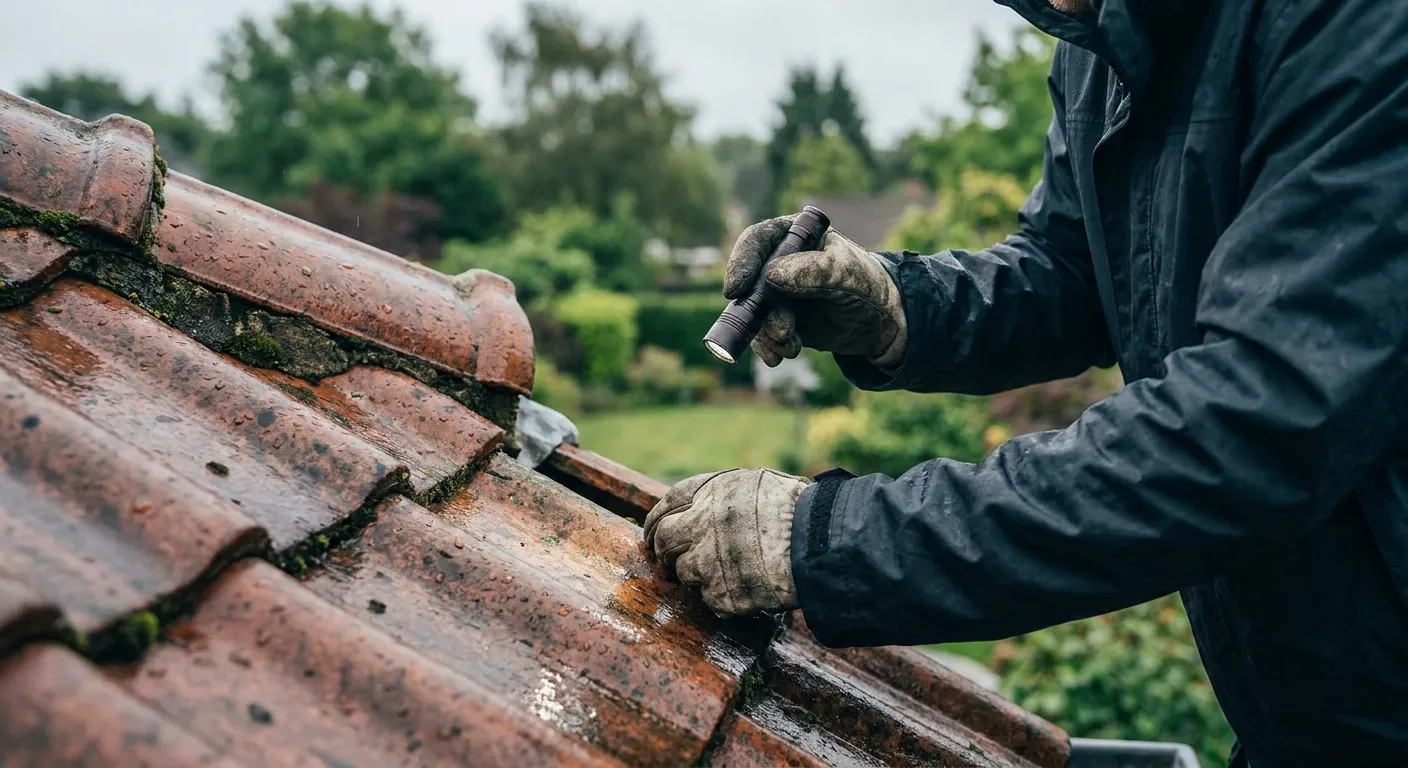
In regions like the Pacific Northwest, moss and algae growth are common roofing concerns. While clay tiles are more resistant to these issues than concrete, both materials still require regular cleaning and maintenance to prevent damage. Removing moss buildup and cleaning tiles with safe solutions are critical steps in preserving their appearance and functionality. Homeowners can rely on Moss Removal Services to address these challenges effectively and prevent long-term damage.
Vulnerability to Impact Damage
Although durable, tile roofs can be prone to cracking if heavy tree branches or other debris fall onto their surface. Additionally, tiles can break under the weight of foot traffic, so it’s important to avoid walking on the roof without proper precautions or professional experience. Damaged tiles should be repaired promptly to maintain the integrity of the roof and prevent water from leaking into the underlying layers.
Clay vs Concrete Tiles: Which Is Best for You?
Cost Differences and Longevity
Clay tiles generally come at a higher price, but they offer unmatched longevity, often lasting a century or more when properly maintained. Concrete tiles, while more affordable upfront, typically last between 40 and 50 years. For homeowners looking to balance cost and durability, concrete may be the more practical choice, but clay provides a premium option for those prioritizing long-term performance.
Maintenance and Moisture Absorption
Clay tiles are more resistant to moisture due to their natural density, while concrete tiles are more porous and require sealing in wet climates. For Pacific Northwest homeowners, this means clay tiles may offer better resistance to moss growth and water damage, though both materials still require regular maintenance to perform effectively.
Aesthetic and Weight Comparisons
Both clay and concrete tiles are available in various styles and colors, allowing homeowners to complement their home’s design. However, clay tiles are slightly lighter than their concrete counterparts, which may reduce the need for extensive structural reinforcements. If weight is a concern, clay may be the better option.
Tile Roof Installation: What Homeowners Should Know
Why Professional Installation Matters
Installing a tile roof requires expertise due to the material’s weight and the precision needed to achieve a durable, weather-resistant finish. Professional roofers have the skills and equipment to ensure the tiles are installed securely, which is especially important in areas like the Pacific Northwest where wet weather can create additional challenges. Consider hiring experienced contractors like those at Roof Pros NW to ensure your tile roof is properly installed for long-lasting performance.
Costs and Labor for Tile Roofing
Tile roofing installation costs include materials, labor, and any required structural reinforcements. The specific price will depend on whether you choose clay or concrete tiles, as well as the complexity of your roof’s design. While the initial expense may be higher than other materials, the long-term value and durability of tile roofing can offset these costs.
How Tile Roofs Perform in Pacific Northwest Weather
Heavy Rain and Freeze-Thaw Challenges
In the Pacific Northwest, tile roofs face potential challenges from heavy rains and freeze-thaw cycles. When water penetrates porous concrete tiles, freezing temperatures can cause the moisture to expand, leading to cracks or other damage. Sealing concrete tiles can reduce this risk, but ongoing maintenance remains essential. Clay tiles, with their lower absorption rates, are typically less prone to these issues.
Preventing Moss and Moisture Issues
Wet climates often encourage moss and algae growth on roofing surfaces. Applying moss inhibitors, performing routine cleanings, and sealing concrete tiles are all effective strategies for avoiding these problems. Regular inspections can also help detect and resolve moisture-related concerns early. Find reliable maintenance support through Roof Maintenance Tips.
Comparing Tile Roofs to Other Roofing Materials
Tile Roof vs Asphalt Shingles
While asphalt shingles are more affordable upfront, tile roofs offer unmatched longevity, weather resistance, and aesthetic appeal. However, shingles are lightweight and easier to install, making them a practical option for homeowners seeking a cost-effective roofing solution. For a closer look, review the Metal Roof vs Shingles guide.
Tile Roof vs Metal Roofing
Metal roofing offers long-term durability and is ideal for regions with heavy rainfall due to its water-shedding properties. Although metal roofs are lightweight and versatile, they may lack the high-end visual appeal of tile roofing. For a detailed comparison, explore the Pros and Cons of Residential Metal Roofs.
Schedule Your Roof Leak Inspection Today
Dealing with a persistent roof leak requires swift action to avoid further damage to your home. At Roof Pros NW, we specialize in identifying and repairing leaks before they become costly problems. Whether your leak is due to storm damage, aging shingles, or improper installation, our experts will provide a thorough inspection to pinpoint the issue and offer reliable solutions.
Why schedule a roof leak inspection with us?
- Quick, expert diagnosis to locate even hidden leaks.
- Prevent structural damage by addressing leaks early.
- Extend the lifespan of your roof with timely repairs.
- Save on repair costs by catching problems before they worsen.
- Peace of mind knowing your roof is in trusted hands.
Don’t wait for a minor roof leak to turn into a bigger issue. Let our professionals help keep your home safe and dry. Book your inspection now by clicking here.
Conclusion
Tile roofing offers an attractive combination of durability, longevity, and aesthetic appeal, making it a popular choice for homeowners, especially in the Pacific Northwest. Both clay and concrete tiles provide significant benefits, such as strong resistance to pests, fire, and the region’s heavy rainfall. While clay tiles stand out with their longevity and natural moisture resistance, concrete tiles offer a more budget-friendly alternative with versatile design options. However, both materials require proper installation and routine maintenance to ensure they perform well over time.
Homeowners in wet climates like the Pacific Northwest should be particularly mindful of maintenance needs related to moss growth and moisture issues, especially with porous concrete tiles. By staying on top of tasks like cleaning, sealing, and addressing minor repairs early, you can preserve the appearance and functionality of your tile roof. Additionally, understanding the structural requirements and potential installation costs is crucial for making a confident investment.
If you’re considering a tile roof, the expertise of professional roofers becomes essential. Proper installation ensures your roof can handle the region’s challenging weather conditions while maximizing its lifespan. Whether you are drawn to the premium feel of clay tiles or the cost-effectiveness of concrete, having experienced contractors handle the process is the best way to protect your investment. Learn more about the benefits of expert assistance through Roof Pros NW’s Roofing Services.
Still weighing your options? Comparing tile roofs to other materials like asphalt shingles or metal roofing can help clarify the right solution for your home. For example, while shingles offer affordability and ease of installation, tile provides unmatched longevity and curb appeal, even in challenging climates. Explore more differences in the detailed guides linked above to make an informed decision.
If you want to upgrade to a long-lasting, durable tile roof or need help maintaining an existing one, Roof Pros NW can guide you every step of the way. Contact them to schedule a professional inspection or discuss your roofing goals to improve your home’s protection and value. Take the next step toward securing a stunning and reliable roof by reaching out today.
Tile roofing can offer timeless beauty and lasting durability, but it’s essential to weigh the pros and cons carefully, especially if you live in the Pacific Northwest. These key takeaways explore how tile roofs perform in wet climates, factors like cost and maintenance, and what homeowners should consider before making a decision.
- Tile roofs provide exceptional longevity: Clay and concrete tiles can last 50 years or more, making them one of the longest-lasting roofing materials available.
- Durability depends on climate and maintenance: While tile roofs are durable, the Pacific Northwest’s wet weather and freeze-thaw cycles can cause moisture retention and cracks if not properly maintained.
- Heavyweight tiles require strong structures: Homes with older or weaker structures may need reinforcement before installing tile roofing due to its significant weight.
- Maintenance is key in moss-prone areas: Regular moss removal and cleaning are essential in the Pacific Northwest to prevent damage to porous tile materials.
- Tile roofs can improve energy efficiency: The natural insulation of tile helps regulate indoor temperatures, which can reduce heating and cooling costs.
- Tile roofing has higher upfront costs: Installing a tile roof is more expensive than asphalt shingles, but its longevity often makes it a worthwhile investment over time.
- Choose the right type of tile for your needs: Clay tile is more resistant to moisture absorption, whereas concrete tiles are less expensive but may require more maintenance in damp climates.
- Consider the aesthetic and value boost: Tile roofing adds a sophisticated, high-end look to homes and can increase property value.
- Professional installation minimizes risks: Due to their weight and complexity, tile roofs should always be installed by experienced contractors like Roof Pros NW to ensure long-term performance and safety.
With these points in mind, the rest of the article will guide you through a detailed comparison of tile roof advantages and disadvantages, helping you make the best choice for your home and location.
How much does a tile roof cost to install (material + labor) per square foot or per ‘square’?
The cost of installing a tile roof depends on several factors including roof size, material type, roof slope, and accessibility. It’s best to contact Roof Pros NW for a detailed estimate tailored to your specific needs.
What should I ask a roofing contractor before they install or replace my tile roof?
Ask about the contractor’s experience with tile roofs, their licensing and insurance, the installation process, material options, warranties, and a detailed written estimate. Clear communication and a reputable background are essential. Contact Roof Pros NW for more information.
How long does a tile roof replacement take compared to asphalt or metal roofing?
A tile roof replacement usually takes longer due to the careful handling required. Variables such as roof size and weather conditions also affect timing. Roof Pros NW can provide a more precise timeline after evaluating your project.
Is it worth hiring professionals for moss removal or sealing on a tile roof?
Yes, hiring professionals ensures proper care and prevents damage. Moss removal and sealing require specific techniques to avoid harming the tiles. Roof Pros NW offers expert maintenance services to keep your roof in top condition.
Do I need structural reinforcement before installing tile roofing because of its weight?
Tile roofs can be heavy and may require structural reinforcement to support them. A professional evaluation by Roof Pros NW will determine if your home needs modifications to safely handle the weight of tile roofing.
