Tile Roof Pros and Cons: Is It the Right Choice for You?
Tile roofs are often admired for their timeless beauty and impressive durability, but is this roofing option the right fit for your home? For homeowners considering tile roofing, understanding its advantages and challenges is key to making a smart investment. With options like clay, concrete, and terracotta, tile roofs promise exceptional longevity—often lasting 50 to 100 years with proper care—but they also come with specific requirements and costs that need thoughtful consideration.
In the Pacific Northwest, where heavy rain, moss growth, and wind are constant roofing challenges, tile roofs stand out for their weather resistance. These roofs are naturally fire-resistant, handle storms well, and provide energy-efficient insulation that helps control indoor temperatures year-round. However, their weight can pose structural challenges, requiring roof reinforcement in many homes, which can significantly add to the upfront expense.
Why does this matter? Because while tile roofs can enhance curb appeal and increase home value, they also present unique factors that homeowners must consider, from installation costs to long-term maintenance. For example, while these roofs resist rot and insects, they can still accumulate moss in damp climates like ours, demanding regular cleaning to maintain their look and performance. Plus, not every home can support the weight of a tile roof without costly modifications.
This guide will walk you through the key pros and cons of tile roofing—from its unmatched durability to its potential drawbacks like high upfront costs and structural considerations. By the end, you’ll have a clear understanding of whether a tile roof aligns with your home’s needs, your budget, and your long-term goals for roofing performance.
The Advantages of Tile Roofing
Tile roofs offer a variety of benefits that appeal to homeowners and property managers alike. From exceptional durability to aesthetic appeal, tile roofs have stood the test of time for centuries. Here are some key advantages that may make a tile roof the right choice for your property.
Durability That Lasts
One of the most notable tile roof benefits is their incredible lifespan. Clay and concrete tiles are built to last, with many tile installations enduring 50 to 100 years or more. Properly installed and maintained, these roofs can outlast most other roofing materials, making them an excellent investment for homeowners seeking long-term value. Their resistance to rot, insect damage, and warping gives them a significant edge over wooden or asphalt shingles.
Tile roofs also handle the harsh Pacific Northwest climate exceptionally well. Heavy rains, wind, and even hail are generally no match for a properly reinforced tile roof. Homeowners in areas like Redmond, where wet weather is prevalent, will appreciate the peace of mind that comes with knowing their roof can handle the worst of the elements.
For a deeper look into longevity and durable options, check out explore roofing services with Roof Pros NW.
Energy Efficiency
Energy efficiency is another strong selling point for tile roofs. The natural thermal properties of tile materials, coupled with their reflective capabilities, help regulate indoor temperatures. During the summer months, tile roofs reflect sunlight, reducing heat absorption. In colder weather, they provide an extra layer of insulation.
The airspace created between the tiles and the roof deck adds an additional barrier, improving energy performance. This can lead to lower energy bills throughout the year, which is especially useful in regions with temperamental weather patterns like the Pacific Northwest.
Weather Resistance
The Pacific Northwest experiences heavy rain, windstorms, and occasional snow, making weather resistance a critical factor when choosing a roofing material. Tile roofing holds up exceptionally well against rain, which is a constant concern in this region. Unlike some materials that may deteriorate under heavy moisture levels, clay and concrete tiles are non-porous and unaffected by prolonged exposure to water.
Their natural weight is another advantage. While this might seem like a drawback in some situations (as discussed later), it does make tile roofs highly wind-resistant. With proper installation, they are less likely to be lifted by strong gusts, providing a reliable safeguard during intense stormy weather.
For additional guidance on roofing and maintenance in wet climates, visit the Guide to Understanding Regional Roofing Services.
Aesthetic Versatility
Tile roofs offer unmatched versatility when it comes to aesthetics. Whether you choose clay, concrete, or terracotta tiles, their natural textures and finishes elevate the visual appeal of your home. Tiles are available in a wide array of colors, shapes, and patterns, allowing homeowners to create a custom look.
For instance, Mediterranean homes typically feature traditional red or orange clay tiles, while modern designs may opt for slate-like gray or neutral-colored concrete tiles. This adaptability ensures a tile roof can complement virtually any architectural style.
If you are considering the visual appeal of tile roofs compared to other materials like shingles, you may want to review the Pros and Cons of Roof Shingles: A Homeowner’s Guide.
The Drawbacks of Tile Roofing
While tile roofs deliver numerous advantages, they come with some significant challenges. Carefully weighing these drawbacks can help homeowners determine whether tile roofing is the right fit for their needs.
Higher Upfront Costs
Tile roofs are among the most expensive roofing materials available. The initial cost of materials is high, and the labor involved in their installation adds to the price. On average, tile roofs can cost significantly more than asphalt shingles or metal roofing.
However, considering their longevity and minimal long-term upkeep, the higher upfront investment may pay off over time. Homeowners planning to stay on their property for decades often see a tile roof as a wise financial decision rather than a short-term cost burden.
Heavy Weight
One of the most commonly overlooked drawbacks of tile roofs is their weight. Clay and concrete tiles are heavy and often require additional structural reinforcement to support the extra load. Homes originally built with lighter roofing materials like asphalt shingles may need significant modifications to handle the added weight of a tile roof.
Structural assessments by a professional contractor, like those offered by Roof Pros NW, are essential before moving forward with a tile roof installation. Failing to reinforce your roof properly can lead to costly damage or structural failures down the road.
Installation Complexity
Tile roofs demand a skilled and experienced contractor. Each tile must be correctly aligned, secured, and spaced to ensure proper performance and longevity. This precision makes installation labor-intensive and time-consuming, which can drive up costs for homeowners.
Additionally, specialized knowledge and tools are essential to avoid breaking tiles during installation. Hiring a reputable company like Roof Pros NW ensures the job is done correctly the first time.
Maintenance Needs
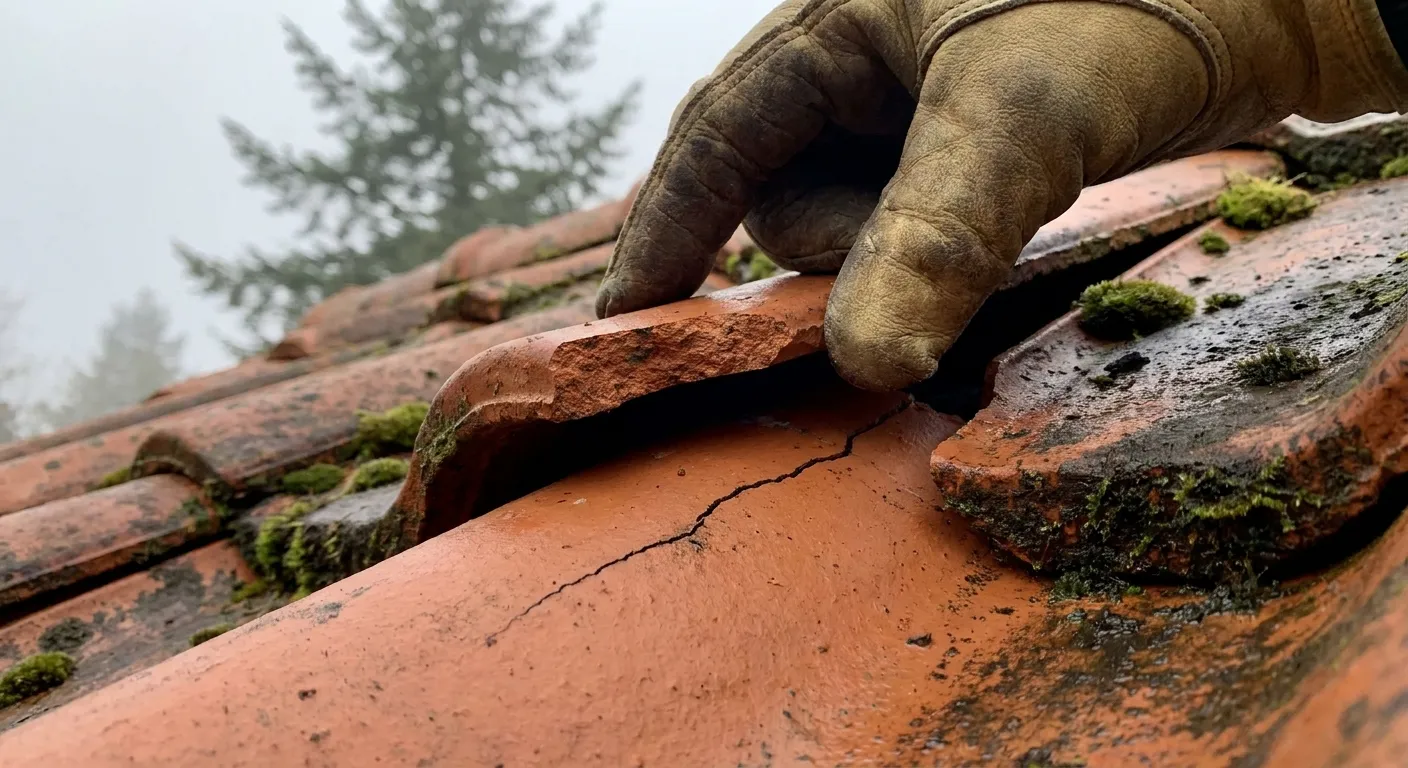
Although tile roofs are durable, they are not entirely maintenance-free. The Pacific Northwest’s wet climate fosters moss and algae growth, especially on roofing materials that are porous or exposed to prolonged moisture. Regular cleaning, moss removal, and inspections are necessary to keep a tile roof in peak condition.
Cracks and chipping can occasionally occur due to impacts or natural wear. Replacing broken tiles quickly is crucial to prevent water from penetrating the underlayment. Professional roof inspections can help locate minor damage before it escalates into a larger issue.
Curious about maintenance options for a moss-heavy climate? Learn more from Residential Roofing in Redmond, WA: Materials, Installation, and Maintenance.
Comparing Tile Roofing Materials: Clay, Concrete, and Terracotta
There are three primary types of tile roofing materials: clay, concrete, and terracotta. Each offers unique advantages and drawbacks, making one material more suitable than another depending on your specific needs and aesthetic preference.
Clay
- Durability: Clay tiles are known for their exceptional lifespan, often lasting 100 years or more.
- Aesthetics: With their rich, warm tones, clay tiles are popular for Mediterranean, Spanish, and Southwestern-style homes.
- Weight: Clay tiles are lighter than concrete but still require roof system reinforcement.
- Climate Suitability: Clay holds up beautifully in wet climates but becomes brittle in freeze-thaw cycles.
Concrete
- Affordability: Concrete tiles are more cost-effective than clay, making them a popular alternative.
- Versatility: They can mimic a variety of other materials, like slate or wood, while offering enhanced durability.
- Durability: Concrete is slightly more susceptible to weathering than clay but still offers a lifespan of 50+ years.
- Weight: These tiles are the heaviest option among roofing tiles, adding significant weight to your property’s roof structure.
Terracotta
- Premium Appeal: Terracotta tiles are made from high-quality clay and are often associated with luxury homes.
- Longevity: Similar to clay, terracotta roofs can last more than a century.
- Cost: Terracotta is the most expensive option due to its refinement and production process.
- Color Retention: Unlike concrete, terracotta tiles retain their natural color without fading over time.
Your choice of material will largely depend on your budget, structural needs, and design goals. To explore more factors on regional material selection, visit Guide to Understanding Regional Roofing Services.
Steps to Get Started with Tile Roofing
If you’re considering a tile roof for your home, it’s essential to partner with an experienced contractor who can guide you through the process. Here’s how to get started:
- Schedule a Professional Roof Inspection: Determine whether your home’s structure can support a tile roof or if modifications are needed. This step is critical to avoid future issues.
- Consult a Roofing Expert: Roof Pros NW offers consultations to help you weigh the pros and cons of tile roofing and select the best materials. Visit the Roof Pros NW booking page to schedule your appointment.
- Choose the Right Materials: Work with your contractor to select the most suitable tile roofing material for your home’s style and needs.
- Plan the Installation: Discuss timelines, costs, and project details with your roofing contractor to ensure a smooth installation process.
For more inspiration or to learn about roofing services, visit the Roof Pros NW Homepage.
With the right planning and guidance, your tile roof can provide decades of beauty, durability, and energy efficiency.
Protect Your Roof with a Professional Roof Inspection
Having a reliable roof is critical for protecting your home, and small issues can quickly turn into costly problems if ignored. If you’re unsure about the condition of your roof or it’s been a while since your last check-up, now is the perfect time to schedule a professional roof inspection with Roof Pros NW.
Our expert team is here to help you keep your roof in great shape. A roof inspection is a simple, proactive step to avoid expensive repairs and ensure your home stays weatherproof.
- Identify hidden issues before they turn into larger problems.
- Gain peace of mind knowing your roof is ready to handle the elements.
- Receive a detailed assessment from experienced roofing professionals.
- Save money by addressing maintenance needs early.
- Protect your investment with actionable next steps from our experts.
Don’t wait—let’s make sure your roof is ready for whatever comes next. It’s easy to get started. Book your roof inspection today and take the first step toward a more secure home!
Conclusion
A tile roof is an excellent choice for homeowners looking for a durable, energy-efficient, and visually appealing roofing solution. With lifespans often exceeding 50 years, resistance to the challenging Pacific Northwest climate, and the ability to complement a wide range of architectural styles, tile roofs offer long-term value and aesthetic versatility. They also enhance energy efficiency by naturally regulating indoor temperatures, a practical benefit in this region’s variable weather conditions.
However, it’s important to carefully weigh the challenges, such as higher upfront costs, added structural weight, and the need for skilled installation. Understanding these factors helps ensure your roofing investment aligns with your home’s needs and your long-term plans. Professional assessments and proper maintenance are key to enjoying the full benefits of a tile roof while preventing potential issues like moss growth or structural strain.
If you’re considering a tile roof, partnering with an experienced contractor is essential. Start by scheduling a professional roof inspection to evaluate your home’s readiness for tile roofing. An expert can help you choose the right tile material for your style and budget while ensuring your roof’s structure can support the added weight.
Roof Pros NW is here to make the process straightforward with trusted guidance, quality installation, and reliable maintenance services. Visit the Roof Pros NW booking page to schedule your consultation or inspection today. With the right planning, a tile roof can enhance your home’s beauty, durability, and energy efficiency for decades to come.
Tile roofing is an attractive option for many homeowners due to its durability, longevity, and aesthetic appeal, but it isn’t the right fit for every home. These key takeaways summarize the important pros and cons of tile roofs so you can decide if they’re the best choice for your property.
- Tile roofs offer unmatched durability and lifespan: Clay, concrete, and terracotta tiles can last 50-100 years with proper maintenance, outlasting many other roofing materials like asphalt shingles.
- Structural support may be required: Tile roofs are heavy and may require reinforcement of your home’s roof structure, which can add to the total cost of installation.
- Weather-resistant features add protection: Tile roofs stand up well to wind, hail, fire, and heavy rain, making them a great option for Pacific Northwest weather challenges.
- Energy efficiency is a bonus: Tile roofs provide natural insulation, helping to keep your home cooler in summer and warmer in winter, potentially lowering energy bills.
- Maintenance is minimal but important: While rot and insect-resistant, tile roofs may still need occasional moss removal, broken tile replacements, or inspections to ensure longevity.
- Tile roofs can be costly upfront: Higher material and labor expenses make tile roofing a more significant investment compared to asphalt shingles, though the long lifespan can offset this over time.
- Aesthetic appeal increases curb value: Available in a variety of colors and styles, tile roofs can dramatically enhance your home’s appearance and property value.
- Consider algae and moss growth in wet climates: Although resistant to many types of damage, tile roofs in the Pacific Northwest may need periodic moss removal to maintain their look and performance.
With these takeaways in mind, the rest of the article dives deeper into the key advantages and disadvantages of tile roofs, helping you decide if they fit your home’s needs and budget.
What should I ask or verify before hiring a roofing contractor for a replacement?
Before hiring a roofing contractor, verify their licensing and insurance, check for reviews and references, and ensure they offer clear estimates. Ask about their experience with specific materials, their warranty options, and how they handle communication throughout the project. Contact Roof Pros NW to discuss your needs and ensure a secure roofing investment.
What are the red flags of roofers who knock on your door right after a storm?
Be cautious of roofers who appear uninvited after a storm, offer quick fixes, or pressure you into immediate decisions. They may lack proper licensing or insurance. A reputable contractor like Roof Pros NW provides thorough inspections and transparent communication instead. Contact us for trustworthy service.
How do I find a reputable local roofing contractor instead of storm-chasing companies?
Look for contractors with a strong local presence and long-standing reputation. Verify licenses, insurance, and certifications. Check online reviews and ask for local references. Choose someone like Roof Pros NW who offers detailed estimates and warranties. Contact us for reliable service.
What should be included in a written roofing contract to ensure protection?
A written roofing contract should include project details, costs, timelines, material descriptions, warranties, and payment schedules. It should also cover procedures for any changes and dispute resolution. Roof Pros NW ensures all contracts are clear and protective for homeowners.
What factors can make a roof replacement quote seem unusually high?
Several factors can make a roof replacement quote high, such as roof size, material choice, slope, accessibility, and labor complexity. Damage extent and needed structural work also contribute. For an accurate estimate, contact Roof Pros NW for a thorough inspection and consultation.
