Asphalt Roofing Seattle: Maintenance Tips for Homeowners
A Seattle roof can look fine from the driveway while moisture is quietly building up beneath moss, debris, or a lifted shingle. That is what makes regular care so important. Asphalt shingles are built to handle the weather, but Seattle’s long rainy seasons, damp shade, wind, and falling leaves can create conditions that speed up wear. Water that cannot drain properly may back up at valleys, gutters, flashing, or roof edges. Over time, that moisture can lead to leaks, damaged decking, stained ceilings, and repairs that are more involved than they would have been with early attention.
Good asphalt roofing Seattle maintenance is not about climbing onto the roof after every rainstorm or trying to handle unsafe repairs yourself. It starts with knowing what to look for from the ground, in the attic, and during routine checks throughout the year. A few loose or curled shingles, dark algae streaks, moss patches, bare areas with granule loss, or a clogged gutter can all be early clues that your roof needs attention. Catching these issues while they are limited can help protect the roof’s drainage system and reduce the chance of water reaching the layers beneath the shingles.
Moss deserves special attention in the Pacific Northwest. Unlike a few leaves that can dry out and blow away, moss holds water against the roof surface. It can work its way under shingle edges and slow drying after rain. Safe moss removal, trimming back overhanging branches when appropriate, and using approved prevention methods can help preserve your shingles without causing damage from harsh scrubbing or pressure washing. Clear gutters and valleys matter just as much, since a roof depends on steady water flow to move rain away from vulnerable areas. Learn more about how poor roof drainage shortens roof lifespan and why routine cleanup is more than a cosmetic task.
Flashing, underlayment, vents, and pipe openings also need periodic attention. These parts may be less visible than shingles, but they help direct water away from roof openings and support long-term protection. If you notice repeated leaks, soft spots, widespread moss, missing shingles, or water stains indoors, it is best to schedule a professional evaluation rather than wait for the next heavy storm. A local roof inspection can help identify concerns that are hard to see safely from the ground.
This guide covers practical Seattle roof maintenance tips, including seasonal inspection habits, gutter and valley care, moss and algae prevention, warning signs of asphalt shingle wear, and when professional roof repair makes sense. With a consistent plan, homeowners and property managers can make smarter decisions, support asphalt shingle lifespan, and help keep their homes dry through Seattle’s wet months.
Why Asphalt Roofing in Seattle Needs Regular Maintenance
Seattle roofs deal with months of rain, damp air, wind, falling needles, and shaded areas that stay wet long after a storm ends. For asphalt roofing Seattle homes, the main concern is often not one dramatic weather event. It is the steady moisture that collects around shingles, flashing, gutters, and roof edges over time.
Asphalt shingles are built to shed water, but they work best when water can move off the roof quickly. Leaves in a valley, clogged gutters, or moss along shingle edges can slow that process. Small maintenance habits help keep the roofing system dry and make it easier to catch wear before it causes interior damage.
This matters for homeowners, property managers, and investors alike. A routine check can help protect the roof, plan repairs early, and avoid surprises during the wettest part of the year.
Why Seattle Weather Is Hard on Asphalt Shingles
Long rainy seasons and tree cover can prevent shingles from fully drying. Moisture may collect in shaded sections, especially on north-facing slopes and beneath overhanging branches. Over time, this dampness supports moss and algae growth and can affect flashing, roof edges, and exposed fasteners.
Wind adds another concern. Strong gusts can loosen aging shingles or lift edges where water may later enter. Maintaining asphalt shingles in a rainy climate means paying attention to drainage and moisture, not just visible storm damage.
What Routine Care Can Help Prevent
Regular asphalt shingle roof maintenance in Seattle can help reduce the risk of:
- Leaks and stained ceilings
- Moss buildup and algae growth
- Clogged gutters and overflowing water
- Wood rot around roof edges
- Loose shingles and damaged flashing
- Avoidable emergency repair needs
Early maintenance is usually simpler than responding after water reaches the attic or living space. The first step is knowing how to spot warning signs safely.
How to Inspect an Asphalt Roof Without Missing Early Warning Signs
A homeowner does not need to climb onto the roof to notice many common issues. A careful walkaround, a quick attic check, and attention after storms can reveal changes that deserve a closer look.
Inspect from the ground in spring, late summer, and fall. Also look after periods of high wind or unusually heavy rain. Use binoculars if needed, and avoid walking on wet shingles, steep slopes, or fragile-looking roof areas.
Start With a Ground-Level Walkaround
Walk around the property and look at each visible roof slope. Focus on changes from prior inspections, such as a new dark patch or a shingle that appears out of line.
Watch for:
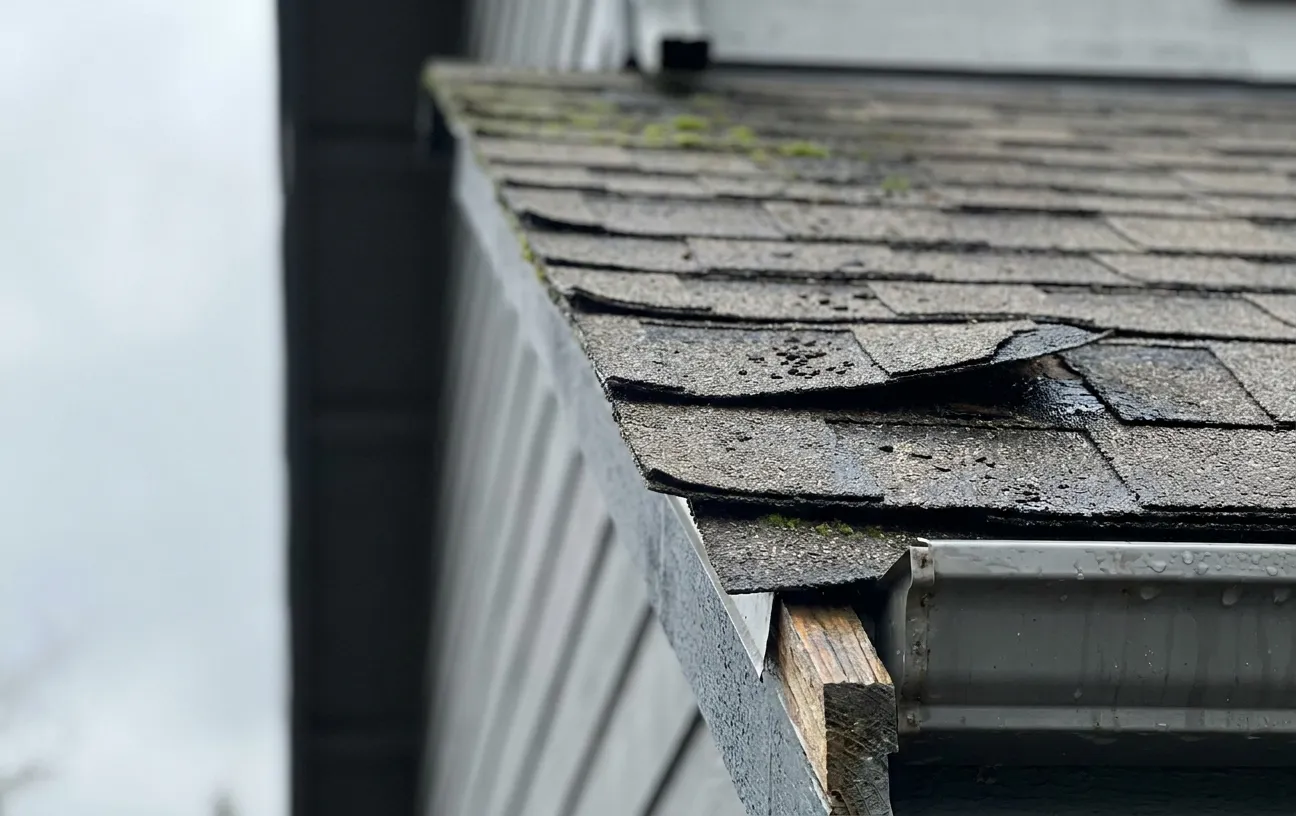
- Curled, cracked, buckled, or missing shingles
- Dark streaks that may indicate algae growth
- Thick moss, especially in shaded areas
- Debris piled in valleys or behind chimneys
- Sagging roof sections or uneven lines
- Granules collecting in gutters or at downspout exits
Granule loss shingles may show as bare-looking spots where the darker asphalt layer becomes visible. Some loose granules are normal as shingles age, but noticeable bare patches or a sudden increase in gutter granules can indicate wear.
Check the Attic for Hidden Moisture
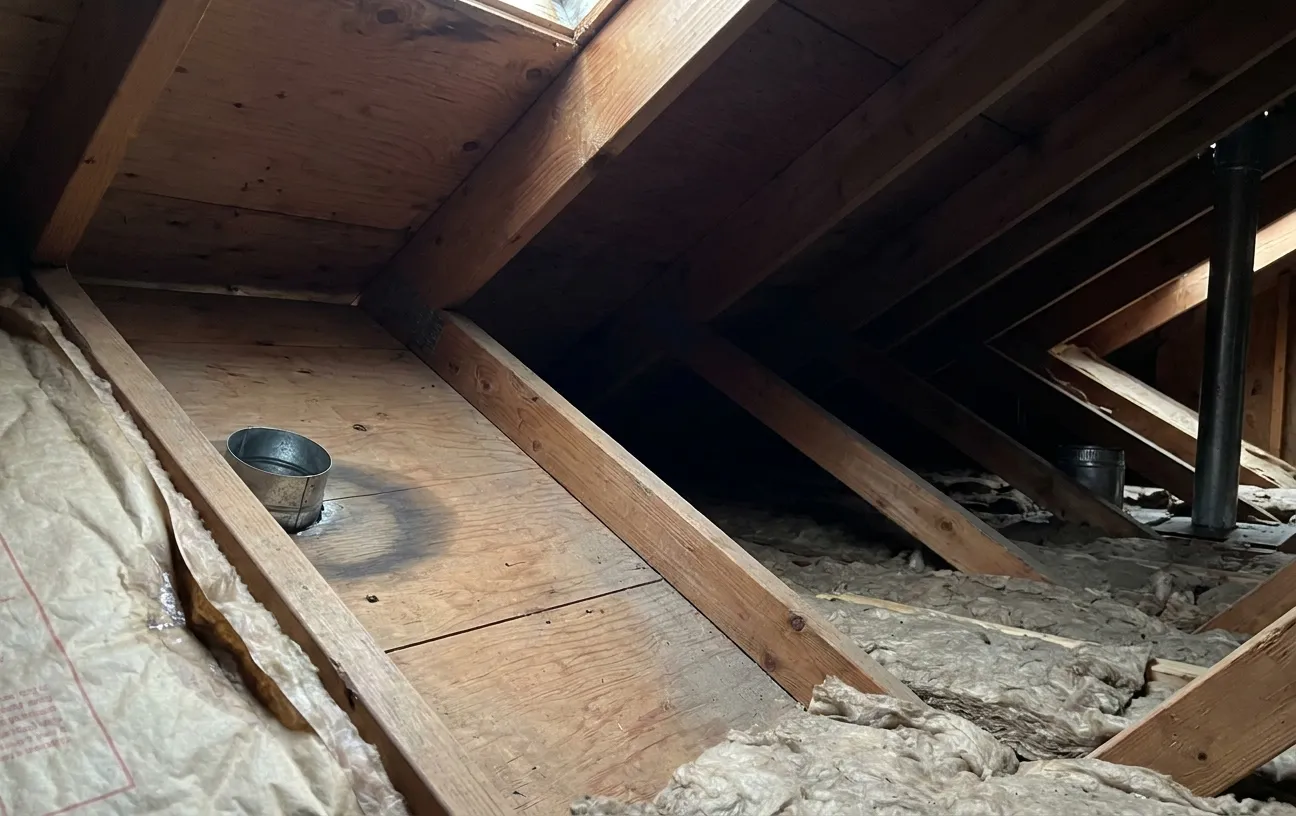
The attic can reveal a roof issue before it becomes obvious outside. On a dry day, use a flashlight to look at the underside of the roof deck, insulation, and areas around vents, chimneys, and skylights.
Look for dark staining on wood, damp insulation, active drips, or musty smells. Condensation can also be a ventilation issue rather than a roof leak, but either concern is worth addressing. Moisture that stays in the attic can affect framing and insulation even if no ceiling stain has appeared yet.
Look Closely at Ceilings, Walls, and Upper Floors
Inside the home, check upper-floor ceilings and exterior-facing walls after extended rain. Water stains, peeling paint, bubbling drywall, and a new musty odor can point to a leak or trapped moisture.
A stain does not always sit directly below the entry point. Water can travel along framing or roof decking before appearing indoors. Note where and when you see the issue, especially if it appears only during wind-driven rain. This information helps a roofer locate the source.
When a Professional Roof Inspection Makes Sense
Some problems are difficult to see from the ground, including failed flashing, worn seals around vents, and damage hidden under moss. A professional can inspect these areas without risking damage to the shingles or personal safety.
Consider reliable local roof inspections when you notice repeated stains, loose shingles, heavy moss, or signs of drainage trouble. A clear inspection also gives property owners a better starting point for seasonal maintenance.
Seasonal Seattle Roof Maintenance Tips That Help Extend Roof Life
The best roof maintenance schedule for Pacific Northwest homeowners is based on the seasons. Seattle weather changes slowly, so regular small tasks are more useful than waiting for a major problem. Each season offers a chance to protect drainage, control moss, and watch for shingle wear.
Spring Maintenance After the Wet Season
Spring is a useful time to see what winter rain and wind left behind. Once conditions are dry enough for a safe exterior check, inspect the roof from the ground and look closely at gutters and downspouts.
Check for loose shingles, bent gutter sections, debris in valleys, and moss that became thicker during winter. Clear gutters and make sure downspouts direct water away from the foundation. If you see granules in gutters or damage near roof openings, schedule an evaluation before the next wet period.
Summer and Early Fall Preparation
Summer gives the roof a better chance to dry, making it a practical time for preventive care. Trim back branches that drop leaves, scrape shingles, or hold shade over the roof. Do not cut branches in a way that creates a safety risk, and keep tree work away from power lines.
Inspect visible flashing around chimneys, vents, and skylights for lifted edges or loose sealant. Clear loose leaves, cones, and branches from roof surfaces only when it can be done safely from the ground or with professional help. Preparing early makes it easier to manage rain once fall arrives.
Fall Cleanup Before Heavy Rain
Fall leaves and pine needles can quickly block valleys and gutters. Valleys are the angled channels where two roof slopes meet, and they carry a large amount of runoff. When debris traps water there, it can work against shingle edges and flashing.
Clean gutters before heavy rain starts, then recheck them as leaves continue to fall. Watch how water flows during a storm. Overflowing gutters, water spilling behind the gutter, or puddles near the home may signal a blockage or drainage issue. Learn more about how poor roof drainage shortens roof lifespan so you can address small flow problems early.
Winter Watch Points During Long Wet Periods
Winter is mainly a season for observation. Avoid climbing onto a wet roof. Instead, check the attic, ceilings, gutters, and roofline from the ground after storms.
Look for water spots indoors, dripping or overflowing gutters, branches resting on the roof, and shingle movement after high winds. If water is coming into the home, protect belongings and arrange a roof assessment promptly. These observations guide the next stage of maintenance and repair.
Moss and Algae Growth on Asphalt Shingles: What Homeowners Should Know
Moss and algae are common on Seattle roofs because they thrive in shade and moisture. Algae often appears as dark streaks, while moss looks thicker and greener. Although algae stains may be mostly cosmetic at first, moss can trap moisture against the shingle surface and interfere with water flow.
Why Moss Grows So Easily in Seattle
Shaded roof slopes dry slowly. Trees also drop needles, leaves, and organic matter that hold moisture in place. Once moss begins growing, it can spread across shingles and fill small gaps along roof edges.
Moss is more than a visual issue when it becomes dense. It may lift shingles, catch debris, and keep water where it does not belong. This is why learning how to prevent moss on asphalt shingles in Seattle is an important part of roof care.
Safer Ways to Remove Moss From Asphalt Shingles
Avoid pressure washing, wire brushes, and aggressive scraping. These methods can remove protective shingle granules, break shingle edges, and shorten the life of the roof.
Gentle cleaning methods and roof-safe moss treatments may be appropriate when used according to product directions and manufacturer guidance. However, thick growth, steep slopes, or moss near delicate flashing should be handled by a professional. Moss removal for asphalt shingles requires care because the goal is to protect both the shingles and the people working around them.
Prevention Steps That Reduce Future Moss Growth
Preventive work is often easier than repeated cleaning. Helpful steps include:
- Trim back branches that create constant shade or drop debris
- Keep gutters and valleys clear so water drains freely
- Remove loose leaves and needles before they break down
- Consider approved moss prevention methods before the rainy season
- Inspect north-facing and tree-covered slopes more often
These habits support maintaining asphalt shingles in rainy climate conditions by helping the roof dry between storms.
When Moss Becomes a Roofing Problem
Schedule an inspection if moss is heavy, grows back quickly, covers shingle edges, or hides visible damage. Thick buildup can block water paths and make it difficult to judge roof condition. A roofing professional can determine whether the roof needs cleaning, repair, or closer monitoring.
Gutter, Valley, and Drainage Care for Asphalt Roofing Seattle Homes
Good drainage supports the entire roofing system. Shingles are the first layer that sheds rain, but gutters, downspouts, valleys, flashing, and underlayment all work together to move water safely away.
Why Good Drainage Matters
When water backs up at the roof edge or sits in a valley, it can move beneath shingle layers. Repeated moisture exposure can affect the roof deck and underlayment, which is the protective layer installed below the shingles.
Seattle rain makes roof drainage especially important because a small blockage can stay wet for days or weeks.
What to Look For in Gutters and Roof Valleys
Check for clogged gutters, disconnected downspouts, loose brackets, and water staining behind the gutter. From the ground, look for leaves or needles trapped in valleys and near roof-to-wall areas.
Pay attention to overflow during rainfall. Water pouring over the gutter edge may be a simple clog, but repeated overflow can also signal improper slope, damaged gutters, or a more complex roof issue.
Simple Maintenance Steps for Better Water Flow
Clean gutters regularly, especially after leaf drop. Remove visible debris from accessible valleys only if it can be done safely. After a heavy rain, walk around the home and look for overflowing sections, washed-out soil, and water marks under eaves.
If drainage problems keep returning, review comprehensive roofing maintenance for rainy seasons and arrange a professional evaluation. Recurring water flow issues can point to flashing damage, roof design concerns, or concealed blockage.
Shingle Wear, Flashing, and Underlayment: Small Issues That Can Lead to Leaks
An asphalt roof is a system, not just a layer of shingles. Shingles shed water, flashing seals vulnerable transitions, and underlayment provides an added layer of protection. Regular checks help identify small weak points before water reaches the roof deck.
Early Signs of Asphalt Shingle Wear
Common signs of asphalt shingle wear in rainy climates include curling edges, cracks, bare spots, and shingles that look brittle or uneven. Granule loss can make shingles less able to handle sun, rain, and temperature changes.
One damaged shingle does not always mean the whole roof is failing. However, widespread wear across several slopes may show that the roof is aging or under stress.
Why Flashing Deserves Attention
Flashing is the metal material that directs water away from openings and joints. It is found around chimneys, plumbing vents, skylights, dormers, and roof-to-wall intersections. Step flashing is the layered flashing used where a sloped roof meets a wall.
Small gaps, rust, loose pieces, or failed sealant can let water enter during steady rain. Because these areas are hard to inspect closely from the ground, flashing maintenance is often best handled during a professional roof check.
The Role of Underlayment in Seattle Roof Protection
Underlayment sits beneath the shingles and above the roof deck. It is not meant to replace shingles, but it adds backup protection if wind-driven water gets past the outer layer.
Since underlayment is hidden, homeowners cannot usually inspect it directly. Signs of a concern may include recurring leaks, soft roof areas, or water marks that return after repairs to visible shingles.
Signs the Roof May Need Repair Soon
Call for an evaluation when you notice repeated leaks, soft spots, missing shingles, damaged flashing, or water stains inside. These are among the top signs you need immediate roof repair.
Prompt attention matters in nearby wet-weather communities as well, as explained in the importance of timely roof repair in Bellevue, WA. Water can move beyond the original entry point, so it is wise to address persistent symptoms rather than patch over them.
When Asphalt Shingle Roof Repair Is the Right Next Step
Maintenance can prevent many issues, but it cannot restore shingles or flashing that are already damaged. Asphalt shingle roof repair in Seattle is often the right next step when the problem is limited to a specific area.
Signs a Repair May Be Enough
Targeted repair may work when there are a few missing shingles after wind, a small leak around one vent, localized flashing damage, or a limited area of moss-related wear. A roofer can assess whether surrounding materials remain sound and whether the repair will blend properly with the existing roof.
Why Waiting Can Make Repairs Harder
Water can spread into the roof decking, attic insulation, and ceiling materials. A small leak may only appear during wind-driven rain at first, then become more frequent as surrounding materials stay wet.
Acting early gives a contractor a better chance to correct a contained issue before more of the roofing system is affected.
When to Call Roof Pros NW
Contact Roof Pros NW for repeated leaks, hard-to-reach damage, large moss buildup, or concerns after heavy rain. For practical guidance on identifying a leak source and responding safely, see roof leak repair in Bellevue, WA.
How Roof Condition, Age, and Materials Affect Long-Term Maintenance Choices
Maintenance planning should consider the whole roof condition, not only the latest leak. Roof age, shingle condition, ventilation, slope, drainage, and prior repairs all affect whether ongoing maintenance or larger work makes sense.
How Long Asphalt Shingles Can Last in Seattle
There is no single answer to how long asphalt shingles last in Seattle. Lifespan depends on material quality, installation, roof pitch, attic ventilation, moss exposure, drainage, and the level of routine care.
A well-maintained roof that dries properly between storms may hold up better than one that stays covered in debris and moisture. Regular inspections help owners see how the roof is aging instead of relying on its age alone.
When Repeated Repairs May Signal a Bigger Issue
Repeated repairs in different locations, widespread granule loss, frequent leaks, or brittle shingles across much of the roof may suggest a larger problem. At that point, continued patching may not be the most practical long-term choice.
A professional assessment can explain whether a repair is still appropriate or whether replacement planning is becoming necessary.
Choosing Durable Materials and Good Installation Matters
Long-term roof performance depends on quality shingles, correct flashing, dependable roof underlayment, and careful installation. If replacement becomes necessary, review durable roofing materials for rainy seasons: a homeowner’s guide to understand factors that matter in a wet climate.
A Simple Year-Round Maintenance Plan for Seattle Homeowners
Consistency matters more than complicated routines. Set calendar reminders and make safe visual checks part of normal property care.
A Basic Roof Care Checklist
- Inspect from the ground in spring, late summer, and fall
- Clean gutters and clear accessible debris before heavy rain
- Watch for moss, algae roof stains, curled shingles, and loose materials
- Check attic spaces, ceilings, and upper walls after major storms
- Monitor gutters during rain for overflow or poor drainage
What Property Managers and Investors Should Track
Keep dated notes and photos of recurring trouble spots, such as a mossy north slope, a gutter that overflows, or a stain near a skylight. Schedule routine inspections and document repairs.
This record helps with budgeting, tenant communication, and identifying patterns before small issues turn into larger disruptions.
Knowing When to Bring in a Professional
Bring in a trusted local roofer for steep or hard-to-reach areas, recurring leaks, significant moss growth, wind damage, or any condition that makes the roof unsafe to inspect. Professional evaluation is also helpful when an issue appears to involve flashing, underlayment, or roof decking.
Final Thoughts on Maintaining Asphalt Roofing Seattle Homes
Seattle roof care is about staying ahead of everyday moisture. Regular inspections, clear gutters, debris-free valleys, moss prevention, and early attention to shingle wear can all help protect an asphalt roof through long wet seasons.
A Smart Maintenance Routine Protects Your Roof
Small, consistent tasks can reduce standing water, reveal developing damage, and support a longer asphalt shingle lifespan. Watch the roof after storms, keep drainage paths open, and do not ignore moss or indoor water stains.
Next Step: Schedule a Roof Check
If you have leaks, heavy moss, damaged shingles, or concerns about roof condition, consider booking a roof check with Roof Pros NW. A professional inspection can help you understand the condition of your roof and choose the right maintenance or repair plan.
Conclusion
Seattle’s wet climate puts constant pressure on asphalt roofs. Rain, wind, shade, moss, and clogged drainage can all wear down shingles over time, even when there has not been one major storm. That is why regular maintenance matters so much for asphalt roofing Seattle homes. Small steps like clearing debris, checking gutters, watching for moss, and looking for early shingle wear can help prevent leaks and reduce the chance of costly interior damage.
One of the biggest takeaways from this article is that roof problems often start quietly. A few curled shingles, a little granule loss, or water that sits too long in a valley may not seem urgent at first. But in a long wet season, those smaller issues can grow into flashing problems, attic moisture, wood rot, or visible stains inside the home. By checking the roof in spring, summer, fall, and after storms, homeowners and property managers can spot trouble before it spreads.
It also helps to remember that the roof works as a full system. Shingles matter, but so do flashing, gutters, valleys, underlayment, and ventilation. If one part of that system fails, water can find a way in. That is why drainage care is such a key part of roof maintenance in the Pacific Northwest. For more insight on that, see how poor roof drainage shortens roof lifespan and comprehensive roofing maintenance for rainy seasons.
Moss and algae are another common concern for Seattle roofs. They are not just cosmetic when they start to hold moisture against the shingles or block water flow. If growth is heavy, keeps coming back, or hides roof damage, it is a good sign that the roof needs a closer look. The same is true for repeated leaks, loose shingles, damaged flashing, or indoor water stains. In those cases, a professional inspection is often the safest and most useful next step. You can also review top signs you need immediate roof repair and roof leak repair in Bellevue, WA for more guidance.
For many property owners, the real question is not just whether the roof needs care, but whether it still has enough life left for repair or if replacement planning is starting to make more sense. Roof age, repeated leaks, widespread wear, and failed flashing all matter when making that call. A professional can help you understand the condition of the roof and talk through practical options based on what they find.
If you are seeing warning signs or just want peace of mind before the next long stretch of rain, the best next step is to schedule a roof inspection. Roof Pros NW can help you check the condition of your roof, identify problem areas, and decide whether maintenance, repair, or replacement is the right move.
Keeping an asphalt roof in Seattle takes regular care because the city’s long wet seasons can wear shingles down faster than many homeowners expect. These key takeaways explain the simple maintenance steps that help protect your roof, reduce moss growth, and catch small problems before they turn into bigger repairs.
- Seattle’s steady moisture is the biggest threat to asphalt shingles: Long periods of rain and damp weather can break down shingles over time, even without major storm damage.
- Routine inspections help you catch problems early: Check your roof a few times a year for loose shingles, moss, clogged valleys, and signs of wear before small issues spread.
- Clean gutters and clear roof valleys to protect drainage: Good water flow keeps rain from backing up under shingles and helps prevent leaks and wood damage.
- Moss and algae need quick attention in the Pacific Northwest: Moss holds moisture against shingles, so early removal and prevention steps can help extend roof life.
- Simple seasonal maintenance can add years to your roof: Tasks like cleaning debris, checking flashing, and applying moss inhibitors before the rainy season can make a real difference.
- Watch for early signs of shingle wear: Granule loss, curling edges, soft spots, and water stains may mean your roof needs repair soon.
- Flashing and underlayment matter as much as the shingles: These hidden parts help keep water out, especially in Seattle’s wet climate where leaks can start in vulnerable areas.
- Know when to call a professional roofer: If you see repeated leaks, heavy moss buildup, or damage you cannot safely reach, Roof Pros NW can help with repairs and inspection.
With these basics in mind, the article below will walk you through practical ways to maintain asphalt roofing in Seattle and help you protect your home through the rainy season and beyond.
Schedule a Professional Roof Inspection
Regular maintenance is one of the best ways to protect your roof through changing weather. If you have noticed aging materials, clogged drainage, loose shingles, or signs of wear, now is a smart time to have a professional take a closer look.
Roof Pros NW offers thorough roof inspections to help homeowners understand their roof’s current condition and plan the right next steps before small issues grow.
- Identify worn or damaged roofing materials early
- Check flashing, vents, gutters, and drainage areas
- Spot potential leak risks before rainy weather arrives
- Get clear recommendations based on your roof’s needs
- Make informed decisions about maintenance, repair, or replacement
A timely inspection can help you protect your home, extend your roof’s service life, and avoid last-minute scheduling during busy seasons. Take the next step today and book your roof inspection with Roof Pros NW.
How much does asphalt roof repair cost in Seattle?
The cost depends on the size of the repair, roof pitch, material type, roof age, how easy it is to access, and whether the damage is limited to shingles, flashing, or deeper layers. A small leak can be very different from damage that has reached the decking or underlayment. Roof Pros NW can inspect the roof, explain what is needed, and provide a clear estimate.
How soon should I schedule roof repair after finding a leak?
You should schedule it as soon as possible. Even a small leak can spread into insulation, decking, and ceilings if water keeps entering during Seattle rain. Try to contain the leak inside, then have the roof checked quickly so the problem does not get worse. Roof Pros NW can inspect the source and recommend the right repair.
Should I repair or replace my asphalt shingle roof after repeated leaks?
Repeated leaks are a sign that the roof may have more than one problem, such as worn shingles, failed flashing, or hidden damage. If the issue is limited to one area, repair may still make sense. If leaks keep returning in different spots, replacement may be the better long-term choice. A professional inspection is the best way to decide, and Roof Pros NW can help you compare the options.
How do I know if moss damage means I need roof repair or replacement?
Moss becomes a bigger concern when it is thick, keeps coming back, lifts shingle edges, or hides damaged areas. If the roof is still in good shape under the moss, cleaning and repair may be enough. If moss has held moisture long enough to cause shingle wear, soft spots, or repeated leaks, replacement may be worth discussing. Roof Pros NW can inspect the roof and tell you which path makes the most sense.
What are the signs that flashing needs repair on an asphalt shingle roof?
Watch for water stains near chimneys, skylights, vents, or walls, along with cracked sealant, rust, loose metal, or leaks that happen during wind driven rain. Flashing is a key defense against water entry, so even a small gap can cause trouble. If you notice these signs, Roof Pros NW can inspect the flashing and repair it before more damage spreads.
