Moss Killer for Roofs: Safe Options for Homeowners
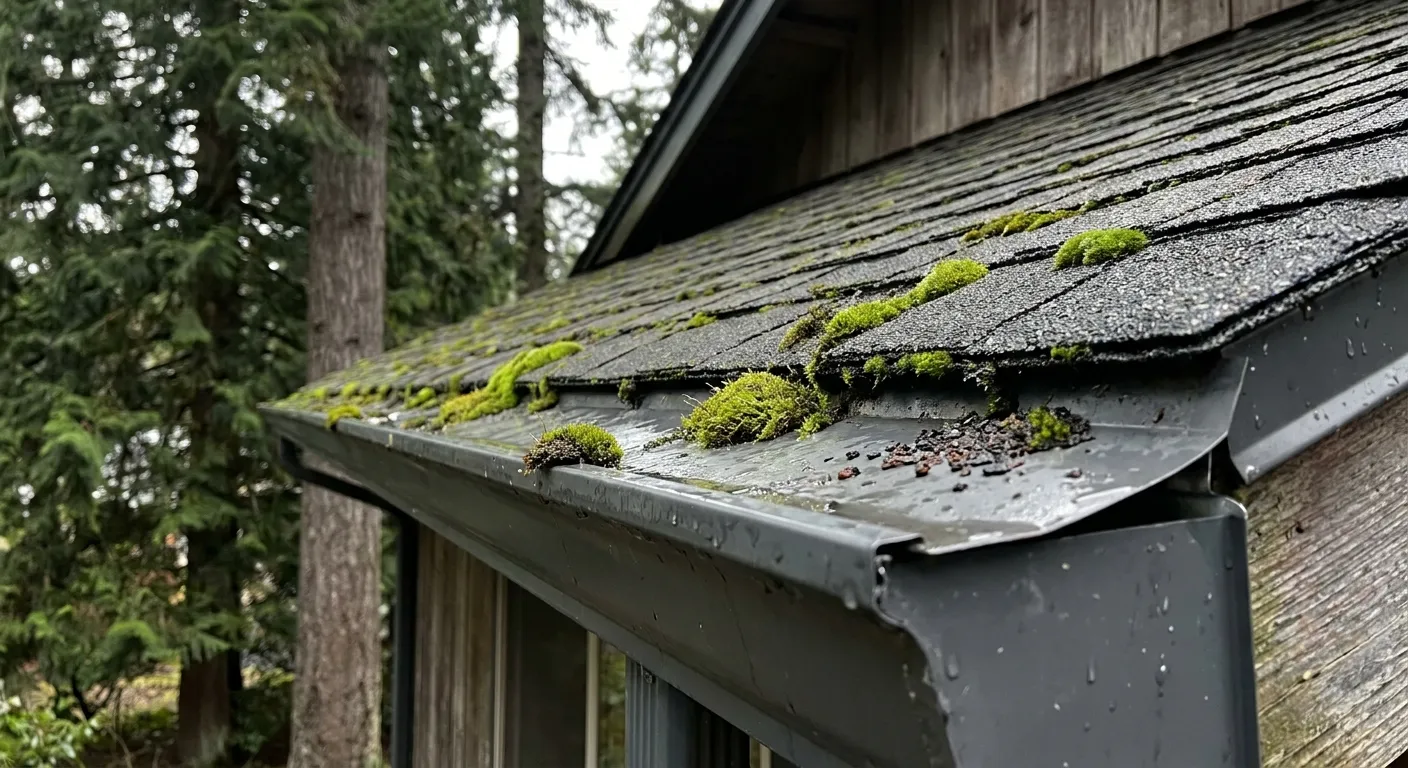
Moss is not just a green stain on a roof. It can hold moisture against shingles, spread across shaded areas, and make routine maintenance harder to manage. In the Pacific Northwest, long wet seasons, tree cover, and slow drying give moss repeated chances to return. That makes choosing a moss killer for roofs more important than grabbing the strongest cleaner on the shelf. The wrong product, concentration, or application method can create problems of its own, including runoff near landscaping, wear on vulnerable roof materials, and repeated exposure for gutters.
For homeowners, property managers, and property owners, moss control is part of protecting the roof’s ability to shed water. Thick moss may grow beneath shingle edges, trap debris, and keep sections of the roof damp longer after rain. Over time, this can make it harder to spot damaged shingles, clogged gutters, or early signs of a leak. Addressing moss safely can support asphalt shingle maintenance, help preserve roof lifespan, and reduce the chance that a small maintenance issue turns into a larger repair.
Not every mossicide is right for every roof. Zinc-based products, including zinc strips for roof areas that stay damp, may help slow future growth as rain carries small amounts of zinc down the surface. Granular treatments can work gradually, while liquid sprays may act faster on active moss and algae. Bleach can also be effective, but a strong bleach solution for roof moss can harm nearby plants and may contribute to gutter corrosion from chemicals when it is used too often or rinsed poorly. A low-toxicity roof cleaning solution may be a better choice when gardens, storm drains, or sensitive landscaping are close by.
The condition of the roof matters just as much as the treatment. Older shingles, visible shingle granule loss, steep slopes, aluminum gutters, and heavy moss growth all call for extra care. Pressure washing is not a safe shortcut because it can loosen shingles and strip away protective granules. Careful treatment, gentle removal after the moss has died, clean gutters, and trimmed branches are often safer parts of a complete roof moss prevention plan.
This guide explains how to compare zinc treatments, bleach-based cleaners, and eco-friendly options; how sprays and granules work; and what to consider before applying anything to your roof. You will also learn when recurring moss, aging shingles, or concerns about leaks make professional roof cleaning a smarter next step.
Moss on Roofs: Why Safe Removal Matters
Moss is more than a cosmetic problem. It holds moisture against the roof surface, slows drying, and can grow beneath shingle edges. Over time, this can make shingles more likely to curl, lift, or wear unevenly. Moss can also hide cracked shingles, exposed nail heads, and damaged flashing that need attention.
In the Pacific Northwest, long wet seasons, shaded lots, and tree cover make moss especially common. The best moss killer for roofs should do more than kill visible growth. It should protect asphalt shingles, gutters, landscaping, and the roof’s remaining lifespan.
How Moss Grows on Roofs in the Pacific Northwest
Moss thrives where a roof stays damp and receives limited sunlight. North-facing slopes, overhanging branches, clogged gutters, and layers of fallen needles all create slow-drying conditions. A roof may look dry from the ground while moss remains damp near the lower edges or beneath tree cover.
For property managers and homeowners, recurring moss is often a sign that seasonal roof maintenance needs more attention. Removing growth safely is important, but improving drainage and airflow helps reduce the conditions that allow it to return.
Why the Wrong Treatment Can Cause New Problems
A harsh chemical, aggressive scrubbing, or pressure washer can turn a moss problem into a roofing problem. Asphalt shingles have protective mineral granules that can loosen under rough cleaning. Strong chemical runoff can also harm plants, discolor siding, and contribute to gutter corrosion from chemicals.
The goal is to kill moss and remove it carefully without damaging the roofing system around it.
What to Know Before Choosing a Moss Killer for Roofs
The best choice is not always the product that kills moss fastest. Roof age, shingle condition, slope, gutter material, landscaping, and nearby storm drains all affect which roof moss treatment is appropriate.
Roof Type and Surface Condition Matter
Asphalt shingle maintenance requires a gentle approach. Older shingles may already have granule loss, brittle edges, or weakened seal strips. Applying a strong cleaner or walking on a fragile roof can cause more damage than the moss itself.
If the roof has visible wear, lifted shingles, bald spots, or recurring leaks, arrange an inspection before applying any mossicide. Cleaning does not repair worn roofing materials.
Nearby Materials and Landscaping Should Be Protected
Moss killer runoff can travel from the roof into gutters, downspouts, gardens, driveways, and stormwater areas. Aluminum gutters deserve special care. Repeated exposure to some strong chemicals, including high-concentration bleach and certain ammoniated fatty acid formulas, may contribute to corrosion over time.
Before treatment, consider:
- Gutter material and condition
- Plants directly below roof edges
- Downspout discharge locations
- Nearby storm drains or water features
- Painted siding, decks, and metal flashing
When DIY Might Be Reasonable and When It May Not Be
Light moss on a newer, low-slope roof may be manageable with a labeled roof cleaning solution and careful application from a ladder or other safe position. DIY treatment is less suitable when moss is thick, the roof is steep, shingles are aging, or you cannot control runoff.
Repeated regrowth, leak concerns, and uncertain roof condition are good reasons to seek professional help rather than applying treatments season after season.
Zinc Moss Killer for Shingles: How It Works
A zinc moss killer for shingles is often used for prevention and long-term regrowth control. Zinc treatments can be helpful in damp climates because rainwater carries small amounts of zinc across the roof surface.
What Zinc Does on a Roof
As rain moves over zinc, it carries zinc compounds down the shingles. This makes the surface less welcoming to moss, algae, and similar growth. Zinc does not usually remove a thick moss layer immediately, but it can slow future growth after the existing moss has been treated or carefully removed.
Zinc works best as part of a larger roof moss prevention plan that includes gutter cleaning, debris removal, and branch trimming.
Zinc Strips vs. Granules vs. Liquid Products
Zinc strips for roof installation are placed near the ridge. They offer ongoing protection below the strip as rainwater flows down the roof. They are most useful where moss keeps returning in the same shaded areas.
Zinc granules are scattered according to the manufacturer’s directions. Homeowners researching how to apply zinc granules to kill roof moss should know that safe roof access is essential. Granules can be difficult to spread evenly on steep roofs and should not be used in a way that creates concentrated runoff.
Liquid zinc products allow more targeted application. They may suit smaller moss areas, but runoff control still matters. The right form depends on roof slope, access, and how much active moss is present.
Benefits and Limits of Zinc Treatments
Benefits of zinc include:
- Helps slow moss regrowth
- Supports easier long-term maintenance
- Can reduce the need for frequent heavy cleaning
- Works well as a preventive step in damp areas
Zinc is not a fast cure for heavy, established moss. Thick growth may need to be killed first and allowed to loosen before gentle removal. A roof inspection can help determine whether zinc is enough or whether the roof needs cleaning and repairs first.
Best Use Cases for Zinc in Damp Climates
Zinc is often a practical choice for shaded Pacific Northwest roofs that develop moss repeatedly. It is especially useful after the roof has been cleaned and the conditions causing regrowth have been improved. Keep gutters clear and trim branches that hold moisture over the roof for better results.
Bleach Solution for Roof Moss: When It Helps and When It Hurts
A bleach solution for roof moss can kill visible moss and algae, but it must be used with care. Bleach is not automatically the best roof moss remover simply because it acts quickly.
How Bleach Kills Moss and Algae
Bleach-based roof cleaning can kill moss, algae, and dark organic staining. It may lighten stains on shingles and make dead growth easier to remove later. Some roof cleaning methods use carefully controlled bleach-based solutions with low-pressure application.
However, the mix, amount, roof condition, and runoff management all matter. A bleach solution should only be used according to product directions and roofing manufacturer guidance.
Risks of Strong Bleach Mixes
Strong bleach mixes can discolor materials, harm plants, and affect painted or metal surfaces. Overuse may also contribute to shingle wear, especially when combined with scrubbing or repeated applications on aging asphalt shingles.
Bleach does not directly remove granules like pressure washing can, but harsh application and rough follow-up cleaning may increase visible shingle granule loss. Repeated chemical exposure may also increase the risk of gutter corrosion from chemicals, particularly on aluminum gutters.
Protecting Plants, Gutters, and Stormwater Areas
If bleach is used, protect the surrounding area first. Wet nearby plants before and after treatment, avoid overspray, and direct runoff away from garden beds where possible. Keep treatment out of storm drains and avoid applying it before heavy rain.
Do not assume gutters will safely dilute everything. Chemicals can sit in gutter channels and downspouts, especially where debris blocks water flow.
When Bleach May Be a Poor Choice
Bleach may not be ideal for:
- Older roofs with brittle or worn shingles
- Roofs with existing granule loss
- Homes with sensitive landscaping below
- Aluminum gutters showing age or corrosion
- Heavy moss buildup that needs more than one treatment
In these situations, a lower-toxicity option or professional roof cleaning may be a safer path.
Eco-Friendly Roof Cleaning Solution Options
An eco-friendly moss killer for roofs in Pacific Northwest settings can be a good fit where gardens, pets, and stormwater runoff are major concerns. These products are generally designed to be lower toxicity, but they still need correct use.
What Makes a Roof Cleaning Solution More Eco-Friendly
Low-toxicity roof cleaners may use ingredients that are less harmful around plants and drains than strong bleach formulas. Some are biodegradable or designed to break down more safely after use.
Still, “eco-friendly” does not mean risk-free. Any cleaner can affect roofing materials, plants, or waterways if it is overapplied or allowed to run off in concentrated amounts.
Where Eco-Friendly Products Make Sense
These options often make sense for homes with close landscaping, vegetable gardens, pets, or downspouts that drain near stormwater systems. They can also support lower-risk maintenance routines for rental properties and multi-unit buildings.
Limits of Low-Toxicity Products
Gentler treatments may work more slowly than bleach. Thick moss may require repeated applications, time to dry out, and careful removal afterward. This tradeoff can be worthwhile when protecting plants, gutters, and runoff areas is the priority.
How to Choose the Right Product for Your Roof
Match the product to the amount of moss, roof age, gutter material, and nearby landscape. The safest moss killer for asphalt shingle roofs is usually one that is compatible with the shingles and can be applied without aggressive brushing, soaking, or uncontrolled runoff.
Granule vs. Liquid Moss Killers: Which One Is Better?
Granular and liquid treatments work differently. Neither is always better, because roof shape, access, and moss severity affect the choice.
How Granular Treatments Work
Granules are commonly used for gradual treatment or prevention. They can release active ingredients over time as rain moves across the roof. This may be helpful for recurring light moss but is not usually the fastest answer for thick growth.
Granules also require safe placement. Walking on a steep, wet, or aging roof to spread them can be dangerous and may damage shingles.
How Liquid Sprays Work
Liquid sprays provide more direct coverage and may work faster on active moss and algae. They can be useful for spot treatment, especially on smaller areas that can be reached safely.
The challenge is applying an even amount without overspray. Liquids can flow quickly into gutters, landscaping, and drains, so careful runoff control is necessary.
Choosing Between Granules and Sprays
Granules may better support prevention, while liquids may be more useful for active growth. Consider roof slope, roof access, moss thickness, and the ability to protect nearby plants. The best roof moss remover depends on the roof, not just the label.
Why Pressure Washing Should Never Be Used on Mossy Roofs
Pressure washing should not be used on asphalt shingle roofs. Even when moss is thick, high-pressure water is too aggressive for the roofing surface.
How Pressure Washing Damages Roofs
Pressure can strip protective granules, loosen shingles, break seals, and force water beneath the roofing layers. Water pushed into weak areas around flashing, vents, or damaged shingles can lead to leaks.
Safer Alternatives to Pressure Washing
A soft washing roof approach uses low pressure and an appropriate cleaning solution rather than forceful water. Moss should usually be treated first, allowed to die and loosen, then removed gently only where needed.
How to Remove Moss Safely After Treatment
Killing moss is only part of the process. Dead moss can still hold moisture and wash into gutters, so it needs careful follow-up.
Let the Product Work First
Allow the cleaner time to work according to its instructions. Moss often changes color, dries out, and loosens gradually. Rushing removal can pull at shingles or scrape away granules.
Gentle Removal Methods
Use only light, controlled removal methods when the roof condition allows it. Soft brushing in the direction of the shingles can help remove loose debris. Avoid metal tools, hard scraping, and brushing upward against shingle edges.
Clean Up Gutters and Downspouts Too
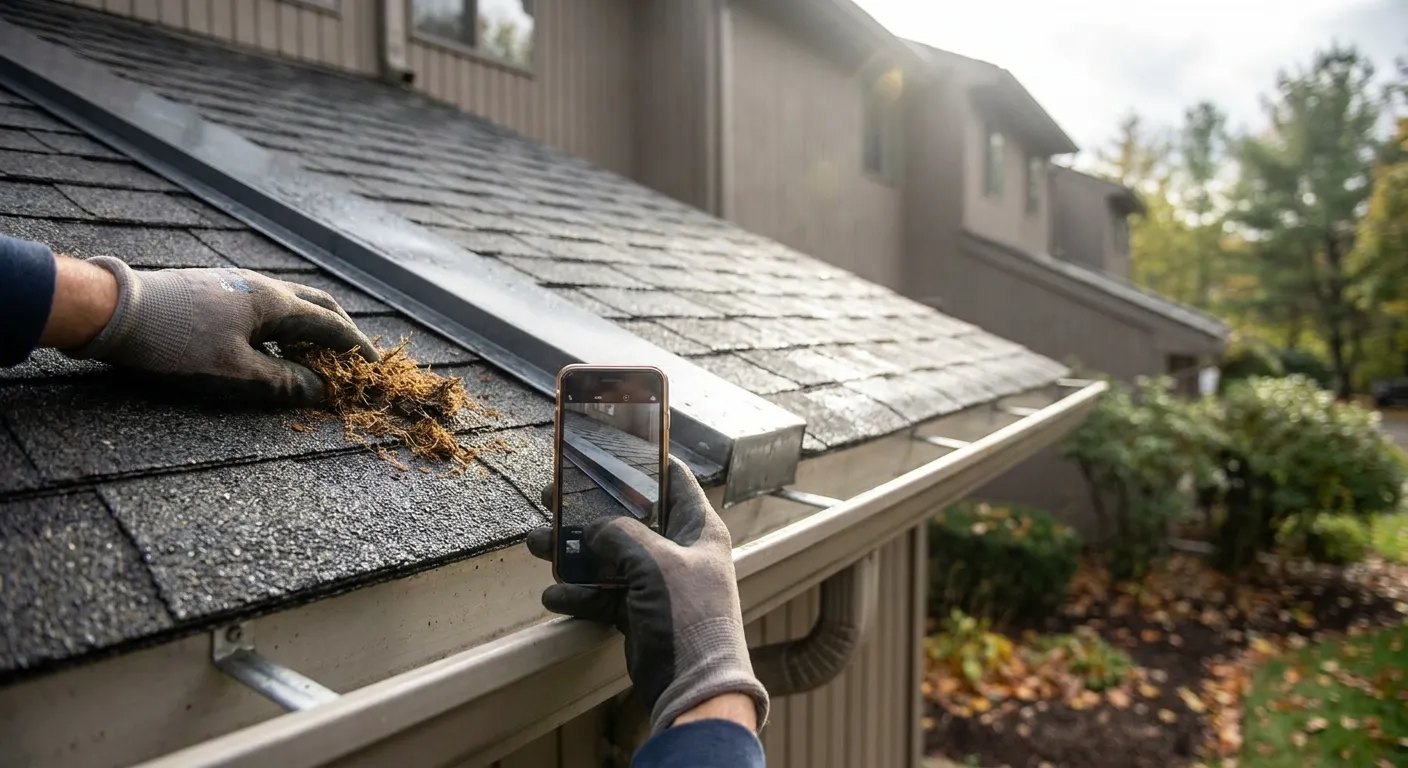
Dead moss, leaves, and loosened granules can collect in gutters after treatment. Keeping this material out of the drainage system helps water move away from the roof edge. Learn more about the role of gutters in protecting your home.
How to Prevent Moss from Coming Back
Moss prevention is ongoing roof care, not a one-time chemical treatment. In wet Pacific Northwest weather, small maintenance steps can make a meaningful difference.
Reduce Shade and Moisture on the Roof
Trim branches that keep the roof shaded or drop needles and leaves onto shingles. Better sunlight and airflow help the roof dry faster after rain. Do not remove trees solely for moss control, but targeted trimming can reduce moisture buildup.
Keep Gutters and Drainage Clear
Blocked gutters hold water near the roof edge and can create damp conditions where moss grows easily. Clean gutters and downspouts regularly, especially after leaf fall. See how poor roof drainage shortens lifespan during rainy seasons.
Add Moss Prevention to Seasonal Roof Maintenance
Check the roof before and during the wet season for debris, blocked drainage, and early green growth. A regular schedule makes it easier to address small problems before moss becomes thick. Use this roofing maintenance for rainy seasons PNW checklist along with guidance on comprehensive roofing maintenance for rainy seasons.
Watch for Early Signs of New Growth
Look for green patches, dark damp streaks, buildup behind chimneys, and debris trapped in roof valleys. Early treatment is generally easier and less stressful on shingles than removing deep moss mats.
When Moss Problems Point to Bigger Roof Issues
Moss can hide roof damage, especially on older roofs. If it returns quickly despite treatment, there may be an underlying moisture, drainage, or roofing condition issue.
Signs the Roof May Need More Than Cleaning
Watch for missing shingles, lifting edges, exposed fiberglass mat, soft spots, damaged flashing, or recurring interior leaks. Moss may cover these signs and make a roof appear better than it is.
Why Older Roofs Need Extra Attention
Aging shingles may not tolerate repeated chemical applications or foot traffic. If the roof is near the end of its service life, cleaning alone may not be a practical long-term answer. This guide to roof replacement in Bellevue explains factors that can affect replacement decisions.
When a Roof Inspection Is the Smart Next Step
An inspection can separate a cleaning issue from a repair or replacement issue. It can also identify weak areas that moss has concealed. Review these tips for identifying roof weaknesses during rainy season maintenance.
Choosing the Right Moss Killer for Different Roof Situations
No single mossicide is right for every property. Match the treatment to the roof’s condition and the risks around it.
Best Fit for Light Moss on a Newer Roof
For light growth on sound shingles, a gentle roof cleaning solution or carefully applied zinc-based prevention may be appropriate. Early treatment helps avoid aggressive cleaning later.
Best Fit for Shaded Roofs with Recurring Moss
For consistently damp, shaded roofs, zinc strips or other zinc treatments may help slow regrowth. Combine them with branch trimming, gutter maintenance, and regular debris removal.
Best Fit for Heavy Moss or Roofs with Visible Wear
Heavy moss, steep slopes, aging shingles, and vulnerable aluminum gutters often call for professional assessment. These roofs may need a controlled cleaning method and a closer look at hidden damage before any treatment is selected.
When to Call Roof Pros NW for Help
Professional help is a sensible choice when safe access, roof condition, or chemical runoff is uncertain.
Signs It Is Time for Professional Roof Cleaning
Consider professional service when:
- Moss keeps returning quickly
- The roof is aging or has visible wear
- There are stains, leaks, or drainage concerns
- You are unsure which chemical is safe
- Gutters, landscaping, or drains are at risk
What Professional Cleaning Can Add
Roof Pros NW can help assess roof condition, moss severity, and the safest cleaning approach for the property. For more information, see professional roof cleaning in Renton, WA or book an inspection or service.
Final Thoughts on Safe Moss Removal for Roofs
The best moss killer for roofs depends on roof age, shingle condition, gutter material, landscaping, and the amount of moss present. Effective treatment should protect the full roofing system, not simply remove green growth.
The Safest Choice Is the One That Fits the Roof
Zinc can support long-term prevention, bleach requires careful control, and eco-friendly options may reduce runoff concerns. Avoid pressure washing, rough scraping, and repeated harsh chemical treatments that can harm shingles or gutters.
Take the Next Step With a Roof Check
If you are unsure which treatment is appropriate, a roof check can help you choose between cleaning, repair, and preventive maintenance. Visit the Roof Pros NW home page to learn more.
Conclusion
Moss on a roof is not just a surface problem. It can hold moisture against shingles, hide damage, and shorten the life of the roofing system if it is ignored for too long. In the Pacific Northwest, where long wet seasons, shade, and tree cover are common, moss often comes back unless the roof, gutters, and drainage are all addressed together.
The biggest takeaway is that safe removal matters as much as the product you choose. A strong chemical, rough scrubbing, or pressure washing can do more harm than the moss itself. Asphalt shingles need a gentle approach, especially if they are older, already losing granules, or showing signs of wear. The best moss treatment is the one that fits the roof’s condition, protects nearby landscaping, and avoids adding runoff problems to gutters, siding, or storm drains.
Zinc treatments can be useful for long-term prevention, especially on roofs that keep developing moss in shaded areas. Bleach-based solutions may kill visible growth, but they must be used carefully and are not always the right choice for older roofs or homes with sensitive plants and gutters. Eco-friendly products may be a better fit when runoff and landscaping are major concerns, but they still need proper application. In all cases, the goal is not just to kill moss quickly. It is to protect the roof and reduce the chance of the problem returning.
Prevention is just as important as cleaning. Regular gutter cleaning, branch trimming, better airflow, and seasonal roof maintenance can all help the roof dry faster and stay in better shape. If moss keeps returning, that may point to a deeper issue such as poor drainage, trapped debris, or hidden roof damage. For more on seasonal care, see roofing maintenance for rainy seasons PNW checklist and how poor roof drainage shortens lifespan.
If you are seeing thick moss, repeated regrowth, leaks, or signs of shingle wear, the smartest next step is a roof inspection. That can help you decide whether cleaning is enough or whether repair or replacement should be part of the plan. A closer look can also uncover damage that moss may be hiding, such as lifted shingles, worn flashing, or weakened edges. For examples of when a roof may need more than cleaning, review identifying roof weaknesses during rainy season maintenance and comprehensive guide to roof replacement in Bellevue.
If you want help choosing the safest path for your roof, Roof Pros NW can help you move forward with a professional evaluation and practical next steps. You can also book an inspection or service when you are ready.
Choosing a moss killer for roofs is not just about removing green growth. Homeowners also need to think about shingle safety, gutter protection, runoff, and how often treatment may need to be repeated in the Pacific Northwest. These key takeaways cover the safest options, common risks, and when professional roof cleaning may be the better choice.
- Pick a moss killer that protects more than the moss: The best roof treatment should kill moss without damaging asphalt shingles, stripping granules, or causing long-term wear to other roof parts.
- Zinc-based treatments can help slow moss regrowth: Zinc strips and zinc moss killers may reduce future moss growth, which is useful on shaded roofs that stay damp for long periods.
- Bleach solutions can work, but they need caution: Bleach may remove moss and algae, but strong mixes can harm shingles, plants, and gutters if they are overused or rinsed poorly.
- Repeated chemical use can corrode aluminum gutters: Some moss killers, especially ammoniated fatty acid products and high-strength bleach runoff, can slowly damage gutters over time with frequent Pacific Northwest applications.
- Eco-friendly options may be safer for nearby landscaping: Low-toxicity roof cleaning products can be a better fit when runoff is a concern around gardens, drains, and stormwater systems.
- Granules and liquid sprays work differently: Granule formulas often release treatment over time, while liquid sprays may act faster, so the right choice depends on roof type and how severe the moss growth is.
- Never pressure wash moss off a roof: Pressure washing can loosen shingles, remove protective granules, and create leaks, so soft washing or careful chemical treatment is usually safer.
- Moss removal works best when paired with prevention: Trimming back shade, cleaning gutters, and using moss prevention methods can help stop fast regrowth in damp Pacific Northwest weather.
- Not every roof should be treated the same way: Roof age, shingle condition, roof slope, and nearby materials all affect which moss killer is safest and most effective.
- Professional help is smart when moss keeps coming back: If moss is thick, the roof is aging, or you are worried about leaks, Roof Pros NW can help with safe roof cleaning and a closer inspection.
With these points in mind, the full article will help you compare moss killer options, understand the risks of each method, and choose a safer approach for your roof, gutters, and home.
Keep Your Roof Ready for Rainy Weather
Regular maintenance helps you catch small roofing issues before they turn into costly repairs. If your roof has not been checked recently, now is a smart time to schedule a professional inspection with Roof Pros NW.
A thorough roof inspection can help you stay ahead of common rainy-season concerns, including blocked drainage, worn shingles, loose flashing, and early signs of moisture damage.
- Identify minor issues before they grow
- Check shingles, flashing, vents, and roof edges
- Spot drainage and gutter concerns
- Get clear recommendations based on your roof’s condition
- Plan maintenance or repairs on your schedule
Do not wait for a heavy storm to reveal a problem. Schedule your seasonal roof check today and protect your home with confidence.
Book your roof inspection with Roof Pros NW
How much does roof moss removal cost for a typical home?
Cost depends on roof size, slope, moss thickness, shingle condition, access, gutter cleaning, and whether any repairs are needed after the moss is removed. Older roofs or roofs with heavy buildup often take more time and care, which affects price. The safest next step is a roof inspection so Roof Pros NW can see what your roof needs and give an accurate estimate.
Is professional roof moss removal worth it, or should I replace the roof instead?
Professional moss removal is often worth it when the roof is still in good structural shape and the moss is the main issue. If the shingles are aging, losing granules, curling, or leaking, cleaning may only be a short term fix. A roof inspection can show whether cleaning, repair, or replacement makes the most sense for your home.
Should I hire a roofer for moss removal if my roof is older and losing granules?
Yes, in most cases you should. An older roof with granule loss can be damaged by harsh scrubbing, pressure washing, or the wrong chemical treatment. A roofer can use a gentler method, check for hidden wear, and tell you whether the roof is still a good candidate for cleaning.
What is the most effective moss killer for roofs?
The best moss killer depends on your roof condition, nearby landscaping, and gutter material. Zinc based treatments are often used to slow regrowth, bleach based cleaners can kill visible moss but must be used carefully, and eco friendly options may be better when runoff is a concern. The most effective choice is the one that removes moss without damaging shingles, gutters, or plants.
How do I know if I need roof repair, roof cleaning, or roof replacement after moss buildup?
If the moss is light and the shingles are still sound, cleaning may be enough. If you see missing shingles, lifted edges, soft spots, leaks, or heavy granule loss, repair may be needed. If the roof is near the end of its life or damage is widespread, replacement may be the better choice. Roof Pros NW can inspect the roof and help you decide the right path.
