Roofing Maintenance for Rainy Seasons: PNW Checklist
A roof can look fine from the street while moisture is slowly working its way beneath shingles, around flashing, or into the attic. In the Pacific Northwest, that kind of hidden wear is common. Weeks of steady rain, damp debris, wind, and moss growth can put pressure on roofing materials long before you see a drip on the ceiling. By the time water stains, peeling paint, or a musty attic smell appear, the problem may have already spread beyond the roof surface.
That is why roofing maintenance for rainy seasons is not just about reacting to a leak. It is about finding the small issues that allow water to enter and correcting them before long wet weather makes them worse. A cracked shingle, loose vent boot, worn sealant, blocked gutter, or lifted piece of flashing may seem minor on its own. During repeated rainfall, however, each weak spot can direct water toward the roof decking, underlayment, fascia, insulation, and interior finishes.
For homeowners, property managers, and rental property owners, seasonal roof care helps protect more than the roof itself. It can help preserve the value, comfort, and safety of the property while reducing the chance of unexpected repairs during the wettest part of the year. Keeping gutters and downspouts clear is especially important because proper drainage moves water away from the roof edge and foundation. Learn more about the role of gutters in protecting your home and why a simple blockage can lead to water backup.
The rainy season also brings challenges that are easy to overlook. Moss and algae can hold moisture against roofing materials. Leaves and branches can trap water in valleys. Poor attic ventilation can allow damp air to build up beneath the roof deck. Even without an obvious leak, these conditions can shorten roof lifespan if they are not addressed. Regular checks give you a clearer picture of how your roof is handling the weather and whether it needs cleaning, a targeted repair, or a professional inspection.
You do not need to climb onto the roof to take smart action. Many warning signs can be spotted from the ground, inside the attic, or around gutters and roof edges. Still, a trained roofer can safely inspect areas that are difficult to see and identify concerns that may not be clear to an untrained eye.
This guide covers practical rainy season roof maintenance steps, including shingle and flashing checks, gutter cleaning, moss control, attic moisture awareness, and early signs of water damage. You will also learn when routine maintenance is enough and when it is time to schedule a professional roof inspection before the next stretch of heavy rain.
Roofing Maintenance for Rainy Seasons: Why PNW Homes Need a Seasonal Checklist
Pacific Northwest roofs face a different kind of weather stress than roofs in dry climates. Instead of only dealing with a few intense storms, many homes experience weeks of steady rain, damp air, wind, and limited sunlight. This long exposure to moisture can affect shingles, flashing, gutters, and the wood beneath the roofing materials.
A seasonal checklist helps homeowners and property managers focus on the areas where water problems often begin. Consistent roofing maintenance for rainy seasons can help catch small concerns before they become active leaks, wood rot, or interior water damage.
How Rainy Weather Affects Roofs Over Time
Rain does not always cause an immediate drip inside the home. Slow moisture exposure can work under lifted shingles, worn sealant, or damaged flashing over time. The roof underlayment, which is the protective layer beneath shingles, can become saturated if water repeatedly enters the same weak spot.
Moist conditions also support moss and algae growth. Moss can hold water against the roof surface, while wet leaves and debris can block drainage paths. These issues may shorten the life of roofing materials when left unaddressed through several wet seasons.
Wind adds another concern. Strong gusts can loosen shingle edges, move flashing, or push rain into small openings around vents and chimneys. A roof may look acceptable from the ground but still have weak points that need attention.
What This Checklist Will Help You Catch Early
A practical rainy-season roof maintenance checklist helps identify concerns such as:
- Missing, cracked, curled, or loose shingles
- Rusted, lifted, or separated flashing
- Clogged gutters and slow-moving downspouts
- Moss, algae, branches, and leaf buildup
- Worn caulking around roof penetrations
- Attic moisture, stains, or poor ventilation
- Early signs of roof leaks around ceilings and walls
Reviewing these areas before and during the wet season makes it easier to plan repairs on your schedule. The first step is a careful look at the roof itself.
Start With a Full Roof Inspection Before the Rain Picks Up
A pre-rainy season roof inspection gives you a clear picture of the roof’s condition before steady weather makes problems harder to manage. Homeowners can safely inspect many areas from the ground, inside the attic, and around the exterior of the home. Avoid walking on a steep, wet, mossy, or damaged roof.
For a more detailed review, consider identifying roof weaknesses before rainy season with a planned inspection approach.
Signs of Wear to Look for on Shingles and Roof Surfaces
Look at the roof from the ground using binoculars if needed. Watch for shingles that are curled, cracked, broken, darkened, or missing. Asphalt shingles may also lose granules over time. Granules often appear as coarse, sand-like material in gutters or at the bottom of downspouts.
Pay close attention to roof sections below large trees. Falling branches, repeated leaf buildup, and shade can cause these areas to stay wet longer than the rest of the roof.
Other surface concerns include:
- Shingles that appear uneven or lifted at the edges
- Exposed nail heads
- Sagging areas along the roofline
- Damaged ridge caps at the top of the roof
- Patches that look noticeably different from surrounding materials
A sagging roofline or widespread shingle damage needs professional review. These issues can point to moisture damage beneath the roof covering rather than a simple surface repair.
Check Flashing, Roof Penetrations, and Weak Spots
Flashing is the metal material installed around roof transitions and openings to direct water away. It is commonly found around chimneys, skylights, vents, dormers, and wall intersections. Because these are transition points, they are common locations for roof leaks.
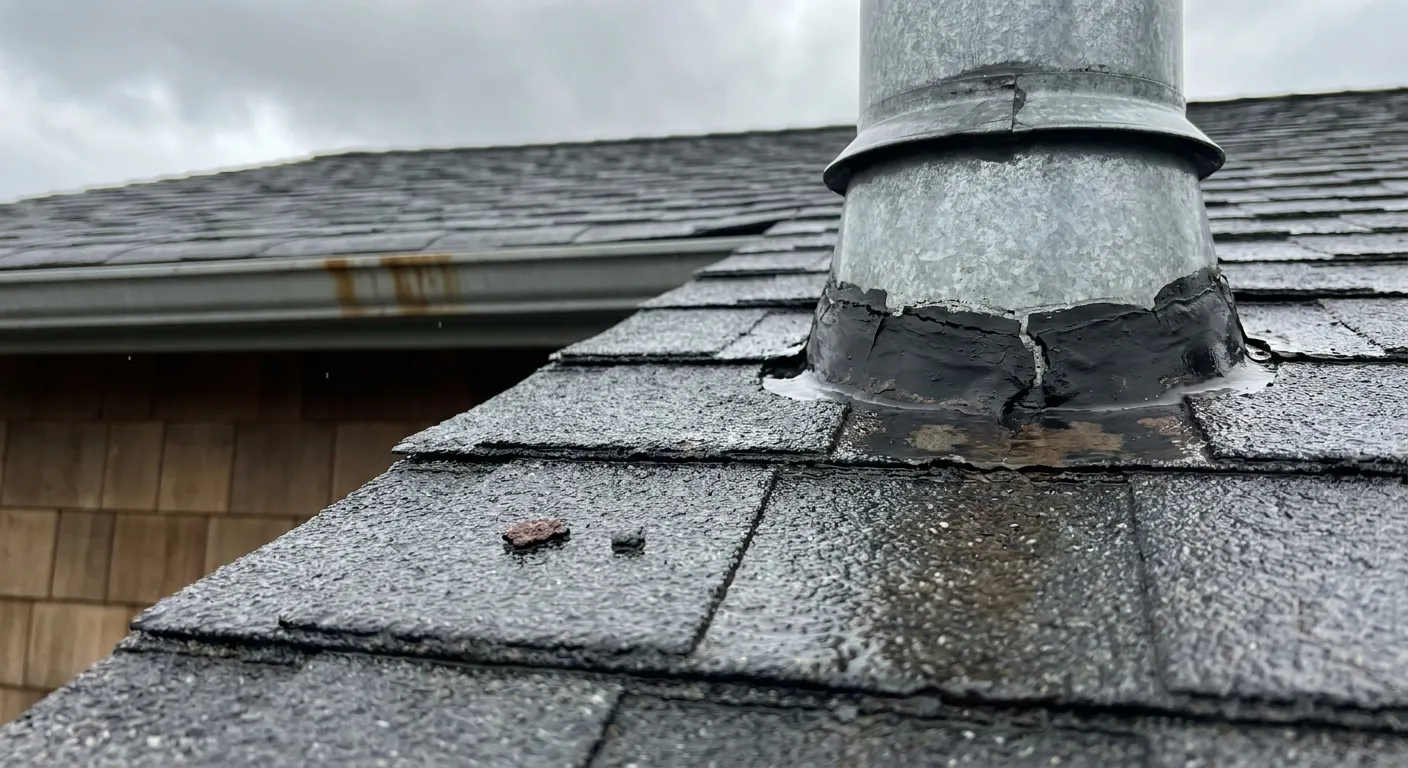
From a safe viewing point, look for flashing that appears bent, loose, rusted, separated, or covered by debris. Also check rubber boots around plumbing vents. Cracked or deteriorated vent boots can allow water into the roof system even when surrounding shingles look fine.
Skylights deserve extra attention because water can enter around the frame, flashing, or surrounding shingles. If you see ceiling staining near a skylight, do not assume the glass itself is the only issue.
When a Professional Roof Inspection Is the Safer Choice
A homeowner inspection is useful, but it cannot always reveal hidden moisture under shingles or around flashing. A professional roof inspection is especially helpful if the roof is older, has a history of leaks, has extensive moss, or was exposed to recent wind damage.
A roofer can safely inspect steep areas, check vulnerable roof penetrations, and identify whether a repair is needed before rainy weather becomes more severe. Once the roof surface has been reviewed, drainage should be the next priority.
Keep Gutters and Downspouts Clear So Water Can Flow Away
Gutters are part of the roof drainage system. They collect rainwater at the roof edge and direct it through downspouts away from the home. When gutters clog, water can back up under shingles, overflow onto siding, and soak fascia boards, which are the boards along the roof edge.
Why Clean Gutters Matter During Heavy Rain
Even moderate rain can cause problems when gutters are filled with leaves, moss, roof granules, and small branches. In the Pacific Northwest, debris may stay wet for long periods and create a dense blockage that prevents normal water flow.
Overflowing gutters can also wash soil away near the foundation and create wet areas around the building. For a closer look at the role of gutters in protecting your home, consider how roof drainage affects more than the roof alone.
What to Check in Gutters and Downspouts
Clean gutters only when conditions are dry and safe. Use a stable ladder, follow ladder safety practices, and have another person nearby when possible. If the roof is steep or the property is multi-story, professional service is often the safer option.
Check for:
- Leaves, twigs, moss, and shingle granules
- Standing water inside the gutter channel
- Gutters pulling away from the fascia
- Loose brackets or sagging sections
- Downspout openings blocked by debris
- Downspouts that discharge too close to the foundation
After clearing visible debris, run water through the system with a hose. The water should move freely through the gutters and out of each downspout. If it backs up, drains slowly, or spills from joints, the system needs further attention.
Drainage Problems That Can Shorten Roof Life
Poor drainage keeps water near the roof edge, where it can affect shingles, underlayment, fascia, and soffits. It may also allow water to travel behind siding or into wall areas. Over time, repeated moisture exposure can lead to rot in wood components.
Learn more about how poor roof drainage shortens lifespan and why gutter care should be part of every rainy season routine. After drainage is flowing properly, turn attention to anything holding moisture on the roof surface.
Watch for Moss, Algae, and Debris That Hold Moisture Against the Roof
Moss, algae, and debris are common roofing concerns in shaded Pacific Northwest neighborhoods. They do not always mean a roof needs replacement, but they should not be ignored. Moisture held against roofing materials can increase wear and hide developing damage.
Why Moss Growth Is a Common PNW Roof Problem
Moss grows well where there is shade, rain, and organic material. North-facing slopes, areas below trees, and roof valleys often stay damp longer. Moss can lift shingle edges as it grows, creating paths where water may enter.
Algae may appear as dark streaks or discoloration. It is often more of a surface appearance issue than moss, but it still signals a damp environment that deserves monitoring.
Safe Ways to Handle Debris and Moss Buildup
Never use a pressure washer on an asphalt shingle roof. High pressure can remove protective granules, loosen shingles, and force water beneath the roofing surface. Avoid scraping moss aggressively because this can also damage shingles.
Safer steps include gently removing loose leaves and branches from accessible areas with a soft tool while standing safely on the ground or a ladder. For moss treatment, use methods recommended for the specific roof material and follow product directions carefully. A roofing professional can advise whether the moss is only surface growth or has contributed to shingle damage.
Roof Areas That Often Trap Leaves and Moisture
Certain roof areas need more frequent checks because debris naturally collects there:
- Valleys where two roof slopes meet
- Behind chimneys
- Around skylights and vent pipes
- At the lower roof edge near gutters
- Under overhanging tree branches
- Where a roof meets a wall or dormer
Keeping these areas clear supports drainage and makes it easier to spot damaged shingles or flashing. It also helps reveal signs of water damage before they spread inside the home.
Check for Early Signs of Water Damage Inside and Outside the Home
The absence of a ceiling drip does not always mean the roof is dry and sound. Slow leaks can wet insulation, roof decking, or framing for weeks before reaching an interior ceiling. Regular checks can help identify moisture problems early.
Interior Warning Signs That May Point to a Roof Problem
Inspect upper-floor ceilings, attic spaces, walls near rooflines, and rooms around skylights. Look for changes that seem new or grow after rainy periods.
Common warning signs include:
- Brown, yellow, or gray ceiling stains
- Peeling paint near ceilings or exterior walls
- Damp insulation in the attic
- A musty smell in upper rooms or attic spaces
- Dripping, damp spots, or bubbling drywall
- Mold or mildew around ceiling corners
A stain does not always mean there is an active roof leak. It could come from plumbing, condensation, or another source. However, it should be checked promptly so the source can be identified.
Exterior Signs That Should Not Be Ignored
Outside, look for water marks on fascia boards, peeling paint around roof edges, rotted trim, or siding that looks unusually damp beneath a gutter. Also watch for loose shingles after windy weather and water running behind gutters instead of through them.
If a roof edge looks dark, soft, or uneven, there may be moisture damage to the wood behind the gutter. This is a good time to request an inspection rather than waiting for visible interior damage.
How to Tell the Difference Between a Small Issue and a Bigger Concern
A small concern may include a few leaves in one gutter section, minor sealant wear, or a small patch of moss with no visible shingle damage. These still need maintenance, but they may not require urgent repair.
A bigger concern includes repeated ceiling stains, missing shingles, sagging roof sections, active dripping, separated flashing, or water entering after every rain. These issues can worsen during prolonged wet weather and should be assessed by a roofing professional.
When Roof Leak Repair May Be Needed
If water is entering the home, place a container under drips if it is safe to do so, move valuables away from the area, and avoid disturbing wet electrical fixtures. Then arrange an inspection as soon as possible.
Resources on roof leak repair in Bellevue, WA can help property owners understand why finding the source matters. Repairing the visible stain without addressing the roof opening will not solve the underlying issue.
Make Sure Your Attic Has Proper Ventilation and Moisture Control
The attic is part of the roofing system. It needs balanced airflow to help manage heat and moisture. When warm indoor air reaches a cold roof surface during wet, cool weather, condensation can form inside the attic.
How Poor Ventilation Adds Stress to the Roof System
Poor attic ventilation can trap humid air beneath the roof deck. Over time, this moisture may contribute to mold, damp insulation, and wood deterioration. It can also make it harder for the roof structure to dry after small amounts of water intrusion.
Ventilation does not replace roof repair, but it supports the roof by reducing moisture buildup from inside the home.
What Homeowners Can Look for in the Attic
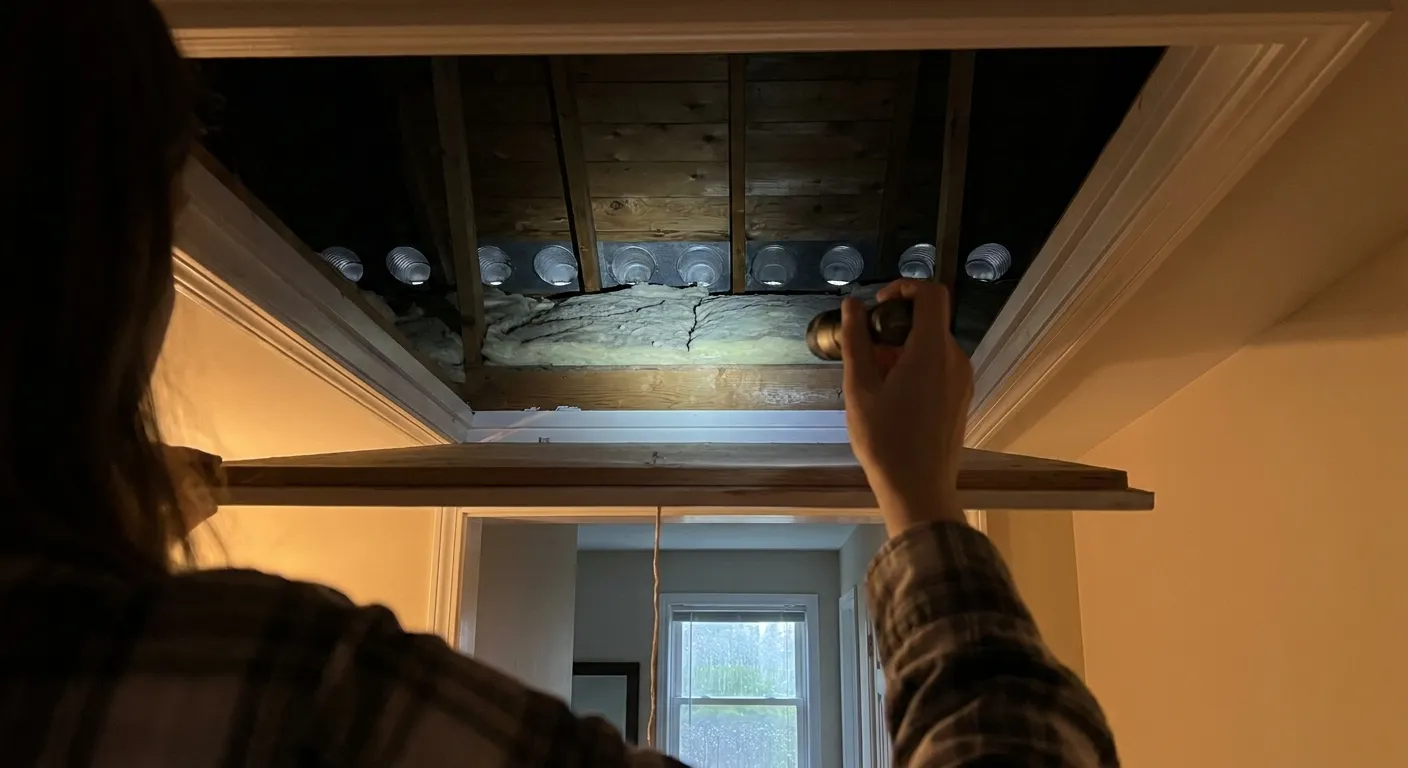
Use a flashlight and inspect the attic on a dry day when possible. Do not step between ceiling joists or disturb insulation unnecessarily.
Look for damp wood, dark staining, mold-like growth, rusty nails, wet insulation, or light showing through the roof deck. Also check whether bathroom fans vent outside rather than releasing humid air into the attic.
Why Ventilation Supports Roof Lifespan
A dry, well-ventilated attic helps roofing materials and wood components handle seasonal moisture more effectively. If attic moisture is present, a roofer can assess the roof side of the issue, while an insulation or ventilation specialist may be needed for related airflow concerns.
Inspect Sealants, Caulking, and Waterproofing Around Problem Areas
Sealants and caulking provide added protection around certain roof details, but they do not last forever. Sun exposure, temperature changes, moisture, and natural building movement can cause these materials to crack or separate.
Where Sealants Often Break Down First
Check areas around vent pipes, skylights, chimney flashing, satellite mounts, and other roof penetrations. These locations combine different materials and are exposed to water flow, making them more likely to need periodic maintenance.
Sealant may look cracked, dry, pulled away from the surface, or missing in spots. Keep in mind that visible caulk is not always the full waterproofing system. Flashing beneath the roofing materials may also need inspection.
Signs a Waterproofing Area May Need Attention
Warning signs include staining around a roof penetration, loose flashing, cracked vent boots, recurring moss at the same roof detail, or a leak that appears only during wind-driven rain. Wind can push water sideways beneath weak flashing in ways that straight rainfall may not.
When Repairs Should Be Handled by a Roofer
Small ground-level caulking tasks may be manageable for some homeowners, but roof sealants should not be used as a blanket fix for every problem. Applying sealant over damaged flashing or worn shingles can hide the issue without correcting it.
A roofer should handle flashing replacement, shingle repairs, vent boot replacement, skylight leak concerns, and waterproofing repairs that require lifting roofing materials. These repairs work best when they are part of a complete maintenance plan.
Use Seasonal Roof Maintenance Tips to Build a Simple Rainy Season Routine
Roof care is easier when it becomes a regular habit instead of a last-minute response to a leak. A routine can be adjusted for the age of the roof, tree cover, property type, and local weather conditions.
For added local guidance, review seasonal roof maintenance tips for Bellevue homeowners or seasonal roof maintenance tips for Issaquah homeowners.
What to Do Before Rainy Season Starts
Before the wet season, inspect the roof from the ground, clear gutters, trim back branches that touch or hang over the roof, and remove loose debris from safe-to-reach areas. Check attic conditions and look for stains on upper ceilings.
This is also the best time to schedule professional maintenance if you find loose shingles, aging flashing, or drainage problems.
What to Do During the Wet Season
During the wet season, watch how water moves across the roof and through the gutter system. Check after heavy rain or wind for overflowing gutters, fallen branches, loose materials, and new indoor stains.
Do not climb onto a wet roof to investigate. Take clear photos from the ground if possible and note where you saw the concern. This information can help a roofer assess the situation.
How Often to Schedule Routine Checks
Most properties benefit from a roof and gutter check before the rainy season and another check after major storms or wind events. Homes beneath large trees may need gutter cleaning more often, especially during leaf drop.
Property managers should also document inspections and repairs for each building. Consistent records make it easier to track recurring concerns and plan maintenance budgets.
Know When to Call a Professional Roofer Instead of Handling It Yourself
DIY maintenance can be useful for simple, low-risk tasks. However, roofing work involves fall risks and the possibility of causing more damage if materials are handled incorrectly. Knowing when to call for help protects both the property and the person doing the work.
Maintenance Tasks Many Homeowners Can Handle
Many property owners can safely manage tasks such as:
- Looking for visible roof damage from the ground
- Checking ceilings and attic spaces for moisture signs
- Clearing easily reached leaves from gutters
- Watching downspout flow during rain
- Removing loose branches from the yard and roof perimeter
- Documenting stains, overflow, or storm damage with photos
Always avoid roof access when surfaces are wet, slippery, steep, or covered in moss.
Problems That Should Be Left to a Roofer
Call a roofer for missing or damaged shingles, leaking skylights, loose flashing, soft roof decking, active interior leaks, sagging areas, extensive moss removal, and roof penetrations that need repair. These issues often require specialized materials and safe access equipment.
If you notice several warning signs at once, review the top signs you need immediate roof repair and schedule professional help.
Why Timely Repairs Matter in Rainy Weather
During long wet seasons, small openings can receive repeated water exposure. A timely roof repair may prevent moisture from reaching the roof deck, insulation, or interior finishes. Addressing a concern early is usually simpler than waiting until the damage becomes more visible.
Final Rainy Season Roof Maintenance Checklist
Use this checklist as a simple guide before and during wet Pacific Northwest weather.
Quick Checklist for Homeowners and Property Managers
- Inspect shingles, roof edges, valleys, and ridge caps from the ground
- Check flashing around chimneys, skylights, vents, and wall connections
- Clean gutters and confirm downspouts move water away from the home
- Remove leaves and branches from safe-to-reach roof drainage areas
- Watch for moss and algae, especially on shaded roof slopes
- Inspect attic spaces for dampness, stains, odors, or wet insulation
- Look for ceiling stains, peeling paint, or moisture near skylights
- Check for overflow or standing water during rainfall
- Schedule professional help for leaks, damaged shingles, flashing issues, or sagging areas
What to Remember During Long Wet Seasons
Steady rain can reveal problems slowly. Check your home after storms, but also keep an eye on subtle changes that develop over several weeks, such as darkened trim, new attic odors, or gutters that begin overflowing.
Consistent comprehensive roofing maintenance for rainy seasons helps protect the roof system from the combined effects of moisture, debris, moss, and poor drainage.
Conclusion: Protect Your Roof Before the Next Storm
Rainy weather is a normal part of life in the Pacific Northwest, but water damage does not have to be treated as unavoidable. A seasonal routine focused on inspections, drainage, moss control, attic moisture, and timely repairs can help property owners make informed decisions before small concerns become larger ones.
Take the Next Step With Roof Pros NW
If your roof shows signs of wear, has recurring leaks, or needs a professional rainy-season check, Roof Pros NW can help assess the condition of your roof and explain practical next steps. Schedule through Roof Pros NW booking to arrange a roof inspection or maintenance visit.
Conclusion
Pacific Northwest roofs face a long season of rain, wind, and moisture, so basic upkeep can make a real difference. A good rainy-season routine helps homeowners and property managers catch small problems before they turn into leaks, wood rot, or interior water damage. By checking shingles, flashing, gutters, moss buildup, attic moisture, and sealant conditions, you get a clearer picture of how well the roof is holding up through wet weather.
One of the biggest takeaways from this article is that roof problems often start small and hidden. A loose shingle edge, clogged gutter, worn vent boot, or cracked flashing piece may not look urgent at first, but steady rain can keep working at those weak spots. That is why roofing maintenance for rainy seasons is not just about cleanup. It is about protecting the full roofing system before moisture has time to spread. If you want to go deeper on spotting trouble early, identifying roof weaknesses before rainy season is a helpful place to start.
Drainage also matters more than many people realize. Clean gutters and clear downspouts help move water away from the roof edge, siding, and foundation. When drainage slows down, water can back up where it does not belong and shorten the life of roofing materials. For more on that, the role of gutters in protecting your home and how poor roof drainage shortens lifespan explain why this part of maintenance should not be skipped.
The article also makes one thing clear: not every roof issue can be solved from the ground. Signs like missing shingles, repeated ceiling stains, sagging areas, damaged flashing, or active leaks call for a closer look from a professional. A professional roof inspection can help identify hidden problems that are hard to see during a quick visual check. That is especially important in a damp climate where moisture can work through the roof system slowly over time.
For homeowners, this kind of maintenance helps protect comfort, curb appeal, and long-term roof performance. For property managers and investors, it helps reduce surprise repairs and keeps buildings easier to budget for. Staying ahead of rainy-season wear is usually simpler and less stressful than waiting for visible damage to spread.
If your roof has shown signs of wear, drainage trouble, moss buildup, or possible leak activity, the next step is simple: schedule an inspection and get a clear answer before the next storm cycle. Roof Pros NW can help you review the condition of your roof and decide whether maintenance, repair, or another solution is the best fit. You can book a roof inspection or maintenance visit when you are ready.
Rainy season roof care in the Pacific Northwest is about more than fixing leaks after they start. Because long, steady moisture can wear down roofing materials slowly, a simple seasonal checklist can help protect your home from hidden damage, moss growth, and early roof failure. These key takeaways highlight the most important steps to check before and during the wet season.
- Start with a full roof inspection before the rain picks up: Look for missing shingles, cracked surfaces, loose flashing, and other weak spots that can let water in during long stretches of wet weather.
- Keep gutters and downspouts clear so water can flow away: Clogged gutters can send water back under the roof edge or pool near the home, which raises the risk of leaks and fascia damage.
- Watch for moss, algae, and built-up debris on the roof: In the Pacific Northwest, trapped moisture can lead to moss growth and slow roof wear, even if there is no obvious leak inside.
- Check flashing around chimneys, vents, and skylights: These areas often fail first during rainy seasons, so damaged or loose flashing should be repaired before water gets in.
- Look for signs of slow water damage, not just dripping leaks: Dark stains, soft wood, attic moisture, and peeling paint can point to hidden roof problems that may grow worse over time.
- Make sure your attic has proper ventilation: Good airflow helps reduce trapped moisture, which can protect roof decking, underlayment, and insulation from long-term damage.
- Inspect sealants and waterproofing in problem areas: Worn sealant around roof penetrations and vulnerable joints may need attention before heavy rain creates more damage.
- Know when to call a professional roofer: Simple cleaning may be fine for some homeowners, but a trained roofer can spot deeper issues and help with roof maintenance, leak prevention, and rainy season repairs.
With these seasonal maintenance steps in mind, the rest of this article will walk you through how to prepare your roof for the Pacific Northwest rainy season and what to watch for to help protect your home.
Keep Your Roof Ready for the Next Rainy Season
Regular maintenance helps you catch small roofing issues before they turn into larger repairs. If your roof has not been checked recently, now is a smart time to schedule a professional inspection with Roof Pros NW.
A detailed roof inspection can help you plan maintenance with confidence and protect your home through changing weather.
- Identify loose, damaged, or aging shingles
- Check flashing, vents, and other common weak points
- Spot drainage concerns that can lead to standing water
- Find early signs of leaks or moisture damage
- Get clear recommendations based on your roof’s condition
Do not wait until heavy rain makes a minor issue harder to manage. A timely inspection gives you a better picture of what your roof needs and helps you make informed decisions about repair or maintenance.
Schedule your roof inspection with Roof Pros NW today.
How much does roof inspection cost before rainy season?
The cost depends on roof size, pitch, material, age, access, and whether the inspection is visual or includes a closer look at leaks, flashing, gutters, and attic moisture. A roof with moss, storm wear, or steep areas may take more time to assess. Roof Pros NW can inspect the roof and give you a clear estimate based on what your home needs.
How often should I schedule roof maintenance before the rainy season?
Most homes should have roof maintenance at least once a year before heavy rain starts. Homes with large trees, older roofing, past leaks, or gutter drainage problems may need checks more often. If you manage rental or investment property, a seasonal plan can help you catch problems early and avoid costly water damage.
What is included in a seasonal roof maintenance service?
A seasonal service usually includes checking shingles, flashing, vents, sealant, gutters, downspouts, moss buildup, and signs of moisture damage. A roofer may also look at attic conditions and drainage around the roof edge. The goal is to find weak spots before rain can turn them into leaks.
Is roof moss removal worth paying a roofer for?
Yes, if the moss is widespread, hard to reach, or growing in areas where it can lift shingles and trap moisture. Moss removal matters more in wet climates because it can shorten roof life if left alone. A roofer can remove it more safely and check whether the moss has already damaged the roof surface.
What are the signs I need a roofing contractor before the rainy season starts?
Watch for missing or curled shingles, loose flashing, clogged gutters, moss buildup, ceiling stains, musty attic odors, peeling paint near rooflines, and water overflow during rain. These are early signs that your roof may not handle heavy rain well. If you notice any of them, Roof Pros NW can inspect the roof and help you decide what needs repair.
