Roof Repair Seattle: When to Repair or Replace Your Roof
A roof can look fine from the street and still have a leak that keeps coming back. The hard part is knowing whether that leak needs one careful repair or whether it points to a roof nearing the end of its useful life.
In Seattle, that decision is not always simple. Long wet seasons give water plenty of time to find gaps around shingles, vents, and flashing. Wind can lift roofing materials, while moss can hold moisture against the roof and make it harder to see damage underneath. A small issue may stay limited to one spot, but unchecked water intrusion can also reach insulation, ceilings, and the wood decking beneath the roof.
If you are searching for “roof repair Seattle,” you may be wondering whether another patch is worth the cost. The answer depends on more than a single stain or missing shingle. A newer roof with one damaged area may be a good candidate for repair. An older roof with worn materials, leaks in several places, or problems that return after repairs may need a closer look before you spend more on patching.
That is where the Rule of 20 can help. It gives you a simple way to think about three factors: the age of your roof, the percentage of the roof surface that is damaged, and how often leaks come back. It is a guide for asking better questions, not a fixed rule that says every roof needs replacement at a certain age or level of damage.
Consider what is happening beneath the shingles. Flashing, underlayment, and roof decking all play a part in keeping water out. When several parts are worn or damaged, fixing the most visible spot may not solve the whole problem. On the other hand, moss or a single leak does not automatically mean you need a new roof. A thorough inspection can help tell the difference.
Understanding your options can help you protect your home and plan your budget. Comparing roof repair and replacement means looking at the condition of the entire roof, the likely value of a repair, and the cost of ongoing problems. If you have an active leak, learning what to do when your roof leaks is a place to start.
In this guide, you will learn how to use the Rule of 20, recognize signs that patching may no longer make sense, and decide when to get professional advice. If you want a clearer picture of your roof’s condition, you can book an assessment with Roof Pros NW and discuss your options without pressure.
Roof Repair Seattle: When to Repair or Replace Your Roof
A Seattle roof can look fine from the ground while water slips beneath shingles or flashing. The visible problem may be small, but the layers underneath can tell a different story.
The Rule of 20 offers a starting point for comparing roof repair vs replacement. It looks at roof age, the amount of damaged surface, and whether leaks keep coming back. The goal is to help you decide what to check before paying for another patch.
Why Seattle Roof Decisions Are Hard to Judge at a Glance
Rain, wind, moss, and long wet seasons can make roof wear difficult to see. A loose shingle may be an isolated issue, while a small leak that goes unnoticed can spread moisture into decking, insulation, and ceilings.
What This Guide Will Help You Decide
Start with three questions: How old is the roof? How much of its surface is damaged? Have leaks returned after repairs? Homeowners, property managers, and investors can use these answers to decide when a closer assessment is worthwhile.
The Rule of 20: A Simple Way to Compare Repair vs Replacement
The Rule of 20 is a screening guide, not a building rule or strict formula. Pay closer attention when a roof is around 20 years old, when roughly 20% or more of its surface appears damaged, or when leaks recur despite repair.
The numbers are prompts for inspection, not automatic replacement limits. A newer roof can need replacement, and an older one can still be worth repairing.
Rule 1: Roof Age Matters
Age affects how much useful life a repair may protect. On an older roof, shingles may be worn, underlayment may be weakened, and flashing may no longer seal as well as it should.
Asphalt shingles can look acceptable from below while the layers beneath them are aging. Check installation records if you have them, but let condition guide the decision too.
Rule 2: The Percentage of Damaged Surface Area Matters
A few missing shingles after a windstorm may call for a straightforward repair. Large brittle areas or damage across several roof sections suggest a broader problem.
Think about the whole roof surface, not just the spot above a ceiling stain. The 20% marker is a practical reason to ask for a full assessment, not a universal rule that replacement is required.
Rule 3: Recurring Leaks Matter
A leak that returns after a repair deserves a fresh diagnosis. The original patch may have missed the entry point, or water may be entering through more than one place.
Flashing, underlayment, ventilation, and decking can all play a part. There is no safe number of repeat leaks to ignore, so ask why each leak happened rather than counting repairs alone.
How to Use the Rule of 20 Without Guessing
Consider all three factors together. A 20-year-old roof with one sound, isolated flashing problem may still be repairable. An older roof with widespread wear and recurring leaks is a stronger candidate for replacement.
Do not climb onto a wet roof to estimate damage. Use records and observations from the ground, then ask a roofer to check the areas you cannot see.
Signs Roof Repair May Still Be the Right Choice
Replacement is not the answer to every leak. When damage is limited and the rest of the roof remains sound, a targeted repair can be a practical way to protect its remaining life.
A Few Missing Shingles or One Small Leak
A roofer may be able to replace a few shingles, repair a small leak, or fix one damaged piece of flashing. The key is confirming that the damage is isolated.
If water is already coming inside, learn what to do when your roof leaks while you arrange an inspection.
Localized Flashing or Vent Problems
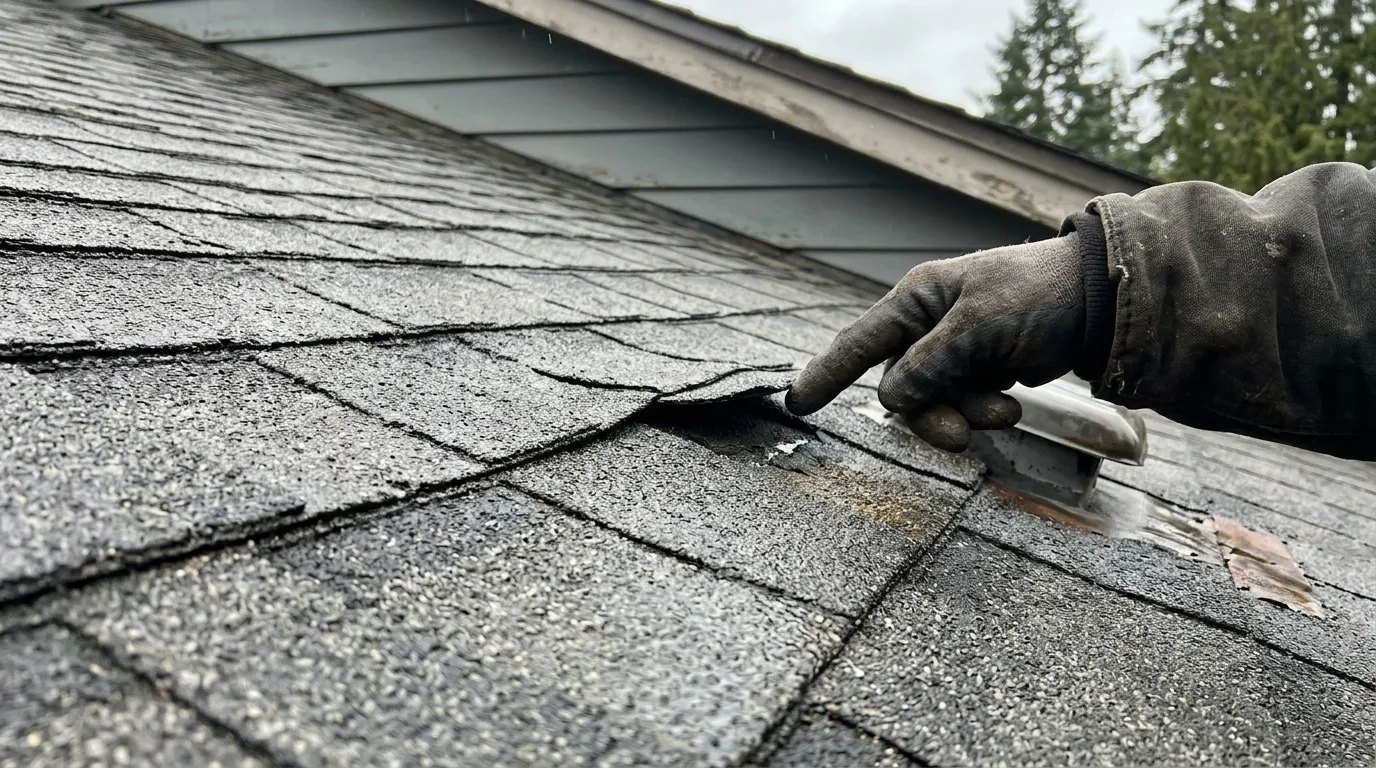
Flashing is the material that directs water away from joints and openings. A damaged pipe boot, vent seal, or small section of flashing can cause a leak even when the surrounding shingles are in good shape.
If the issue is limited to one detail, flashing repair or a new pipe boot may be enough.
Roofs That Still Have Useful Life Left
A newer roof, or an older one that remains in solid condition, may only need a targeted fix. Age alone does not tell you whether a repair will hold up.
A roof inspection can help determine whether the visible issue is truly limited and whether nearby materials can support the repair.
When a Repair Can Buy Time Safely
A careful repair may be a reasonable short-term choice when the roof is not near the end of its useful life. Ask what the repair covers, what remains uncertain, and when the area should be checked again.
Keep gutters clear and monitor the ceiling and attic for new moisture after rain. A temporary fix should not be treated as a permanent answer without follow-up.
Warning Signs That Roof Replacement Makes More Sense
Some roofs have problems that extend beyond one patch. When several layers or areas are wearing out, compare the cost and value of continued repairs with a full replacement.
Older Roofs With Several Worn-Out Parts
A roof works as a system. Shingles shed water, underlayment adds a protective layer, flashing seals transitions, and decking supports the covering.
If several of these parts are failing, fixing only the most visible issue may not address the rest. An assessment can identify what is known and what may remain hidden until work begins.
Widespread Damage Across the Roof Surface
Curling edges, brittle shingles, cracking, and large areas of granule loss can signal broad wear. One damaged shingle is different from several roof slopes showing the same pattern.
Use the Rule of 20 to ask how much surface is affected. A roofer can estimate the spread and explain whether the surrounding shingles can be repaired without causing further damage.
Repeated Leaks After Previous Repairs
Recurring roof leaks may mean the first repair addressed only part of the problem. Water can travel beneath roofing materials, so the visible stain is not always directly below the entry point.
Ask for a review of earlier repairs and nearby roof details. This guide to roof replacement and repairs by Roof Pros NW offers more context for comparing the options.
Moss and Moisture Can Hide Deeper Damage
Moss can hold moisture against shingles and make their condition harder to see. Over time, persistent dampness can contribute to wear in shingles and the layers beneath them.
Moss does not automatically mean you need a new roof or a cleaning service. Ask whether the roof can be safely cleaned, what damage is visible, and whether further inspection is needed before approving work.
Storm Damage or Wind Damage Across Multiple Areas
Wind can lift shingles, loosen edges, and expose roof sections to rain. Damage spread across several slopes may be harder to address with isolated repairs, especially on an already worn roof.
For steps to inspect and document damage, see storm damage roof repair in Seattle. Coverage decisions belong to your insurer, not the roofing contractor.
When Repair Costs Start Adding Up
Repeated service calls, ceiling repairs, wet insulation, and hidden decking rot can increase the total cost of keeping an old roof in place. Multiple repairs may eventually cost more than replacing the roof sooner, although that is not true in every case.
Compare written estimates and likely follow-up work. The Seattle roof replacement cost guide can help you understand replacement pricing factors.
Seattle Weather and Roof Wear: What Homeowners Should Watch For
Pacific Northwest weather makes moisture control important. The signs below do not all require replacement, but they are useful reasons to look more closely.
Heavy Rain and Long Wet Seasons
Frequent rain gives water more chances to find gaps around seams, flashing, and roof openings. A leak that appears only during a long storm may still need attention, even if the ceiling dries afterward.
Moss Growth and Trapped Moisture
Moss is common in shaded, damp areas. It can hold water against roofing materials and obscure cracks or worn shingles. Have its cause and the condition beneath it checked rather than assuming cleaning alone will solve the problem.
Wind Lifting and Edge Damage
Wind can lift shingles or loosen material along roof edges. Even a small opening can let rain reach vulnerable layers. After a storm, look from the ground for missing shingles or debris, and have a professional check suspected damage.
Hidden Water Intrusion in Cold, Damp Conditions
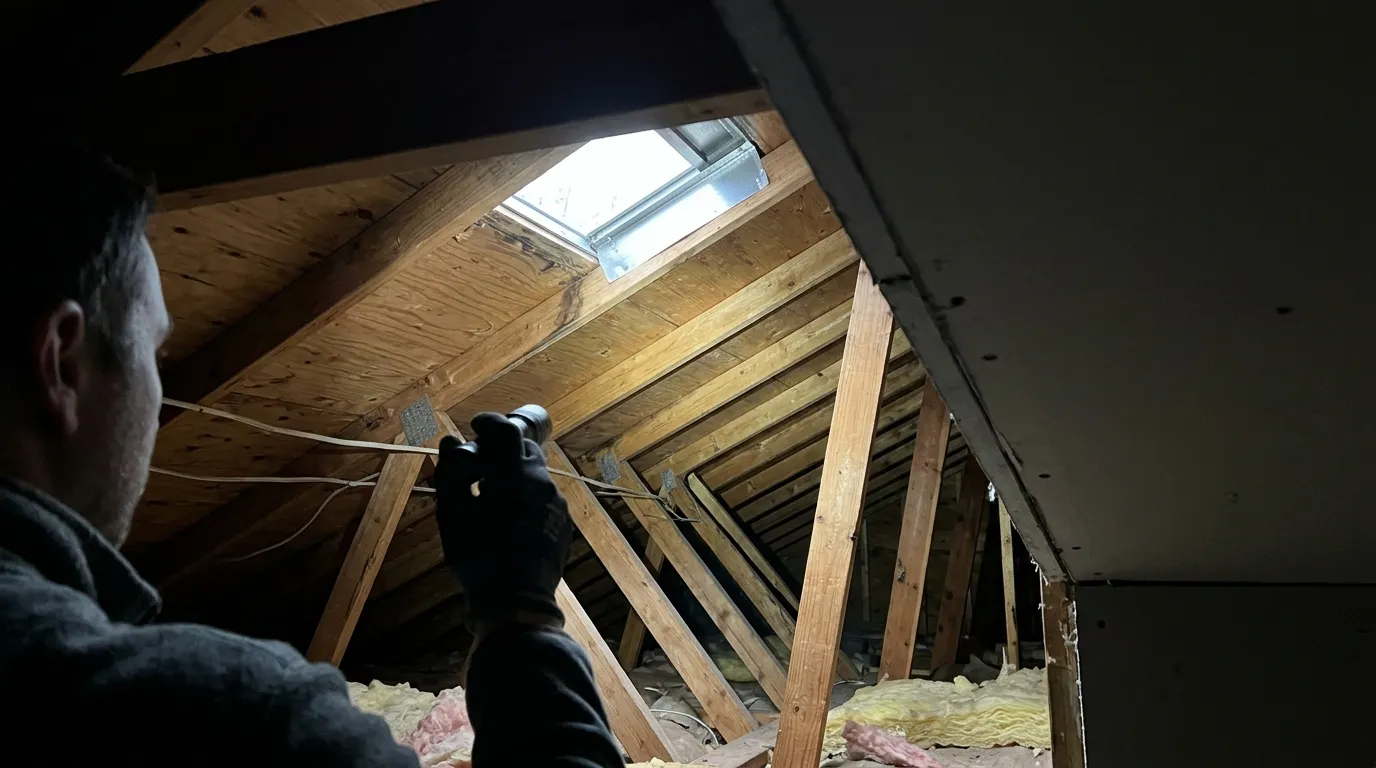
Water can travel along framing or beneath roofing before it appears inside. During a safe attic check, look for damp insulation, stains, or discolored decking. Avoid stepping between framing members, and ask a professional to inspect areas you cannot safely reach.
What a Roof Inspection Should Check Before You Decide
A roof condition assessment helps replace guesses with evidence. It should consider the roof as a system, not just the area where water appeared.
Roof Surface, Shingles, and Surface Wear
A roofer should look for missing shingles, curling, cracks, granule loss, and signs of soft areas. The location and spread of wear matter because damage on several slopes may call for a different plan than one isolated defect.
Flashing, Vents, and Penetration Points
Chimneys, skylights, pipes, and vents interrupt the roof surface. Flashing and seals around these openings help keep water out, but they can loosen or deteriorate.
Many leaks begin at these details rather than in the middle of a roof. Learn more about reliable local roof inspections.
Underlayment, Decking, and Signs of Rot
Underlayment sits beneath the roof covering, while decking is the wood surface that supports it. A roofer may look for staining, soft areas, or other signs of roof decking rot from accessible areas.
Some damage cannot be confirmed without lifting materials. Ask what is visible now and what might only be discovered during repair or replacement.
What a Good Assessment Should Tell You
You should understand where damage is located, how extensive it appears, and what repair and replacement would involve. Ask for photos, written findings, and any limits on what was inspected.
The aim is clarity, not pressure. You can book an assessment with Roof Pros NW and discuss the available options before deciding.
Roof Repair Cost vs Roof Replacement Cost in Seattle
When comparing roof repair vs replacement costs in Seattle, look beyond the first estimate. The right choice depends on the roof’s condition, likely future work, and how long you expect the repair to serve you.
What Usually Affects Roof Repair Cost
Repair pricing depends on the size and location of the problem, roof type, access, materials, and labor. Leak repair, flashing repair, and shingle replacement may each involve different work.
For a nearby example of pricing factors, see understanding roof repair costs in Bellevue. A written Seattle estimate is still needed for your roof.
What Usually Affects Roof Replacement Cost
Roof size, slope, materials, access, and labor all affect replacement cost. Removing old roofing and replacing damaged decking can also change the price.
A full replacement usually costs more upfront than a small repair. However, it may reduce the need for repeated patching when wear is widespread.
Why the Lowest Upfront Cost Is Not Always the Best Choice
A low repair bill can be appealing, but it may not include future service calls, interior damage, or hidden rot. Ask whether the estimate addresses the cause of the leak and what additional work might be needed.
Compare realistic scenarios rather than assuming either option will always cost less over time.
When Repair Cost Can Make Sense
Repair is often a smart choice when damage is limited, the cause is clear, and the roof has useful life left. A single leak does not prove the whole roof has failed.
Ask for a scope of work and any workmanship coverage so you know what you are paying for.
Roof Materials, Lifespan, and Replacement Options
Roof lifespan varies with material, installation, maintenance, and exposure. Knowing what is on your roof helps you discuss whether a repair is practical and what replacement options fit your home.
Asphalt Shingles and Typical Wear Patterns
Asphalt shingles may show age through curling, cracking, exposed areas, or granule loss. A few worn spots may be repairable, while similar wear across much of the roof suggests a broader issue.
A roofer should assess the pattern and condition, not rely on age or appearance alone.
Replacement Options for Seattle Homes
Common choices include asphalt or composite shingles, metal roofing, and systems designed for low-slope roofs. The right option depends on roof pitch, drainage, budget, and the home’s design.
Ask how each proposed system handles Seattle’s wet conditions and what preparation the roof deck will need.
How Warranties Fit Into the Decision
A roof warranty may cover certain material defects, while workmanship coverage addresses installation under its own terms. Coverage can have exclusions, limits, and maintenance requirements.
Ask for the written terms for both repairs and replacement. Review what is covered, who handles a claim, and whether existing coverage remains valid.
Choosing a Seattle Roofing Contractor You Can Trust
A Seattle roofing contractor should explain the condition of your roof in plain language. The best decision starts with evidence and a clear scope, not a rushed sales pitch.
Look for Clear, No-Pressure Guidance
Expect an explanation of both repair and replacement when either is reasonable. You should have time to review the estimate, ask questions, and understand any urgent issues without feeling pushed into work you do not understand.
Ask About Inspection Findings and Next Steps
Request photos or clear notes showing what is damaged and why it matters. Ask which work is necessary now, which issues need monitoring, and what hidden conditions could change the estimate.
Check licensing and insurance, and get the proposed work and payment terms in writing.
Ask About Storm Damage and Insurance Help
If wind or a storm may have caused damage, ask what the contractor can document for an insurance claim. Your insurer determines coverage, so review your policy and contact the insurer about its process.
See these tips for choosing roofing contractors in Seattle before selecting a roofer.
Why Local Experience Matters in Seattle
Local experience helps a contractor account for moss, moisture, wind, and long wet seasons. Ask how the proposed repair handles water around edges, flashing, and roof openings.
For more local context, read about navigating Seattle’s roofing challenges.
What to Do Next If You Still Are Not Sure
You do not have to settle the repair-or-replace question from the ground. Start with the evidence you have, address active water entry, and get help where the roof’s condition is uncertain.
If the Damage Is Limited, Start With Repair
One small leak, a few missing shingles, or one flashing issue may not require replacement. Arrange a prompt inspection and ask whether a targeted repair can address the cause before moisture spreads.
If the Roof Shows Several Warning Signs, Get a Full Assessment
Age near 20 years, widespread wear, and recurring leaks together make a full roof condition assessment worthwhile. The findings can show whether replacement is sensible or whether a reliable repair remains possible.
If Storm Damage May Be Involved, Document It Quickly
Photograph visible damage from a safe location and note when the storm occurred. Do not climb onto the roof. Arrange an inspection and contact your insurer about claim requirements when appropriate.
The guide to storm damage roof repair in Seattle explains what to document and what to ask.
Final Thoughts: Get a Clear Answer Before Patching Again
The Rule of 20 helps organize the decision around age, damaged surface area, and recurring leaks. It is a prompt to investigate, not a substitute for an assessment of the whole roof.
A Simple Decision Comes Down to the Whole Roof
Repair often makes sense for limited, isolated damage on an otherwise sound roof. Replacement may be the better choice when wear is widespread, leaks return, or several roof layers show signs of failure.
Your Next Step With Roof Pros NW
If you are unsure, book an assessment with Roof Pros NW. The team can review the roof’s condition, discuss roof repair vs replacement, and explain the next step without pressure.
Conclusion
Choosing between roof repair and roof replacement comes down to more than what you can see from the ground. In Seattle, rain, wind, moss, and long wet seasons can hide damage that seems minor at first but grows into a bigger problem over time. That is why the Rule of 20 is useful. It gives you a simple way to think about roof age, how much of the surface is damaged, and whether leaks keep coming back.
If the damage is small and isolated, a repair may be the most practical choice. A few missing shingles, one flashing problem, or a single leak does not always mean the whole roof has failed. In those cases, a targeted fix can protect the rest of the roof and buy you more time. But when the roof is older, wear is spread across several areas, or leaks keep returning after past repairs, replacement may make more sense in the long run.
The most important thing to remember is that a roof works as a system. Shingles, flashing, underlayment, decking, ventilation, and gutters all affect how well it sheds water. If one part is failing, the rest may be under stress too. That is why a full inspection matters before you spend money on another patch. A roof inspection can show whether the problem is truly limited or if there are larger issues hiding below the surface.
This is especially important in the Pacific Northwest, where moisture can move into places you cannot easily see. A small leak may lead to stained ceilings, wet insulation, or rot if it goes unchecked. Storm damage, moss growth, and lifted shingles can also make the problem harder to judge without a closer look. If you are dealing with an active leak, it helps to review what to do when your roof leaks while you plan your next step.
For property owners, the goal is not just to fix what is visible. It is to make a smart choice that protects the building, fits the roof’s condition, and avoids unnecessary repeat work. In some cases, repair is the right call. In others, a full replacement may offer better value and fewer surprises ahead. If recent weather may have caused damage, storm damage roof repair in Seattle can also help you think through what to document and what to ask next.
If you are still unsure, the best next step is a professional assessment. Roof Pros NW can help you compare repair and replacement options, explain what is happening on your roof, and give you clear guidance based on its actual condition. Schedule an inspection, get the facts, and move forward with more confidence.
Seattle roofs face constant rain, moss, wind, and long wet seasons, so it is not always easy to tell when a simple repair is enough and when a full replacement makes more sense. These key takeaways give you a simple way to judge roof age, leak patterns, and damage level so you can make a smarter decision before patching becomes more costly.
- Use the Rule of 20 to judge your roof faster: Look at roof age, how much of the surface is damaged, and how often leaks keep coming back to see whether repair or replacement is the better choice.
- Old roofs often need more than another patch: When shingles, underlayment, flashing, and decking are all wearing out at the same time, a small repair may not stop the bigger problem.
- Repeated leaks are a warning sign: If the same roof keeps leaking after repairs, the issue may be spread across the system, not just one bad spot.
- Moss and moisture can hide deeper damage: In Seattle’s wet climate, moss growth and trapped water can weaken shingles, underlayment, and decking even when the roof looks okay from the ground.
- Repair is best for limited, isolated damage: A few missing shingles, one small leak, or a single flashing issue can often be fixed without replacing the whole roof.
- Widespread damage usually points to replacement: If a large part of the roof is brittle, leaking, or storm damaged, replacing the roof may be safer and more cost effective than repeated patching.
- Repeated repairs can cost more over time: Multiple service calls, interior water damage, and hidden rot can add up fast and may pass the cost of reroofing sooner than expected.
- A full roof inspection gives you the clearest answer: A no-pressure roof condition assessment from Roof Pros NW can help you understand the real condition of the roof and whether repair or replacement is the smarter next step.
With these points in mind, the article below walks through how Seattle homeowners can compare roof repair and replacement, what warning signs matter most, and how to make a confident decision without pressure.
Get a Clear Picture of Your Roof
Knowing what to look for is a good first step. A professional roof inspection can help you understand your roof’s condition and decide what to do next.
Roof Pros NW offers roof inspections to help homeowners identify concerns and plan for needed work. Whether you have noticed a problem or simply want to check on your roof, an inspection gives you a practical place to start.
With a roof inspection, you can:
- Learn about your roof’s current condition
- Identify visible wear and potential concerns
- Discuss repair or replacement options
- Get answers to your roofing questions
- Plan your next steps with confidence
Schedule an inspection sooner rather than later so you have time to address any issues and make informed decisions about your home.
Book your roof inspection with Roof Pros NW today.
How do I know if my roof needs repair or replacement?
Look at the roof age, the amount of visible damage, and whether leaks keep coming back. A newer roof with one isolated problem may only need repair. An older roof with widespread wear or repeated leaks is more likely to need replacement. A roof inspection from Roof Pros NW can confirm what is really going on.
When should I replace my roof instead of repairing it?
Replacement makes more sense when damage is spread across the roof, several parts of the roofing system are worn out, or leaks return after previous repairs. If shingles, flashing, underlayment, or decking are failing together, another patch may only delay the real fix. Roof Pros NW can assess the roof and explain which option fits best.
How old is too old to repair a roof?
Age alone does not decide it, but a roof around 20 years old deserves closer attention, especially in Seattle weather. If the shingles are worn, flashing is aging, or leaks are becoming more common, repair may no longer be the best value. The real question is the roof’s condition, not just its age.
What percentage of roof damage requires replacement?
There is no exact percentage that forces replacement, but widespread damage is a warning sign. If damage is affecting a large part of the roof surface, or if several areas show the same wear, repair may not solve the full problem. Roof Pros NW can inspect the roof and help you judge whether the damage is isolated or widespread.
How do I choose a trustworthy roofing contractor in Seattle?
Choose a roofing contractor that gives clear findings, no-pressure guidance, and a written scope of work. Ask for photos, ask what was damaged, and ask why repair or replacement is recommended. Local experience matters in Seattle because rain, moss, wind, and long wet seasons affect how roofs wear. Roof Pros NW can provide an honest condition assessment and explain your options clearly.
