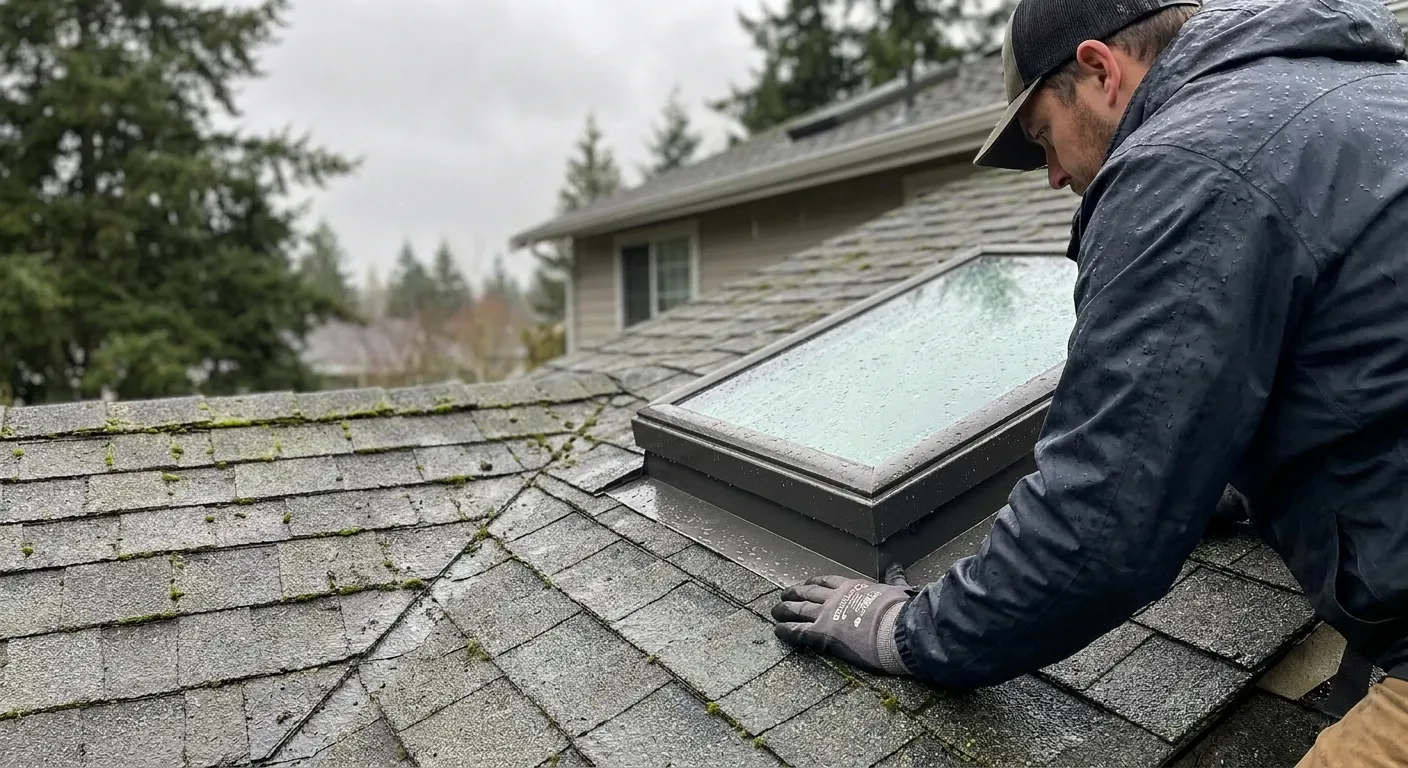
Skylight vs Roof Lantern: Pros, Cons, and Key Differences
Natural light can transform a home, making it feel brighter, more inviting, and even larger. If you’re considering adding a skylight or roof lantern to your home, you’re not just choosing a light source—you’re making a decision that impacts your home’s style, energy efficiency, and maintenance needs. While both options can enhance your space, the differences between skylights and roof lanterns go far beyond appearance, especially in the Pacific Northwest’s rainy climate.
So, why does choosing between these two features matter? The answer lies in how each fits into your home’s roof structure, budget, and long-term functionality. Skylights are often easier to install and adapt well to many roof types, making them a practical choice for homeowners looking to brighten specific areas efficiently. Roof lanterns, on the other hand, bring an architectural charm that floods central spaces with daylight and creates a stunning focal point, but they often come with more complex installation and maintenance requirements. If improperly designed or installed, either option can lead to costly issues like leaks or heat loss—concerns no homeowner wants to face, particularly in a region known for heavy rain and persistent moisture.
Understanding the pros and cons of skylights and roof lanterns will help you navigate factors like cost, energy efficiency, structural demands, and waterproofing solutions. A professionally installed skylight may be perfect for a small attic or sloped roof, while a roof lantern could add breathtaking views and elegance to a flat or gently pitched roof in a kitchen extension or living space.
This guide will break down the key differences between a roof lantern and a skylight, discussing their benefits, drawbacks, and which might suit your Pacific Northwest home best. Whether you’re focusing on aesthetics, practicality, or weather resistance, you’ll find the insights you need to make a confident, informed decision.
What is a Skylight?
A skylight is a window installed on the roof of a home to allow natural light to enter the interior. These light-enhancing features are generally made from glass or acrylic and can be fixed (non-opening) or operable (opening for ventilation). Skylights are highly versatile and available in different shapes and sizes, ranging from rectangular models to tubular options designed for small spaces.
Roof Type Compatibility
Skylights work best on sloped roofs due to their design, which allows water runoff to prevent pooling and leaks. Proper installation involves integrating the skylight into the roof structure with flashing to ensure waterproofing. In homes with a shallow or moderate roof pitch, skylights can be installed, but additional measures may be required to avoid water intrusion, especially in the rainy Pacific Northwest.
Light and Ventilation Benefits
Skylights bring in substantial daylight, creating a bright and open interior atmosphere. Operable skylights further enhance functionality by providing natural airflow, making them ideal for spaces prone to moisture, such as bathrooms or kitchens. Tubular skylights are a popular solution for smaller areas like hallways and closets, as they funnel light through a reflective tube.
Costs and Installation Complexity
Skylights typically cost less than roof lanterns, with prices influenced by size, material, and whether they are fixed or operable. Installation costs vary based on the architectural complexity and need for waterproofing. While simpler to install on pitched roofs, skylights do require precise flashing and sealing due to heavy Pacific Northwest rains.
If you’re considering a skylight for your home, factors like aesthetics, functional needs, and your roof’s pitch will determine if this is the best option. To get expert advice on skylight installation, Roof Pros NW roofing services offer guidance tailored to local climate conditions.
What is a Roof Lantern?
A roof lantern is a glass structure resembling a pyramid or a domed skylight designed to sit atop flat or low-pitched roofs. These architectural elements often form a centerpiece, adding both natural light and aesthetic appeal to a home. Roof lanterns consist of multiple glass panels supported by a frame, creating a striking appearance inside and outside.
Roof Type Compatibility
Unlike skylights, roof lanterns are best suited for flat roofs or roofs with a slight pitch. This design requirement makes them popular for home extensions, conservatories, or single-story spaces. Installing a roof lantern on a sloped roof is less common due to the structural challenges it poses.
Because flat roofs require special attention to manage water drainage, a critical part of roof lantern installation is ensuring proper waterproofing. Professional contractors like Roof Pros NW can assess your roof’s suitability and provide customized solutions for Pacific Northwest weather conditions.
Light and Aesthetic Benefits
Roof lanterns provide an unmatched amount of daylight, often illuminating large open spaces like living rooms or kitchens. Their multi-panel configuration distributes sunlight evenly throughout the day, while their sleek, modern design adds architectural interest. For homeowners looking to enhance both light and style, roof lanterns are a bold choice.
Costs and Installation Complexity
Roof lanterns are generally more expensive than skylights due to custom manufacturing, larger sizes, and intricate installation requirements. Additionally, significant structural support is needed to handle the frame’s weight, particularly for expansive designs. This additional load must be carefully planned to ensure long-term roof integrity.
Professional installation is essential when considering a roof lantern, especially in regions like the Pacific Northwest, where frequent rain makes proper waterproofing critical. DIY installation is not recommended for this complex feature.
Key Differences Between Skylights and Roof Lanterns
Choosing between a skylight and a roof lantern depends on several factors, as each option offers unique advantages and challenges. Here’s a breakdown to help homeowners understand the key differences:
Cost Comparison
- Skylights: More affordable, with lower material and installation costs. Ideal for homeowners on a budget.
- Roof Lanterns: Typically costlier due to their custom designs, structural requirements, and professional installation needs.
If you’re weighing the costs of flat roof options, Roof Pros NW’s guide to flat roof pros and cons provides additional clarity on choosing the right roofing solutions.
Installation Complexity
- Skylights: Suitable for sloped roofs, but demand expert flashing and waterproofing to prevent leaks.
- Roof Lanterns: Require structural reinforcement for flat roofs, making installation more complex and time-consuming.
Roof Pitch Suitability
- Skylights are ideal for sloped or pitched roofs for optimal drainage.
- Roof lanterns work best on flat or low-pitched roofs and are used mainly in modern extensions or conservatories.
Light Performance
- Skylights let in focused natural light and are highly versatile for small or large spaces.
- Roof lanterns provide broader light distribution and flood rooms with sunlight due to their multi-sided design.
Maintenance Needs
- Skylights: Easier to maintain but may require occasional cleaning of glass and frame.
- Roof Lanterns: More extensive cleaning is necessary due to the complex structure and flat-roof drainage challenges.
Energy Efficiency
- Skylights with low-emissivity (low-E) glass and proper installation can prevent heat loss and regulate indoor temperatures.
- Roof lanterns offer excellent light, but energy efficiency depends on advanced materials like insulated glass.
Skylights might be better for small spaces or budget-friendly projects, while roof lanterns dramatically transform open areas.
Benefits of Skylights
Skylights are favored for their simplicity, affordability, and versatility. Here’s why they might be a great choice for your home:
- Improved Natural Light: Skylights brighten spaces without the need for additional electrical lighting, reducing energy costs.
- Ventilation Options: Operable skylights improve airflow and help draw out humid air, particularly in kitchens and bathrooms.
- Affordable Upgrades: Fixed skylights are a budget-friendly way to introduce daylight.
- Customizable Design: Multiple shapes, sizes, and glazing options make skylights adaptable for any interior or architectural style.
Homeowners in the Pacific Northwest rely heavily on professional advice to address waterproofing and other climate-specific concerns during skylight installations. Explore Roof Pros NW’s roofing expertise for guidance.
Benefits of Roof Lanterns
Roof lanterns stand out for their bold design and exceptional performance in open-plan settings. Their benefits include:
- Enhanced Natural Light: Dramatically improves interior brightness by distributing sunlight evenly across large spaces.
- Architectural Appeal: Adds a wow factor and elevates the overall aesthetic of a home.
- Spacious Feel: Creates the illusion of a higher ceiling, adding depth and openness to rooms.
- Modern Upgrades: Insulated glass and thermal-break frames enhance energy efficiency.
For homes with flat roofs, roof lanterns can transform a space entirely. However, they must be meticulously installed to withstand the Pacific Northwest’s heavy rainfall.
Challenges and Maintenance Considerations
Skylight Maintenance
- Seal Longevity: Over time, seals may deteriorate, causing leaks. Routine inspections can prevent costly repairs.
- Moss Buildup: Damp and rainy conditions can promote moss growth around skylights, especially in the Pacific Northwest.
- Cleaning Access: Depending on roof slope, access to a skylight for cleaning and maintenance can be tricky.
Roof Lantern Maintenance
- Regular Cleaning: Due to their size and design, roof lanterns need frequent cleaning to maintain clear glass and proper drainage.
- Waterproofing Repairs: Poor installation or seal degradation can lead to leaks, particularly in wet climates.
- Structural Inspections: The frame and roof must handle load stress to avoid long-term damage.
Whether it’s maintaining flashing or preventing moss buildup, professional assistance from Roof Pros NW ensures your roofing features stay in top condition.
Which Option is Right for Your Home?
The decision between skylights and roof lanterns depends on several factors:
- Roof Type: Sloped roofs are better suited to skylights, while flat roofs accommodate roof lanterns.
- Budget: Skylights offer a cost-effective solution, while roof lanterns cater to high-end aesthetics.
- Space Usage: Skylights are great for smaller areas, while roof lanterns shine in open-plan spaces.
- Maintenance Commitment: Homeowners prepared for more intensive maintenance may prefer the grandeur of roof lanterns.
For personalized recommendations and professional installations, reach out to Roof Pros NW and explore roofing solutions tailored to your home.
Schedule Your Roof Repair Today
If you’ve been putting off roof repairs, now is the perfect time to take action. Small repairs left unchecked can lead to bigger issues down the road, costing you more in the long run. At Roof Pros NW, we’re here to help keep your roof in top shape with our professional roof repair services.
Why choose Roof Pros NW for your roof repair?
- Prevent further damage by addressing issues early
- Save money with repairs instead of costly replacements
- Benefit from our experienced and certified roofing team
- Protect your home and family with a secure, reliable roof
- Get clear recommendations based on a thorough inspection
Don’t let minor issues turn into major headaches. Schedule your roof repair estimate today and enjoy peace of mind knowing your home is in expert hands. Book your estimate now!
Conclusion
Skylights and roof lanterns each offer unique benefits for enhancing natural light, improving aesthetics, and creating a more inviting home environment, but the right choice will depend on your roof type, budget, and functional goals. Skylights are a versatile and budget-friendly option for sloped roofs, providing focused daylight and ventilation. In contrast, roof lanterns serve as architectural centerpieces, bringing abundant light and elegance to flat or low-pitched roofs.
For homeowners in the Pacific Northwest, specific considerations such as waterproofing and proper installation are critical due to the region’s heavy rains and moisture-prone conditions. Skylights need expert flashing to prevent leaks, while roof lanterns require sturdy structural support to handle their weight and ensure longevity. Both options demand routine maintenance to keep seals, drainage, and glass in good condition, protecting your investment over time.
Whether you’re aiming to brighten smaller spaces with skylights or transform large, open areas with roof lanterns, professional guidance can make all the difference. A trusted roofing contractor can evaluate your roof’s suitability, recommend the right materials, and ensure proper installation to meet the region’s unique weather demands.
If you’re ready to explore either skylights or roof lanterns for your home, start by consulting with the professionals at Roof Pros NW. With their extensive experience in the Pacific Northwest, they’ll provide expert advice, tailored solutions, and reliable installation services. Take the next step today by scheduling a consultation or roof inspection to ensure the best results for your roofing project.
Deciding between a skylight and a roof lantern involves understanding their unique features, benefits, and challenges. Each option can enhance your home with natural light and style, but factors like cost, installation, and maintenance can vary significantly—especially in the Pacific Northwest climate. These key takeaways will guide you in comparing skylights and roof lanterns for your roofing needs.
- Skylights require less structural modification: Skylights are typically easier to install due to their lower weight and simpler framing requirements, making them a practical choice for many roof types.
- Roof lanterns provide dramatic aesthetics: Roof lanterns add architectural elegance and make rooms feel larger, but they often require more complex structural work and are better suited for flat or low-pitch roofs.
- Waterproofing is more challenging for roof lanterns: Roof lanterns need advanced flashing and sealing to prevent moisture issues, especially in the Pacific Northwest where rain is frequent.
- Maintenance needs vary with design and climate: Skylights can accumulate moss and debris on the surface, while roof lanterns may demand more effort to keep their larger glass areas clean and watertight.
- Natural light differs between the two: Skylights offer targeted daylighting, while roof lanterns flood spaces with light from multiple angles, making them ideal for central areas of the home.
- Energy efficiency depends on glazing choices: Both skylights and roof lanterns can improve energy performance when equipped with insulated or self-cleaning glass, but roof lanterns often struggle more with heat loss.
- Professional installation is critical in rainy climates: Roof lanterns and skylights must be expertly installed to avoid leaks and ensure proper flashing and drainage, especially in wet conditions common to the Pacific Northwest.
These considerations will help you understand the practical and aesthetic impacts of skylights and roof lanterns, so you can choose the best option for your home and budget. The article ahead dives deeper into these differences and how they apply to your roof design.
How much does roof repair cost versus a new roof?
Roof repair costs depend on factors like roof size, material, and the extent of damage. Replacing a roof generally costs more due to labor and material needs. For an accurate estimate, contact Roof Pros NW for an assessment.
How do I know if my roof needs repair or a full replacement?
Signs like missing shingles, leaks, and age can indicate whether repairs or a replacement is needed. If you’re unsure, an inspection by Roof Pros NW can help determine the best course of action for your roof’s condition.
Will my homeowner’s insurance cover roof repair or replacement?
Homeowner’s insurance often covers roof damage from specific events like storms. Coverage details and deductibles can vary, so review your policy and contact Roof Pros NW for guidance on your specific situation.
Should I repair or replace my roof if it’s older than 15–20 years?
Roofs older than 15-20 years may need replacing due to age-related wear. An inspection with Roof Pros NW can help you decide between repair and replacement based on your roof’s current condition.
Is roof moss removal or minor leak repair worth the cost?
Addressing moss or leaks early can prevent bigger issues and prolong your roof’s life. Roof Pros NW can provide expert advice on maintaining your roof efficiently and economically.
