Roofing Blog
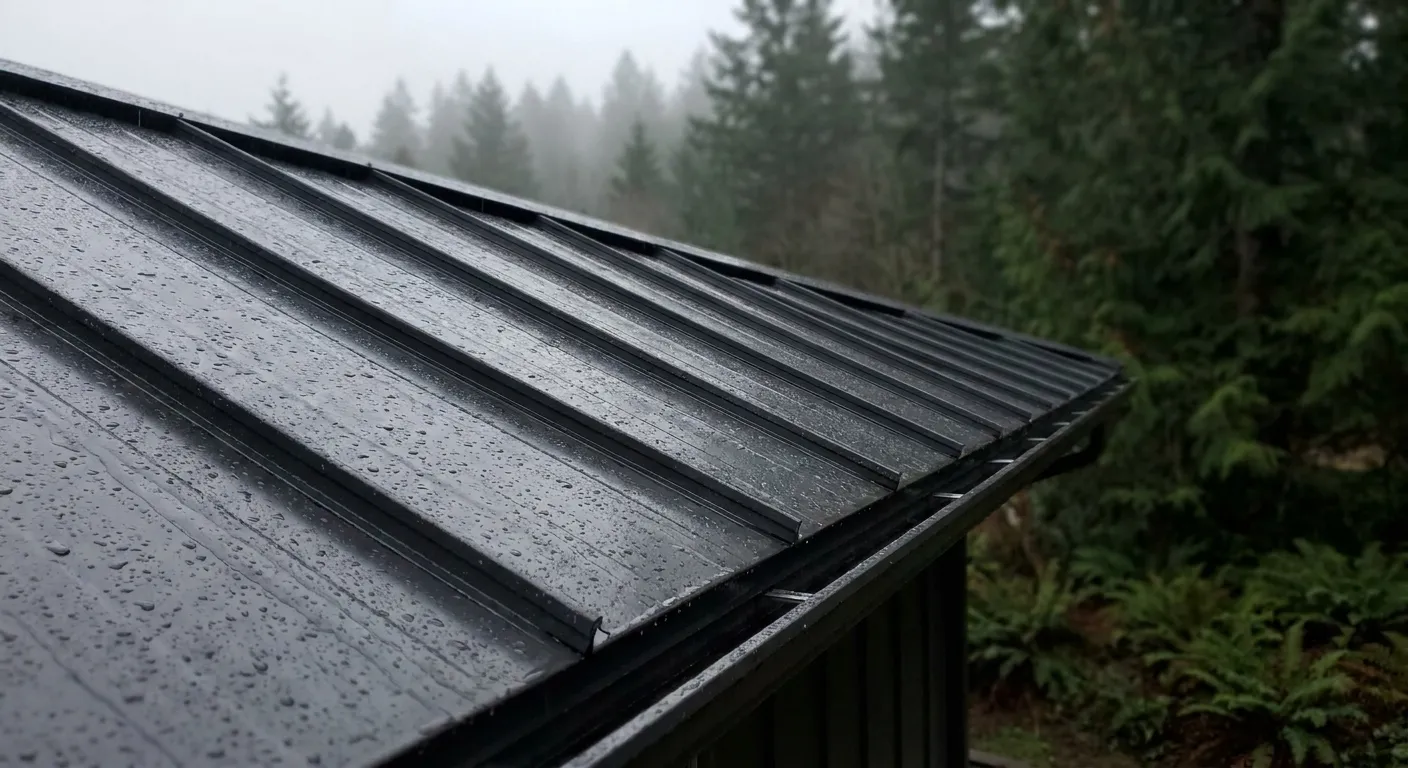
Pros and Cons of a Black Metal Roof for Your Home
Modern, sleek, and undeniably eye-catching, black metal roofs are gaining popularity among homeowners who want bold aesthetics paired with practical durability. But is a black metal roof the right fit for your home? Deciding on a roofing color isn’t just about appearances—it impacts energy efficiency, maintenance, and how well your roof stands up to environmental challenges, especially in climates like the Pacific Northwest. For homeowners in this region, the advantages of a black metal roof can be compelling. Its clean, sophisticated look works seamlessly with modern architectural styles, such as modern farmhouse or minimalist designs, boosting curb appeal while creating a striking visual statement. Plus, the long-lasting durability of metal roofing offers excellent resistance to harsh weather, from heavy rain and strong winds to moss growth—common challenges in the Pacific Northwest's wet climate. However, no roofing option is without drawbacks. Black metal roofs can absorb more heat, though this is less of a concern in cooler, overcast regions. Maintenance, such as preventing scratches or corrosion, and addressing noise during rainstorms are other factors to consider. Plus, their higher upfront cost often requires homeowners to weigh short-term expenses against long-term energy efficiency and savings. In this guide, we’ll dive into the **pros and cons of a black metal roof**, from their aesthetic appeal and weather resistance to considerations like fading, maintenance, and cost. By the end, you’ll have a clear and practical understanding of whether this roofing option is the best choice for your home and lifestyle.
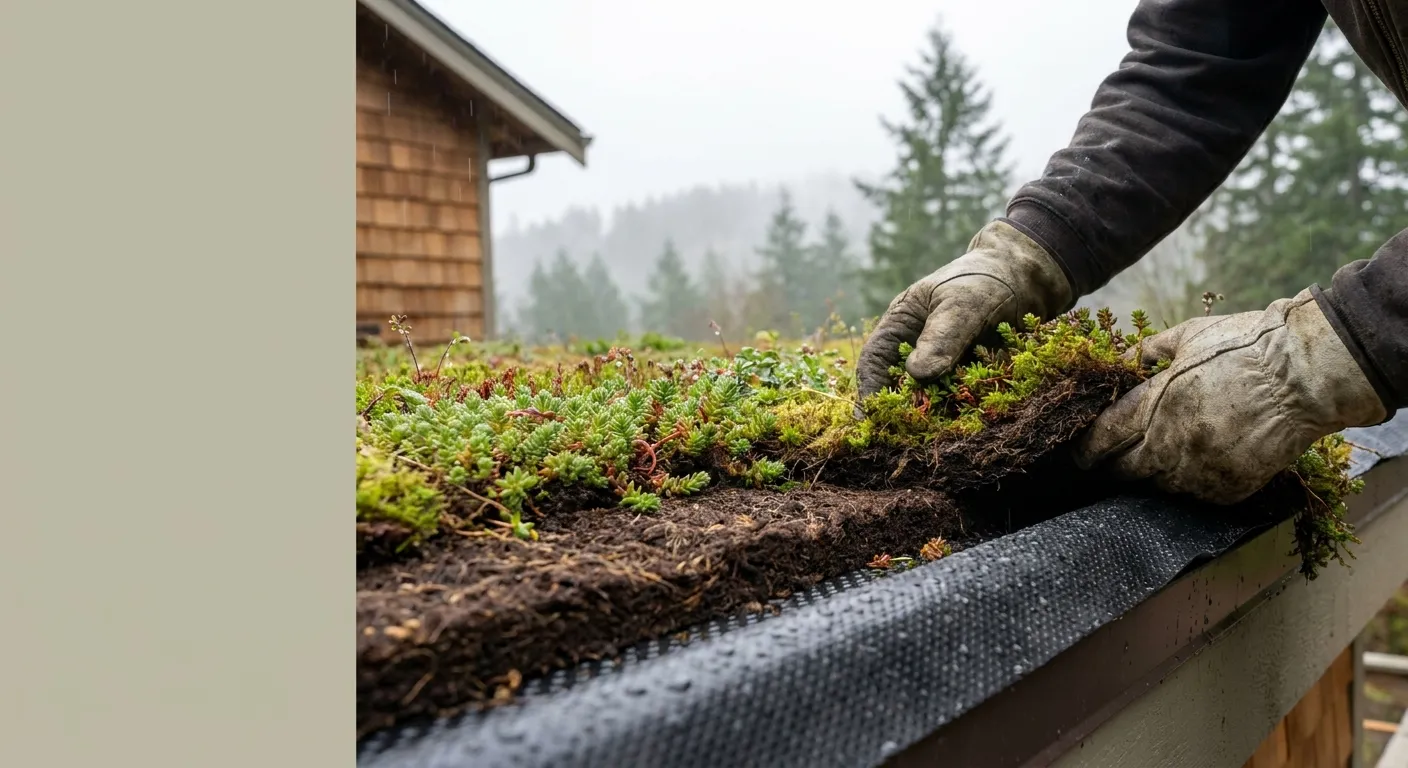
Pros and Cons of Living Roofs: A Practical Guide for Homeowners
Living roofs, also called green roofs, are becoming a popular choice among eco-conscious homeowners, but they bring more to the table than just good looks and sustainability. Imagine a roof that not only protects your home but also helps manage stormwater, improves energy efficiency, and even supports plant life—all while reducing your environmental impact. Yet, while these benefits are impressive, green roofs also come with unique challenges, especially for homes in the Pacific Northwest, where heavy rainfall and damp conditions are major factors. For homeowners in this region, understanding the **living roof pros and cons** is essential before making a decision. On one hand, green roofs offer thermal insulation to lower energy bills and provide a natural barrier against urban heat. On the other, they require proper structural support to handle the weight of soil and plants, reliable waterproofing to prevent leaks, and consistent maintenance to ensure long-term performance. These factors become even more critical in areas with frequent rain or moss growth, where improper drainage or plant care can quickly turn a green roof into a maintenance headache. So, why does this matter? A roof is your home’s first line of defense against the elements, and any roofing choice must protect not just your home but also your investment. Living roofs aren’t just about being sustainable; they can impact everything from your monthly utility costs to the lifespan of your roof. By learning whether this option aligns with your property’s structural capabilities, maintenance preferences, and sustainability goals, you can make a better-informed decision that benefits both your home and the planet. In this guide, we’ll delve into the practical advantages, such as energy savings and stormwater management, as well as the challenges, like structural requirements and ongoing upkeep. If you’re considering this innovative roofing option, here’s everything you need to know to determine if a living roof is the right choice for your home.
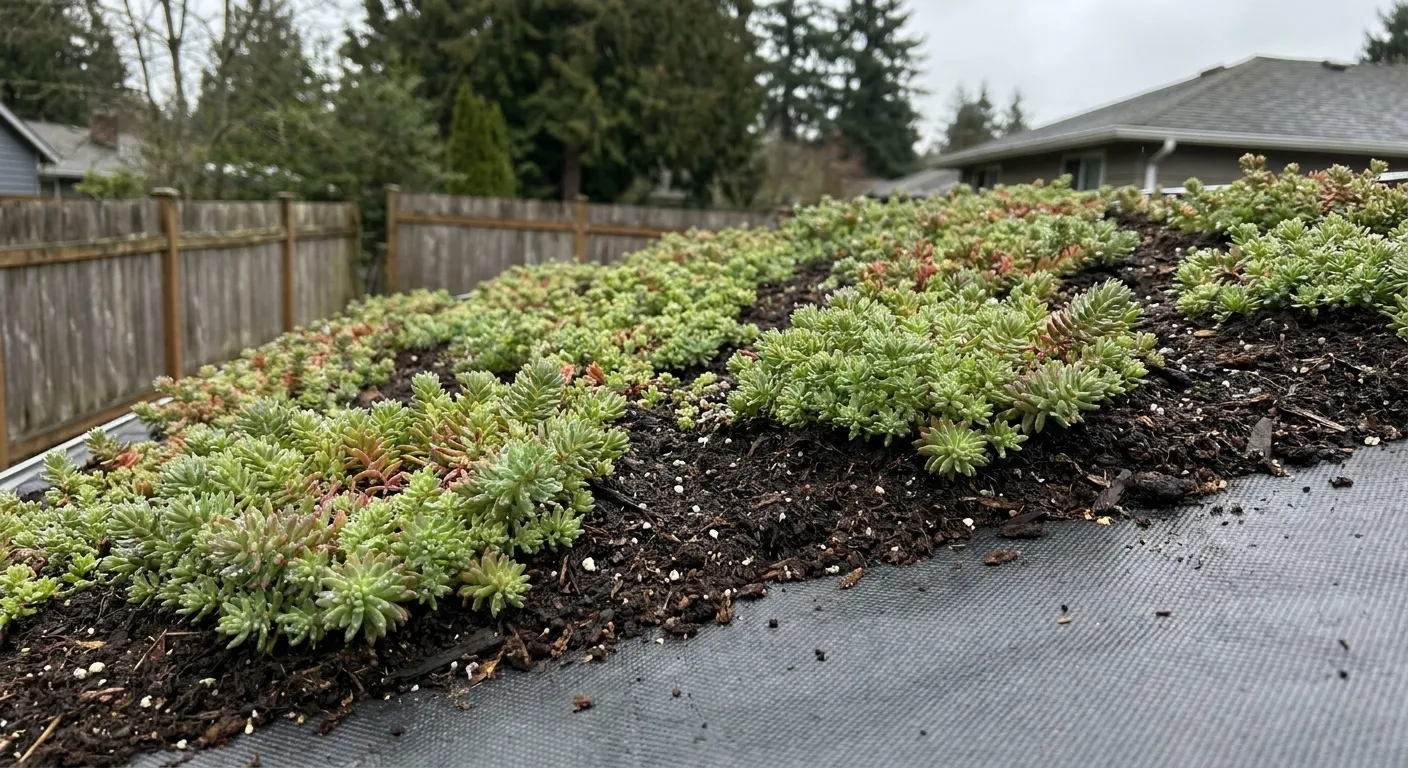
Pros and Cons of Green Roof Systems: A Complete Guide
Green roof systems are more than just a trend—they’re a transformative way to combine environmental responsibility with functional roofing. Imagine your roof not only protecting your home but also reducing stormwater runoff, improving air quality, and helping lower your energy bills. That’s the promise of a green roof system. But like with any roofing choice, there are important factors to consider before going green. For homeowners and property managers, especially in the Pacific Northwest, green roofs offer unique advantages tailored to the region's challenges. With its heavy rainfall and extended wet seasons, stormwater management is a critical concern. A properly designed green roof absorbs rainwater, minimizing roof runoff and reducing stress on city drainage systems. Beyond that, the vegetation layer acts as natural insulation, helping regulate indoor temperatures during both hot summers and chilly winters—potentially lowering your energy costs. These benefits sound great, but is a green roof right for your budget, home structure, and maintenance capacity? Choosing a green roof means understanding more than just the benefits. Installation requires structural preparation, as the extra weight of soil, plants, and retained water can strain traditional roof supports. Routine maintenance also plays a key role. From pruning plants to inspecting drains and waterproofing membranes, green roofs require attention to remain functional and leak-free. Plant selection is another consideration—wet weather in the Pacific Northwest demands drought-tolerant, low-maintenance vegetation capable of thriving through seasonal changes without adding unnecessary upkeep. Before deciding on a green roof, it’s essential to weigh the pros and cons carefully. Is your roof ready to handle the weight? Are you prepared for the upfront investment and long-term care? This guide will break down the benefits, challenges, and key considerations specific to green roof systems, providing an informative look at whether this eco-friendly option is the right fit for your home or property. By the end of this article, you'll have a complete understanding of green roof systems. From stormwater management and energy efficiency to maintenance needs and regional adaptability, you'll gain valuable insights to make an informed decision—and take the first step toward a sustainable roofing solution.
Pros and Cons of Installing Solar Panels on Your Roof
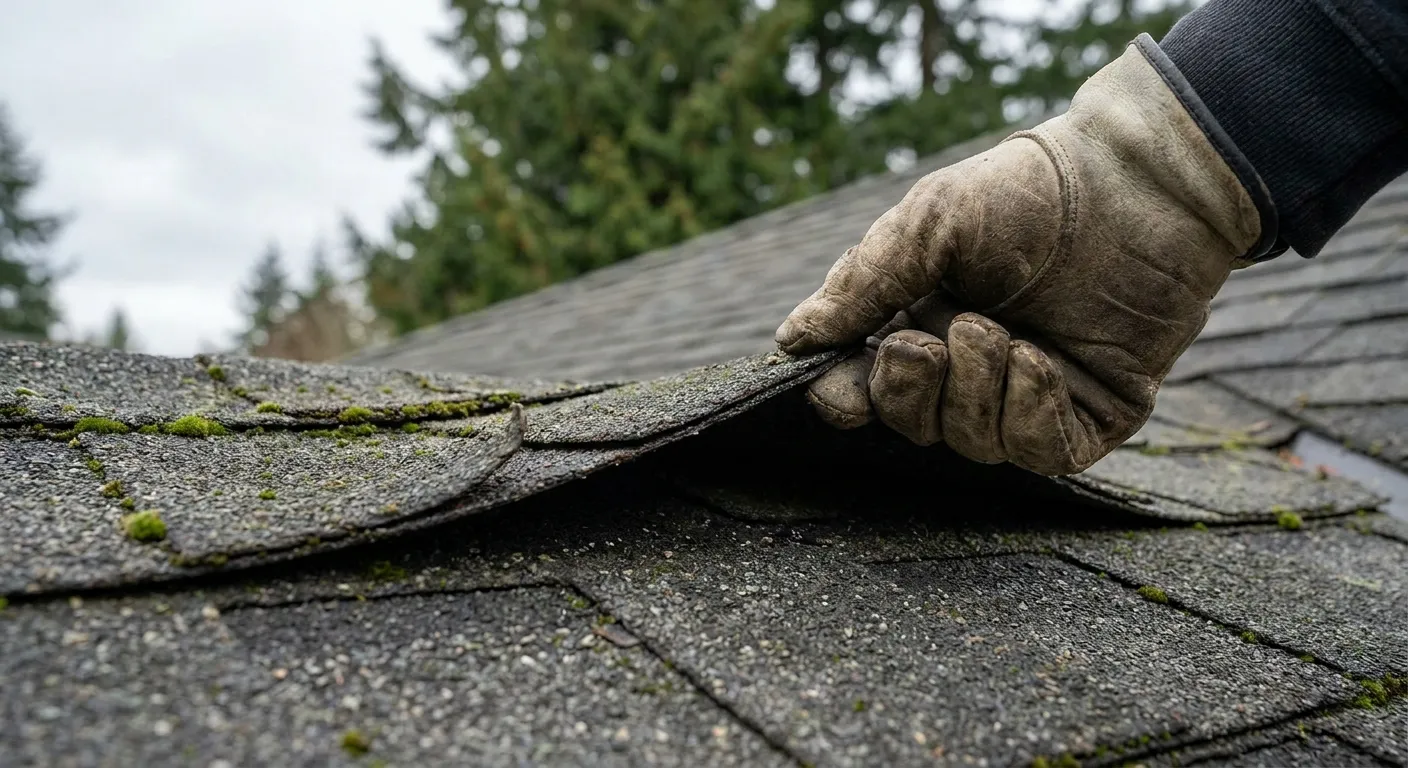
Installing solar panels on your roof might seem like a no-brainer for energy savings and environmental benefits, but have you considered how it could impact your roof? While rooftop solar panels are an excellent way to reduce electricity bills and increase home value, their installation is not without challenges. For homeowners, understanding the potential effects on your roof’s structure, lifespan, and maintenance is critical to making a confident decision. This is especially important in regions like the Pacific Northwest, where heavy rain and moisture can already put extra stress on roofing systems. Adding solar panels without proper preparation could lead to issues like structural strain, improper sealing, or even voided warranties. Considering that solar panels often last 25–30 years, your roof must be ready to support them for the long haul without compromising protection or durability. Before jumping into solar panel installation, homeowners should think through certain key factors. Is your roof in good condition, or does it need replacement first? Can it handle the weight of the panels? Does your roof material make installation easier or more complicated? And how will adding panels affect future maintenance, inspections, or warranty coverage? Addressing these questions upfront can save you from expensive fixes down the road while ensuring your roof remains a strong, reliable barrier against the elements. In this guide, we’ll explore the pros and cons of solar panels on your roof, with a clear focus on how to prepare your roofing system for this investment. You’ll learn about roof age assessments, structural requirements, potential warranty implications, and the best practices to ensure your solar project doesn’t compromise your home’s safety or value. By the end, you’ll be equipped with the knowledge needed to make an informed and confident decision about rooftop solar panels.
We believe in preparing for the future without sacrificing today.
Mon-Fri Open: 7am–6pm
Sat (Closed)
Sun (Closed)
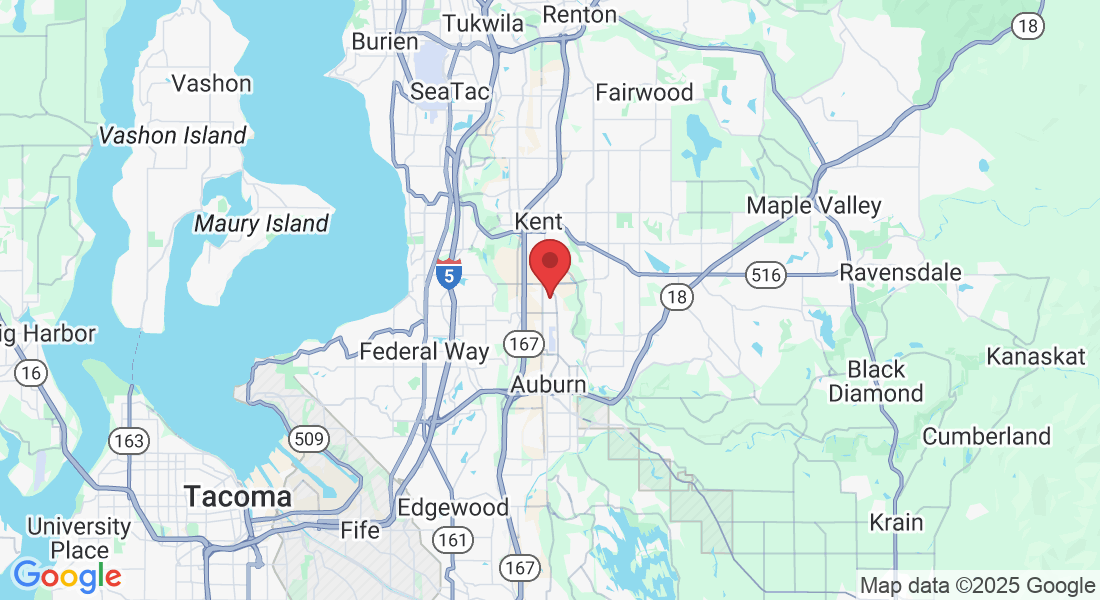
Address: 28421 85th Ave S, Kent, WA 98032