Roof Replacement Seattle: Financing, Insurance and ROI
A new roof can protect your home for years, but figuring out how to pay for it can feel as pressing as the leak itself. If you’re searching for “roof replacement Seattle,” you may be wondering whether you need to pay the full cost upfront, whether insurance will help, and how much value a new roof could add.
Those questions matter in Seattle, where long wet seasons and moss growth can put extra stress on roofing materials. A damaged roof may allow water into the attic, insulation, or roof decking. Not every leak calls for a replacement, but delaying needed work can lead to more extensive repairs. An inspection can help you understand the condition of your roof before you commit to a project.
The Seattle roof replacement cost often falls between $8,000 and $20,000 or more. Your price depends on the roof’s size and pitch, the materials you choose, labor, and whether old roofing and damaged decking need to be removed. A detailed estimate can help you see what is included and compare bids with confidence.
You may not have to cover the entire bill at once. Roof financing options can include a contractor-arranged payment plan, a personal or home improvement loan, a home equity loan, or a home equity line of credit, often called a HELOC. For a simple example, borrowing $12,000 over 60 months would mean $200 per month before interest and fees. Your actual payment will depend on the rate, loan terms, and any additional costs.
Homeowners insurance is another piece of the puzzle, but coverage is not automatic. A policy may cover damage from a sudden storm, while damage caused by age, wear, or moss is often excluded. Before filing a roof replacement insurance claim, consider your deductible, the extent of the damage, and how a claim might affect future premiums. Your insurer can explain what your policy covers.
A new roof may also make your home more appealing to buyers and help address concerns during a sale. That does not mean you will recover the full cost when you sell, so it helps to weigh potential resale value alongside protection and peace of mind.
This guide explains roof costs, payment choices, insurance decisions, and potential return on investment. You’ll also learn what to ask a contractor before moving forward. When you’re ready, you can book a free roof inspection and estimate with Roof Pros NW to get a clearer picture of your options.
Seattle Roof Replacement Cost: What Drives the Price
What the average Seattle roof replacement cost includes
A roof replacement in Seattle often costs $8,000 to $20,000 or more. That range is a starting point, not a quote. A small, simple roof with standard shingles may cost less than a steep roof with several features and damaged decking.
A replacement estimate should account for removing the old roof, installing underlayment and new roofing, labor, permits, and disposal. It should also explain how the contractor will price any decking repairs found after tear-off. Decking is the wood surface that supports the roofing materials.
For a home with 2,000 square feet of living space, the roof itself may cover a different area because of its slope and layout. A detailed measurement and inspection are the best way to compare bids. For more context, see this Seattle roof replacement cost guide.
Key factors that change your final price
Roof size matters, but it is not the only factor. Steep slopes and complex shapes take more time and safety planning. Multiple old roofing layers can add removal and disposal costs.
Material choice also affects the price. Chimneys, skylights, vents, and valleys need careful flashing, the material that directs water away from joints. Hidden rot or damaged decking can increase the final bill once the old roof comes off.
Why Seattle roofs can cost more to replace
Long wet seasons, shade, and moss can hold moisture against roofing materials and contribute to wear. Limited dry weather, difficult access, and the need to protect an open roof from rain can also affect labor and scheduling.
These local conditions matter when deciding whether to replace a roof now or wait.
When Roof Replacement Is Better Than Waiting
Signs your roof may be past the repair stage
A single damaged shingle does not always call for replacement. But repeated leaks, widespread shingle wear, soft decking, or sagging areas deserve a closer look.
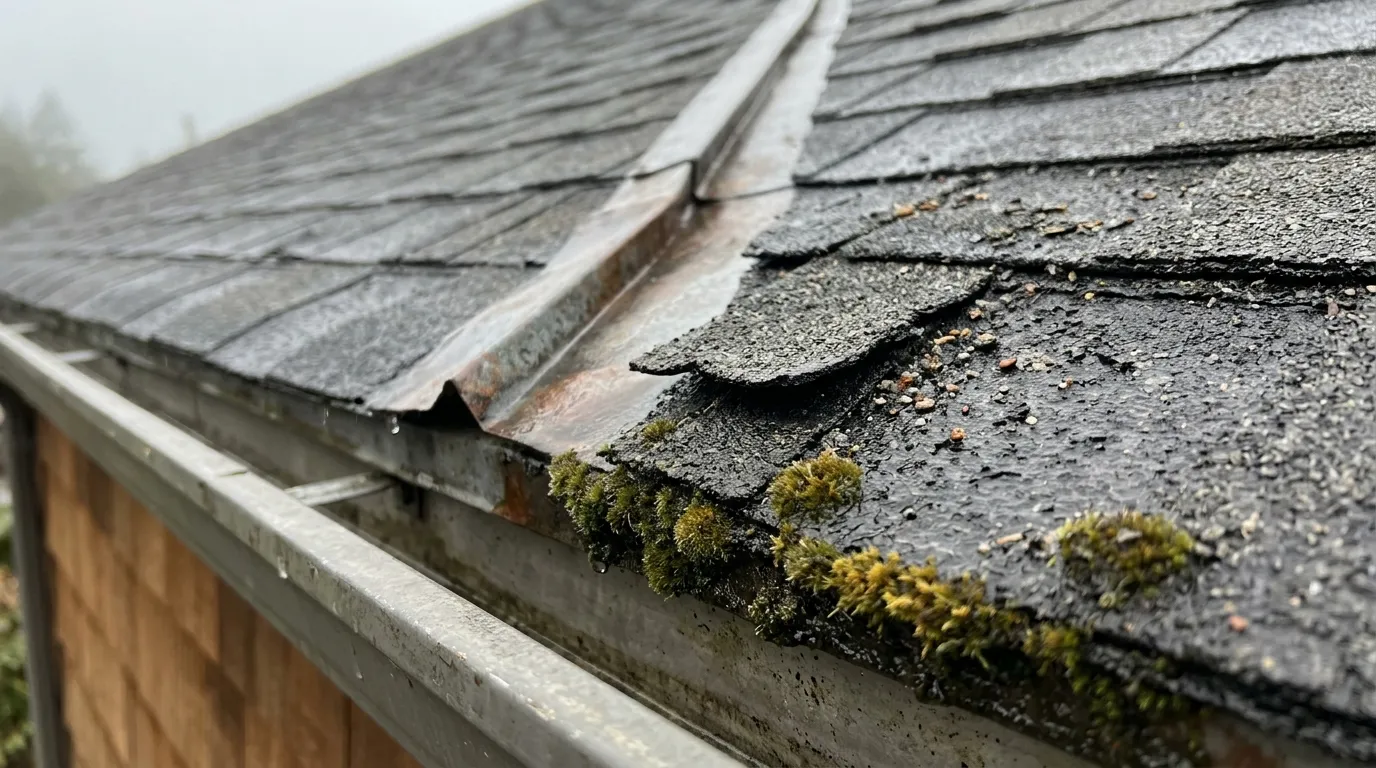
Moss alone does not prove a roof has failed. Still, heavy growth combined with lifting shingles or water intrusion can signal a larger problem. Have a professional assess the roof rather than assuming cleaning or patching will solve it.
How delay can raise repair and replacement costs
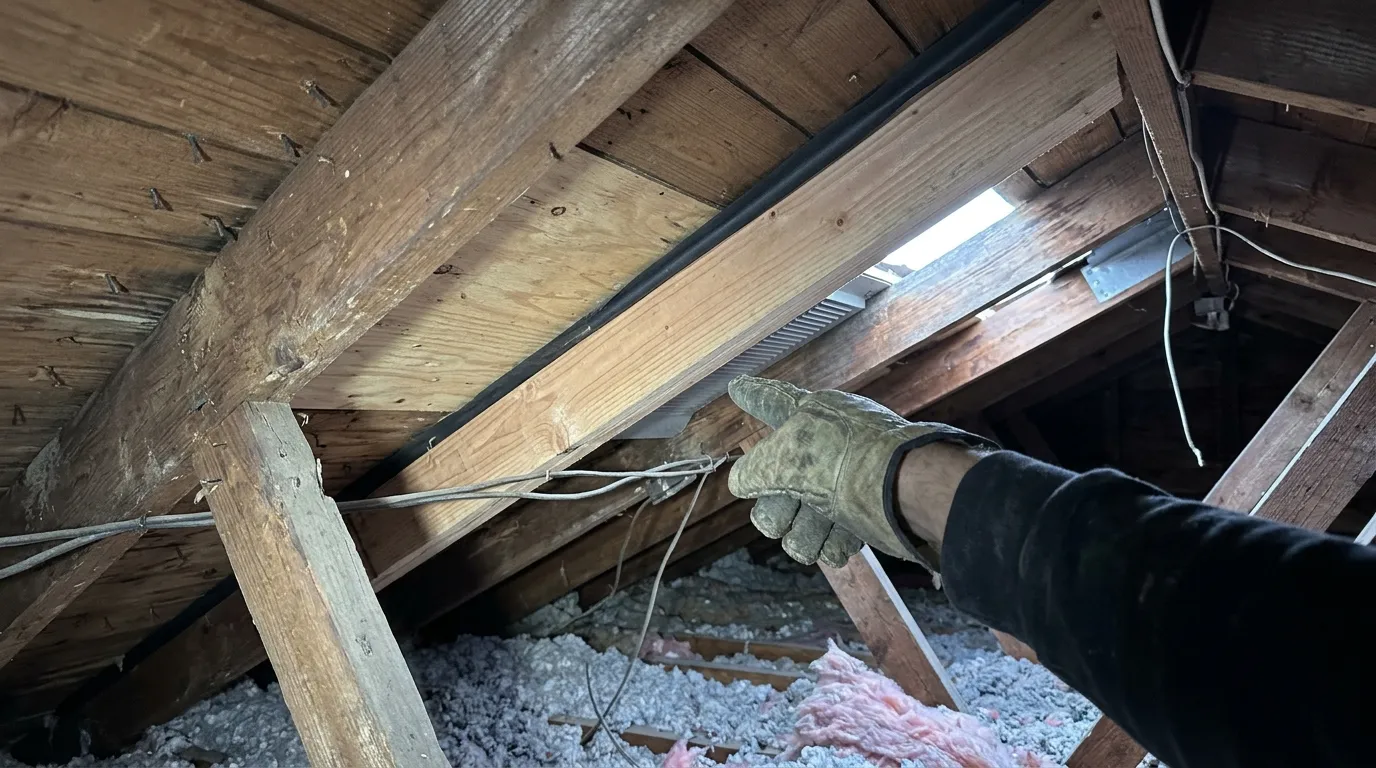
Water entering through a roof can reach attic insulation, drywall, and framing. A small leak may lead to more extensive repairs if moisture continues to spread.
The added cost is not certain, and some leaks remain limited. The practical step is to find the source early and ask whether a repair can safely protect the home while you plan for replacement.
Why timing matters in Seattle weather
Seattle’s dry windows can be limited, especially during the wetter months. Waiting through more rain may make an existing leak harder to manage and leave less flexibility for scheduling.
If work is urgent but savings are limited, compare the cost of borrowing with the risk and potential cost of delay.
Roof Replacement Financing Options Seattle Homeowners Use
Monthly payment plans and contractor financing
A monthly payment plan spreads the project cost over time instead of requiring the full amount upfront. Contractor-arranged financing may include promotional or low-interest offers when available.
Approval, rates, and terms vary by lender and credit profile. Ask whether a promotional rate expires and what happens if the balance is not paid during the promotional period. Review the loan agreement, not just the advertised payment.
Learn more about smart roof financing solutions.
Home improvement loans and personal loans
An unsecured personal or home improvement loan generally does not use your home as collateral. Many offer a fixed interest rate and fixed monthly payment, which can make budgeting easier.
Compare the annual percentage rate, or APR, repayment term, and fees. A longer term can lower the monthly bill but may increase total interest. An unsecured loan may be useful when you want a straightforward payment without borrowing against home equity.
HELOC for roof replacement
A home equity line of credit, or HELOC, lets you borrow against equity in your home up to an approved limit. Equity is the difference between your home’s value and what you owe on it.
A HELOC can offer flexible borrowing if the final roof cost is uncertain. However, rates are often variable, so payments can change. Your home secures the debt, which means missed payments can put it at risk. Ask about closing costs, repayment rules, and how quickly funds will be available.
Home equity loan vs. roof financing options
A home equity loan typically provides one lump sum, often with a fixed rate and predictable payments. A HELOC generally works more like a reusable credit line during its draw period.
A lump-sum loan may suit a known project price and a household that values steady payments. A HELOC may suit a project with uncertain repair costs. Both use your home as collateral, so compare them with unsecured financing before deciding.
Monthly payment example for a Seattle roof
Suppose you borrow $12,000 for 60 months:
- At 0% interest, the payment would be $200 per month, excluding fees.
- At a fixed 8% interest rate, the payment would be about $243 per month, with roughly $2,600 in total interest, excluding fees.
This is only a starting point. Your actual roof replacement monthly payments depend on the rate, loan term, fees, and amount financed. Longer terms may feel easier each month but can cost more overall.
What to ask before choosing financing
Before accepting an offer, check:
- The total amount borrowed and monthly payment.
- The interest rate, APR, and any fees.
- Whether the rate or payment can change.
- The total repayment cost and any prepayment rules.
- Whether the payment leaves room for other household expenses.
If the payment does not fit, ask about a smaller repair or other funding sources before taking on debt. These guides offer more ideas on how to pay for a roof when you can’t afford it and flexible roofing financing options.
Does Homeowners Insurance Cover Roof Replacement in Washington?
What insurance may cover
Homeowners insurance may cover roof damage caused by a sudden event listed in the policy. Examples can include wind, falling debris, and certain sudden water damage events.
Coverage depends on the cause, policy terms, exclusions, and the insurer’s assessment. A covered event does not automatically mean the insurer will pay for a full roof replacement. Ask your insurer how your policy applies before making assumptions.
What insurance usually does not cover
Insurance generally does not pay to replace a roof simply because it is old. Age-related wear, poor maintenance, moss damage, gradual leaks, and long-term deterioration are also commonly excluded.
For example, a windstorm lifting shingles may be treated differently from shingles failing after years of wear. The cause of the damage is central to the decision.
Actual cash value vs. replacement cost value
Actual cash value generally accounts for depreciation, or the loss in value due to age and condition. That can leave you paying more of the project cost yourself.
Replacement cost value coverage may pay more toward eligible replacement costs, subject to policy limits, the deductible, and other conditions. Some policies initially pay a depreciated amount and release additional funds after covered work is completed. Ask your insurer how your roof is valued and what documentation is required.
When a roof insurance claim may make sense
A claim may be worth considering when damage was sudden, appears to fall within your coverage, and will cost substantially more than your deductible. It can also make sense when the roof was otherwise in reasonable condition and the repair would be difficult to pay for yourself.
The deductible is the amount you pay toward a covered loss. A higher deductible leaves less potential reimbursement, so get an estimate before deciding when practical.
When paying out of pocket may be the better choice
Paying yourself may be simpler when damage is minor, the repair cost is close to the deductible, or the problem appears to result from age or gradual wear. An old roof near the end of its life may need replacement regardless of whether a small portion is covered.
Consider potential effects on future premiums or renewal, but ask your insurer or agent about your circumstances rather than assuming a claim will have a particular outcome.
Steps in a roof replacement insurance claim
If you suspect covered damage, take these steps:
- Photograph visible damage promptly from a safe location.
- Record the date and likely cause, if known.
- Review your policy, coverage limits, and deductible.
- Schedule a professional inspection and obtain a written estimate.
- Contact your insurer and meet with its adjuster if requested.
Protect the home from further damage when it is safe to do so, and keep receipts for temporary protection. Do not climb onto a damaged roof. For more detail, see this guide to Seattle storm damage roof repair and claims.
How to Decide: Roof Claim or Out-of-Pocket Payment
Questions to ask before filing a claim
Start with the cause: Was the damage sudden, and does the policy appear to cover it? Then compare the estimated repair cost with your deductible and consider whether the rest of the roof is in good shape.
Also ask whether a claim is likely to help enough to justify the process and possible future insurance effects. An estimate of $1,500 against a $1,000 deductible, for example, leaves limited potential reimbursement before any coverage limits are applied.
Why an inspection helps with this decision
A licensed roofer can assess visible damage and look for signs of problems beneath the surface, though some conditions remain hidden until materials are removed. An inspection report and photos can help you discuss the cause and scope with your insurer.
The roofer can explain whether repair or replacement appears appropriate. The insurer, not the roofer, determines coverage.
Roof Replacement ROI and Resale Value in Seattle
How a new roof can improve resale value
A roof is visible to buyers and often comes up during a home inspection. A newer, well-installed roof may reduce concerns about near-term work and help a home feel more move-in ready.
That does not mean every buyer will pay more by the full cost of the project. The benefit depends on the home, the market, and the condition of competing properties.
Cost vs. value: what homeowners should expect
Roof replacement ROI is the value recovered compared with the project cost. A new roof may not return every dollar at resale, but an aging or leaking roof can affect offers or lead to requests for repairs or credits.
The return is also practical: a sound roof helps protect the home while you own it. Consider both the resale picture and your need for reliable weather protection. Read more about the advantages of roof replacement.
Why buyers care about roof age and condition
Buyers may worry about paying for a roof soon after closing. A roof in good condition can reduce that concern and may limit inspection objections or seller credit requests.
It can also reduce the chance of closing delays tied to unresolved roofing issues, although no replacement guarantees a smooth sale.
Roof replacement before selling a house in Seattle
If a roof is leaking or near the end of its life, replacing it before listing may help address a major buyer concern. If it is older but still performing well, an inspection and targeted repairs may be a more sensible choice.
Compare the estimate with your expected sale timing and discuss local buyer expectations with your real estate professional.
Roofing Materials That Change Cost and Lifespan
Asphalt shingles
Asphalt shingles are common in Seattle because they offer a range of styles and generally cost less upfront than many alternatives. They can suit a variety of home designs and budgets.
Service life depends on shingle quality, installation, ventilation, maintenance, and exposure. Compare material warranties as well as price. These guides explain asphalt roofing costs and lifespan and asphalt roofing for wet-weather homes.
Composite and synthetic roofing
Composite and synthetic roofing can provide the look of other materials while offering a different balance of weight, durability, and maintenance. Options vary widely, so ask about the specific material’s performance and warranty.
These roofs may cost more upfront than standard asphalt shingles. Their appearance and expected service life may make them worth comparing for some homes.
Metal roofing
Some homeowners choose metal roofing for its potential long service life and resistance to rain and wind when properly installed. It often costs more upfront than asphalt.
Installation details matter, especially around fasteners, seams, and roof openings. Ask how the proposed metal system handles your roof’s slope and exposure.
How to choose the right material for your home
Balance your budget with roof slope, home style, expected lifespan, and maintenance needs. Consider shade, nearby trees, wind, and how long you expect to own the property.
Ask your roofer which materials are suitable for the roof design and compare complete installed costs, not material prices alone.
What Happens During a Seattle Roof Replacement
Inspection, estimate, and material selection
A contractor first checks the roof’s condition, measures the roof, and discusses material choices. The written estimate should identify the work included, expected costs, and how hidden damage will be handled.
A transparent bid makes it easier to compare contractors and plan for possible changes after tear-off.
Tear-off, installation, and cleanup
The crew removes the old roofing and checks the exposed decking. After needed repairs, it installs underlayment, flashing, roofing material, and any planned ventilation components.
Flashing helps direct water away from roof openings and joints. Ventilation helps air move through the attic. At the end, the crew should remove debris and review the completed work.
Timeline and weather planning
Many projects take about 3 to 7 days, depending on roof size, complexity, repairs, crew availability, and weather. Some take less or more time.
Seattle rain can change the schedule. Ask how the contractor will protect the home if wet weather interrupts the work.
How to Choose a Seattle Roofing Contractor
What to look for in a roofer
Look for a licensed, bonded, and insured roofer with experience working in local weather. Check credentials, ask about recent relevant work, and look for clear communication throughout the estimate process.
A written scope should explain what is included and what could cost extra. You can learn more about Roof Pros NW when comparing Seattle roofing contractors.
Questions to ask before signing
Ask the contractor:
- What does the estimate include, and how are decking repairs priced?
- How long should the project take, and what could change the schedule?
- Which materials will be installed, and are permits included?
- What workmanship and material warranties apply?
Keep the signed agreement and warranty documents with your home records.
Final Thoughts: Make the Next Step Simple
Wrap-up on cost, coverage, and return on investment
A roof replacement is a major expense, but financing or insurance may help in the right situation. The best choice depends on the roof’s condition, your budget, policy terms, and plans for the home.
In Seattle’s wet climate, a timely inspection can help you weigh the cost of action against the possible cost of waiting.
Next step for Seattle homeowners
Before choosing a loan or filing a claim, get a professional assessment. Roof Pros NW can help identify whether repair or replacement is appropriate and provide an estimate you can use when considering financing or discussing a claim with your insurer.
Book a free roof inspection and estimate to understand your next steps.
Conclusion
A Seattle roof replacement is a big decision, but it becomes much easier when you understand what drives the cost and what your roof really needs. The final price depends on more than just size. Roof pitch, roof shape, layers to remove, flashing details, decking condition, material choice, and labor all play a role. In the Seattle area, long wet seasons, moss growth, and limited dry weather can also affect both timing and cost. That is why a quick guess is rarely enough. A careful inspection and a detailed estimate give you the clearest picture.
It is also important to know when replacement makes more sense than repair. A few missing shingles or a small issue may not justify a full project. But repeated leaks, soft decking, sagging spots, or widespread wear can point to a roof that is nearing the end of its life. Moss by itself does not always mean failure, but heavy growth paired with moisture problems or lifting shingles should not be ignored. The sooner you find the source of the problem, the more options you usually have.
For many homeowners, the biggest question is how to pay for the work. Financing can help spread the cost over time, whether through contractor financing, a personal loan, a HELOC, or another payment plan. The best option depends on the total amount, interest rate, monthly payment, and how much flexibility you need. If insurance may apply, it is worth checking your policy before moving forward. Sudden damage from wind or debris may be covered, while age and wear usually are not. Knowing the difference can help you decide whether to file a claim or pay out of pocket.
A new roof can also add practical value beyond the repair itself. It can improve curb appeal, help protect the home from water damage, and make a property easier to sell. Buyers often notice roof age and condition right away, so taking care of roofing problems before they grow can support both comfort and resale confidence. The right material matters too. Asphalt shingles, composite options, and metal roofing each come with different costs, lifespans, and maintenance needs, so it helps to compare installed prices and long-term performance rather than looking at material cost alone.
If you are unsure whether your roof needs repair, replacement, or just closer attention, the next step is simple. Schedule a professional inspection and get clear answers based on your roof’s condition. Roof Pros NW can help you compare your options, understand your estimate, and decide what makes the most sense for your home, your budget, and Seattle’s weather. Start with a roof inspection and estimate so you can plan your next move with confidence.
A roof replacement is a big decision, especially in Seattle where rain, moss, and short dry windows can turn a small roofing issue into a bigger repair. These key takeaways will help you understand the real cost, how homeowners often pay for a new roof, when insurance may help, and what kind of return a new roof can add to your home.
- Seattle roof replacement costs depend on more than square footage: Roof size, pitch, material choice, tear-off needs, labor, and disposal all affect the final price, which often falls in the $8,000 to $20,000+ range.
- Financing can help you move fast when the roof cannot wait: Monthly payment plans, contractor financing, home improvement loans, HELOCs, and home equity loans can spread the cost out instead of delaying urgent work.
- Insurance only covers certain roof problems: Sudden storm damage or water damage may be covered, but wear and tear, age-related failure, and moss damage are often excluded.
- Knowing when to claim matters: If damage is sudden and severe enough to meet your deductible, a claim may make sense, but small or older issues are often better handled out of pocket.
- Waiting too long can raise the final repair bill: In Seattle’s wet climate, delay can lead to leaks, rotted decking, attic moisture, mold, and interior damage that cost more than timely replacement.
- Material choice changes both budget and lifespan: Asphalt shingles, composite roofing, metal, and synthetic options each offer different costs, performance levels, and expected service life.
- A new roof can improve resale value: Buyers often see a new roof as a major plus, and it may help reduce sale delays, inspection issues, or seller credit requests.
- A clear roof inspection helps you choose the best path: A licensed, bonded, and insured Seattle roofing contractor like Roof Pros NW can explain whether repair, replacement, financing, or an insurance claim is the smartest move.
With these points in mind, the rest of the article breaks down Seattle roof replacement costs, payment options, insurance decisions, and the long-term value of replacing your roof at the right time.
Get a Clear Picture of Your Roof
Knowing what your roof needs is the first step toward making a confident decision. Whether you have noticed a concern or simply want to plan ahead, a roof inspection can help you understand its condition and your next steps.
Roof Pros NW can help you take a closer look and discuss any roofing work that may be needed. Scheduling an inspection soon gives you time to consider your options and plan for repairs or maintenance.
With a roof inspection, you can:
- Learn more about your roof’s condition
- Identify areas that may need attention
- Discuss repair and maintenance options
- Get guidance for planning your next steps
- Make decisions with greater confidence
You do not have to guess what comes next. Get answers from a roofing professional and choose a plan that works for your home.
Schedule your roof inspection with Roof Pros NW today.
How much does roof replacement cost in Seattle?
Seattle roof replacement pricing depends on roof size, pitch, material, number of layers to remove, decking condition, flashing details, labor, permits, and disposal. A roof with hidden damage or complex features will usually cost more than a simple roof with standard materials. The best way to get an accurate price is with a roof inspection and written estimate from Roof Pros NW.
How do I know if my roof needs replacement instead of repair?
A roof may need replacement if you have repeated leaks, widespread shingle wear, soft or sagging areas, or visible water intrusion that keeps coming back. A repair can help when the problem is small and the rest of the roof is still in good shape. If you are not sure, Roof Pros NW can inspect the roof and tell you whether repair or replacement is the better choice.
Does homeowners insurance cover roof replacement for storm damage?
Homeowners insurance may cover roof damage from a sudden storm, wind, falling debris, or certain sudden water damage events. It usually does not cover age, wear, poor maintenance, or moss damage. Coverage depends on your policy, your deductible, and how the damage happened, so it is smart to review your policy and get a roofing inspection before you file a claim.
What roofing financing options are available for homeowners?
Common financing options include contractor payment plans, personal or home improvement loans, a home equity loan, and a HELOC. The right choice depends on your budget, credit, interest rate, monthly payment, and how much flexibility you want. Roof Pros NW can help you understand your options and move forward with an estimate for the work you need.
What should I ask before hiring a roofing contractor?
Ask if the contractor is licensed, bonded, and insured, what the written estimate includes, how hidden decking repairs are handled, which materials will be used, how long the job should take, and what warranty applies. You should also ask how they protect your home during rain and cleanup after the job. Roof Pros NW can walk you through the process and provide a clear estimate before work begins.
