Residential Roof Replacement Seattle: Rain, Timing, What to Expect
Can you replace a roof during Seattle’s rainy season? Yes, but that does not mean roofers should tear off an entire roof during a downpour. The key is having a plan to keep the home protected, knowing when to work, and knowing when to wait.
When it comes to residential roof replacement, Seattle homeowners have more to consider than the color of their new shingles. Rain can reach the roof deck and attic if an exposed area is not properly covered. Wind and slick surfaces can also make work unsafe. Understanding how a crew handles changing weather can help you protect your home and feel more confident about the project.
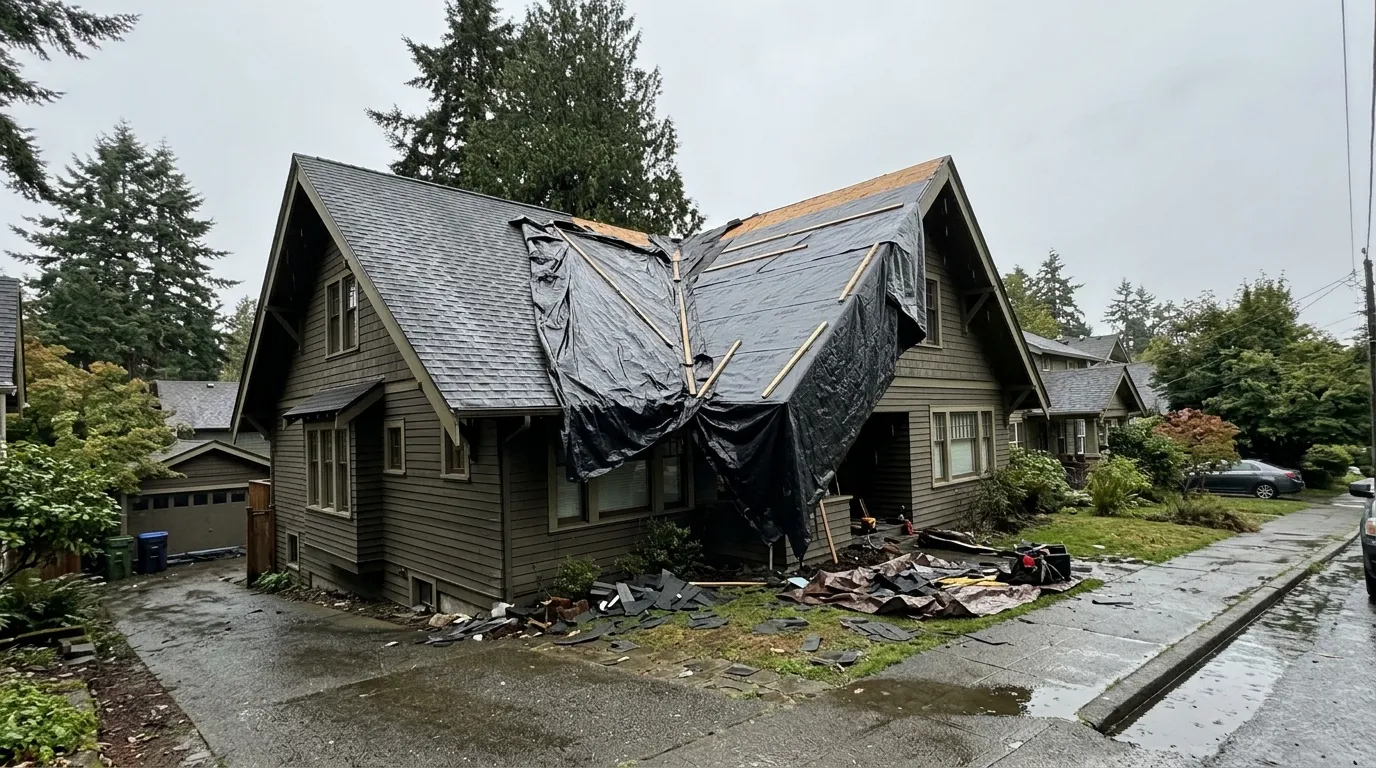
A careful wet-weather tear-off happens in steps. Crews may remove the old roofing in small sections, check the exposed roof deck for moisture or damage, and cover it before opening another area. Synthetic underlayment, sealed edges, and tarps can help keep water out during the dry-in process. Roofers also watch the forecast and may pause work if rain, wind, or other conditions make it unsafe or prevent proper installation.
Timing still matters. Spring can be a good time to plan, but schedules may fill early. Summer usually brings more dry days, along with strong demand for roofing crews. Fall can offer opportunities too, though rain and urgent repairs after storms may affect availability. If your roof is already leaking, waiting for summer is not always the best choice. An inspection can help you understand how urgent the work is.
Most Seattle roof replacements take about three to seven days, but weather, roof size, materials, permits, and hidden deck damage can change the schedule. Cost also depends on factors such as roof pitch, labor, flashing, and the materials you choose. Beyond shingles, proper flashing and attic ventilation matter for managing water and moisture over the life of your roof.
Before you book, ask a Seattle roofing contractor how the crew protects exposed areas, what happens if rain arrives, and whether permits and inspections are needed. It is also worth discussing the workmanship warranty and the installation requirements for your chosen materials. Our guide to roof replacement steps offers a closer look at the overall process.
This article will explain how roof replacement in the rain works, compare seasonal timing, and cover the questions to ask before work begins. If you are ready to discuss your roof, you can also schedule an inspection or estimate with Roof Pros NW.
Can You Replace a Roof in the Seattle Rain?
Yes, a roof can be replaced during Seattle’s rainy season, but not every part of the work can happen safely in active rain. A crew needs a weather plan, a way to protect exposed areas, and enough dry time to inspect and cover the roof deck.
For homeowners planning a residential roof replacement in Seattle, the main question is often less about whether rain is in the forecast and more about how the house will stay protected if it arrives. A careful contractor plans for that before removing the first shingle.
Why Seattle Weather Changes the Roofing Process
Steady rain can wet exposed wood, while wind can make ladders, tarps, and roof work unsafe. Valleys, where two roof slopes meet, need special attention because they direct large amounts of water toward the gutters.
Long damp stretches can also slow drying. The crew may need to pause until the deck and installation surfaces meet the roofing material manufacturer’s requirements.
What Professional Crews Do Differently in Wet Weather
A contractor may remove the old roof in smaller sections, check hourly forecasts, and keep tarps ready. Synthetic underlayment and properly detailed edges help protect completed sections.
The calendar matters, but a contractor’s decisions about timing, safety, and home protection matter more. Here is how those decisions shape the work.
How Roof Replacement Works in the Rain
Step 1: Preparing the Jobsite and Checking the Forecast
Crews look at hourly conditions, including rain and wind, rather than relying only on a daily forecast. They plan a work window that gives them enough time to expose and protect each section.
Before tear-off, materials are staged where they can stay protected and be reached safely. Crews may also cover landscaping and identify areas that need extra care, such as patios, attic vents, and walkways.
Step 2: Full Tear-Off in Sections, Not All at Once
A full tear-off means removing the existing roofing down to the roof deck, the wood surface beneath it. It does not necessarily mean exposing the whole deck at once.
During a Seattle roof tear-off, crews often work in manageable sections. For example, they may strip one slope, inspect and protect it, then move to the next. The size of each section depends on the weather, roof layout, and crew plan.
Step 3: Roof Deck Inspection Before New Materials Go On
Once a section is open, the crew can check the deck for moisture, soft spots, rot, and other damage. A damp or damaged deck should not simply be hidden under new roofing.
The contractor may need to let the wood dry or replace damaged panels before work continues. Hidden damage can change the timeline and cost, so ask how the crew will document it and get approval for repairs.
Step 4: Dry-In Protection During and After Tear-Off
Dry-in means covering the exposed roof with a temporary or installed water-shedding layer before the finished roofing goes on. It helps protect the home while the job is underway, but it is not a substitute for the finished roof.
Common parts of the plan include:
- Synthetic underlayment: A sheet installed over the deck beneath the roofing.
- Ice and water shield: A self-adhering membrane often used at vulnerable areas, such as eaves and valleys, where required or specified.
- Edge and transition details: Proper overlaps and sealing at openings, edges, and changes in roof shape.
- Tarps: Temporary covers secured over areas that cannot yet be protected with installed materials.
At the end of each day, or before a squall arrives, exposed areas should be covered and edges secured. The exact details depend on the roof and the materials used. Underlayment alone should not be assumed to make every opening or edge watertight.
Step 5: Installing the New Roofing System
Once the deck is suitable and protected, the crew installs shingles or another selected roof covering. The work also includes flashing, the material that directs water away from joints around chimneys, walls, and roof openings.
Vents, ridge details, and required sealants must be installed correctly as well. Even with a dry-in layer in place, wet surfaces, high winds, or manufacturer instructions may require the crew to wait.
For a broader look at the process, see roof replacement steps from start to finish.
What Happens If Rain Arrives Mid-Project?
The crew may stop tear-off, secure open areas, and use tarps or other temporary coverings until conditions improve. Before restarting, they should check whether the deck or materials became wet and address any moisture.
A pause can be a sign of good workmanship, not a failure to plan. Ask your contractor how you will be notified if the weather changes the schedule.
Best Time to Replace a Roof in Seattle
The best time of year to replace a roof in Seattle depends on both the forecast and the roof’s condition. A convenient summer date may suit a sound but aging roof. An active leak may call for attention much sooner.
Spring: Good Planning Season, But Book Early
Spring can be a useful time to arrange an inspection after months of rain. It also gives homeowners who delayed replacement a chance to plan before summer.
Showers and damp surfaces can still interrupt work. Contractors may be busy responding to winter leaks and storm damage, so start the estimate process early.
Summer: Most Dry Days, Highest Demand
Summer generally offers Seattle’s best chance of longer dry stretches. More daylight and steadier weather can help a job move forward with fewer rain-related pauses.
It is also a popular roofing season. If you want a summer installation, request estimates well ahead of time rather than waiting until the first dry week.
Fall: Practical for Urgent Replacements, But Weather Can Shift Fast
Fall can be a practical time to replace a roof that has begun leaking or lost shingles in wind. The trade-off is a less predictable forecast and potentially shorter work windows.
A contractor may phase the work more carefully or adjust the start date. If replacement cannot begin right away, ask whether a repair or temporary covering can protect the home in the meantime.
Winter and Emergency Roof Replacement in Western Washington
Winter roof replacement is possible when conditions allow. Crews may use short dry windows, smaller work areas, and temporary protection.
If storm damage, repeated leaks, or exposed decking makes waiting risky, an emergency roof replacement may be appropriate. The contractor should still explain when work must pause for safety or material requirements.
How Far in Advance Should You Book?
For a roof that is not leaking, start planning before your preferred season. Lead times vary with demand, material availability, weather, and the size of the job.
Property managers should also allow time to coordinate access and notify occupants. The guide to roof replacement steps for Puget Sound homeowners can help with early planning.
What Affects Roof Replacement Cost in Seattle
There is no reliable single price for every Seattle roof replacement. An estimate should reflect the building, chosen materials, and scope of work. Weather often affects scheduling more than price, although extra protection or changes in scope may affect a particular quote.
Roof Size, Pitch, and Complexity
A larger roof generally needs more material and labor. A steep pitch, multiple levels, dormers, or difficult access can add safety steps and working time.
A simple roof and a complex roof with the same floor area may therefore receive different estimates. Ask how the contractor measured the roof and what access equipment is included.
Material Choice and Installation Needs
Asphalt shingles, including thicker architectural shingles, are common choices. Metal, cedar, and composite roofing are also options, with different material costs and installation needs.
For example, some systems need specific underlayment or details at seams and edges. Ask whether the estimate includes the complete system, not just the visible roof covering.
Flashing, Ventilation, and Deck Repair
New flashing may be needed around chimneys, walls, and other transitions. Attic ventilation, which helps air move through the attic, should also be reviewed as part of the job.
Deck damage may remain hidden until tear-off. A clear estimate should explain how replacement wood is priced and how changes will be approved.
Permits and Inspections
A roofing permit or required inspection may add time and cost. Requirements depend on the location and scope, so confirm what applies to your property and who will obtain any permit.
Why the Lowest Bid Is Not Always the Best Value
Compare bids for the same scope, including tear-off, disposal, underlayment, flashing, cleanup, and warranty terms. A low number is less useful if important work is left unclear.
A contractor’s weather plan is also a quality signal. The guide to choosing a Seattle roofing contractor offers more points to consider.
Materials That Work Well in Seattle’s Wet Climate
No roof material handles Pacific Northwest rain on its own. Good installation, drainage, ventilation, and maintenance all help the system perform.
Architectural Asphalt Shingles for Wet-Weather Homes
Architectural asphalt shingles are widely used on Seattle homes. They offer a layered appearance and are available in many styles. Their durability depends on the selected shingle, installation, and conditions around the home.
Learn more about asphalt roofing for Seattle’s wet weather.
Metal Roofing for Long-Term Moisture Resistance
Metal roofing sheds water and does not absorb moisture like wood. It can be a good fit for owners considering a long-term roofing material.
Details still matter. Seams, fasteners, flashing, roof slope, and underlayment must suit the chosen system and be installed correctly.
Cedar and Composite Roofing in Seattle
Cedar offers a natural appearance but needs suitable installation and ongoing care in a damp climate. Composite roofing can offer different appearances and performance features, depending on the material.
Compare maintenance needs, manufacturer instructions, and the roof’s design before choosing either option.
Why Moss Resistance Still Matters
Shade, overhanging branches, and lingering moisture can encourage moss on Puget Sound roofs. Some shingles have algae-resistant features, but algae resistance is not the same as moss resistance.
Ask what a material’s specific claims cover. Keeping gutters clear and arranging appropriate roof maintenance remain important.
Synthetic Underlayment vs. Felt
Traditional felt is typically asphalt-saturated material installed beneath the roof covering. Synthetic underlayment is generally made from plastic-based materials and is often chosen for its handling and moisture resistance.
Neither should be treated as a permanent finished roof. The contractor should select and install underlayment according to the roof system, local requirements, and manufacturer instructions.
How Roofers Protect Your Home During a Wet-Weather Tear-Off
Tarping and Temporary Protection
Roof tarping is a backup when an area cannot be fully protected before rain. Crews need a plan for covering openings, securing the tarp against wind, and directing water away from vulnerable edges.
A tarp is only one part of the plan. Ask what happens if wind makes it unsafe to secure a covering or if rain continues longer than expected.
Sealed Edges and Dry-In Steps
Water can enter where a protective layer ends or meets a vent, wall, or valley. Crews should secure and detail those transitions rather than leaving loose edges exposed.
Before leaving for the day, they should check that each open area is protected. The goal is to shed water away from the home until work resumes.
Protecting the Attic, Interior, and Landscaping
The crew may take extra steps around attic openings and vents and place coverings over nearby plants or outdoor features. Materials should be staged so they do not block drainage or create avoidable damage.
Homeowners can also move fragile outdoor items and discuss attic storage with the contractor. See how to prepare your home for roof replacement for more guidance.
What Homeowners Should Confirm Before the Crew Starts
Ask who monitors the forecast, how much roof will be exposed at once, and how open areas will be protected if rain arrives. Confirm who to contact after hours if you notice a leak during the project.
Questions to Ask Before You Book a Seattle Roof Replacement
A clear conversation before work starts can make estimates easier to compare and prevent surprises.
Questions About Weather and Scheduling
- How do you decide whether to start or pause work?
- Will tear-off happen in sections, and how will exposed areas be protected?
- How are rain delays communicated and rescheduled?
Also ask for an estimated roof replacement timeline and what could change it.
Questions About Materials and Installation
- What underlayment and roofing material do you recommend for this roof?
- How will flashing be handled around walls, chimneys, and vents?
- Will you inspect the deck for moisture and damage before installing new materials?
Questions About Permits, Warranty, and Cleanup
- Are permits or inspections required, and who handles them?
- What does the workmanship warranty cover, and for how long?
- How will debris, nails, and leftover materials be removed?
Ask for warranty and scope details in writing so you can review any limits or exclusions.
Questions About Communication
Who is your main contact, and how often will you receive updates if the forecast changes? Property managers may also want to agree on how residents will be notified about access, noise, and schedule changes.
When a Roof Replacement Cannot Wait
Signs the Roof May Need Prompt Attention
Repeated leaks, missing shingles, storm damage, soft areas, or visible deck damage deserve prompt attention. Inside, look for water stains, damp insulation, or moisture in the attic.
Do not climb onto a wet or damaged roof to investigate. A qualified contractor can assess it more safely.
Why Delaying Can Lead to More Damage
Water entering through one area can travel into the roof system, attic, or insulation before it becomes visible indoors. Early attention can help identify the source and limit further exposure.
Not every stain means the entire roof must be replaced. It does mean the cause is worth checking.
How an Inspection Helps You Decide
An inspection can help determine whether a targeted repair, temporary protection, or replacement is the better next step. The roof’s age, condition, and extent of damage all matter.
For more on the options, read about roof replacement and repairs.
When to Schedule an Inspection or Estimate
If you are unsure whether to wait for a drier season, an inspection gives you a starting point. Bring up any leaks, past repairs, moss concerns, or areas where water appears after heavy rain. For an estimate, ask the contractor to explain the proposed scope, weather plan, and possible deck-repair costs.
Schedule an inspection or estimate with Roof Pros NW to discuss your roof’s condition and timing. You can also visit the Roof Pros NW homepage to learn more.
Conclusion
A roof can be replaced during Seattle’s rainy season, but the work has to be planned around weather, safety, and proper protection for the home. The main takeaway is that a wet forecast does not automatically mean you must wait, but it does mean the contractor needs a solid plan for tear-off, dry-in protection, and daily coverage if conditions change.
In Seattle and the greater Puget Sound area, rain, wind, and long stretches of moisture can change how a roof replacement is handled. A good crew will not remove more of the roof than they can safely protect. They will check hourly forecasts, stage materials carefully, inspect the roof deck for hidden damage, and use underlayment, flashing, and tarps to help keep the home protected while the job is in progress. That level of care matters because even a short weather delay can affect exposed decking, attic spaces, and the rest of the roof system.
Homeowners should also remember that the best time to replace a roof is not just about the season. It is also about the roof’s condition. If the roof is leaking, missing shingles, showing soft spots, or has storm damage, it may need attention sooner rather than later. If the roof is aging but still stable, you may have more flexibility to plan around a drier window. In either case, an inspection is the best way to understand whether a repair, temporary protection, or full replacement makes the most sense.
Cost and timing can also vary based on roof size, pitch, material choice, flashing needs, ventilation, and whether deck repairs are discovered after tear-off. That is why it helps to compare complete estimates, not just the lowest number. A fair quote should explain the scope of work, weather plan, cleanup, warranty details, and how any hidden damage will be handled.
If you are unsure whether your roof can wait for better weather or needs prompt replacement, the next step is to get a professional opinion. A roof inspection can give you a clearer picture of your options and help you plan with less stress. For more guidance on the process, see roof replacement steps what to expect from start to finish, roof replacement steps for Puget Sound homeowners, or choosing roofing contractors in Seattle WA addressing local challenges.
When you are ready, schedule an inspection or estimate with Roof Pros NW to review your roof’s condition and plan the right next step.
Before you schedule a roof replacement in Seattle, it helps to understand how wet-weather work really happens. The main concern is usually not the rain itself, but how a roofing crew protects your home during tear-off, drying, and installation. These key takeaways cover timing, weather planning, materials, and what to expect from a professional replacement in the Pacific Northwest.
- Rain does not always stop a roof replacement: Skilled crews can work in Seattle weather by replacing the roof in sections, keeping only a small area open at a time, and drying in the home before rain moves in.
- Dry-in steps protect your home during tear-off: Roofers use synthetic underlayment, tarps, and sealed edges to help keep water out if weather changes during the job.
- The roofer's weather plan matters more than the calendar month: Good contractors watch hourly forecasts, not just daily forecasts, and may pause work when conditions are not safe for your roof or crew.
- Most Seattle roof replacements take about 3 to 7 days: The exact timeline depends on roof size, complexity, materials, permits, and weather delays.
- Spring, summer, and fall each have trade-offs: Spring books early, summer has the most dry days but the most demand, and fall often brings urgent replacements after leaks or storm damage.
- Cost depends on more than just the weather: Seattle roof replacement pricing is shaped by roof size, material choice, labor, roof pitch, flashing work, and whether the decking needs repair.
- A roof deck inspection should happen before new shingles go on: Crews check for moisture, rot, and weak spots so hidden damage does not get covered up.
- Moisture-resistant materials can help in the Pacific Northwest: Architectural asphalt shingles, metal, cedar, and composite roofing can all perform well when matched to the home and installed correctly.
- Flashing and ventilation still matter during wet-weather installs: A strong roof system needs more than shingles, especially in Seattle where rain and attic moisture can lead to problems over time.
- Ask about permits, warranties, and rain protocols before you book: A trusted Seattle roofing contractor should explain licensing, inspections, workmanship coverage, and how they protect your home if the weather shifts.
If you are planning a residential roof replacement in Seattle, the next step is to learn how the process works from start to finish, when to book, and what questions to ask before the project begins.
Get a Clear Picture of Your Roof
Understanding your roof’s condition can help you plan your next steps with confidence. Whether you have a specific concern or simply want to stay ahead of routine maintenance, a roof inspection is a practical place to start.
Roof Pros NW can help you identify areas that may need attention and discuss your options. Scheduling an inspection now gives you time to plan any needed work before it becomes harder to fit into your schedule.
A roof inspection can help you:
- Spot visible signs of wear or damage
- Understand the current condition of your roof
- Discuss repair and maintenance options
- Plan for future roofing work
- Make informed decisions about your home
You do not have to guess what your roof needs. Get a professional perspective and take the next step toward keeping your home protected.
Schedule your roof inspection with Roof Pros NW today.
Can you replace a roof during Seattle’s rainy season?
Yes, a roof can often be replaced during Seattle’s rainy season if the crew has a solid weather plan. Professional roofers work in sections, keep tarps ready, and use dry-in steps to protect the roof deck and home if rain moves in. If weather becomes unsafe, good crews pause the job until conditions improve. If you are unsure whether your roof should wait or be replaced now, Roof Pros NW can inspect it and explain the best next step.
How do roofers keep a house dry during a roof replacement?
Roofers keep the house dry by limiting how much roof is open at one time and covering exposed areas right away. They may use synthetic underlayment, ice and water shield in key areas, sealed edges, and tarps if weather changes. The goal is to dry-in the roof so water stays out until the full system is installed. Roof Pros NW can review the protection plan with you before work starts.
What happens if it rains during a roof replacement?
If rain arrives during a roof replacement, the crew should stop tear-off if needed, secure open areas, and cover the roof with temporary protection. They will then wait for safer conditions before continuing. A short pause is often part of a careful installation, not a sign that the job is going wrong. Roof Pros NW can explain how they handle rain delays before you book.
What is the best time of year to replace a roof in Seattle?
The best time depends on your roof’s condition and how soon the work needs to happen. Spring is a good planning season, summer usually has the most dry days, and fall can work well for urgent projects if the weather cooperates. Winter replacements are also possible when the roof needs immediate attention. If you want help choosing the right time, Roof Pros NW can inspect your roof and talk through the timing.
How far in advance should I book a roof replacement in Seattle?
It is best to book as early as you can, especially if you want to work during the busy spring or summer season. Lead times can change based on weather, material availability, roof size, and how much work the project needs. If your roof is leaking or has storm damage, do not wait for the perfect season. Roof Pros NW can inspect the roof and help you plan the project on a timeline that fits your home.
