Emergency Roof Replacement Seattle: Storm Damage Checklist
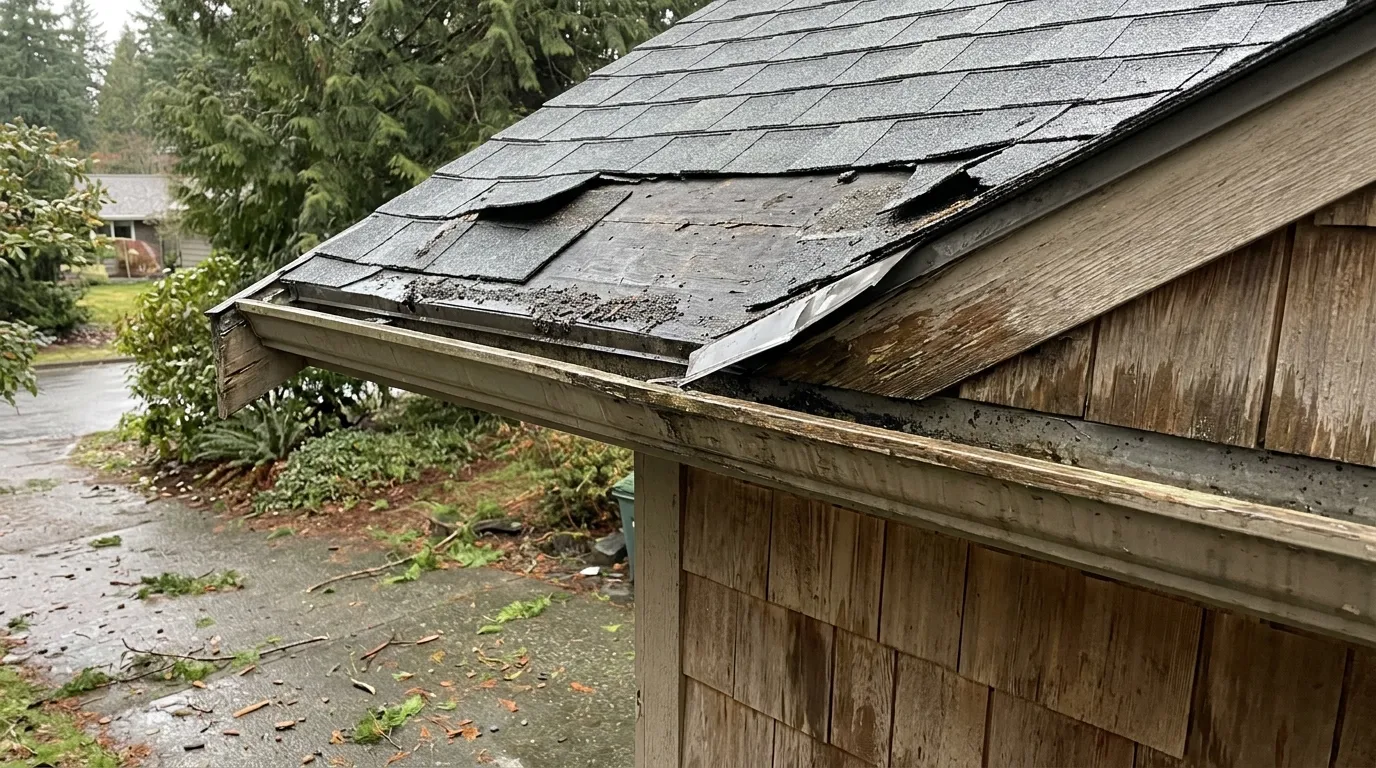
A roof can look mostly intact after a storm and still have serious damage underneath. Wind may lift shingles, loosen flashing, or expose roof decking. A fallen branch can damage the roof’s structure even if the opening looks small from the ground.
If you are facing an emergency roof replacement in Seattle, the first decisions can help protect both your household and your home. Long stretches of rain can turn an exposed section of roof into an attic leak, wet insulation, or damage to ceilings and walls. Acting promptly matters, but you do not have to decide on a full replacement before you understand the damage.
Start with safety. Stay off the roof and away from downed power lines. Avoid rooms with active leaks or sagging ceilings, and keep clear of water near electrical equipment. If you suspect an immediate danger, leave the affected area and contact emergency services or your utility as appropriate. A roofing professional can assess the roof once conditions are safe.
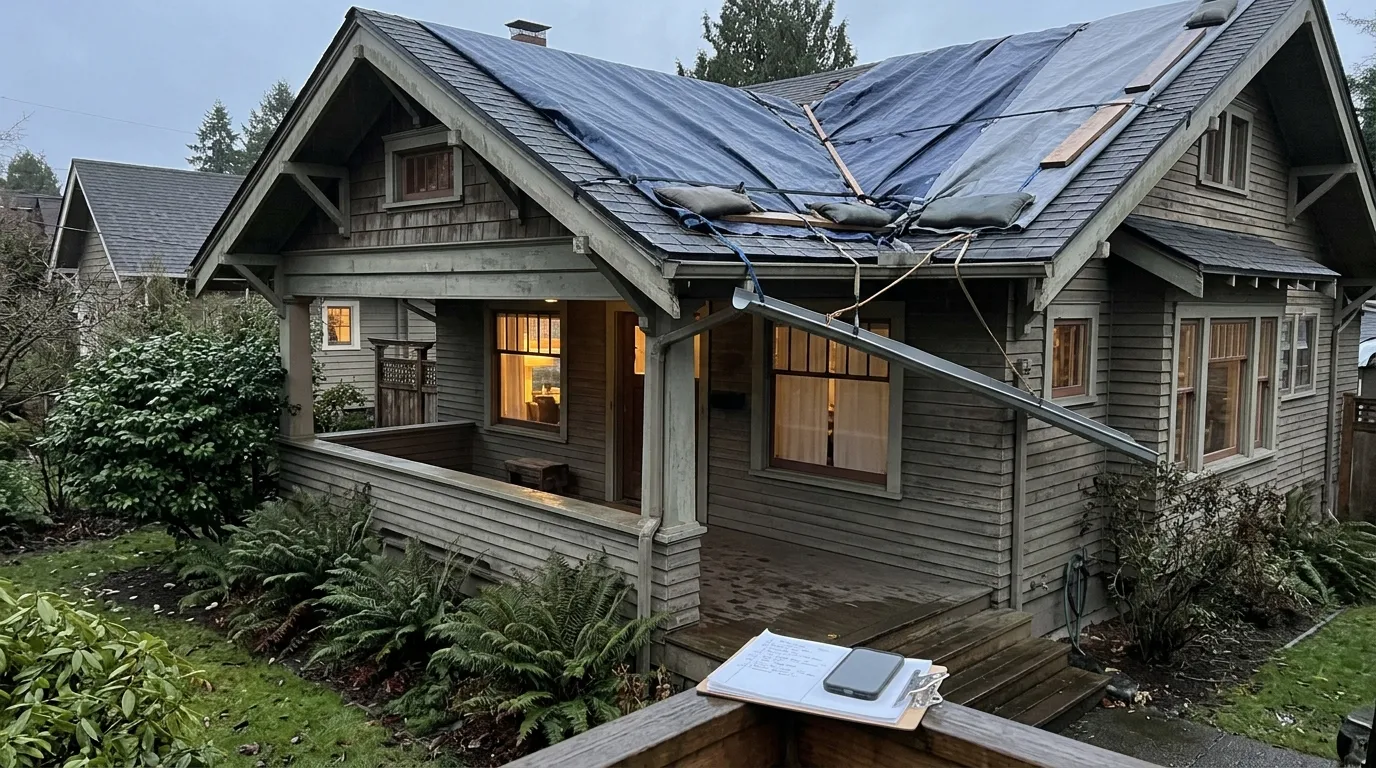
Next, focus on temporary protection and documentation. Professional tarp installation can help limit water entry, but a tarp is a short-term fix, not a permanent repair. When it is safe to do so, take dated photos and videos of the damage before and after temporary work. Keep receipts and notes for your homeowner insurance claim, and contact your insurer to learn what your policy requires. Our guide to storm damage and insurance claims explains more about that process.
Not every storm-damaged roof needs to be replaced. A limited area of damage may be repairable, while widespread shingle loss, repeated leaks, or damage to the roof structure may call for a different approach. An inspection can also uncover problems that are hard to see, such as wet insulation or damaged decking. Understanding when to repair or replace your roof can help you weigh the options.
This checklist walks you through each step, from staying safe and arranging temporary protection to working with an insurance adjuster and choosing a licensed, insured contractor. It also covers tarping costs, replacement costs, and how Seattle’s rain, wind, permits, and material availability can affect the timeline.
When you are ready for a closer look, you can book a roof inspection or emergency assessment with Roof Pros NW. The goal is a clear plan for protecting your home now and deciding what comes next.
What to Do First After Storm Damage in Seattle
A storm-damaged roof may look fine from the street while water enters through a hidden opening. Follow this storm damage checklist in order: stabilize, document, then decide on repairs or replacement. Do not climb onto the roof to investigate.
1. Stay off the roof and check for immediate danger
Stay away from downed power lines, hanging branches, and standing water near electrical equipment. Treat every downed line as live. If a ceiling is sagging, water is pouring in, or part of the home appears unstable, leave the affected area or the home.
Call 911 for immediate danger. Contact your utility company about downed lines or electrical hazards. Do not try to move a fallen tree or branch touching a line.
2. Look for signs of urgent damage from the ground
From a safe place, look for missing shingles, lifted flashing, fallen limbs, debris, and exposed roof decking. Flashing is the material that seals joints around chimneys, vents, and roof edges. Decking is the wood surface beneath the roofing.
Inside, ceiling stains, dripping water, or an attic leak can point to damage that is hard to see outside. Avoid entering an attic with damaged framing, electrical hazards, or unsafe access.
3. Call for help once the area is safe
After addressing immediate hazards, contact your insurer and a qualified roofing contractor. If you need a 24/7 emergency roofer in Seattle, ask about actual availability and when someone can assess the roof. Do not assume every contractor offers around-the-clock service.
For a nearby example of first steps, see emergency roof repair in Kent, WA. The next priority is limiting water entry without putting anyone at risk.
How to Protect Your Home Before Permanent Repairs
Temporary protection can reduce further damage while you arrange an inspection and insurance review. It does not replace a permanent roof repair.
1. Why emergency tarping matters
A professionally installed tarp can cover an opening and help keep more rain out. In Seattle, even a small gap can allow water into the attic during a long wet stretch.
If it is safe to do so, place a bucket beneath a drip and move belongings away. Stay clear of bulging ceilings and water near outlets or electrical equipment.
2. What a professional tarp installation should include
A qualified roofing contractor should assess the opening, cover the exposed area, and secure the tarp to limit lifting or water getting underneath. The method depends on the roof’s condition and the weather.
Ask what areas were covered and whether any damage could not be safely reached. Request photos and an invoice for the work.
3. How long a tarp can last
A tarp is short-term protection, not a final fix. Wind, rain, its placement, and the condition of the roof can affect how well it holds. Ask the contractor how to monitor it from the ground and when it should be checked again.
If water returns, contact the roofer promptly. Do not wait for the planned replacement date if the temporary covering appears to have failed.
4. What to avoid while waiting for repairs
Do not climb onto wet roofing, remove shingles, or attempt major patching yourself. Slippery slopes and hidden structural damage can make the roof unsafe.
If a tree has struck the home, leave removal and roof access to qualified professionals. Once the home is protected, keep a record of what happened and what was done.
Document the Damage for Insurance Before and After Temporary Repairs
Good damage documentation helps connect the storm, temporary work, and proposed permanent repairs. Take reasonable safety steps first. Do not delay urgent protection just to get a better photo.
1. Take clear photos and videos
From safe locations, take wide shots of the home and closer views of visible damage. Record missing shingles, debris, ceiling stains, and water entry. Photograph wet insulation only if it can be seen without entering an unsafe attic.
Take photos before tarping when possible, then photograph the finished temporary work. Ask the roofer for images of areas you cannot safely reach. Add dates or save the original files so the timing is clear.
2. Save receipts and repair records
Keep invoices for emergency roof tarping, temporary repairs, and materials. Save the contractor’s description of the work and any recommendations for follow-up.
These records help show what reasonable steps you took to limit further damage. Ask your insurer how to submit them and whether temporary repair costs may be covered under your policy.
3. Write down what happened
Note the storm date and approximate time, when you first noticed damage, and where water appeared. Record visible wind damage, a tree strike, missing shingles, and any active leaks.
Keep a simple log of calls, inspection dates, and changes after the tarp is installed. Avoid guessing about the cause or extent of damage. A clear description of what you observed is more useful.
4. Contact your insurance company early
Report the damage promptly and ask how to file a roof storm damage insurance claim in Washington. Your insurer can explain its process, deadlines, and documents needed.
Ask about your deductible, the amount you generally pay toward a covered claim before insurance pays its share. Coverage and payment depend on the policy and the insurer’s assessment. Read more about spotting storm damage and filing a claim.
How to Tell if You Need Repair or Full Emergency Roof Replacement
The choice between emergency roof repair and full roof replacement after a storm depends on the condition of the whole roof. A tarp protects the opening while a contractor checks whether the surrounding materials can still do their job.
1. When repair may be enough
Repair may be reasonable when damage is small and isolated and the rest of the roof is in sound condition. Examples include a limited patch of missing shingles, one identified leak source, or minor flashing damage.
Ask whether matching materials are available and how the contractor will connect the repair to the existing roof. A repair should address the source of the leak, not just cover the visible stain inside.
2. Signs a roof replacement may be the safer choice
Replacement may be worth considering when damage is widespread or the roof already has several failing areas. Widespread shingle blow-off, repeated leaks, aging materials, or damaged decking can make separate patches less practical.
A tree strike or major opening may also expose problems across more than one section. A professional can explain whether the damage calls for storm damage roof replacement or a more limited repair. See when to repair or replace your roof for more guidance.
3. Hidden damage that can change the plan
Water can soak insulation and damage sheathing, the wood panels beneath the roofing. A heavy limb may crack rafters, the structural supports that help hold up the roof. Flashing can also loosen in places that are hard to see from the ground.
Some damage may not be visible until roofing is removed. Ask how the estimate handles hidden decking or framing repairs and how changes will be approved before extra work begins.
4. How a professional inspection removes guesswork
A roofer can assess shingles, flashing, vents, roof edges, and visible decking. When safe and accessible, the inspection may also include the attic, insulation, and ceiling signs.
Request a written explanation of the findings, photos, and the recommended scope. If structural damage is suspected, ask whether a structural professional should evaluate it. The goal is to move from temporary protection to a permanent plan that fits the actual damage.
Emergency Roof Replacement Seattle Cost and Timeline
1. What affects emergency roof replacement cost
Roof size, slope, roofing material, labor, permits, and removal of old roofing all affect the price. Damaged decking or framing can add work once the roof is opened. Interior drying and repairs may be separate from the roofing estimate.
Ask for an itemized proposal that explains what is included and how unexpected damage will be priced.
2. Cost ranges to discuss
As a broad planning illustration, a Seattle-area roof replacement might cost $15,000 to $40,000 or more. This is not a quote or a guaranteed local price. A smaller or simpler job may differ, while extensive structural damage or premium materials can raise the cost.
Emergency tarping is usually a separate, smaller charge. Emergency roof tarping cost in Seattle depends on access, roof size, damage, and conditions. Ask for a written price before work when practical, and see this guide to roof replacement cost in Seattle.
3. How long the process may take
Ask the contractor how fast a roofer can tarp your Seattle roof. Response time depends on safety, storm demand, and crew availability. An inspection may follow quickly, but insurance review, permits, material orders, and weather can extend the time before replacement starts.
| Service | Typical purpose | Timing |
|---|---|---|
| Emergency tarping | Limit water entry | As soon as safe access and a crew are available |
| Roof inspection | Identify damage and plan work | After the area is safe to inspect |
| Temporary repair | Protect a specific damaged area | Before permanent work, if appropriate |
| Full replacement | Remove and replace the roof system | After the scope, materials, required approvals, and schedule are ready |
4. Why Seattle weather affects timing
Can you replace a roof in winter in Seattle? Yes, but rain, wind, and short dry windows can affect how and when work proceeds. Ask how the crew will protect open sections if weather changes. The guide to Seattle rain timing and roof replacement explains more.
How to Work With Your Insurance Adjuster
An insurance adjuster reviews the reported damage for the insurer. Your policy and the insurer’s decision determine coverage, so keep the claim and contractor schedule connected.
1. What the adjuster may want to see
Share dated photos, videos, roof notes, tarp receipts, and records of interior damage. The adjuster may inspect the roof, attic, ceilings, and affected rooms when access is safe.
Ask how to provide the contractor’s photos and written estimate. Keep copies of everything you submit.
2. How to talk about the damage
Describe what you saw and when you saw it. Mention wind, tree impact, leaks, or wet insulation if present. If you are unsure when damage occurred, say so rather than guessing.
Does homeowners insurance cover emergency roof replacement in Seattle? It depends on the policy, the cause of damage, exclusions, and the insurer’s assessment. Ask your insurer to explain its decision and your deductible.
3. What not to do before the adjuster visit
Do not discard damaged materials too soon unless safety or urgent cleanup requires it. Ask the insurer what should be preserved or photographed.
Reasonable temporary repairs should not be delayed when needed to protect the home. Document the damage first when safely possible, and keep the receipts and photos afterward.
4. Why a roofing contractor should be part of the process
A trustworthy contractor can explain inspection findings and the proposed scope without promising claim approval. Ask whether the roofer can discuss findings with the adjuster and provide updates if hidden damage appears.
Do not feel pressured to sign a replacement contract before you understand its terms and how the insurance process may affect your costs.
How to Choose a Trustworthy Emergency Roofer in Seattle
1. What to check before hiring
Look for local roofing experience, a written estimate, and proof of insurance. Check the contractor’s registration and other applicable requirements with Washington’s Department of Labor & Industries. Ask who will perform the work and what warranty applies to materials and labor.
The estimate should describe the scope, payment terms, and how extra work will be handled. Keep a copy before work begins.
2. Warning signs of storm chasing
Be cautious of someone who pressures you to sign immediately, offers vague pricing, demands cash only, or cannot provide local contact information. A contractor should give you time to read the agreement and ask questions.
Be wary of promises that insurance will cover everything or that your deductible will simply disappear. Confirm payment and coverage details with your insurer.
3. Questions to ask before work starts
Ask the roofer:
- What damage did you find, and can I see the photos?
- Is a tarp or temporary repair needed now?
- Are materials available, and are permits required?
- What could change the price or roof replacement timeline?
- How will you communicate with me if hidden damage is found?
4. Why Roof Pros NW can guide the next step
Roof Pros NW can help assess storm damage and explain whether repair or replacement may fit the roof’s condition. You can book an inspection or emergency assessment and ask about current availability.
What Happens During a Roof Replacement After Storm Damage
1. Inspection and scope confirmation
The contractor reviews the damage and explains the work plan. Confirm whether the estimate includes tear-off, flashing, decking repairs, disposal, and permit work where required.
Before scheduling, ask how insurance review or approval may affect the plan. Keep the tarp in place until the contractor is ready to remove it safely.
2. Material ordering and scheduling
Once the scope is clear, the contractor orders materials and plans the work. Delivery dates, permits, crew availability, and weather windows can affect the start date.
Ask how you will be notified of changes and what preparation is needed around the home.
3. Tear-off, repair, and installation
The crew removes damaged roofing and checks the exposed decking. Any additional damaged wood or structural concerns should be discussed before the related work proceeds.
The crew then installs the planned roofing system and flashing. For a fuller overview, see what to expect during roof replacement.
4. Final cleanup and walkthrough
The contractor should remove roofing debris and review the completed work with you. Ask about final documents, warranties, and any remaining permit steps.
Before installation begins, use these tips on how to prepare your home for roof replacement.
Special Seattle and Pacific Northwest Concerns to Watch
1. Heavy rain and long wet stretches
Repeated rain can send more water through a small roof opening. Check safe interior areas for new stains or drips while waiting for permanent work, and report changes to your roofer.
2. Wind storms and fallen tree damage
A Pacific Northwest windstorm can lift shingles, expose roof edges, or bring limbs onto the home. If a tree falls on your roof in Seattle, leave unsafe areas, call emergency services or the utility when needed, and arrange qualified tree removal and roof assessment. Do not cut or pull the tree off yourself.
3. Moisture inside the attic
An attic leak can leave insulation wet even after dripping stops. Ask the contractor how the attic will be checked and whether drying or insulation replacement is needed. Avoid entering an unsafe attic to investigate.
4. Replacement timing in wet weather
A dry window may be needed for parts of the work. Ask how exposed areas will be protected and whom to call if a temporary cover leaks during another storm.
Final Steps and Next Best Move
1. Review the damage and protect the home
Keep the order simple: address safety hazards, arrange temporary protection, document the damage, and plan permanent work. Save new photos and receipts as the situation changes.
2. Decide on repair or replacement with professional help
A missing shingle does not automatically mean a new roof is needed. Equally, a small visible leak may hide broader damage. Use the inspection findings, written estimate, and insurance information to compare the options.
3. Contact Roof Pros NW for the next step
If your roof has storm damage or an active leak, book an inspection or emergency assessment with Roof Pros NW. Ask about availability, temporary protection, and what information to have ready for the visit.
Conclusion
Storm damage can be stressful, but the best response is simple: stay safe, protect the home, document everything, and get a professional opinion before making big decisions. In Seattle and the wider Pacific Northwest, where rain, wind, and long wet stretches can turn a small roof problem into a bigger one, quick action matters. Even if the roof looks fine from the ground, hidden leaks, lifted flashing, missing shingles, or damaged decking may already be letting water in.
The first step is always safety. Stay off the roof, avoid downed power lines, and watch for signs of immediate danger inside the home, like sagging ceilings or active water intrusion. Once the area is safe, a ground-level check can help you spot visible damage and decide whether emergency protection is needed. If the roof has been opened by wind, a fallen branch, or another storm event, temporary tarping can help limit more water from getting inside while you wait for a full inspection.
Good documentation also matters. Photos, videos, receipts, and written notes can help support an insurance claim and show what happened before and after temporary repairs. If you are filing a claim, it helps to act early, save records, and keep your insurer updated as the situation changes. For more help with this process, see spotting storm damage and filing a claim.
The next major decision is whether the roof needs repair or replacement. Small, isolated damage may be fixed with a targeted repair, but larger patterns of wear, repeated leaks, or hidden structural problems may point toward a full replacement. A professional inspection can take the guesswork out of the decision by checking shingles, flashing, vents, decking, and attic signs of moisture. If you are weighing your options, this guide on when to repair or replace your roof can help you understand the differences.
Just as important is choosing the right contractor. A trustworthy roofer should give you clear answers, photos, and a written scope of work. They should also explain timing, pricing, and what may happen if hidden damage is found after the roof is opened. In wet weather, that kind of planning is especially important because Seattle conditions can affect both emergency protection and final repairs.
If your roof has storm damage or you are unsure how serious it is, the best next step is to schedule a professional assessment. Roof Pros NW can help you review the damage, discuss repair or replacement options, and plan the next move with confidence. Start by booking an inspection or emergency assessment.
When a storm hits, the first few steps matter most. These key takeaways explain how to stay safe, protect your home with temporary repairs, document damage for insurance, and figure out when emergency roof repair in Seattle should become a full roof replacement. They also cover the unique weather and timing challenges homeowners face in the Pacific Northwest.
- Safety comes first after roof storm damage: Stay off the roof, watch for downed power lines, and avoid rooms with sagging ceilings or active leaks until the area is safe.
- Emergency tarping is a short-term fix, not the final answer: A tarp can help stop more water damage fast, but it is only meant to protect the home until repairs or replacement can begin.
- Document everything before and after temporary repairs: Take dated photos, videos, receipts, and notes so you have clear proof for your homeowner insurance claim and adjuster review.
- Hidden damage can turn a repair into a replacement: Tree strikes, blow-offs, and heavy wind can damage sheathing, rafters, flashing, or insulation even when the outside damage looks small.
- Insurance claims work better with fast documentation: Keep records of tarping, emergency repairs, and moisture control steps so you can show that you made reasonable temporary repairs after the storm.
- Seattle weather can slow the replacement timeline: Winter rain, wind, permit needs, material lead times, and dry weather windows can all affect when a permanent roof replacement can safely happen.
- Wet insulation and attic leaks need quick attention: Water in the attic can lead to more damage if it is not checked and handled right away, especially during long wet stretches in the Pacific Northwest.
- Know when repair is not enough anymore: If the roof has wide damage, repeat leaks, or structural problems, a full emergency roof replacement may be the safer long-term choice.
- A trustworthy contractor should guide the whole process: Look for a licensed, insured roofer who gives clear written estimates and does not pressure you to sign before the adjuster visits.
- Roof Pros NW can help move you from damage to next steps: An emergency assessment can help confirm the damage, protect the home, and build a clear plan for repair or replacement.
With these points in mind, the rest of the article walks you through what to do right away, how to handle insurance, what emergency tarping costs, and how to move from temporary protection to a full roof replacement with less stress.
Get a Clear Picture of Your Roof
Your roof does an important job, but it is not always easy to tell when it needs attention. A roof inspection can help you understand its condition and make informed decisions about what to do next.
Roof Pros NW can take a closer look and help you understand your options. Whether you have noticed a change or simply want to stay on top of maintenance, scheduling an inspection now can help you plan ahead instead of putting it off.
A roof inspection can help you:
- Identify visible signs of wear or damage
- Learn which areas may need attention
- Understand your repair or maintenance options
- Plan for roofing work with greater confidence
- Ask questions about your roof’s condition
You do not need to wait for an obvious problem to take the next step. Schedule a roof inspection with Roof Pros NW and get a clearer picture of what your roof needs.
What should I do first if a tree falls on my roof?
Stay away from the roof, downed power lines, and any area with sagging ceilings or active leaking. Call 911 if there is immediate danger, then contact your utility company if lines are involved. Do not try to move the tree yourself. Once the area is safe, contact Roof Pros NW for an emergency assessment so the damage can be checked from the ground and temporary protection can be arranged if needed.
How much does emergency roof tarping cost in Seattle?
The cost depends on roof size, access, slope, the amount of damage, and how hard it is to safely secure the tarp. Emergency tarping is usually a temporary step, not a full repair, so the price is separate from any later roof work. Roof Pros NW can inspect the damage and give you a clear estimate for tarping and next steps.
How fast can a roofer tarp a roof in Seattle after a storm?
Timing depends on storm demand, weather, and how safe the roof is to access. A roofer can usually tarp much faster when the damage is easy to reach and conditions are safe, but the goal is proper protection, not speed alone. Contact Roof Pros NW as soon as possible so they can assess the roof and advise on the next available emergency step.
How long does emergency roof replacement take in Seattle?
It depends on the size of the roof, the material, hidden damage, permit needs, weather, and material availability. The process often includes an emergency tarp, an inspection, insurance review, scheduling, and then the replacement work itself. Roof Pros NW can inspect the roof and help you understand the likely timeline based on the actual damage and current conditions.
Should I repair or replace my roof after storm damage?
A repair may be enough if the damage is small and isolated, such as a few missing shingles or limited flashing damage. Replacement is often the better choice when there are repeated leaks, widespread blow-off, damaged decking, old roofing, or signs of hidden structural damage. Roof Pros NW can inspect the roof, explain what they find, and help you decide which option makes the most sense for your home.
